
Review · JAIPUR
Jaipur: Temple Tour
Jaipur’s temples tell the city’s story. This seven-hour outing combines morning Puja at Tarkeshwar Mahadev, several important shrines, astrology, and a small-group setting for up to four people. I like that you see religious life in action rather than only admiring palace walls, and I like the chance to ask questions as you go.
The tour also includes hotel pickup, transport, bottled water, tea, and coffee, which keeps a full day simple. The main consideration is pace: six religious and cultural stops, readings, shopping, and photography make for a busy schedule, and some temple visits are brief.
Guide Krishna has received especially warm praise for his calm manner, clear explanations, and language skills, including Italian. He can also suggest places to visit afterward, such as a massage center, and one outing ended with chai and samosa in central Jaipur.
Key points to know before booking
- Start with living worship: The morning Puja at Tarkeshwar Mahadev gives you a direct look at Hindu devotional practice.
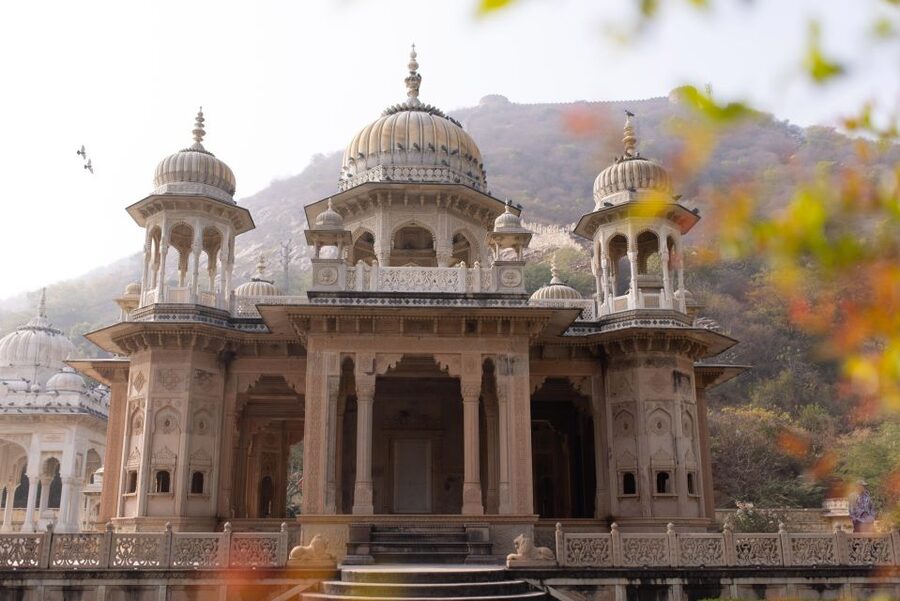
- Visit five temple sites plus Royal Gaitor: The route mixes active shrines, a monkey temple, royal tombs, and a hilltop Ganesh temple.
- Keep the group tiny: The tour is limited to four people, so questions and photo stops are easier to manage.
- Add astrology and chakra readings: These are built into the day rather than offered as an extra-cost add-on.
- Finish in Jaipur’s markets: You have time for flower-market atmosphere, photographs, and shopping in the Pink City.
- Use the language choice wisely: English, Spanish, French, Italian, and Hindi are available, with Krishna particularly praised for his Italian.
Why this temple tour gives you a different Jaipur
Jaipur is famous for forts, grand gates, and painted facades. Those sights matter, but temples show another side of the city: bells, offerings, family worship, sacred images, mythology, and daily routines that continue whether a tour group is present or not.
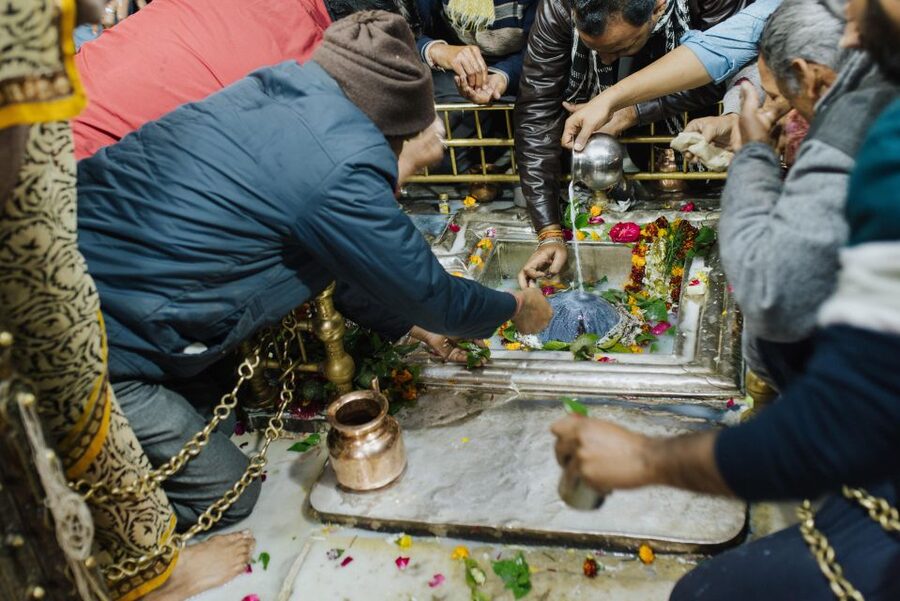
This experience focuses on that religious side. You are not simply driven past a shrine for a quick photograph. At Tarkeshwar Mahadev, you begin with Puja, a traditional worship ceremony, and hear about the rituals, deities, and stories tied to them.
I especially like this approach for a first day in Jaipur. Krishna’s explanations can give you a basic framework for Hindu traditions, including the roles of Brahma, Vishnu, Shiva, Hanuman, and Ganesh. Once you know who these figures are and why people pray to them, later temple visits become easier to understand.
The group limit also matters. With no more than four people, you can ask a question without turning the day into a lecture. You can also coordinate pickup, photography, and the pace of the day more easily than you could with a large coach group.
The $21 price is listed per group of up to four people, not per person. That makes the value unusually strong if you are traveling with three other people. Even for a couple, the price covers transport, a guide, hotel pickup and drop-off, water, tea and coffee, astrology, chakra reading, and shopping time. Confirm the current price and availability when booking, but on the supplied details, this is a low-cost way to cover a wide area of Jaipur.
A few more temple visits around India worth a look
- New Delhi: Akshardham Temple Tour with Water and Light Show
★ 4.8 · 313 reviews - Old Delhi Food-Spice Market-Temples Tour Soon Featured on NETFLIX
★ 5.0 · 304 reviews - Private Guided Spiritual Walk in Banganga Hindu Temples
★ 5.0 · 271 reviews
Tarkeshwar Mahadev and the meaning of Puja
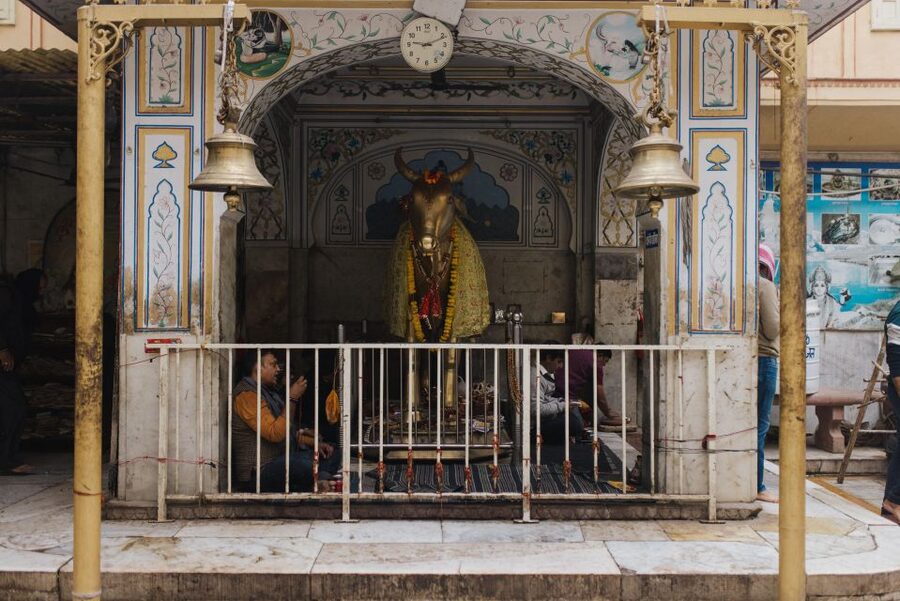
The day begins at Tarkeshwar Mahadev Temple, with about 20 minutes scheduled for the visit. The short time does not mean the stop is unimportant. It is the point where the tour moves from sightseeing into active religious practice.
Puja is a form of worship that can include prayers, offerings, gestures, and attention directed toward a deity. Here, you learn how the ceremony works and what the different deities represent. The guide also explains the mythology behind the images and rituals.
This is a useful first stop because you receive context before seeing the rest of the temples. If you have never visited a Hindu shrine, the customs can look unfamiliar at first. A guide who explains what is happening helps you observe respectfully rather than guessing.
You should expect this stop to feel more devotional than theatrical. That is part of its value. The experience is strongest for people who want to learn how worship fits into everyday life, not only those collecting temple photographs.
Birla Mandir’s marble setting
The next stop is Birla Mandir, with about 30 minutes to look around. Its marble steps and polished architecture create a different mood from the first temple. The setting is described as a place where visitors seek a connection with the divine, and the stop gives you time to notice the temple’s bright, clean design.
The contrast between the temples is useful. Tarkeshwar Mahadev introduces ritual practice, while Birla Mandir offers a more open architectural and visual experience. You can listen to the guide, take photographs, and see how a major city temple presents Hindu worship to a broad public.
Half an hour is enough for a focused visit, but not for a slow architectural study. If you prefer long stretches at one site, this schedule may feel quick. If you would rather see several parts of Jaipur in one morning, the timing works well.
Astrology on the road to Moti Dungari
The drive toward Moti Dungari Ganesh Ji Temple becomes part of the program. Your guide explains Indian astrology and gives each participant a reading.
This is one of the tour’s more unusual features. It is not presented as a separate show or a generic talk. The reading is tied to the cultural setting of the day, giving you a chance to ask how astrology fits into Indian life and personal decision-making.
Treat it as a cultural experience rather than a scientific assessment. The value is in hearing the tradition explained by someone who understands its place in local practice. Your interest level will depend on how open you are to spiritual subjects, but the reading adds a personal element to an otherwise site-focused tour.
Moti Dungari Ganesh Ji Temple receives about 20 minutes. Ganesh, the elephant-headed deity, is widely associated with beginnings and the removal of obstacles. Even with a short visit, the stop gives the guide a chance to connect the temple’s purpose with the broader stories of Hindu worship.
Same place, a different morning at the gates:
- Taj Mahal Sunrise with Lord Shiva Temple:- All Inclusive
★ 5.0 · 207 reviews - Old Delhi Temples and Spiritual Sites Private 6-Hour Tour
★ 4.8 · 204 reviews - Private Delhi Temples and Spiritual Sites 6 Hours Tour
★ 5.0 · 171 reviews - Tipu Palace + Koté Vishnu + Fort + KR Market + Jain Temple = Bengaluru Pété Walk
★ 5.0 · 150 reviews
Galta Ji, Jaipur’s famous monkey temple
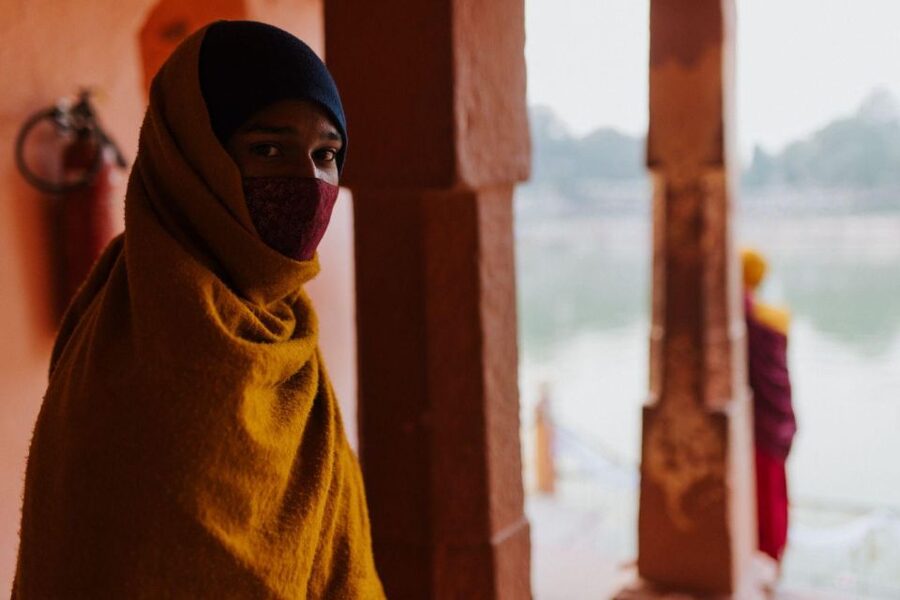
Galta Ji gets the longest scheduled temple visit, about 80 minutes. It is also known as the monkey temple, and it is likely to be one of the most memorable stops of the day.
The site is known for its religious setting and monkeys, but the nickname should not reduce it to an animal attraction. The temple is part of a wider spiritual place, and your guide can explain the customs, stories, and role of the shrine. The setting also gives you more time than the earlier stops to look around and take photographs.
Allow yourself to stay alert here. Monkeys are part of the atmosphere, and the site may feel less controlled than a polished city monument. Follow your guide’s instructions and keep your attention on your belongings. The supplied information does not specify rules about feeding animals, so do not assume that feeding is permitted.
Eighty minutes is a generous portion of the schedule. It gives you time to appreciate the place without racing from one doorway to another. If one temple makes you want to pause and think, Galta Ji is the stop most likely to provide that breathing room.
Royal Gaitor’s carved memorials
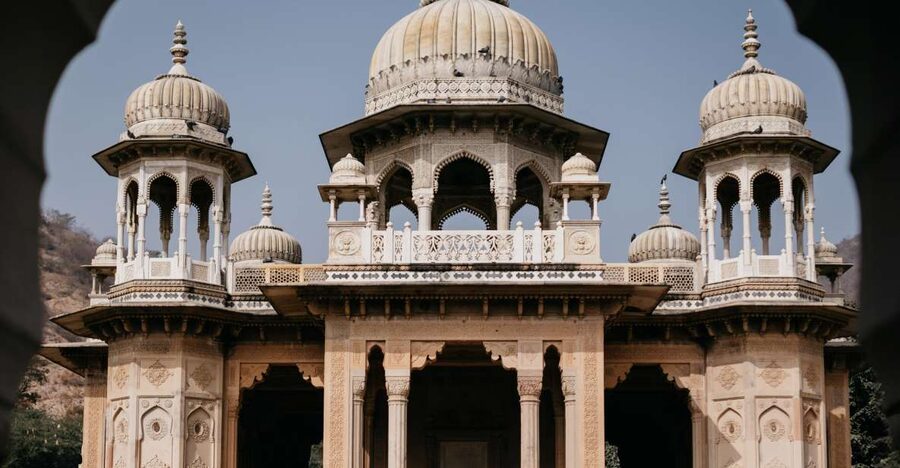
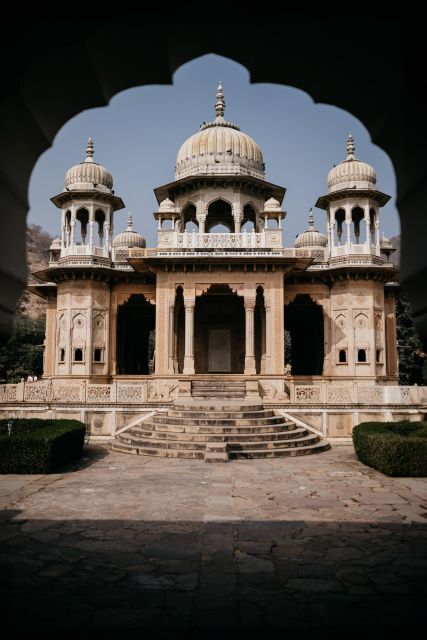
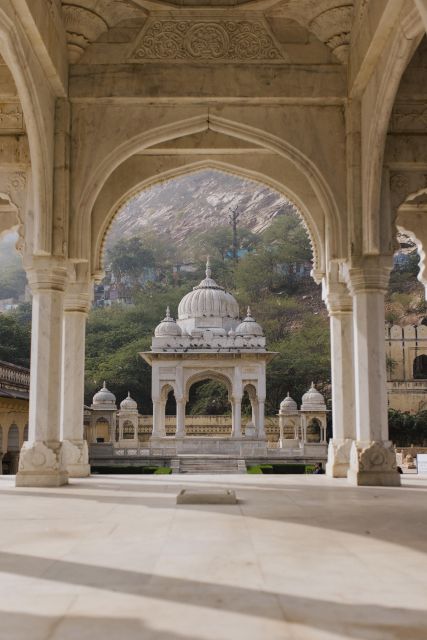
After Galta Ji, the route continues to Gaitor Ki Chhatriyan, also called the Royal Gaitor Tumbas, for about 40 minutes. This stop shifts the focus from active temple worship to royal memorial architecture.
The chhatris are memorial structures connected with Jaipur’s former rulers. Their carved stonework and formal design add an important non-temple element to the day. You can compare the quiet dignity of the tombs with the active rituals at the earlier shrines.
This is a smart inclusion because Jaipur’s spiritual identity is tied to its royal past. The stop helps you see that religion, power, art, and memory have long overlapped in the city. Forty minutes should give you time for photographs and a guided explanation without making the day feel stuck in one place.
Garh Ganesh and the final spiritual reading
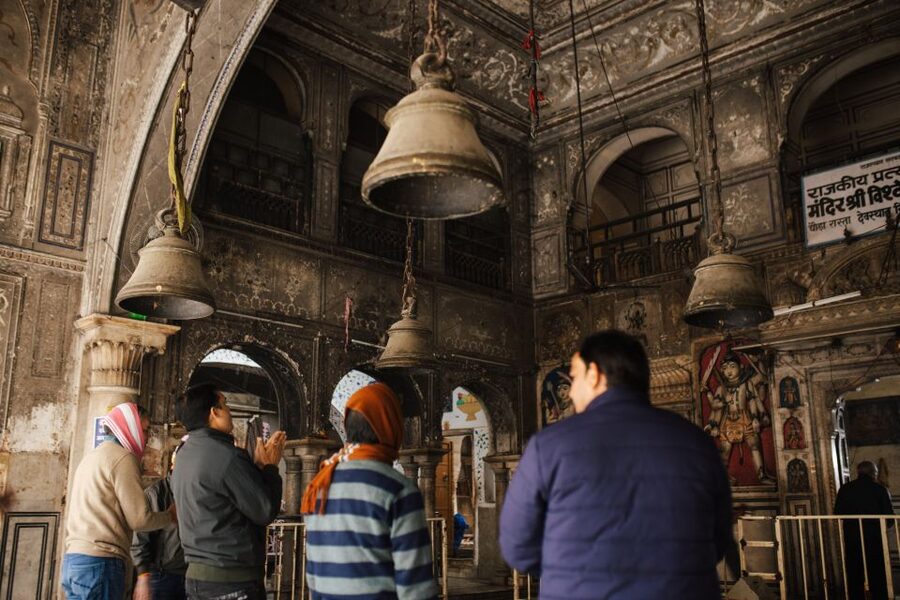
The itinerary lists Garh Ganesh and Gaitore Parking together, with about an hour for the visit. Garh Ganesh Mandir is the final temple stop and gives the day another connection with Ganesh worship.
The tour then adds a chakra reading from the guide, followed by time for contemplation. This is a gentler finish than simply returning to the hotel after a string of visits. You can reflect on the different forms of worship you have seen and ask any final questions.
The chakra reading will appeal most to people interested in spiritual and energy-based traditions. As with the astrology session, I would approach it with curiosity and keep your own judgment. It is a personal cultural experience, not something you need to accept as fact to enjoy the conversation.
The hour also creates room for the day to breathe. Temple visits can bring a lot of new information, especially if you are learning about Hindu deities and rituals for the first time. A pause at the end helps prevent the tour from becoming a blur of statues, steps, and explanations.
Pink City shopping and the flower market
The final part of the day gives you about 90 minutes for shopping in the Pink City. This is more useful than a quick stop at a souvenir shop because you have time to browse and compare.
The program specifically mentions time for the flower market, photographs, and shopping. A flower market can show you the practical side of temple worship, since flowers are commonly connected with offerings and ceremonies. It also adds color and movement after the quieter memorial stop.
You may also be offered visits to local factories or shops. One account describes stops for fabrics, silver rings, and local stones, with prices said to be lower than at tourist-oriented shops. Treat any purchase as optional, and ask questions about quality, prices, and returns before buying. The important point is that shopping is part of the experience, but it should remain your choice.
One outing finished with chai and samosa at a small place in the heart of Jaipur. That food stop is not listed as a guaranteed inclusion, so do not book solely expecting it. Still, it suggests that the guide may add a local refreshment stop when the timing and group preferences allow.
What Krishna adds to the day
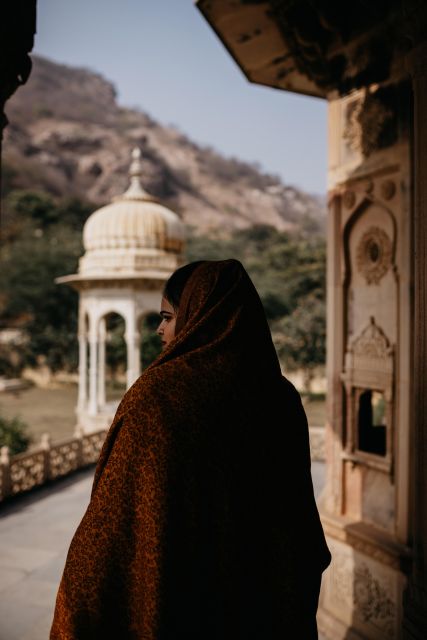
The strongest personal praise centers on Krishna, the guide named in the supplied details. His strengths are described as kindness, patience, clear explanations, and a calm way of handling the day.
That matters on a temple tour. You need someone who can explain Hindu traditions without flattening them into a few simple labels. Krishna’s own spiritual background also adds depth to his explanations of Shiva, Ganesh, Hanuman, Brahma, and Vishnu.
His language range is another practical advantage. The tour is offered in English, Spanish, French, Italian, and Hindi. The Italian option is especially useful if you prefer to discuss religious ideas in Italian, since one Italian-speaking participant found that ability rare and valuable.
The guide also helps with more than temple information. He can stop for photographs, offer suggestions for what to do after the tour, and recommend services such as a massage center. That makes the outing useful as a gentle introduction to Jaipur, not only as a fixed sightseeing loop.
Timing, transport, and who will enjoy it
The listed duration is seven hours, with pickup and drop-off in Jaipur. You can request pickup from a location of your choice by coordinating through WhatsApp with the provider. Starting times depend on availability, so confirm the exact pickup time before you finalize your plans.
Transportation is included, along with bottled water, tea, and coffee. That is helpful in Jaipur, where moving between several separate sites can be tiring if you are arranging each ride yourself.
The schedule covers:
- Tarkeshwar Mahadev Temple, about 20 minutes
- Birla Mandir, about 30 minutes
- Moti Dungari Ganesh Ji Temple, about 20 minutes
- Galta Ji, about 80 minutes
- Gaitor Ki Chhatriyan, about 40 minutes
- Garh Ganesh, about one hour
- Pink City shopping, about 90 minutes
The timing totals several hours of sightseeing, with driving and transitions filling out the full day. Some visits are short, so prepare for an overview rather than a slow study of every shrine.
I would recommend this for first-time Jaipur visitors, couples, families, and small groups who want religious context alongside sightseeing. It is also a good fit if you are curious about astrology and chakra readings or want a guide who can explain Hindu practice in a personal way.
You may want a different plan if your main goal is architecture, long meditation, or a temple-by-temple photography session. The added readings and shopping make the day broader, but they also take time away from the temples themselves.
Booking value and practical cautions
At $21 per group of up to four, the price is the biggest advantage. A private car, guide, hotel transfers, refreshments, two kinds of readings, and a full day of stops would usually make this a strong budget choice even before you count the convenience.
The small group is important. You are not paying only for transport. You are paying for the ability to ask questions about rituals, request photo stops, and talk through what you are seeing.
The main caution is to set realistic expectations. The tour promises access and explanation, not a private religious ceremony created for tourists. Puja is a traditional practice, and you should observe it with care. Dress and behavior should be respectful at each temple, and follow the guide’s instructions about photography.
Free cancellation is available up to 24 hours before the activity for a full refund, and you can reserve now and pay later. The provider asks you to use WhatsApp to coordinate pickup or ask questions, so make sure you have the contact number, +91 98291 18696, before the day begins.
Should you book the Jaipur Temple Tour?
Book it if you want Jaipur explained through worship, mythology, local customs, and conversation rather than only through monuments. The combination of Puja, five temple visits, Gaitor’s royal memorials, astrology, chakra reading, and Pink City shopping gives you a broad day at a very low group price.
I would book this especially if Krishna is available in your preferred language. His calm style and personal knowledge appear to be a major part of the experience.
Skip it if you dislike spiritual readings, shopping stops, or a fairly full schedule. For everyone else, this is a practical way to see a less polished and more personal side of Jaipur, with enough guidance to make the rituals understandable.
FAQ
How long does the Jaipur Temple Tour last?
The advertised duration is seven hours. Starting times depend on availability, so check the schedule before booking.
How many people can join the tour?
The group is limited to four participants.
Is hotel pickup and drop-off included?
Yes. Pickup and drop-off in Jaipur are included, and you can request pickup from a location of your choice by contacting the provider through WhatsApp.
Which languages are available?
The tour is offered in English, Spanish, French, Italian, and Hindi.
Which temples are visited?
The route includes Tarkeshwar Mahadev Temple, Birla Mandir, Moti Dungari Ganesh Ji Temple, Galta Ji, and Garh Ganesh Mandir. It also includes Gaitor Ki Chhatriyan, the Royal Gaitor memorial site.
Are astrology and chakra readings included?
Yes. An astrological reading is provided on the way to Moti Dungari Temple, and a chakra reading takes place after the Garh Ganesh visit.
Is shopping included?
Yes. The tour includes about 90 minutes for shopping in the Pink City, including time for photographs and the flower market.
What is included in the price?
The tour includes transportation, a guide, hotel pickup and drop-off, bottled water, coffee, tea, an astrological reading, a chakra reading, shopping time, and time for photographs.
Can I cancel for a full refund?
Yes. You can cancel up to 24 hours in advance for a full refund. You can also reserve now and pay later.
Just added around India
- 8 Days Private South India Temple Tour with 4 Star Luxury Hotels★ 5.0 · 3 reviews
- Chennai City Highlights – Government Museum & Temple Discovery★ 4.0 · 7 reviews
- South India Tour- Temple Architecture and Backwaters★ 5.0 · 7 reviews
- Full Day Tour of Konark Temple and Puri★ 5.0 · 7 reviews
- Divine Delhi: Full-Day Tour of Temples & Spiritual Sites★ 4.5 · 3 reviews
- 6-hour Temples tour of Bhubaneswar including hotel pick-up & drop-off★ 4.0 · 3 reviews
- Bhubaneswar city tour & Konark Sun Temple in private car with guide★ 5.0 · 29 reviews
- Puri Jagannath, Konark Sun temple, Pattachitra art in best of Odisha in 2 days★ 5.0 · 10 reviews
Jaipur Temple Tours, compared.
Jaipur sightseeing tour with monkey temple (Galta ji temple)
Read our review →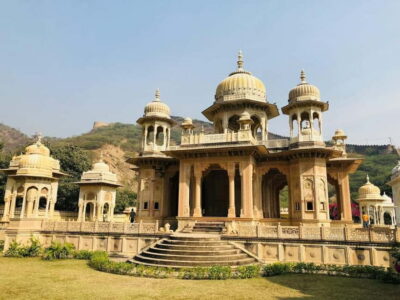
Private Full-Day Jaipur Guided Tour with Monkey Temple
Read our review →


Full-Day Tuk-Tuk Sightseeing Tour with Monkey Temple
Read our review →Browse the lists this tour appears in