
Review · CAMBODIA
Full-day: Original bamboo train, Wat Banan, Phnom Sampov
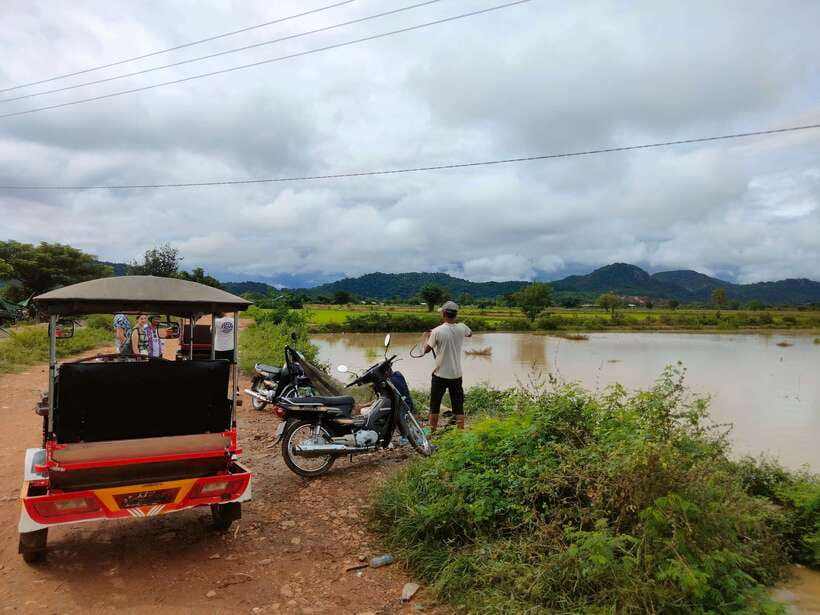
The countryside starts just outside town. This full-day Battambang trip combines colonial buildings, village life, the original bamboo train, Wat Banan, and Phnom Sampov for $15 per person. I like the small private format and the way the day moves between history, countryside, food, religion, and wildlife rather than focusing on one attraction. I also like that guides such as David Panha and Kim add local stories, cold water, snacks, and flexibility.
The main caution is cost clarity. The advertised price does not include the bamboo train, listed at $5 per person, and recent booking feedback also flags possible extra charges at Wat Banan and the Phnom Sampov sites, plus a possible train-driver tip. The day lasts about 10 hours and includes stairs, walking, and open-air tuk-tuk travel, so it suits active visitors best.
Key points at a glance
- Bamboo train in Our Solar village: The ride lasts about 80 minutes and uses a longer countryside route than the short tourist version near town.
- Private group of up to four: You get more time to ask questions and adjust stops, with English guidance from your tuk-tuk driver.
- Wat Banan takes effort: Reaching the temple means climbing an ancient stairway up the mountain.
- Phnom Sampov combines sorrow and spectacle: The Killing Cave gives serious historical context, while the Bat Cave offers a dramatic sunset ending.
- Village stops add substance: Cham and Javanese communities, local snacks, sticky rice, fruit bats, and farm scenes make this more than a temple circuit.
- Bring cash: The bamboo train is extra, and additional entrance or tipping costs may apply.
Why this Battambang day is worth considering
Battambang is easy to reduce to a bamboo train and a few famous caves. This trip gives you a fuller picture. You begin with the city and its colonial-era buildings, then head across the Sangke River, through villages, and into the countryside. By afternoon, the focus shifts to temple steps, Khmer Rouge history, and the nightly flight of bats.
I like that the day is not built around one long stop followed by a rushed photo. The schedule uses a tuk-tuk for short and medium transfers, so you spend much of the day seeing the roads, farms, and village life between attractions. That open-air travel is part of the experience, though heat, dust, and traffic noise are unavoidable.
The private setup is especially useful here. The group is limited to four people, and guides David Panha and Kim have been praised for explaining Cambodian culture, family history, religion, and local customs. Kim is also willing to adjust the day around lunch preferences and sightseeing interests. That flexibility matters because this is a long outing with several different types of stops.
A few more temple visits around Cambodia worth a look
- Grand Tour-Ek Phnom. Baset. Bamboo Train. Wat Banan. Phnom Sampov
★ 5.0 · 20 reviews - Full-day: Wat Banan. Old bamboo train. Bat Cave. Killing cave
★ 5.0 · 13 reviews - Bamboo train. Phnom Sampove cave. Bat cave and Banan Temple
★ 4.9 · 12 reviews
Battambang Provincial Hall and the city’s colonial side
Pickup is from your hotel, guesthouse, or another named location in Krong Battambang. The first stop is usually Battambang Provincial Hall or another colonial building, with about 20 minutes for photos and a short introduction.
Do not expect a long architectural tour. This is a quick way to place modern Battambang in its historical setting before heading outside town. If you enjoy old civic buildings and city details, it gives the morning a useful starting point. If you prefer to reach the countryside immediately, this stop may feel brief but harmless.
The short tuk-tuk rides between stops help keep the pace varied. You are not sitting in a van with the windows shut. You are close to the road, passing shops, homes, and local traffic as the city gradually gives way to quieter areas.
Lok Ta Dambong Kra Nhoung and the hanging bridge
The next stop is the shrine to Lok Ta Dambong Kra Nhoung, also called Tadam Bong Kro Aung in the tour description. You have around 20 minutes to see the statue and learn about its story.
This stop works best when your guide explains the local meaning rather than treating it as another quick photograph. Ask David or Kim about the figure and how the shrine connects to Battambang’s identity. The exact amount of detail may depend on the guide, but the purpose is clear: you are learning how local legend and public monuments shape the city.
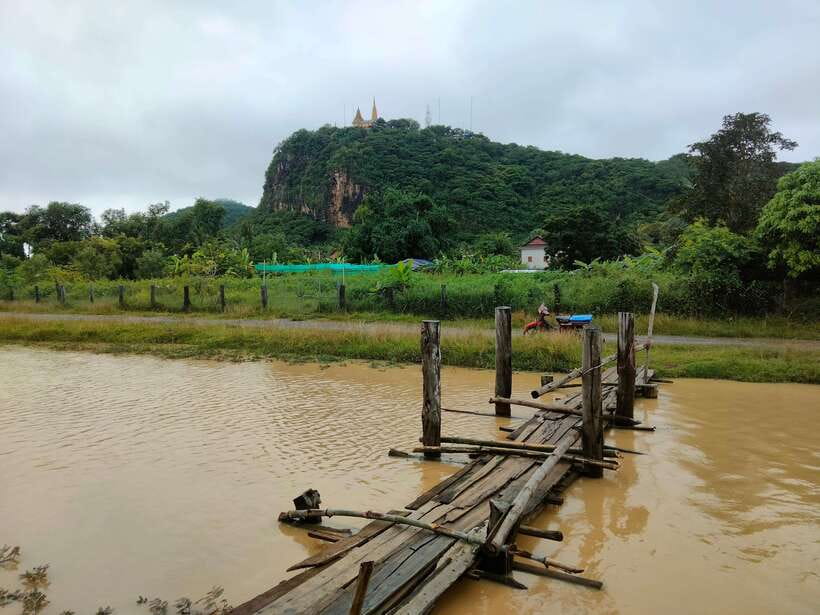
After another tuk-tuk ride, you spend around 90 minutes at the hanging bridge and along the Sangke River. You can take photos, cross the bridge, and enjoy a slower section of the morning. The setting is more appealing than a simple roadside viewpoint because the river and nearby communities give the stop some daily life.
A hanging bridge is not ideal for everyone. The tour is not suitable for wheelchair users or people with mobility impairments, and anyone uncomfortable with uneven walking should tell the guide before the day begins. Wear shoes with a firm sole and keep your camera secure while crossing.
Kampon Pile Pagoda and local food stops

The religious portion continues at Kampon Pile Pagoda, also identified in the schedule as Madrasah Tahfiz Al Bashir. You have about 40 minutes to learn about Buddhism and see how religious life fits into the local community.
The tour then passes through Cham and Javanese villages. This is one of the strongest parts of the day for anyone who wants more than monuments. You may learn about local customs, religious practice, and everyday work while walking through the communities. Small food tastings are included, so this is a good place to try local snacks without ordering a full meal.
The exact food available can vary. The experience includes tasting local food, but lunch is not included, so you should bring cash and ask your guide about the best time to eat. One booking account praised a riverside lunch spot, but the tour does not promise a specific restaurant. Treat lunch as flexible rather than fixed.
This section also gives you a useful look at how the countryside works. The road is part of the tour, not dead time. You might see farm production, rice fields, and people working outdoors. Keep your phone ready, but do not let photography replace the chance to ask questions.
More Full-Day Tours in Cambodia:
- Siem Reap: Full-Day Angkor Wat Guided Tour with Sunset
★ 4.9 · 3,803 reviews - Full-Day Angkor Wat Sunrise Private Tour with Guide from Siem Reap
★ 5.0 · 2,920 reviews - Siem Reap: Angkor Wat Sunrise and Full-Day Sightseeing Tour
★ 4.9 · 2,828 reviews - Full-Day Guided Sunset Tour of Angkor Wat
★ 5.0 · 1,507 reviews
The original bamboo train near Our Solar village
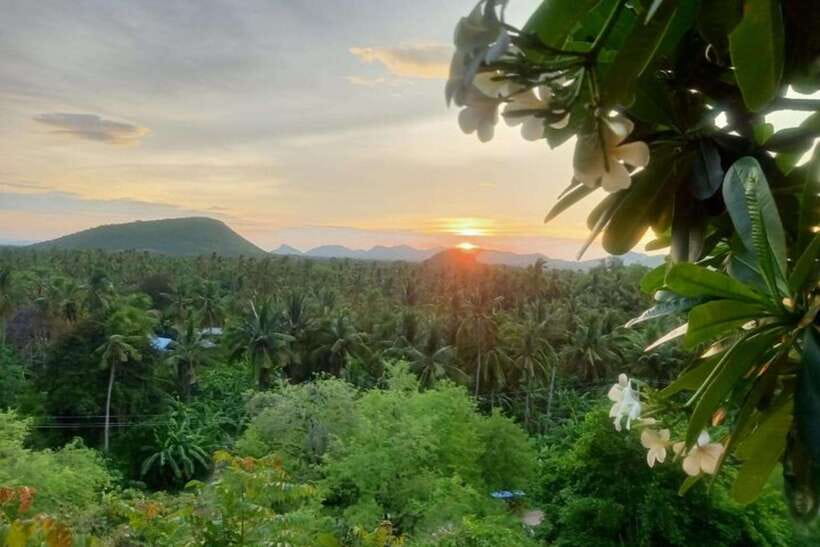
The bamboo train is the day’s most playful stop. The ride lasts about 80 minutes at Bamboo Train Ou Srauo Laou, reached by tuk-tuk after the village visits. The operator describes this route as a longer ride in Our Solar village, intended to provide a more authentic countryside experience.
The ride itself is simple: a bamboo platform fitted to a rail carriage. Its appeal is not comfort or speed. It is the novelty of moving through rural Cambodia in a way that feels improvised and distinctly local. You get a low view of the countryside and a memorable change from ordinary road travel.
I would keep your expectations sensible. One couple considered the bamboo train enjoyable but not essential, while other parts of the day made a stronger impression. That is a fair assessment. The ride is worth doing if you like unusual transport and open countryside, but it should not be the only reason you book this tour.
The $15 tour price does not include the bamboo train, which is listed at $5 per person. Bring cash. You may also need to allow for a driver tip, since an additional tip has been reported as expected. Ask your guide to confirm the full cost before boarding so the cheerful part of the day stays cheerful.
Wat Banan and its ancient stairway
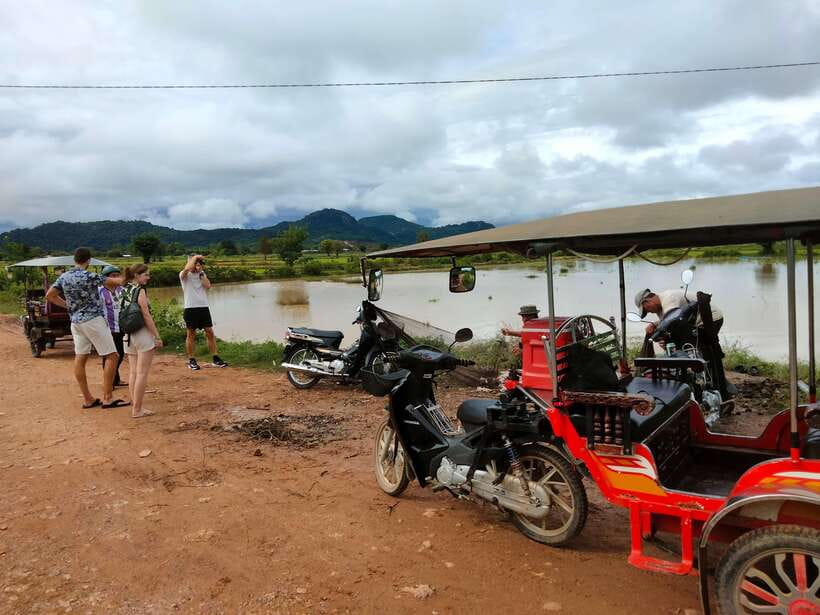
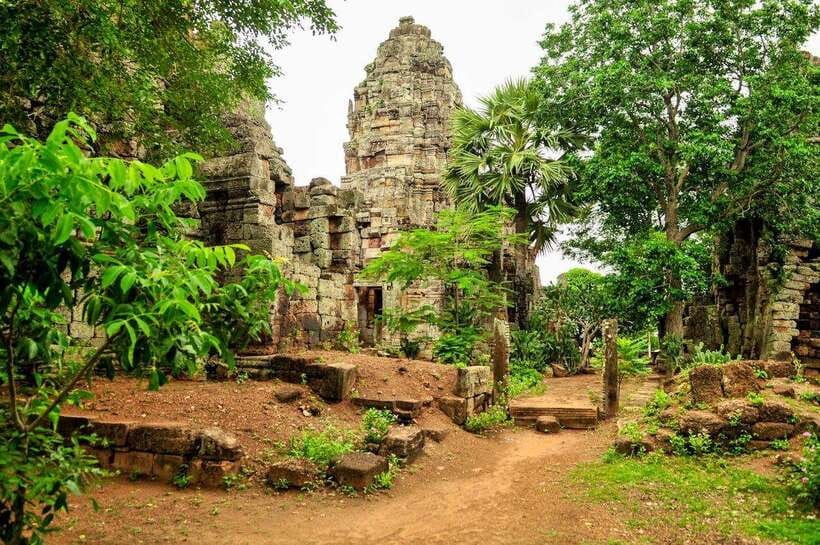
After the train, the tour moves toward Wat Banan. The temple visit lasts about two hours, including the climb. You reach the site by walking up an old stairway on the mountain, so this is where comfortable shoes and sunscreen become especially important.
Wat Banan rewards effort with a more physical temple visit than a roadside stop. The climb gives you time to slow down and notice the countryside below. At the top, you can explore the ancient temple and look across the surrounding rice fields and working farms.
This is not a good place to rush. Allow time for the steps, pauses, photographs, and the temple itself. The heat can make the climb harder than the distance suggests. A hat, water, and light clothing will help, though the tour includes unlimited mineral water and cold towels.
The advertised package information does not clearly settle every entrance charge. One recent booking account reported an additional $2 per person for Wat Banan, along with $1 charges connected to the temple, Killing Cave, and Bat Cave area. Because the included-fee details appear inconsistent, keep small bills with you and confirm costs when you book.
Sticky rice, fruit bats, and rural Cambodia
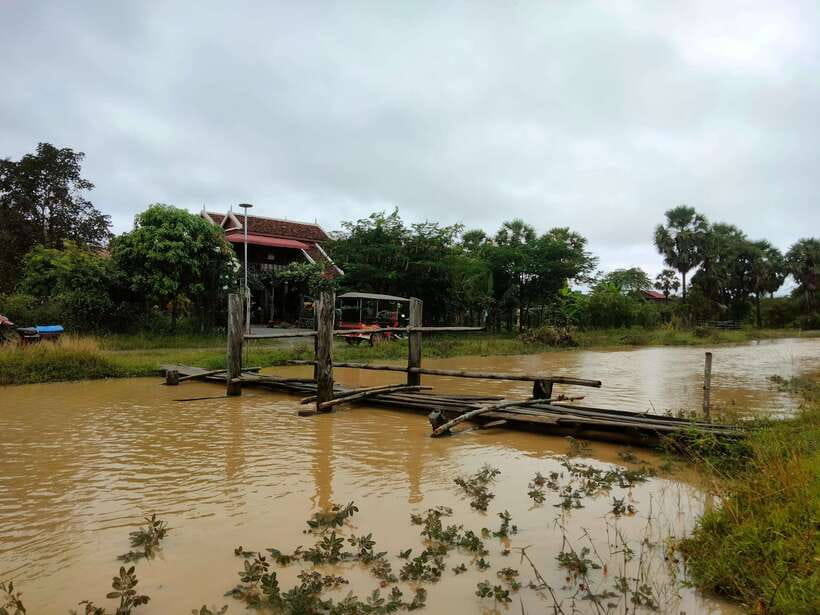
The route may include a stop to see locals baking bamboo sticky rice. This is a small detail, but it adds context to the food tastings earlier in the day. You can see how the Khmer people prepare the rice and ask why bamboo is used.
You may also see fruit bats hanging from trees. These are different from the large evening stream at the Bat Cave, and the sight is quieter and more observational. The chance to see both kinds of bat activity gives the day a nice natural thread.
The drive between Wat Banan and Phnom Sampov takes about 40 minutes. Use it as a rest period, but keep watching the countryside. Rice fields and farmers working outdoors are part of what makes the trip feel connected to Battambang rather than a series of isolated attractions.
Phnom Sampov’s Killing Cave and Khmer Rouge history
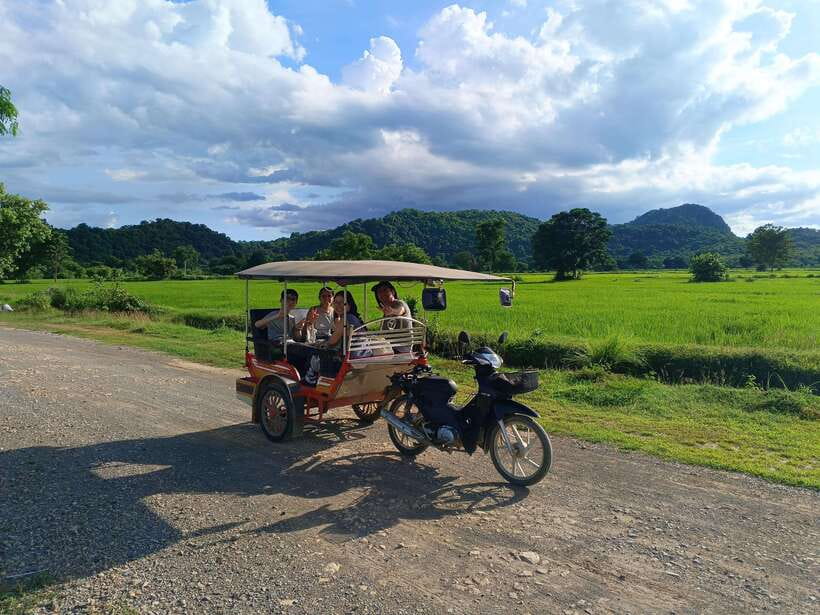
Phnom Sampov brings a much more serious mood. The tour includes the Killing Cave, where you can see victims’ skulls and learn about the Khmer Rouge period. This is not a light sightseeing stop, and your guide’s explanation matters.
Expect the site to be emotionally difficult. Take your time and approach it with respect. The purpose is not to add a grim photograph to your day, but to understand a painful part of Cambodia’s recent past. An English-speaking guide can help give the site context, though the depth of the discussion depends on the guide and the time available.
The tour information says that walking to the Killing Cave is free, while a ride up the mountain costs extra. That gives you a choice, but the walking route may be demanding after a full day of heat and stairs. Ask about the route and any current charges before deciding.
The Bat Cave at sunset
The final major stop is the Bat Cave, where the day ends with sunset and, if you choose, a cold beer. The tour includes entry to the Bat Cave and Killing Cave in its included-fee section, but other site charges have also been reported, so carry cash.
The bat flight is the visual payoff. As evening arrives, thousands of bats may stream out from the cave area, creating a long moving ribbon across the sky. The tour description specifically pairs this sight with sunset, which is smart timing. You get a dramatic natural event after a day of temples and history.
One guide, Kim, has taken visitors to a less touristy bat cave with a better setting and more bats than the commonly used viewpoint. That option may depend on local conditions and the guide, so ask about it if wildlife is a priority. David has also been praised for keeping people comfortable with cold water and useful explanations during the long day.
The beer is optional, and alcohol is listed among the things not allowed on the activity, so clarify the rules before assuming a drink is part of the tour. The description presents a cold beer as a possible way to enjoy the sunset, but the formal restrictions say alcohol is not allowed. That inconsistency is worth settling in advance.
The $15 price and what you really pay
At $15 per person, this is inexpensive for a private 10-hour outing with hotel pickup and drop-off, tuk-tuk transport, an English-speaking guide, cold towels, unlimited mineral water, local snack tastings, and listed cave entrance fees.
The price becomes less simple once extras are counted. The bamboo train costs $5 per person. Meals are not included, and you should budget for possible Wat Banan or local site charges, the optional ride toward the Killing Cave, and a possible train-driver tip.
That still can be good value, especially for a private group of up to four. A large group tour might cost more in time and offer less flexibility, while this format lets you ask questions and adjust parts of the day. Just do not treat the $15 as the complete cash budget.
Free cancellation up to 24 hours before departure and the option to reserve now and pay later make planning easier. Pickup is included, but you must provide a hotel, restaurant, guesthouse, or other clear location in Battambang.
Who should book this tour
I would choose this day if you want Battambang’s major sights plus village contact, food tasting, countryside, and a serious historical stop. It is particularly well suited to couples, families with older children, and small groups who value a private guide and do not want to spend the whole day at the bamboo train.
You should be comfortable with a tuk-tuk, long hours outdoors, temple stairs, and walking on uneven ground. Pregnant people, wheelchair users, and people with mobility impairments should choose another experience.
Bring comfortable shoes, a hat, sunscreen, a camera, and cash. Leave room in your schedule for heat and pauses. The day is full, but the variety helps it pass quickly.
Should you book the Battambang bamboo train and temple tour?
Book it if you want a broad, active introduction to Battambang and appreciate a guide who can adjust the day to your interests. The strongest parts are the small group, the village stops, Wat Banan, the serious history at the Killing Cave, and the sunset bats. David Panha and Kim are especially good names to request if available.
Skip it if you want a slow temple day, dislike open-air transport, or expect every cost to be included in the $15 price. Confirm the train fee, temple charges, cave fees, and tipping expectations before departure. With that small bit of planning, this is a strong-value day that gives you far more than a quick bamboo train ride.
FAQ
How long does the tour last?
The tour lasts about 10 hours, including pickup, tuk-tuk transfers, sightseeing, the bamboo train, temple visits, and the return to Krong Battambang.
What is included in the $15 price?
The price includes hotel pickup and drop-off, tuk-tuk transportation, an English-speaking guide, unlimited mineral water, cold towels, local snack tastings, and the listed entrance fees for the Bat Cave and Killing Cave.
Is the bamboo train included?
No. The bamboo train costs $5 per person and should be paid separately. A driver tip may also be expected, so bring cash.
Is lunch included?
No. Meals are not included. Local snacks are included, and you can ask the guide about lunch options during the day.
How difficult is the Wat Banan visit?
You must climb an ancient stairway up the mountain to reach Wat Banan. Comfortable shoes, a hat, sunscreen, and water are recommended.
Is hotel pickup available?
Yes. Pickup and drop-off are included, but you must provide a specific location in Battambang, such as a hotel, guesthouse, or restaurant.
Just added around Cambodia
- Oudong Temples & Phnom Prasith Private Tour from Phnom Penh★ 5.0 · 11 reviews
- Grand Tour-Ek Phnom. Baset. Bamboo Train. Wat Banan. Phnom Sampov★ 5.0 · 20 reviews
- Full-day: Wat Banan. Old bamboo train. Bat Cave. Killing cave★ 5.0 · 13 reviews
- Morning Tour,Ak Phnom temple,Rice wine,Rice Paper, killing Field★ 5.0 · 22 reviews
- Two Days Angkor Wat Park-Beng Mealea and Kampong Phluk Village★ 5.0 · 14 reviews
- 2-Days in temples and other areas★ 5.0 · 101 reviews
- Sunrise at Angkor Wat Temple: 3-Hour Private Tour★ 4.7 · 30 reviews
- Small-Group Explore Angkor Wat Sunrise Tour with Guide★ 5.0 · 3 reviews
Train Experiences, compared.

Railway and Floating Market Tour with Dragon Temple
Read our review →
From Malta: Gozo Full-Day Tour with Guide, Temples, & Train
Read our review →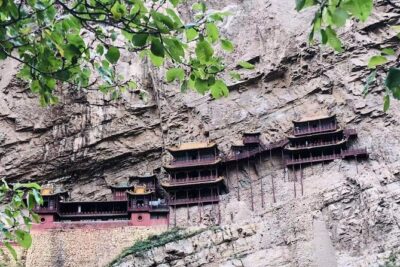
Beijing to Datong See YunGang Cave, Hanging Temple (Bullet Train)
Read our review →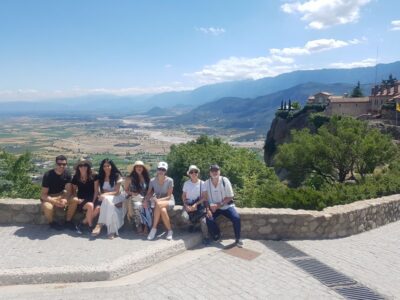
From Thessaloniki: Train Trip to Meteora & Monastery Tour
Read our review →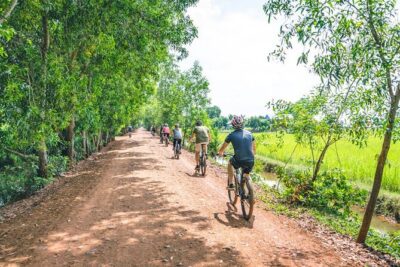
Grand Tour-Ek Phnom. Baset. Bamboo Train. Wat Banan. Phnom Sampov
Read our review →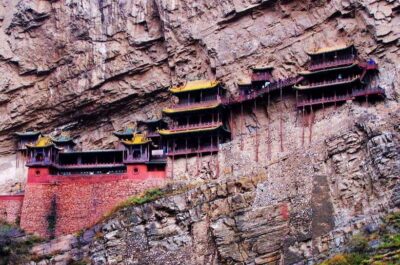
Bullet Train Tour to Hanging Temple&Yungang Grottoes
Read our review →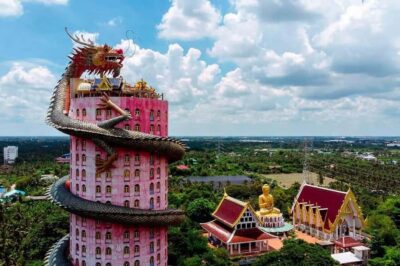
Private Floating & Train Market + DRAGON Temple + Thai Cafe
Read our review →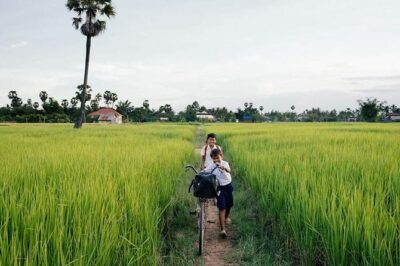
Full-day: Wat Banan. Old bamboo train. Bat Cave. Killing cave
Read our review →Browse the lists this tour appears in