
Review · PERU
From Lima: Excursion to the Temple of Pachacamac
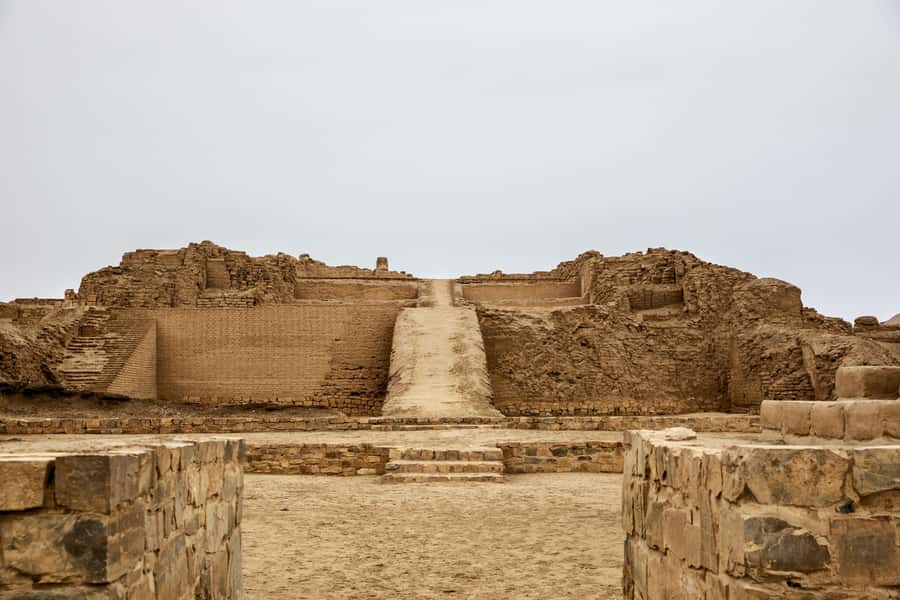
Ancient temples sit surprisingly close to Lima. This 210-minute excursion makes Pachacamac easy to visit, with round-trip transport from Barranco, Miraflores, or San Isidro and entrance fees already covered. I especially like the chance to see the Temple of the Sun and Temple of the Moon with a live guide, rather than wandering through a large archaeological site without context.
I also like that the visit includes the site museum, which adds useful background before or after the ruins. The main consideration is mobility: this experience is not suitable for people with mobility impairments, and three hours at an archaeological complex may feel demanding if walking is difficult.
Key Things to Know Before You Go
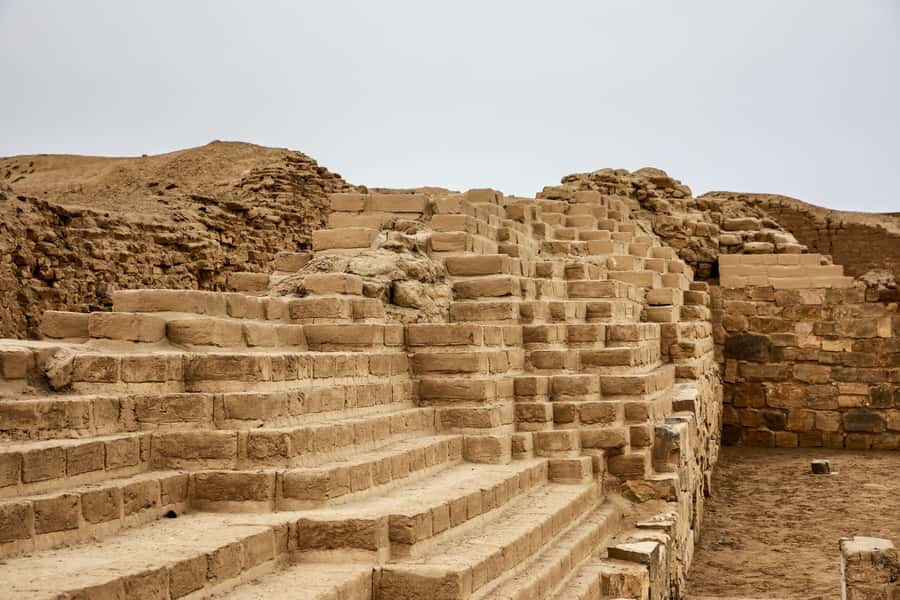
- Pachacamac dates back to around 200 AD: The complex connects several South American cultures across thousands of years.
- The Temple of the Sun has ancient murals: You can see painted scenes linked with the Moche and Huari civilizations.
- Pickup covers three Lima districts: Hotel transportation is offered in Barranco, Miraflores, and San Isidro.
- The guided visit lasts about three hours: The short vehicle rides are listed as about 15 minutes each way.
- Gabriel receives special praise for his history knowledge: His explanations are a major part of the experience.
- The $78 price includes the essentials: Transport, guide, air conditioning, entrance to the ruins, and the site museum are included.
Why Pachacamac Makes a Good Half-Day From Lima
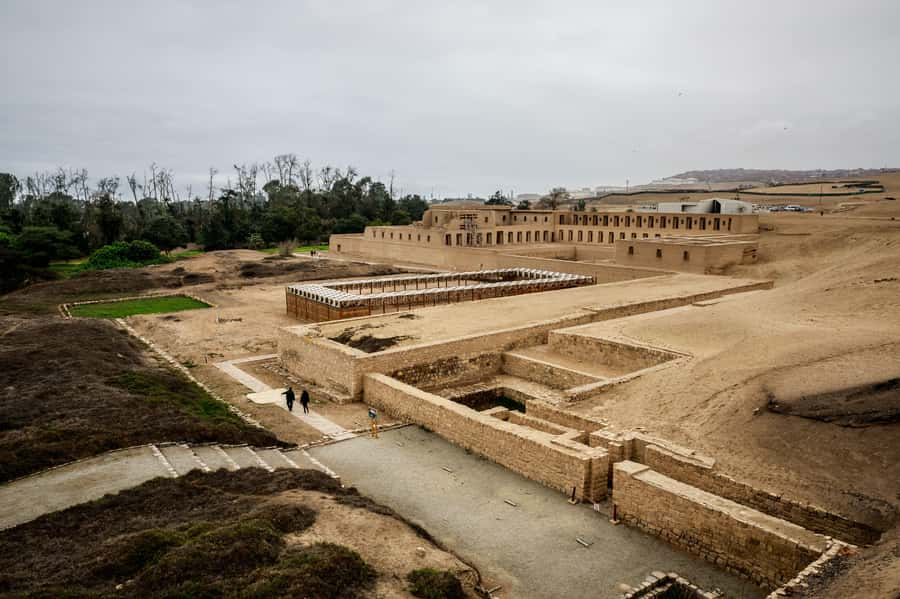
Pachacamac is a useful change of pace from Lima’s streets, restaurants, and coastal views. The site gives you a direct look at the civilizations that lived in this part of Peru long before the modern capital took shape.
The complex has a long timeline, beginning around 200 AD. That matters because you are not looking at a single-period ruin. Pachacamac reflects the work and beliefs of different cultures, including the Moche and Huari, and the site offers clues about how one sacred place remained important over many centuries.
I like this kind of visit because the setting gives history a physical form. Instead of hearing only about ancient societies in a museum, you can walk among temples and see the remains of a major ceremonial complex. The temples, walls, and murals help connect names and dates to an actual place.
The experience is also practical for a short Lima stay. You do not need to arrange separate transport, buy admission on your own, or spend time working out the route. A guide leads the visit, and the air-conditioned minivan gives you a comfortable break from the heat that can build up around exposed ruins.
A few more temple visits around the world worth a look
- Lisbon: Jerónimos Monastery Entrance Ticket
★ 4.1 · 14,164 reviews - Angkor Wat Sunrise or Sunset Tour with Guide from Siem Reap
★ 5.0 · 12,109 reviews - Teotihuacan, Guadalupe Shrine & Tlatelolco Day Tour with Lunch
★ 5.0 · 11,603 reviews
Leaving Lima From Barranco, Miraflores, or San Isidro
The excursion begins with hotel pickup in one of three Lima districts: Barranco, Miraflores, or San Isidro. That gives you a useful choice if you are staying in one of the areas most commonly used as a base in Lima.
The stated drive to Pachacamac takes about 15 minutes in the tour schedule. The short transfer keeps the outing focused on the archaeological site rather than turning it into a long road trip. You ride in an air-conditioned van, which is a welcome feature for a daytime visit.
Pickup and drop-off are included, so you do not need to arrange a taxi for the start or end of the excursion. The return locations are the same three districts: San Isidro, Miraflores, and Barranco.
You should confirm the pickup details when booking, especially if your accommodation is near the edge of one of these districts. The available information specifies hotels and accommodations in those areas, not every part of Lima.
The transport is one of the strongest practical reasons to choose this option. Pachacamac is close enough to visit from Lima, but private transport removes the stress of navigating to an archaeological site you may not know well.
Three Hours Among the Temples
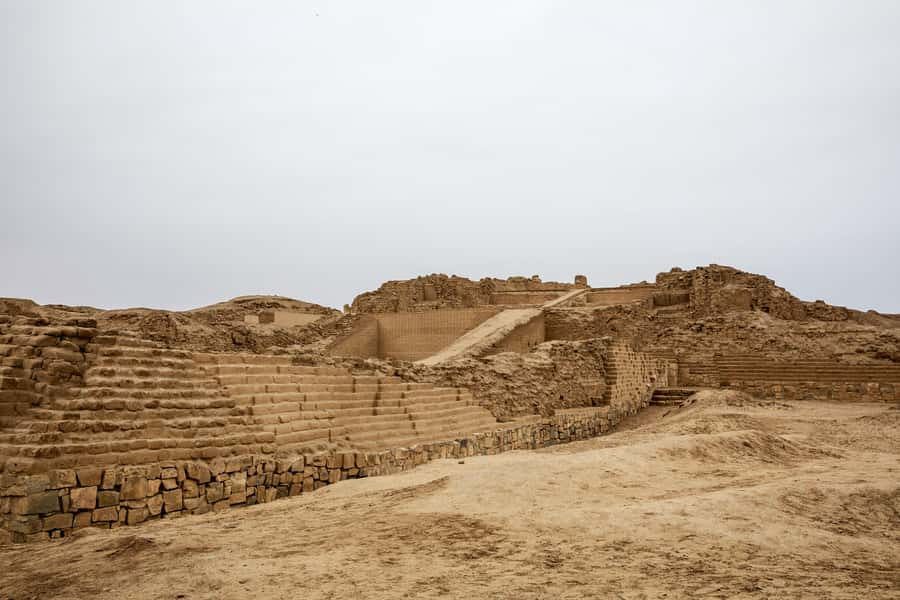
Once you reach Pachacamac, the main portion of the excursion is a guided visit lasting about three hours. That is enough time for a proper look at the major parts of the complex, rather than a quick stop for photographs.
The guide is important here. Archaeological ruins can look like a collection of walls and mounds if nobody explains what you are seeing. With a live guide, you can connect the buildings to the cultures that used them and understand why Pachacamac mattered.
The tour is offered in English or Spanish. That gives you a clear way to choose the language in which you will get the most from the explanations.
The site itself is not presented as a single monument. You can expect to move through several important areas, including the Temple of the Sun and the Temple of the Moon. Each adds something different to the visit, and the long guided portion allows the guide to place those structures within the wider story of Pachacamac.
The three-hour duration is both a benefit and a limitation. It gives the outing substance, but you should not book it expecting a quick look before lunch. If you prefer short stops and a fast pace, this may feel long. If you want context and time to examine the site, the schedule is more suitable.
The Temple of the Sun and Its Ancient Murals
The Temple of the Sun is one of the main reasons to visit Pachacamac. The tour specifically highlights its colorful murals, which are connected with the Moche and Huari civilizations.
These murals give the site a more personal quality than bare stone or adobe walls alone. Painted images can show how people represented belief, power, and daily life. Even if the surviving sections are incomplete, they help you picture Pachacamac as a place used by real communities, not simply as an abandoned ruin.
I would pay close attention when the guide discusses the murals. This is where a strong explanation can make the largest difference. Gabriel, one of the guides praised for this excursion, is described as an expert in history who explains the archaeological site and its past in detail.
That kind of guide makes the visit easier to follow. You do not have to remember every cultural name or date. Instead, you can focus on the visual details while the guide explains how the Moche and Huari connections fit into the story.
The phrase colorful and vibrant appears in the description of the murals, but you should keep expectations sensible. Ancient paintings have survived for a very long time, and the condition of any particular section can vary. The value is in seeing original decorative work at the site and learning what it represents.
Same place, a different morning at the gates:
- From Bangkok: Ayutthaya Temples Guided Tour with Lunch
★ 4.7 · 10,535 reviews - Siem Reap: Angkor Wat: Small-Group Sunrise or Sunset Tour
★ 5.0 · 9,444 reviews - Athens: Cape Sounion & Poseidon Temple Sunset Half-Day Trip
★ 4.8 · 8,241 reviews - Ubud: Monkey Forest, Jungle Swing, Rice Terrace, and Water Temple
★ 5.0 · 7,160 reviews
The Temple of the Moon and the Wider Complex
The Temple of the Moon is also listed among the principal places you will explore. The information provided does not give a detailed description of its decoration or layout, so I would treat it as an important stop within the guided route rather than expect a specific feature that has not been promised.
This is one reason the full-site visit matters. Pachacamac is more than one famous temple. The Temple of the Sun may draw the most attention because of the murals, while the Temple of the Moon helps show the wider scale and religious importance of the complex.
A guide can also help you understand how the different structures relate to each other. Without that explanation, it can be hard to tell which buildings served ceremonial purposes and which parts belong to different periods.
The setting invites questions. You can ask about the people who built and used the temples, the role of Moche and Huari culture, and how the site changed over time. The excursion promises a live guide rather than a self-guided route, so this is a good opportunity to use that access.
The Site Museum Adds Useful Context
Entrance to the Pachacamac Site Museum is included. This is a small but important detail, since the museum can help you make sense of what you see outside.
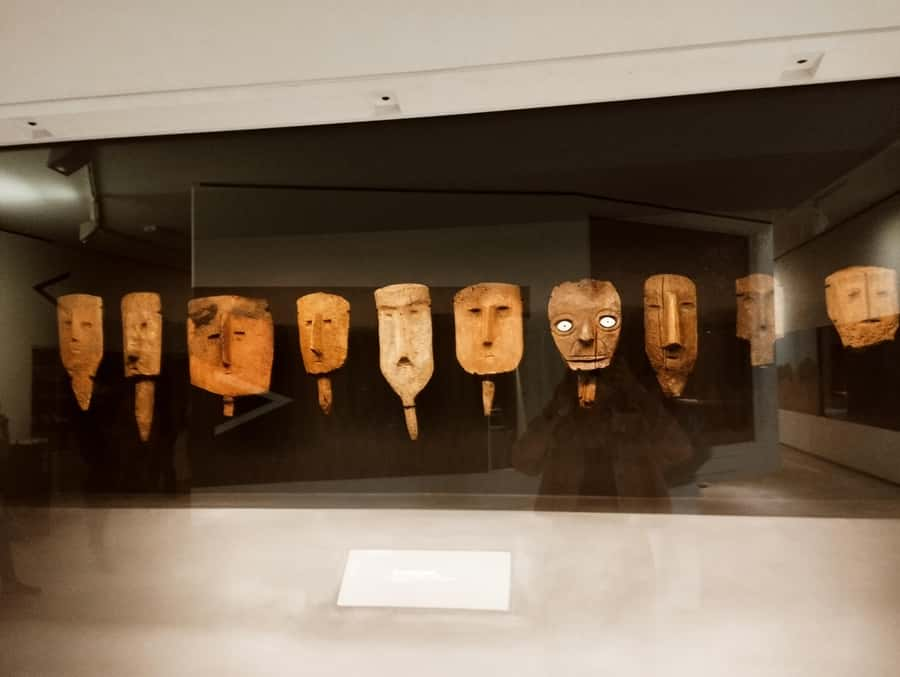
Ruins show structure, but a museum can provide the objects and background that explain how the place functioned. I like having both parts in one visit: the physical remains and an indoor setting that adds cultural context.
The order of the museum visit is not specified, so the guide may include it before or after the outdoor portion. Either way, it gives you another way to understand the site beyond the temples themselves.
The museum inclusion also strengthens the value of the $78 price. You are not paying only for transport to a ruin. The package covers the guide, entrance to Pachacamac, entrance to the museum, and the vehicle.
What the Guides Add to the Experience
The strongest pattern in the available feedback is praise for the guides. Gabriel receives particular approval for his detailed history explanations. Another visitor simply described the guide as very knowledgeable, though that exact word is better understood here as a clear sign that the guide’s expertise was central to the experience.
Sony receives praise for a different reason. Her cheerful personality, humor, helpful attitude, and energy made the visit feel lighter and more enjoyable. That combination matters on a three-hour archaeological tour, where a dry presentation could make a long visit feel longer.
These comments point to two qualities worth looking for in a guide: clear historical information and an engaging manner. Pachacamac rewards explanation, but it should not feel like a classroom lecture from beginning to end.
The guide’s language is also important. English and Spanish are available, and you should select the language that lets you ask questions easily. The more comfortable you are with the language, the more useful the stories about the temples and cultures will be.
Is $78 a Fair Price?
At $78 per person, this is not the cheapest possible way to see an archaeological site near Lima. The real question is what you would need to arrange separately.
The price includes hotel pickup and drop-off in the listed districts, an air-conditioned vehicle, a professional guide, entrance to the ruins, and entrance to the site museum. That removes several separate costs and saves you the time of arranging local transport and admission.
The value is strongest if you want a guided visit. If you already know the history of Pachacamac and prefer to travel independently, you may not need the same level of service. But if this is your first visit, the guide can help you understand why the site matters and what you are looking at.
The included transport is especially useful for a short stay in Lima. You get a planned half-day outing without spending part of the day on logistics. For me, the price makes the most sense for someone who values convenience, historical explanation, and a structured visit.
Who Will Like This Excursion Most?
I would recommend this tour to you if you want to add an ancient site to a Lima itinerary without arranging transport on your own. It suits visitors staying in Barranco, Miraflores, or San Isidro who want a guided experience in English or Spanish.
It is also a good fit if you enjoy cultural sites but prefer explanations to self-guided exploration. The Temple of the Sun, Temple of the Moon, ancient murals, and museum provide enough variety to keep the visit from relying on one monument alone.
History fans should get the most from the tour, especially with a guide such as Gabriel, who is praised for detailed historical explanations. You may also appreciate the excursion if you enjoy a friendly guide with a warm personality, like Sony.
The main limitation is physical access. The activity is not suitable for people with mobility impairments, and the three-hour site visit may be tiring for anyone who has difficulty walking or remaining on their feet. The available information does not give a detailed accessibility plan, so you should ask the provider before booking if you need specific assistance.
Timing, Cancellation, and Booking Flexibility
The full experience lasts 210 minutes, or three and a half hours. The schedule lists about 15 minutes in the van each way and about three hours at Pachacamac.
Starting times depend on availability. Since pickup is included, you should pay attention to the confirmed meeting information for your hotel or accommodation.
You can cancel up to 24 hours before the activity for a full refund. The reserve now and pay later option also gives you more flexibility if your Lima plans are not yet fixed.
Some content may be presented in its original language, so English and Spanish are the confirmed tour languages. If language is important to you, choose carefully when making the reservation.
Should You Book the Pachacamac Tour?
I would book this excursion if I wanted an easy, guided introduction to Pachacamac from Lima. The combination of included transport, admission, museum access, and a three-hour visit gives you a solid cultural outing without much planning.
The biggest reason to choose it is the guide. Gabriel’s detailed history explanations and Sony’s warm, lively style suggest that the human side of the tour can make a major difference. Pachacamac is the kind of place where interpretation turns old walls and temples into a story.
I would hesitate only if you need accessible travel, dislike extended archaeological visits, or prefer complete independence. For everyone else, the $78 price is reasonable for a guided half-day experience that covers the main temples, ancient murals, museum, and return transport.
FAQ
How much does the Pachacamac excursion cost?
The price is $78 per person.
How long does the experience last?
The excursion lasts 210 minutes, or three and a half hours.
Where can pickup and drop-off take place?
Pickup and drop-off are available from hotels and accommodations in Barranco, Miraflores, and San Isidro.
Is transportation included?
Yes. The experience includes round-trip transportation in an air-conditioned vehicle.
Is the Pachacamac entrance fee included?
Yes. Entrance to the Pachacamac ruins and the Pachacamac Site Museum is included.
Which languages are available for the guided tour?
The live tour guide is available in English and Spanish.
Can I cancel for a full refund?
Yes. You can cancel up to 24 hours in advance for a full refund.
Is the tour suitable for people with mobility impairments?
No. The activity is listed as not suitable for people with mobility impairments.
Just added around the world
- No.1 Chiang Mai: 3-Hour Monk Trail Hike to Wat Doi Suthep & Palad★ 5.0 · 11 reviews
- 8 Days Private South India Temple Tour with 4 Star Luxury Hotels★ 5.0 · 3 reviews
- Chennai City Highlights – Government Museum & Temple Discovery★ 4.0 · 7 reviews
- South India Tour- Temple Architecture and Backwaters★ 5.0 · 7 reviews
- Chania Private Tour: Monastery, Scenic Gorge & Mountain Views★ 5.0 · 12 reviews
- 2-Day Private Tour of Leshan Grand Buddha and Emei Shan including Monastery Stay★ 4.5 · 8 reviews
- Half-Day Trip to Arkadi Monastery and Melidoni Cave★ 4.5 · 4 reviews
- Monastery, Elafonissi and Winery Tour from Chania★ 5.0 · 8 reviews
Peru Temple Tours, compared.
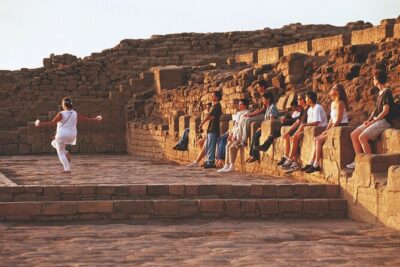
Pre Inca Temple of Pachacamac Half-Day Tour from Lima
Read our review →
Cusco City Sightseeing, San Pedro Market, Cathedral and Qorikancha Temple
Read our review →
Cusco: 3-Hour Horse Riding Tour to the Temple of the Moon
Read our review →
Horse Riding Chacan Mountain And Temple Of The Moon
Read our review →
Arequipa, Historic and Colonial City and Santa Catalina Monastery
Read our review →
Arequipa: Walking Tour and Santa Catalina Monastery
Read our review →
Browse the lists this tour appears in