
Review · PORTUGAL
Alcobaça Monastery: Private Tour
Love, power, and monks meet here. This two-hour private tour makes Alcobaça Monastery easier to understand, especially through the tragic story of Pedro and Inês. I like the personal guide and the way the visit connects Cistercian life with Portugal’s past. I also like the useful local food tips offered after the tour.
The main drawback is that the monastery entrance ticket is not included in the $53 price. You also need to meet at the main entrance, so this experience works best if you arrive with your transport and timing already sorted.
Key points at a glance
- Pedro and Inês give the monastery its most memorable story: Their tale adds human drama to the stone, tombs, and royal politics.
- The Cistercian connection is explained clearly: You learn how prayer, work, discipline, and royal support shaped this major religious center.
- A private format keeps the visit focused: Your guide can answer questions and adjust the explanation to your interests.
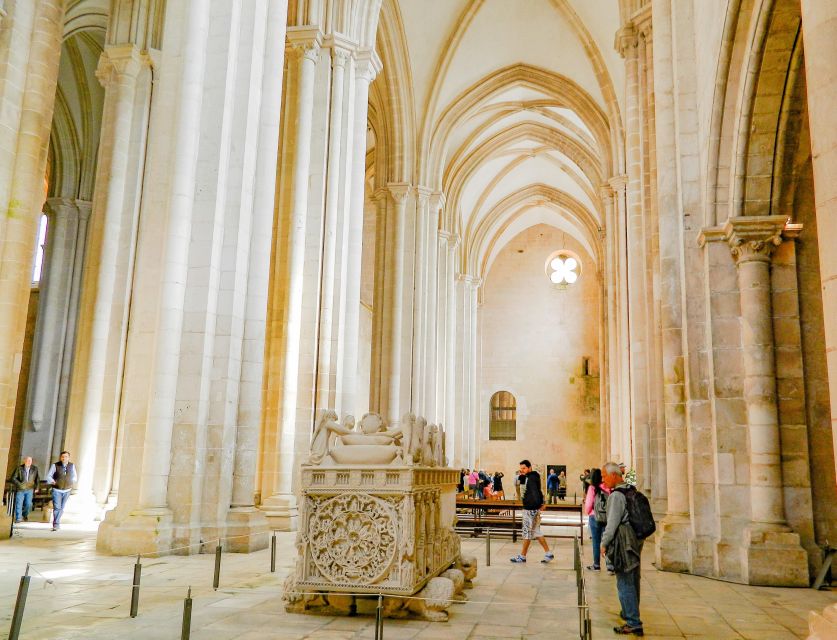
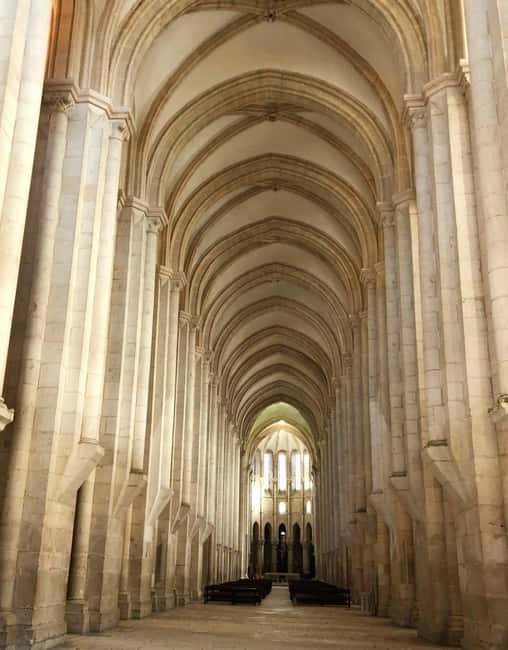
- The church is vast but restrained: Its plain decoration reflects the Cistercian preference for simplicity, while the tombs add visual drama.
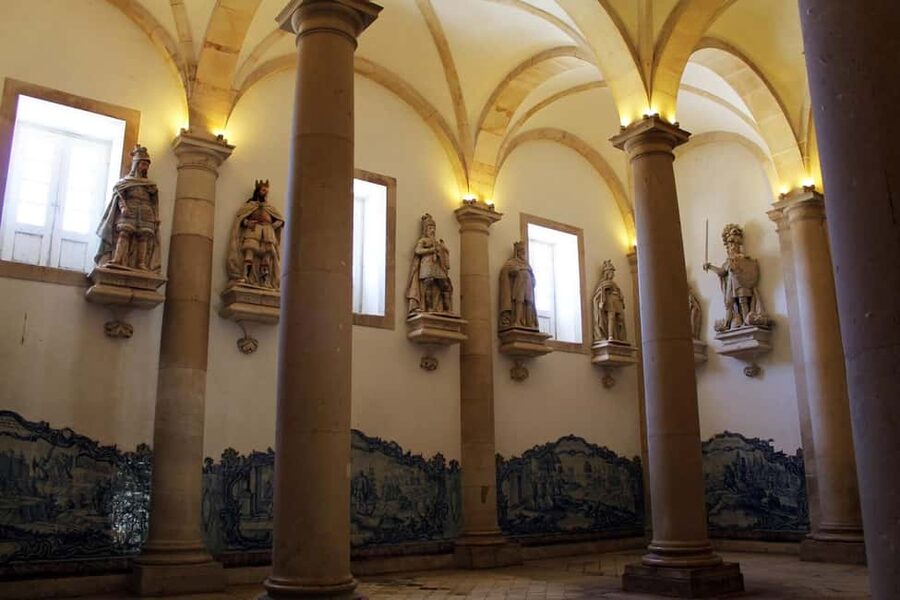
- The old monastery has more than one room worth seeing: Cloisters, courtyards, halls, and the historic kitchen help you picture daily monastic life.
- The guide adds practical local value: J.P. was praised for clear explanations and good nearby advice on food and pastries.
Why Alcobaça works best with a guide
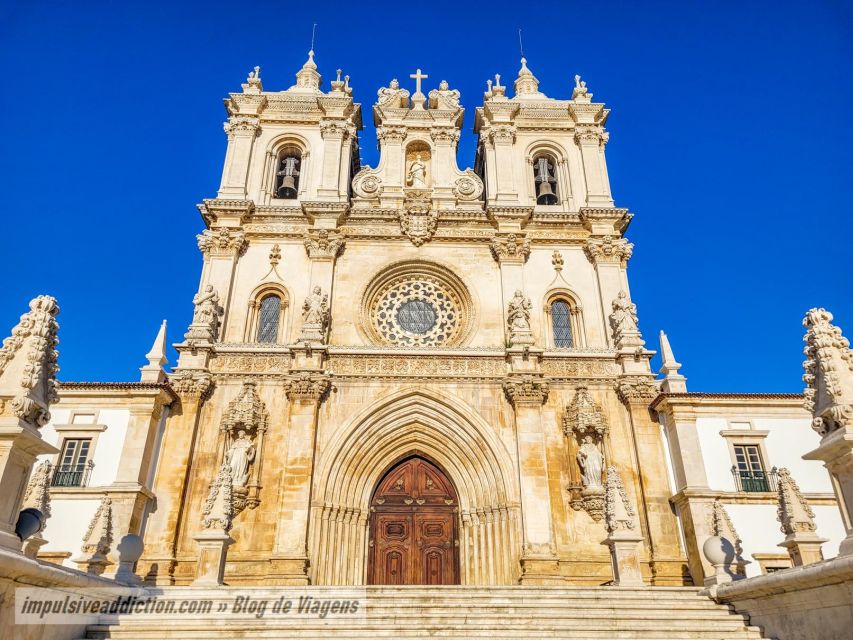
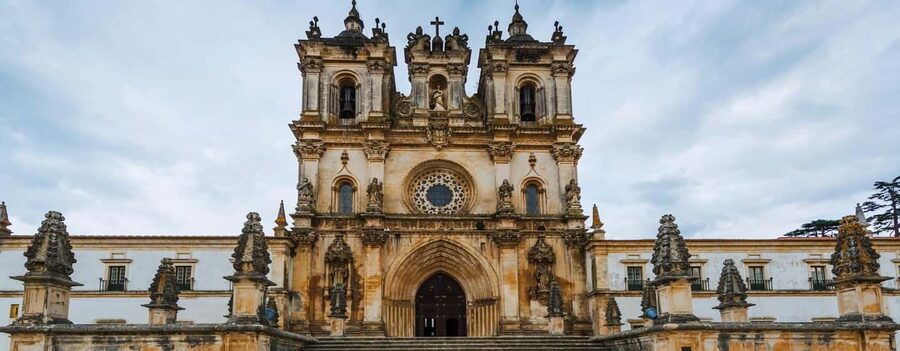
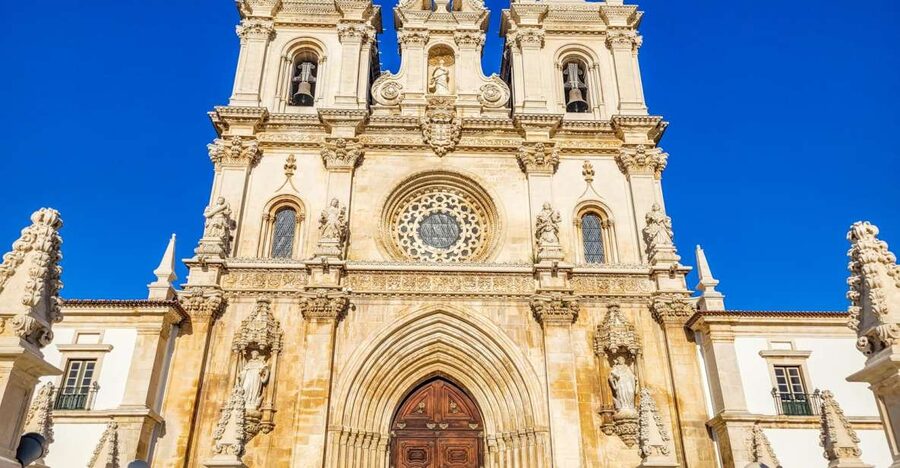
Alcobaça Monastery is not just a large church with an impressive facade. It is a place where religion, royal power, architecture, and a famous love story overlap. Without some explanation, you can admire the scale but miss why the building mattered so much.
This private tour gives you two hours with a live guide in English or Portuguese. That is enough time for a focused visit without turning the monastery into an exhausting full-day lesson. I like this length for a first visit: you get the main story, see the important spaces, and still have time afterward for Alcobaça’s town.
The private format is especially useful if you want to ask questions. You do not have to wait while a large group gathers around a guide, and you can spend more time on the parts that interest you most. If you care about medieval politics, religious orders, royal tombs, or architecture, you can steer the conversation in that direction.
The trade-off is price. At $53 per person, this is not the cheapest way to see the monastery, particularly because admission is extra. You are paying for the guide’s time and the private attention. For one or two people who want context, that can be fair value. If you only want to walk through quickly and read at your own pace, the cost may feel harder to justify.
More Private Temple Tours in Portugal
- Fatima, Valinhos, Nazaré, Óbidos on Private tour
★ 5.0 · 158 reviews - Fátima Private Tour: Shrine| Sacred Path |Shepherds House
★ 5.0 · 81 reviews - Fatima Private Tour: Shrine, Sacred Way & Shepherds’ Hometown
★ 5.0 · 41 reviews
Meeting at Praça 25 de Abril 46
The tour begins at Praça 25 de Abril 46, with the meeting point at the monastery’s main entrance. This is simple, but it does mean you should allow enough time to locate the correct entrance before the scheduled start.
There is no transport included. You make your own way to Alcobaça, then meet the guide at the front of the monument. That arrangement suits visitors already exploring the town or arriving independently. It is less suitable if you are looking for a hotel pickup or a tour that links several sights by vehicle.
The meeting point also makes the experience easy to identify. You are not searching for a separate office or waiting at an unrelated street corner. Still, check the starting time when booking, since the available time slots can vary.
The company provides water, a small but useful touch during a two-hour guided visit. The monastery itself is the focus, so you should not expect a wider tour of the surrounding area as part of the booked time.
The church: grand scale, restrained decoration
The monastery church is likely to be your first major impression. It is enormous, yet the interior is notably sober. That plainness is not an accident or a lack of ambition. It reflects the Cistercian approach to worship, with less emphasis on ornament and more on prayer, discipline, and useful work.
I find this contrast one of the most interesting parts of the visit. The building is large enough to suggest major royal and religious importance, but the decoration does not compete for attention in the way it might in a heavily ornamented church. The result is a powerful sense of space.
The church also contains impressive tombs connected to Pedro and Inês. These give the visit an emotional center. You are not simply looking at old stonework. You are standing near the final resting places of two people whose relationship became part of Portugal’s national story.
A useful detail from the experience is that the church can feel both monumental and bare. If you prefer richly decorated interiors, the simplicity may seem severe. If you enjoy architecture that lets proportion and scale do the work, you will probably appreciate it.
Your guide helps explain why the order that built the church favored this approach. That context matters. A plain interior becomes more meaningful when you understand the values behind it.
Pedro and Inês: a royal love story with a brutal ending
The story of Pedro and Inês is the emotional hook of the tour, and it is easy to see why. Pedro was a prince who loved Inês, but their relationship became a political problem. Inês was brutally assassinated for political reasons.
After Pedro became king, he sought justice. The tale says that the assassins were killed and that their hearts were removed as punishment for breaking his heart. The story also says that Inês was crowned Queen of Portugal after her death.
You should treat the most dramatic details as part of the legend surrounding the couple, not as a simple modern romance. The story combines love, succession, political fear, revenge, and royal ceremony. It helps you see how personal relationships could become matters of state.
The tombs make this account more than an abstract tale. Their placement and design give the story a physical presence inside the church. Your guide can connect the people, the monuments, and the political setting in a way that a quick visit alone may not.
This is one of the strongest reasons to choose the private tour. The Pedro and Inês story is memorable, but it can also become a string of dramatic facts without explanation. A good guide gives the story structure and helps you understand why it still matters at Alcobaça.
Same place, a different morning at the gates:
- Lisbon: Jerónimos Monastery Entrance Ticket
★ 4.1 · 14,164 reviews - Lisbon: Jerónimos Monastery E-Ticket and Audio Guide
★ 3.7 · 660 reviews - Lisbon: Belém Walking Tour with Jerónimos Monastery Ticket
★ 4.9 · 637 reviews - Lisbon: Belem Walking Tour with Jeronimos Monastery Ticket
★ 4.7 · 490 reviews
Cistercian life beyond the tombs
The monastery was one of the largest Cistercian centers in Europe. That fact changes how you look at the complex. You are not visiting only a royal memorial or an impressive church. You are seeing a major religious institution with its own routine, labor, spaces, and influence.
The monks followed the motto Pray and Work. The phrase is short, but it explains much of the monastery’s purpose. Religious life here was not limited to ceremonies. It also involved practical tasks, shared routines, and the running of a large community.
A guided visit can show you how the Cistercians were tied to the development of Portugal. The order was not separate from the country’s political story. Religious centers could support settlement, learning, agriculture, administration, and royal aims. The tour’s focus on this connection gives the monastery a wider meaning.
This section will appeal most to you if you want more than visual sightseeing. The guide can help you connect the building to the people who lived and worked there. Even a plain corridor or functional room becomes easier to picture when you understand the daily pattern behind it.
The supplied information does not promise access to every part of the complex at all times, so you should expect the guide to shape the visit around the available areas. The central point remains the same: the tour explains the monastery as a living institution, not just an old monument.
Cloisters, courtyards, halls, and the old kitchen
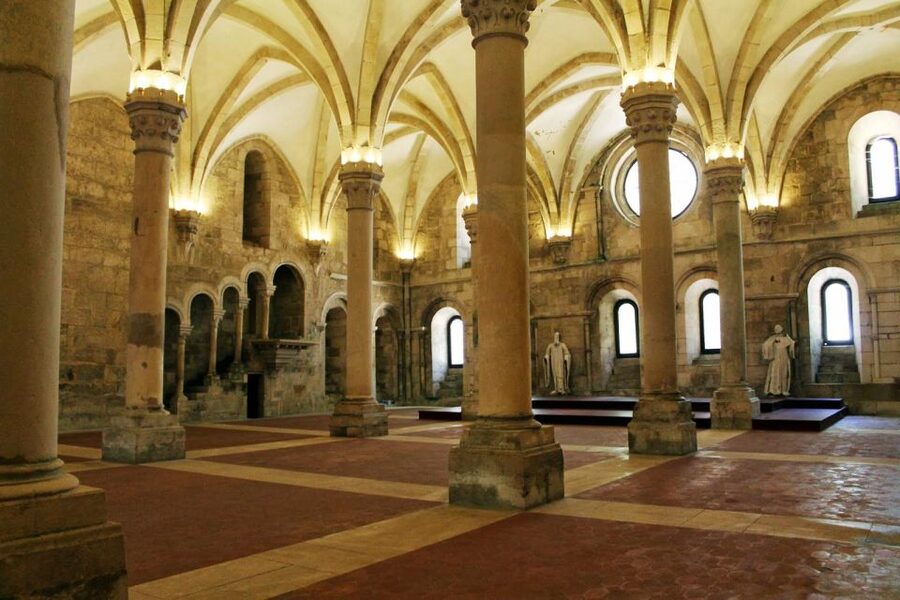
The monastery includes several interior spaces beyond the church. You can expect cloisters, courtyards, halls, and an old kitchen to form part of the guided experience. These areas help balance the grandeur of the church with more practical evidence of monastic life.
The cloisters are especially useful for understanding movement through the complex. They connect religious and everyday spaces, and their repeated forms offer a calmer change after the scale of the church. Courtyards also help you read the monastery as a working place with different zones and functions.
The halls add a sense of institutional scale. They suggest that the monastery served a large community and needed more than worship space. The old kitchen is valuable for the same reason. It pulls the story down from kings and abbots to food, work, and ordinary routines.
I like this mix because it prevents the tour from becoming all royal drama. Pedro and Inês draw you in, but the rooms and corridors show how many people were needed to keep a Cistercian center operating.
One practical point: two hours passes quickly in a complex of this size. You will receive an organized overview rather than an exhaustive examination of every room, object, and architectural detail. If you want to study the monument at length, plan extra independent time after the guided visit, subject to opening conditions and admission.
What the guide adds
The guide is central to the value of this experience. The most specific praise available concerns J.P., who was described as clear, well prepared, friendly, and able to answer questions. That combination matters more than a guide who simply recites dates.
A clear guide helps you follow a complicated story without losing the thread. A friendly manner also makes it easier to ask about details that are not obvious, such as the relationship between the Cistercians and Portugal or the meaning of the royal tombs.
The tour is offered in English and Portuguese. If you book in English, confirm that the selected time has the language you need. The private group format means the explanation can feel more direct than a large scheduled group visit.
Another strong point is the advice offered after the tour. J.P. gave useful tips about nearby food and pastries. That is a welcome addition because the monastery’s religious legacy is only part of Alcobaça’s identity. The experience also points you toward the town’s edible traditions, including pastry and Ginjinha.
Do not book this expecting a full food tour. Food advice is an added benefit, not the main activity. Still, it can help you make better use of your time after the monastery visit.
Pastry, Ginjinha, and the profane legacy
The phrase Pray and Work captures the monks’ religious discipline, but Alcobaça also carries a more earthly legacy. The tour connects the Cistercians with pastry and Ginjinha, a Portuguese cherry liqueur.
This detail gives the visit a touch of humor and makes the monastery feel less remote. Religious institutions influenced daily life in practical ways, including food traditions. After two hours of architecture, tombs, and royal politics, a pastry stop or small taste of local Ginjinha can make a pleasant follow-up.
The tour does not include a meal, tasting, or pastry stop in the stated price. You should treat these references as useful local pointers rather than included activities. This is where the guide’s nearby recommendations can be helpful.
Is $53 a fair price?
The $53 per-person price is easiest to justify when you value interpretation and private attention. You receive a two-hour guided visit, a live guide in English or Portuguese, water, and the chance to ask questions without being part of a large group.
Admission to the Monastery of Alcobaça is extra, so include that in your total budget. This is the main cost issue and the clearest point to consider before booking.
For a couple or small private party with a strong interest in history and architecture, the price can be reasonable. The guide turns a large, complex monument into a coherent visit and may save you from missing the meaning behind the church, tombs, and monastic rooms.
For a solo visitor on a tight budget, the price may feel high once the entrance ticket is added. You may prefer to enter independently and spend your money on another activity. The private option makes the most sense when you want conversation, questions, and a carefully explained visit.
Free cancellation up to 24 hours before the tour and the option to reserve now and pay later make planning less risky. Check the available start times before committing, especially if you are fitting Alcobaça between other stops.
Who should book this private visit?
I would choose this tour if you want Alcobaça to make sense rather than simply look impressive. It suits people interested in royal stories, medieval Portugal, Cistercian life, religious architecture, and local traditions.
It is also a good fit if you prefer a private group and want to ask questions. The two-hour duration works well for a focused cultural stop, especially if you have other plans in the area.
You may want to skip it if you only want a quick look inside the church, dislike guided visits, or are trying to keep admission and sightseeing costs as low as possible. The ticket is not included, and the tour’s value depends heavily on how much you want explanation.
Should you book the Alcobaça Monastery private tour?
Book it if the story of Pedro and Inês catches your attention, or if you want to understand why this Cistercian center mattered to Portugal. The private setting, strong guide feedback for J.P., clear explanations, and helpful food advice give the visit more value than a basic walk through the church.
I would be more cautious if you are traveling alone on a strict budget. Add the monastery ticket to the $53 fee, then decide if personal guiding is worth the extra cost.
For most visitors who enjoy history but do not want a long lecture, this is a well-sized and useful introduction. You leave with the royal love story, the Cistercian connection, a sense of monastic routine, and a few ideas for what to eat nearby.
FAQ
How long is the Alcobaça Monastery private tour?
The guided visit lasts two hours.
How much does the tour cost?
The stated price is $53 per person.
Is the Monastery of Alcobaça entrance ticket included?
No. The ticket to the Monastery of Alcobaça is not included.
Where does the tour meet?
The meeting point is the main entrance of the Monastery of Alcobaça. The starting location is Praça 25 de Abril 46.
Is this a private group tour?
Yes. The activity is arranged for a private group.
Which languages are available?
The live tour guide is available in English and Portuguese.
Is water included?
Yes. Water is included in the experience.
Can I cancel for a full refund?
Yes. You can cancel up to 24 hours in advance for a full refund.
Do I need to pay when I book?
You can reserve now and pay later, so no payment is required at the time of booking under that option.
What does the tour cover?
The tour covers the story of Pedro and Inês, the Cistercian role in Portugal, the monastery’s history and daily life, and the monastery complex during a two-hour guided visit.
Just added around Portugal
- Belém: Jeronimos Monastery, Tickets and Guided tour★ 4.9 · 30 reviews
- Lisbon: Tour of Belem and Jerónimos Monastery★ 3.2 · 5 reviews
- Lisbon: Belém Private Walking Tour & Jerónimos Monastery★ 4.5 · 83 reviews
- Lisbon: Skip-the-line Jerónimos Monastery Tour with Tickets★ 5.0 · 4 reviews
- From Lisbon: Évora, Chapel of Bones, & Roman Temple Tour★ 5.0 · 8 reviews
- From Lisbon: Fátima Sanctuary and Batalha Monastery (UNESCO)★ 5.0 · 5 reviews
- Lisbon: Belem Tour with Pastéis at Jerónimos Monastery★ 4.7 · 96 reviews
- Between Life & Death: Roman Temple, Cathedral & Bone Chapel★ 4.9 · 6 reviews
Private Temple Tours, compared.

Waterfalls, Water Temple & Rice Terraces Private Tour
Read our review →
Montserrat Monastery Small Group or Private Tour Hotel pick-up
Read our review →
Full-Day Angkor Wat Sunrise Private Tour with Guide from Siem Reap
Read our review →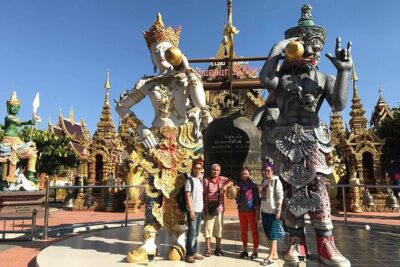
Chiang Rai Temples: Private Tour from Chiang Mai
Read our review →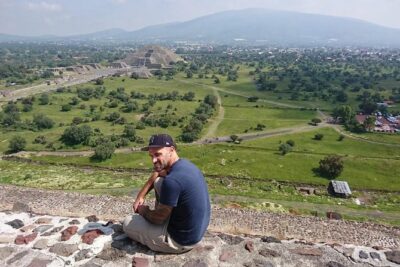
Private Tour: Teotihuacan and Guadalupe Shrine
Read our review →
Grand Palace, Wat Pho, and Wat Arun Private Tour
Read our review →
Ephesus and Temple of Artemis Private Tour from Kusadasi Port
Read our review →
Browse the lists this tour appears in