
Review · CHINA
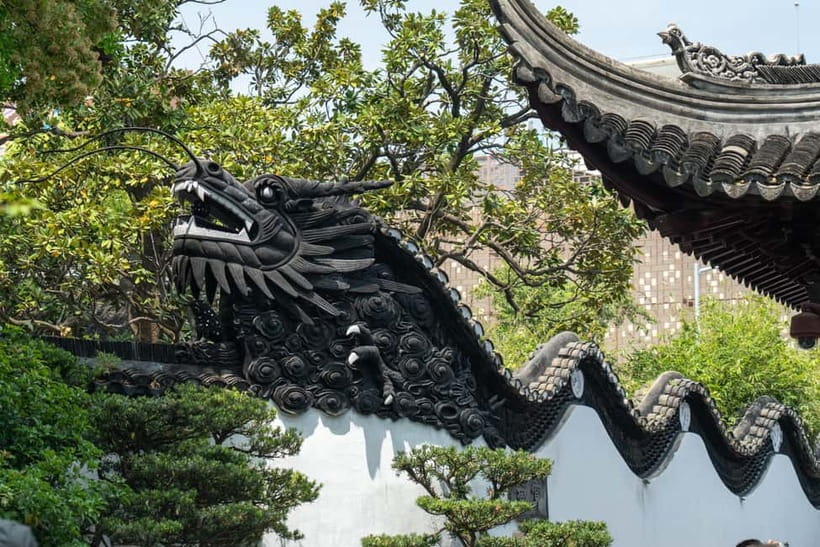
Shanghai: Yuyuan, City God Temple Old City Tour-Tip Based
Shanghai’s old heart still feels wonderfully human. This two-hour small-group walk links Yuyuan Old Street, the City God Temple, traditional medicine, garden views, and local shopping in one compact outing. I like the clear focus on everyday culture, and I like that guide Jie adds personal travel advice rather than simply reciting dates. The main consideration is pace: several stops are packed into two hours, and the route is not suitable for people with mobility impairments.
The tip-based price of $2.36 makes this an easy way to get your bearings before exploring Shanghai on your own. Just remember that it is a walking tour, not a full guided visit to every corner of Yuyuan Garden, and some sights may feel quick if you want lots of time for photographs or browsing.
Key points at a glance
- Chinese zodiac stories: See the 12 zodiac animals in distinctive costumes and learn how they connect with Chinese culture.
- Taoism in a working temple area: The City God Temple offers a useful introduction to Taoist ritual, folk religion, gods, wishes, and celebrations.
- Traditional medicine stop: Visit Tonghan Chuntang, a Chinese medicine shop where you can sample the king of herbs.
- Classic Yuyuan scenery: Walk across the 9 Zig-Zag Bridge and see the Mid-Lake Pavilion and Lake Pavilion Tea House.
- Small group, English guide: The group is limited to 10 people, with English guiding and time for questions.
- Local advice beyond sightseeing: Guide Jie is praised for clear English, warmth, cultural insight, and practical Shanghai tips.
Why this short walk works in Shanghai
Shanghai can feel huge on a first visit. The metro is fast, the streets are dense, and the old quarter can seem like a maze of gates, shops, temple roofs, food stalls, and apartment lanes. This walk gives you a useful first frame for the city.
You begin at Yuyuan Garden metro station Exit 1, served by Lines 10 and 14. Look for the red umbrella. That detail matters because the area has several entrances, busy streets, and similar-looking signs. If you take a taxi, show the driver the Chinese address for Yuyuan Garden Exit 1: 豫园(1号出口), Shanghai, Huangpu District.
The group is capped at 10 people. That is small enough for questions and photographs without the guide having to shout across a crowd. The experience is led in English, and the strongest praise goes to Jie, whose clear explanations and easy manner help turn temple customs and local stories into something approachable.
I would think of this as an orientation walk with cultural depth. You will not get a long, slow visit at every stop. Instead, you get a connected story about Shanghai’s old city, its religious traditions, its garden design, its shops, and the way local life has changed.
A few more temple visits around China worth a look
- Mini Group Xian Day Tour to Terracotta Army, City Wall, Pagoda and Muslim Bazaar
★ 5.0 · 1,320 reviews - Beijing: The Temple of Heaven or Summer Palace Entry Ticket
★ 4.6 · 1,286 reviews - Beijing Classic Full-Day Tour including the Forbidden City, Tiananmen Square, Summer Palace and Temple of Heaven
★ 4.0 · 610 reviews
Yuyuan Old Street and the changing old city
The first substantial stop is Yuyuan Old Street, where the guide spends about 30 minutes. This is a smart place to begin because it brings together architecture, commerce, food, and the remains of older residential life.
The tour explains how living spaces in Shanghai changed over time. That subject helps you look past the shop fronts. You may notice how traditional areas now sit beside newer commercial spaces, and how the old city remains a place of daily activity rather than a preserved museum set.
The old street can be busy. That is part of its appeal, but it also means you should keep your belongings secure and stay aware when the group moves through crowded areas. You may want to take photographs, yet the short schedule means you should avoid stopping too long unless the guide gives the group time.
One appealing detail here is the introduction to the 12 Chinese zodiac animals. Each animal appears in its own costume, and the guide connects the signs with Chinese customs and personal identity. You can ask about your own zodiac animal and those of family or friends, which gives the opening section a friendly, social feel.
This is also where the tour begins to show its balance. You see a polished visitor area, but the subject is not limited to pretty roofs and souvenir stalls. The focus on homes, customs, and local use gives the old city more meaning.
Tonghan Chuntang and the taste of Chinese medicine
The 20-minute stop at Tonghan Chuntang introduces traditional Chinese medicine in a practical way. Rather than only hearing about old remedies, you visit a traditional medicine shop and sample the king of herbs.
The name of the herb is not specified in the tour details, so I would not book this expecting a particular product or a medical consultation. The value is the chance to see how traditional medicine fits into Chinese cultural life and commercial practice.
This is a good moment to ask questions. You can learn how the shop presents medicinal herbs, why certain ingredients carry special status, and how traditional beliefs differ from Western ideas about treatment. The experience is cultural rather than clinical, so you should not treat the sampling as medical advice.
Some descriptions of the tour praise the explanation of Chinese medicine as one of the most memorable parts. I can see why. A medicine shop gives you a different view of China from the usual temple and garden route, and it connects belief with daily habits.
You may want to check with the guide before tasting anything if you have allergies or dietary concerns. The available information confirms a sample, but it does not identify the herb or explain ingredients.
City God Temple and the beliefs behind the rituals
The longest stop is the City God Temple of Shanghai, with about 40 minutes of guiding. This is the core of the experience.
The guide explains Taoism, Chinese folk religion, common beliefs, important gods, rituals, wishes, and celebrations. That context is valuable because temple spaces can be easy to misread. A visitor may see incense, statues, offerings, and people making wishes without understanding how those actions fit together.
The tour does not treat Taoism as a set of decorative symbols. It introduces the traditions as part of ordinary religious and cultural life. You will hear about the role of the City God and the ways local people connect worship with protection, good fortune, family hopes, and community customs.
You may also have the chance to make a wish. That small act can make the visit feel more personal, although you should approach it respectfully and follow the guide’s instructions. This is an active place of worship, not merely a photo stop.
The temple area can feel crowded and commercial around the edges. That is worth knowing before you arrive. If you want silence and empty courtyards, this is not the right expectation. If you want to understand how religion, tourism, commerce, and local custom overlap in Shanghai, the setting is much more revealing.
Guide Jie receives especially warm praise for making the temple understandable and engaging. Her background in visiting different cultures also helps her explain Chinese customs to an international group. That matters at a religious site, where a literal translation of names and rituals is rarely enough.
Same place, a different morning at the gates:
- Temple of Heaven Ticket
★ 5.0 · 482 reviews - Temple Heaven, Lama Temple, Summer Palace & Peking Duck Bus Tour
★ 5.0 · 377 reviews - Best of Shanghai Day Tour, including Jade Buddha Temple & Bund & Yuyuan Garden
★ 4.0 · 338 reviews - Temple Heaven, Summer Palace, Lama Temple, Hutong Bus Tour
★ 4.7 · 319 reviews
The 9 Zig-Zag Bridge and Mid-Lake Pavilion
The walk continues through the garden area, including the 9 Zig-Zag Bridge and the Mid-Lake Pavilion. These are the picture-postcard moments, but they are not included only for decoration.
The bridge’s turns slow your movement and change your view at each angle. In Chinese garden design, a winding path can make a compact space feel larger and less direct. Even during a short visit, you can see how water, stone, pavilions, and framed views work together.
The Mid-Lake Pavilion provides another classic view across the water. You will likely want photographs here, but remember that the route has a schedule. The guide may explain the design and history while the group moves through the area rather than giving you a long free period.
The stop is described as taking place around the Lake Pavilion Tea House, with about 20 minutes of guiding. Tea house access and a tea service are not listed as included, so you should not assume that the price covers a drink. The name signals the setting, not necessarily a tasting session.
I like this section because it gives the tour a visual pause after the temple. The old streets and religious buildings can feel busy. Water and garden views offer a calmer change of pace before the final market and park sections.
Yuyuan Garden Smallware and local craftsmanship
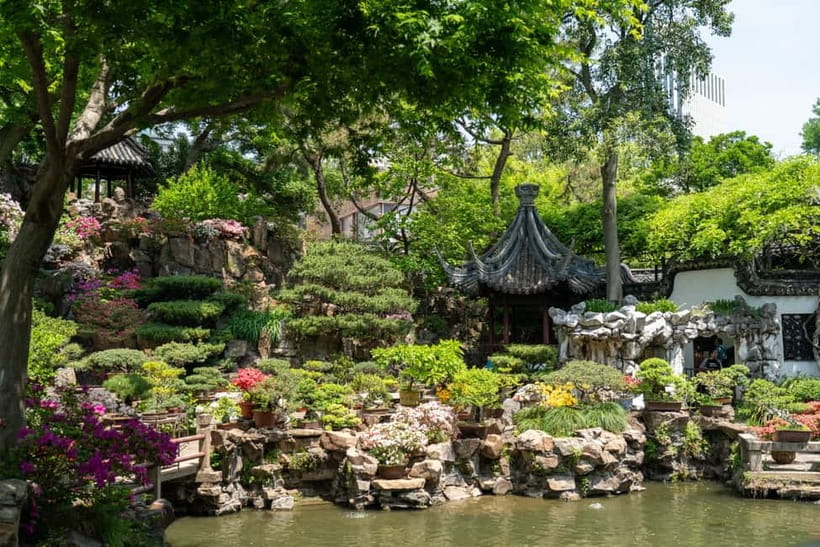
The next 20-minute section visits Yuyuan Garden Smallware, a small product market where you can browse local goods and see examples of craftsmanship.
This is not presented as a major shopping trip, and that is useful to know. You get a short look at the kinds of objects sold around the old city, with the guide helping you understand the local setting. You can browse without building the whole afternoon around purchases.
The market can be a good place to notice the contrast between traditional designs and modern tourist commerce. If you see something you want, check prices carefully and do not feel pressured to buy. The experience is tip-based, but purchases at the market are separate.
I would place this stop in the category of look, ask, and decide. It adds a local retail angle to the temple and garden visits, but shoppers who want a long market session will need extra time after the tour.
The small group helps here. With no more than 10 participants, you have a better chance of asking what an item is used for or how it relates to Shanghai culture. Still, the 20-minute window is short, so keep your browsing realistic.
Ancient City Park provides a quieter finish
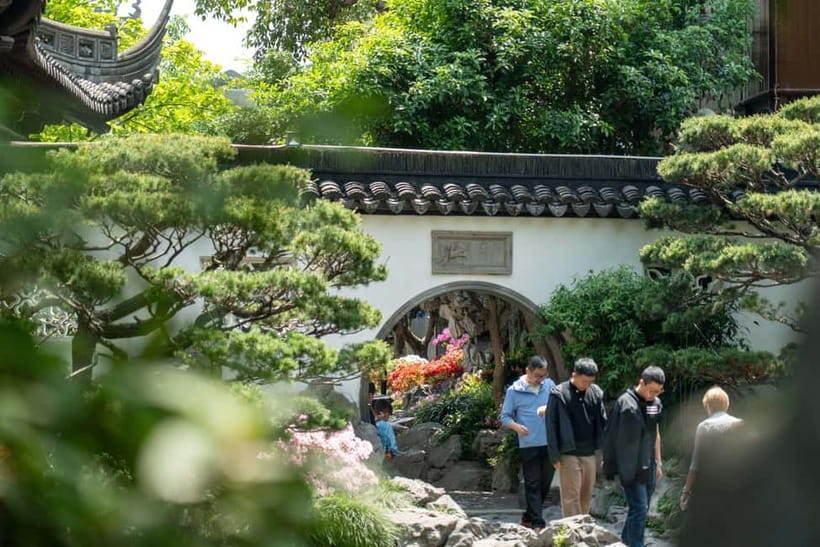
The walk ends at Shanghai Ancient City Park, where ancient relics meet a peaceful setting. This is a sensible finish because it gives the group a chance to slow down after the crowded old streets, temple area, and market.
The park is not just a green ending. It links the present city with traces of the old settlement, helping you think about how Shanghai has changed. The tour’s main theme is that movement between past and present, from changing homes to living religion and modern commerce.
Ending here also gives you a useful point from which to continue exploring. The guide provides personal recommendations and travel tips, so this is a good time to ask about food, nearby sights, or how to use the rest of your day. The exact recommendations will depend on your interests, but the tour is designed to include that practical exchange.
The final stop is relatively calm compared with the start. If you prefer a tour that ends near a major attraction or transport hub, note that the advertised finish is Ancient City Park rather than the starting metro exit.
What the $2.36 price really means
At $2.36 per person, this is an unusually inexpensive way to receive two hours of live English guidance in central Shanghai. The value is strongest if you want context, a route through several related sights, and a chance to ask questions without paying for a private guide.
The price is tip-based, so the listed amount should be understood as a very low booking price rather than the entire expression of value. If Jie gives you the warm, detailed service described by past participants, you should budget for a tip that reflects your satisfaction.
The tour includes group photos at attractive landmarks, cultural explanations, and travel advice. It does not list meals, tea, shopping purchases, or separate admission charges as included. Read the experience as a guided walk, not an all-inclusive attraction ticket.
The two-hour length is also part of the value. You can fit it into a busy Shanghai schedule, perhaps on your first day when you want orientation, or before spending more time in the Yuyuan area on your own. One account describes a longer experience of about three hours, but the stated duration is two hours, so plan around two hours and allow extra time only if your schedule is flexible.
Who should book this walk?
I would recommend it most to first-time visitors who want an introduction to Shanghai beyond skyscrapers and shopping malls. It also suits people interested in Taoism, folk religion, Chinese medicine, garden design, local markets, and the stories behind familiar tourist sights.
The small group and English guiding are helpful if you like asking questions. The tour also suits solo visitors who want a friendly social setting. One of its strongest qualities is the relaxed group atmosphere, with plenty of conversation and laughter reported during the walk.
You should think twice if you have mobility limitations. The route involves walking through old streets, temple areas, bridges, markets, and a park, and the experience is specifically not suitable for people with mobility impairments. Wear comfortable shoes and keep personal belongings secure.
This may not be your best choice if you want a private tour, a slow photography session, a long tea ceremony, or detailed access to every part of Yuyuan Garden. It is better for a broad, well-paced introduction.
Free cancellation is available up to 24 hours before the start, and you can reserve now while paying later. Those policies make it easier to fit the walk around a changing Shanghai schedule.
Should you book it?
Book this tour if you want friendly cultural guidance at a very low upfront price, especially if you are curious about the City God Temple, Taoist customs, Chinese medicine, and the old city’s changing neighborhoods. The strongest reason to choose it is the guide-led explanation, particularly with Jie, rather than the simple act of walking through Yuyuan.
Skip it if you need step-free access, a private pace, or a full-length garden tour. For most able walkers with two hours to spare, this is a useful and personable way to make sense of one of Shanghai’s most layered districts.
FAQ
Where does the tour meet?
Meet at Yuyuan Garden metro station Exit 1, also written as 豫园站1号口, in Shanghai’s Huangpu District. Look for the red umbrella.
Which metro lines reach the meeting point?
Yuyuan Garden station is served by Metro Lines 10 and 14.
How long does the tour last?
The stated duration is two hours. Starting times depend on availability.
What language is the tour conducted in?
The live tour guide speaks English.
How many people are in the group?
The group is limited to 10 participants.
Is the tour suitable for people with mobility impairments?
No. The experience is not suitable for people with mobility impairments. Comfortable walking shoes are recommended.
Is smoking allowed?
No. Smoking is not allowed during the activity.
Can I cancel for a refund?
Yes. You can cancel up to 24 hours in advance for a full refund. You can also reserve now and pay later.
Just added around China
- 2-Day Private Tour of Leshan Grand Buddha and Emei Shan including Monastery Stay★ 4.5 · 8 reviews
- Temple of Heaven Admission Ticket★ 4.0 · 36 reviews
- 3-Hour Private Tour: Temple of Heaven and Lama Temple★ 5.0 · 3 reviews
- Temple of Heaven Morning Walking Tour with Ticket★ 5.0 · 7 reviews
- Small Group Beijing Temple of heaven and Summer Palace with Pearl market★ 5.0 · 3 reviews
- Full-Day Beijing Forbidden City, Temple of Heaven and Summer Palace Tour★ 4.5 · 40 reviews
- Summer Palace and Temple Of Heaven Private Tour★ 5.0 · 9 reviews
- Private Day Trip of Forbidden City, Temple of Heaven and Summer Palace★ 4.5 · 3 reviews
China Temple Tours, compared.
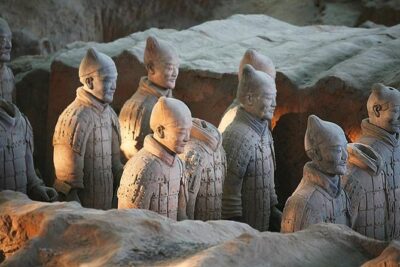
Mini Group Xian Day Tour to Terracotta Army, City Wall, Pagoda and Muslim Bazaar
Read our review →
The Temple of Heaven or Summer Palace Entry Ticket
Read our review →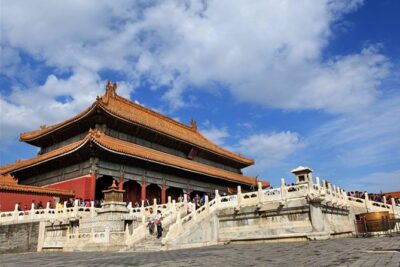
Beijing Classic Full-Day Tour including the Forbidden City, Tiananmen Square, Summer Palace and Temple of Heaven
Read our review →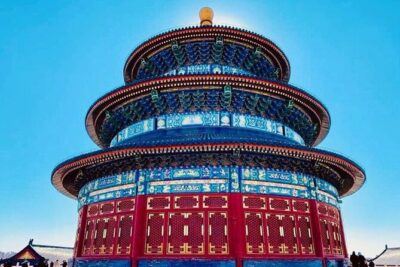
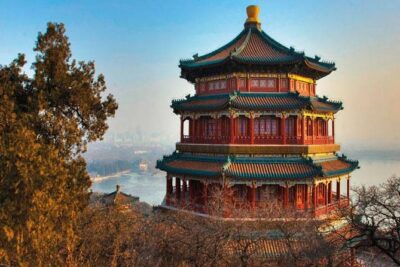
Temple Heaven, Lama Temple, Summer Palace & Peking Duck Bus Tour
Read our review →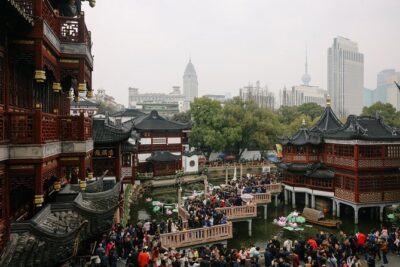
Best of Shanghai Day Tour, including Jade Buddha Temple & Bund & Yuyuan Garden
Read our review →
Temple Heaven, Summer Palace, Lama Temple, Hutong Bus Tour
Read our review →
Browse the lists this tour appears in