Review · YOGYAKARTA
Selogriyo Temple and Trekking Java Rice Terraces, hidden waterfall -Nature Java
Trade city noise for rice-field quiet. This 10-hour trip from Yogyakarta takes you into Central Java for a walk through farm terraces, a visit to the peaceful 9th-century Selogriyo Temple, and a stop at Kedung Kayang Waterfall below Mount Merapi. I especially like the small maximum group of 10 and the chance to see ordinary village life rather than spending another day at Borobudur or Prambanan.
The best parts are the quiet countryside and the friendly guides. Guides such as Arma, Didik, Sigit, Dani, and Maksi have been praised for sharing local knowledge, taking photos, and adjusting the pace. The main caution is that this is a long day with substantial driving, and the waterfall path can be wet, muddy, and tiring on the climb back.
What makes this day trip worth your time
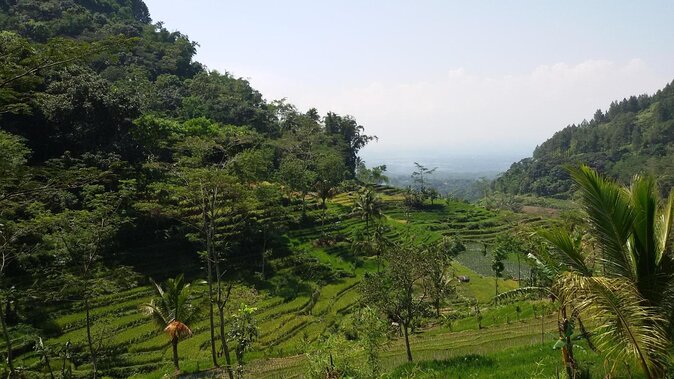
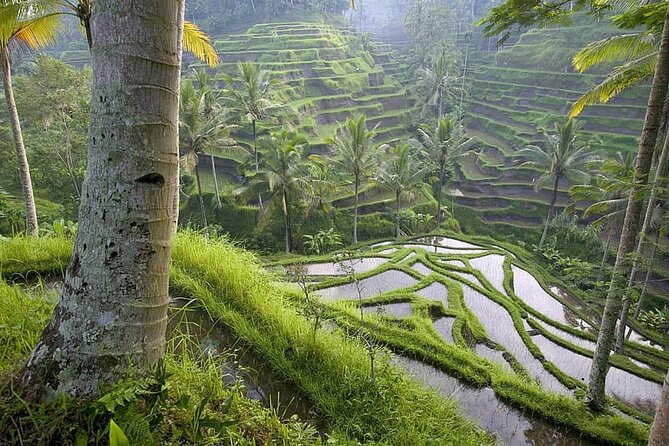
- Rice terraces around Selogriyo: Walk past paddies, vegetable plots, coffee, banana, papaya, cassava, beans, and corn.
- A quiet Hindu temple: Selogriyo is a small 9th-century sanctuary in a remote setting, with far fewer people than Yogyakarta’s major monuments.
- Coffee with a view: Local coffee and fried banana can add a memorable break beside the fields.
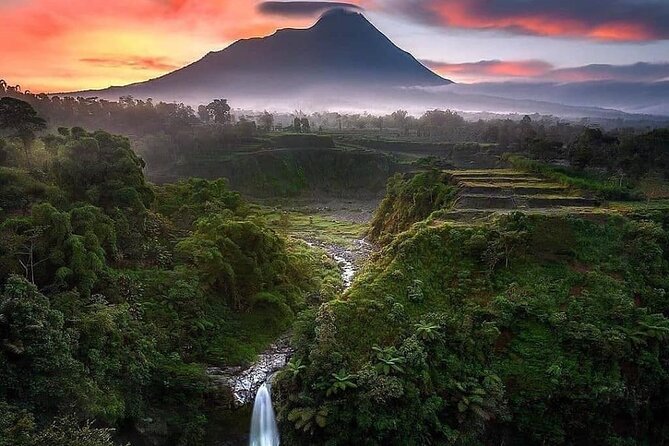
- Kedung Kayang Waterfall: See a strong cascade at the foot of Mount Merapi, with platforms and viewpoints for photographs.
- Helpful personal service: Guides may stop for local fruit, recommend lunch, explain farming, and take pictures for you.
- Good value at $55: Transport, admission, parking, taxes, and an air-conditioned vehicle are included, while lunch is extra.
Leaving Yogyakarta for Central Java’s farm country

The tour includes pickup from a Yogyakarta city hotel and round-trip transport in an air-conditioned vehicle. The advertised duration is about 10 hours, while one detailed account described a day running roughly from 8 a.m. to 5 p.m. That is a useful guide, though traffic and your pickup point can affect the schedule.
The road out of Yogyakarta is part of the experience. You pass from the city toward Magelang, where the views open into fields, villages, and volcanic foothills. One important practical point is distance: the two main stops are not next door to one another, and traffic can make some driving stretches last more than an hour and a half.
That sounds like a drawback, and it is if you want a packed sightseeing schedule. I see it differently for this particular outing. The purpose is to slow down, look through the car window, and spend time in rural Central Java. The vehicle gives your legs a break between walks, and the guide can point out farming areas and village life along the way.
The small-group format helps. With no more than 10 people, you are not being herded from one photo stop to another. Several people have had only one or two companions on the day, while others joined a larger small group. Either way, the size allows more conversation with the guide and makes it easier to stop for a photo or short rest.
More Temple and Waterfall Tours in Indonesia
- Yogyakarta: Selogriyo Temple, Rice Terraces & Waterfall Tour
★ 5.0 · 46 reviews - Borobudur Temple, Waterfall & Kalibiru National Park Trip
★ 4.8 · 24 reviews - Ubud: Waterfalls, Water Temple & Rice Terraces Private Tour
★ 5.0 · 5,484 reviews
Walking the rice terraces to Selogriyo Temple
The first main outing is a walk through the Selogriyo rice terraces. The path is described as steady and generally well maintained, with the steeper work saved for the final steps toward the temple. This is not a technical hike, but you should still be comfortable walking for a few hours on uneven rural paths.
The scenery is the real prize. Depending on the season, you may see rice, beans, corn, vegetables, coffee plants, banana trees, papaya, and cassava. One particularly memorable account described coffee trees in bloom and the scent drifting along the path. That sort of detail is what makes this walk more than a pretty viewpoint.
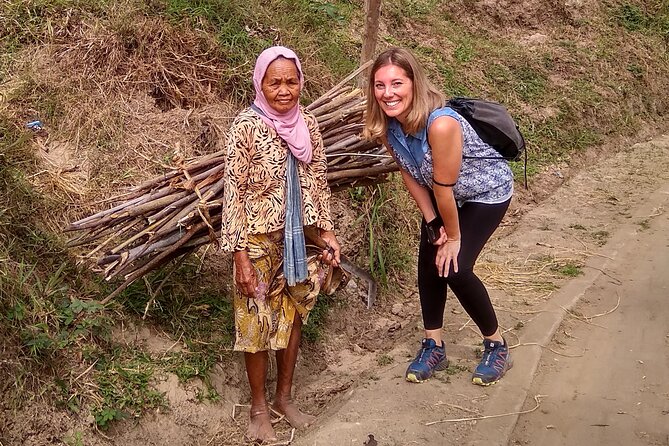
The terraces give you a close look at how food is grown on Java’s volcanic slopes. You are not simply looking at fields from a bus window. You walk beside them, meet local people, and see small gardens and farm work at close range. Guides often explain the local crops and the way the area supports village life.
The route also gives you changing views across the hills. On a clear day, you might catch Mount Merapi or other volcanoes in the distance, though clouds can cover the peaks. Bring patience. Mountain views in Java are weather-dependent, and a cloud bank is part of the normal scene, not a tour failure.
Sun protection matters here. The route can be exposed, so bring a hat, sunglasses, and sunscreen. Comfortable walking shoes are the sensible choice. The tour is described as suitable for most people, but the combination of a long day, warm weather, uneven paths, and the later waterfall walk means it is not ideal if you want a completely effortless outing.
Selogriyo Temple, small in scale and strong in atmosphere
Selogriyo is a 9th-century Hindu temple in the Magelang area, near the base of Mount Sumbing and between the Giyanti and Condong ridges. Its setting is as important as the structure itself. The temple sits among gardens and mountain greenery, far from the noise of Yogyakarta’s busiest monuments.
Do not expect another Borobudur. Selogriyo is much smaller, and its appeal comes from quiet, setting, and the walk required to reach it. The temple’s structure is distinctive, but the surrounding hills and the feeling of being in a lived-in rural area are what give the stop its character.
The site is usually calm, with only a few small groups present at times. That makes it easier to pause, look closely, and enjoy the religious setting without a crowd pressing behind you. A guide can add useful context about the temple and the surrounding villages, especially if you ask questions.
One honest note: the temple itself will not impress everyone. One person found the rice fields and waterfall much more memorable than the shrine. I think that is a fair assessment. If your main interest is grand architecture, Selogriyo may feel modest. If you like quiet places reached by a country walk, it fits the day perfectly.
The walk back provides another pleasant moment. Guides may stop for coffee or tea, and the local Selogriyo Coffee shop has received warm praise for both its drink and its view. Fried banana has also been part of the break. These simple stops are valuable because they connect the temple visit to local produce rather than treating the site as an isolated monument.
A local lunch break in Magelang
Lunch is not included, so budget separately for it. The guide can recommend a local restaurant, and several people appreciated being introduced to food they might not have found alone.
A dish worth asking about is kupat tahu, a Magelang specialty made with tofu and rice cakes in a savory coconut-sugar sauce. It is a modest local meal, not a formal dining experience, and that suits this tour. You are taking a break between walks, not booking a culinary tasting menu.
Food timing may vary. The day has enough flexibility for coffee, lunch, and time at the main stops, but traffic and walking speed can change the schedule. If you need a highly fixed lunch hour, tell the guide early. Carrying water and a small snack is also sensible, although the provided details do not specify food or drinks beyond what you purchase yourself.
More Rice Terrace and Temple Tours in Yogyakarta:
- Ubud: Monkey Forest, Jungle Swing, Rice Terrace, and Water Temple
★ 5.0 · 7,160 reviews - Full-Day Tour to Water Temples and UNESCO Rice Terraces in Bali
★ 5.0 · 2,539 reviews - Ubud: Monkey Forest, Water Temple, Rice Terrace, Waterfall
★ 5.0 · 538 reviews - Ubud Top Attractions: Waterfalls, Temples and Rice Terraces
★ 5.0 · 460 reviews
Kedung Kayang Waterfall beneath Mount Merapi
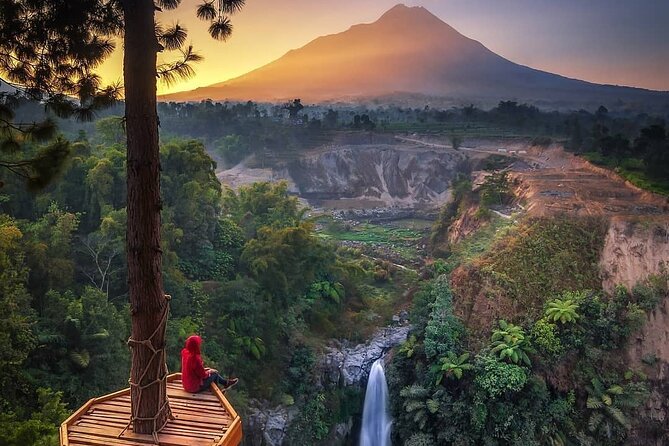
The second major stop is Kedung Kayang Waterfall, at the foot of Mount Merapi. The combination of falling water and a volcano backdrop gives this stop its strongest visual moment. There are viewpoints and photo platforms, and the guide may help you find good angles.
You can approach the waterfall from above, and people who continue down may get close to the rushing water. The route includes shallow stream crossings and a wet or muddy trail. At the bottom, the air feels fresh, the water is described as clean, and flowers grow around the area.
This is where the tour demands the most care. Wear shoes that can handle water, or bring sandals for the stream crossings. Shorts, a towel, and a change of clothes can make the visit much easier. The walk down may feel simple, but the return climb requires a fair level of fitness. People in their 60s have completed the outing, though some found parts challenging.
Conditions at the waterfall can change with local holidays. It may be peaceful, or it may attract Indonesian visitors enjoying a day off. One account also noted some litter near the waterfall. Pack out everything you bring, and do not expect a perfectly managed nature site.
The best photographs may come from above, where you can frame the waterfall against Merapi, but the lower route gives you the stronger sense of being close to the water. You do not have to go all the way down if the trail looks too wet or steep. Ask your guide about conditions before committing.
Guides make a real difference
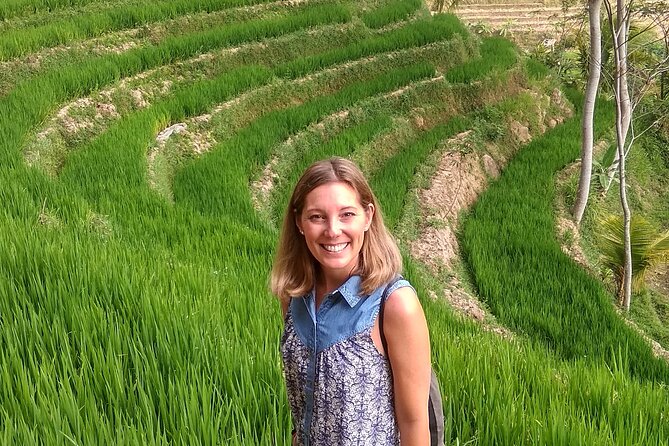
The repeated strength of this experience is the guide service. Arma has been praised for his patience, regional knowledge, and friendly manner. Didik has been described as punctual, a safe driver, a good photographer, and someone who knows local food and village routes. Sigit has received praise for his warmth and explanations, while Dani was appreciated for bringing local fruit into the conversation and never rushing the day.
Maksi was especially helpful to one person who was feeling unwell, stopping at a pharmacy and checking on comfort throughout the outing. Thomas was praised for being entertaining and for taking waterfall photographs. These details matter because a rural day trip depends heavily on the person behind the wheel and on the trail.
The guide is not just there to point at a temple. You may learn about crops, local coffee, village customs, farming, and the area’s religious past. Guides can also adjust the pace, carry chairs, suggest lunch, and take photographs. The exact experience will depend on who leads your day, but the provider has several guides with strong feedback.
There is one serious blemish in the record: one booking was delayed and then canceled on the day, forcing the person to make other plans. It appears to be an exception among many positive accounts, but it is still worth noting. Confirm your pickup details in advance, especially if you have a tight schedule afterward.
Is $55 good value?
At $55 per person, the price is strong for a full day from Yogyakarta. You get hotel pickup, an air-conditioned vehicle, round-trip transport, entrance fees, parking, and taxes. For a private car alone, transport over these distances can take a large share of a day’s budget.
You still pay for lunch, coffee, and personal purchases. Those extras are not a problem because they allow you to choose a local meal and decide how much to spend. The bigger value is time: you get a full countryside outing without arranging several drivers, entrances, and rural directions yourself.
The tour is also less expensive in spirit than the major temple circuit. You trade famous monuments for a quieter and more personal day. That is not a replacement for Borobudur or Prambanan, but it is a good addition if you have already seen them or want a different side of Java.
Free cancellation is available up to 24 hours before the start time for a full refund. Changes made inside that window are not accepted, and poor weather can lead to a new date or full refund. Since the walks depend on safe conditions, this policy is useful.
Who should book this experience?
I would choose this tour if you want countryside, walking, local conversation, and a slower day away from Yogyakarta. It suits people who enjoy views, village roads, modest historical sites, coffee breaks, and a waterfall reached by foot.
It is a good fit for solo visitors too. The small group gives you company without the feel of a large coach excursion. Couples and older walkers can enjoy it as long as they are comfortable with the temple path and decide carefully how far to descend at the waterfall.
I would hesitate if you dislike long road journeys, wet trails, changing weather, or unplanned pauses. It is also not the right pick if your main goal is impressive temple architecture. Selogriyo is peaceful and atmospheric, but it is not a vast monument.
FAQ
How long is the Selogriyo Temple and waterfall tour?
The tour lasts approximately 10 hours. One detailed account described a day from about 8 a.m. to 5 p.m., though the exact timing can change with pickup location, traffic, weather, and walking pace.
What is included in the price?
The price includes an air-conditioned vehicle, round-trip hotel transfers from Yogyakarta city hotels, admission fees, parking, taxes, and the small-group tour service.
Is lunch included?
No. Lunch is not included. Guides can recommend a local restaurant, and kupat tahu, a Magelang dish made with tofu and rice cakes, is one local option mentioned for the area.
How large is the group?
The maximum group size is 10 people. Some days may have fewer participants.
How difficult is the walking?
The rice terrace path is generally steady and well maintained, with a steeper section near the temple. The waterfall route can include shallow water, wet or muddy ground, and a tiring climb back if you go all the way down.
What should I bring for the waterfall?
Bring comfortable walking shoes, water-friendly footwear or sandals, a towel, and clothes suitable for getting wet. Sunscreen, a hat, and sunglasses are useful for the rice terraces.
Can I cancel for a full refund?
Yes. You can cancel at least 24 hours before the experience begins for a full refund. If poor weather causes the provider to cancel, you are offered another date or a full refund.
Should you book it?
Book it if you want a genuine rural day in Central Java, especially if quiet rice terraces and personal guiding appeal more than another major monument. The strongest combination is the farm walk, local coffee, calm temple setting, and Merapi-backed waterfall.
Skip it if you want a short, polished sightseeing loop or dislike uneven paths and long drives. For everyone else, $55 buys a well-supported day with transport, access, and the chance to see a side of Java that is easy to miss from Yogyakarta’s center.
More Hiking & Trekking in Yogyakarta
- From Barcelona: Montserrat Monastery, Easy Hike, Cable Car
★ 4.9 · 1,021 reviews - From Barcelona: Montserrat Monastery & Scenic Mountain Hike
★ 4.9 · 978 reviews - Chiang Mai – Doi Suthep Temple & Wat Pha Lat Hike
★ 4.6 · 740 reviews - From Sharm: Mount Moses Trekking, Sunrise & Monastery Visit
★ 4.2 · 698 reviews
More Temple and Waterfall Tours in Yogyakarta
- Tokyo: Nikko Toshogu Shrine and Kegon Waterfall Tour
★ 4.5 · 1,266 reviews - North Bali: Sunrise Tour with Dolphins, Waterfalls & Temples
★ 4.6 · 831 reviews - Bali: Hidden Canyon, Waterfall & Temples Small Group Tour
★ 4.7 · 563 reviews - Bali: Munduk Waterfalls Trek, Twin Lakes and Temple Tour
★ 4.8 · 545 reviews
Just added around Yogyakarta
- Sunrise at Punthuk Setumbu, Borobudur Temple, Mendut & Pawon★ 5.0 · 3 reviews
- Sultan Palace, Water Castle & Prambanan Temple Guided Tour★ 4.6 · 4 reviews
- Yogyakarta: Selogriyo Temple, Rice Terraces & Waterfall Tour★ 5.0 · 46 reviews
- Prambanan Temple Afternoon Tour★ 4.9 · 48 reviews
- Yogyakarta: Prambanan Temple Morning Tour and Palace Tour★ 5.0 · 4 reviews
- From Yogyakarta: Cetho, Sukuh Erotic Temple and Solo City★ 5.0 · 10 reviews
- From Yogyakarta: Borobudur, Chicken Church & Mendut Temple★ 4.6 · 3 reviews
- From Yogyakarta: Borobudur Half-Day Tour with Stupa Access★ 4.7 · 54 reviews
Rice Terrace & Temple Tours, compared.
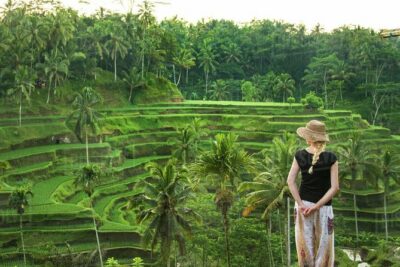
Monkey Forest, Jungle Swing, Rice Terrace, and Water Temple
Read our review →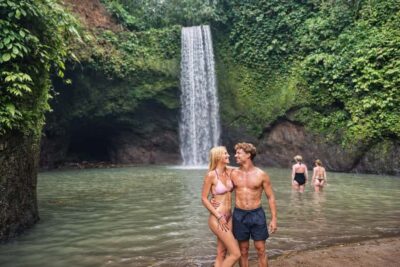
Waterfalls, Water Temple & Rice Terraces Private Tour
Read our review →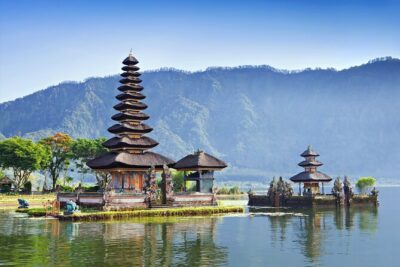
Full-Day Tour to Water Temples and UNESCO Rice Terraces in Bali
Read our review →Monkey Forest, Water Temple, Rice Terrace, Waterfall
Read our review →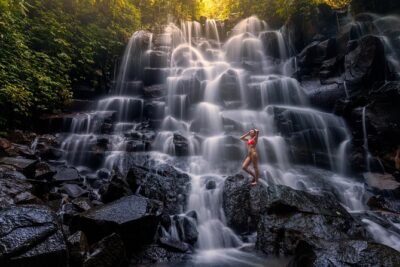
Ubud Top Attractions: Waterfalls, Temples and Rice Terraces
Read our review →
Private Full-Day Tour: Balinese Temples and Rice Terraces
Read our review →Ubud Waterfalls, Temple & Rice Terrace Guided Tour
Read our review →