
Review · LUXOR
Private Full Day Tour of Luxor west Bank Tombs and temples
Royal tombs tell the story underground. This private Luxor West Bank tour brings you to the Valley of the Kings, Valley of the Queens, Hatshepsut’s temple, Medinet Habu, and Deir el-Medina in one well-planned day. I like the private vehicle and English-speaking Egyptologist, since you get direct explanations instead of following a large group with a flag. I also like the broad range of sites, from royal burial chambers to the humble village where tomb workers lived.
The main consideration is pace. Six major stops in about eight hours leaves little room for wandering, long pauses, or extra sights. The advertised price of $16 per person is remarkably low for private transport, entrance fees, and a guide, but check the booking option carefully, since tickets are not included with the Professional Guide plus Transfers choice.
The tour begins with pickup at your Luxor hotel or Nile cruise and uses an air-conditioned vehicle. That matters in the dry heat of the West Bank, where distances between sites add up quickly. A bottle of water is included, and the tour ends with return transport to your starting point.
Key points at a glance
- Six important West Bank sites: Visit the Valley of the Kings, Hatshepsut’s temple, the Colossi of Memnon, Medinet Habu, Deir el-Medina, and the Valley of the Queens.
- Private touring: Only your group takes part, giving you more freedom to ask questions and keep the day at a useful pace.
- Egyptologist guide: The English-speaking guide explains the tomb art, royal symbolism, and daily life behind the monuments.
- About eight hours: The schedule gives roughly two and a half hours to the Valley of the Kings, then shorter visits at the other sites.
- Very low advertised price: At $16 per person, the value is strong if your selected option includes the listed entrances and private transport.
- Free cancellation: You can cancel at least 24 hours before the start time for a full refund.
Why the West Bank deserves a full day
Luxor is often described as an open-air museum, but that phrase can make the place sound tidy and easy. The West Bank is spread across a broad area, with temples, valleys, statues, and workers’ homes separated by roads and desert terrain. Seeing it properly requires transport and a sensible order of stops.
This tour gives you both. Instead of spending the morning at one monument and trying to arrange a taxi for the next, you move between the main sites in an air-conditioned vehicle. Pickup is available from a Luxor hotel or Nile cruise, which removes one of the more annoying parts of sightseeing: negotiating each short ride.
The private format is useful if you care about ancient Egyptian history. You can ask why a tomb was built in a particular valley, what certain painted figures mean, or how the workers’ village fitted into royal burial customs. The tour is not just a series of photo stops unless you choose to treat it that way.
Guides named Nasr and Aladdin have been associated with especially positive experiences on this route. Nasr was praised for arriving on time, explaining ancient Egyptian history clearly, and covering the full West Bank in around eight hours. Aladdin was described as soft spoken and pleasant, though one experience also raised concerns about an older vehicle. That is a useful reminder to keep expectations realistic: the guide quality may be excellent, while the transport may not always feel brand new.
More Karnak and Valley of the Kings Tours in Luxor:
- Luxor: Valley of the Kings and Hatshepsut Temple Day Tour
★ 4.4 · 1,404 reviews - Luxor: Valley of Kings, Hatchepsut Temple ,Karnak & Luxor-DayTour
★ 5.0 · 735 reviews - Full Day Tour of Luxor West Bank Temples and Tombs (Private)
★ 5.0 · 722 reviews
Valley of the Kings: allow time for the tombs
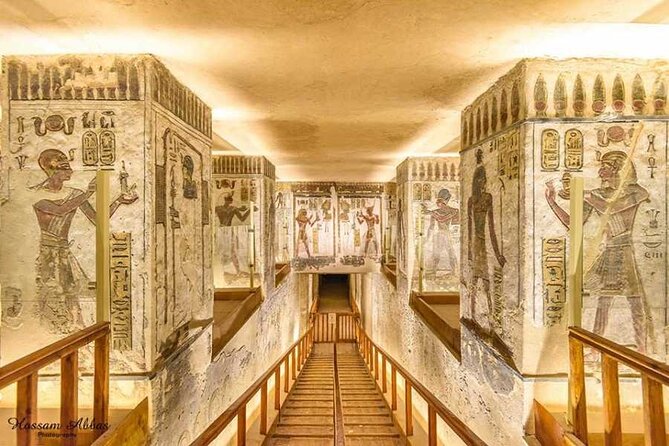
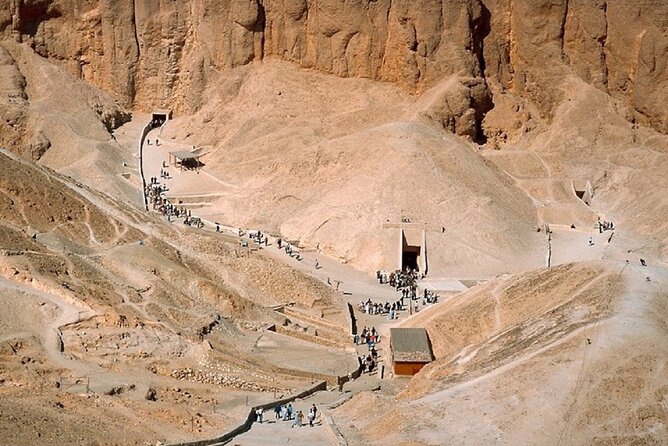
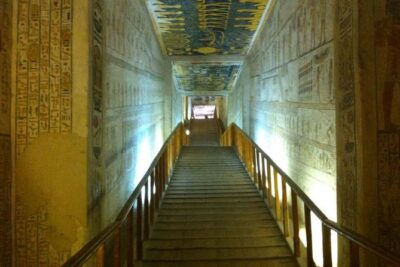
The first major stop receives about two and a half hours, the longest visit of the day. That is sensible. The Valley of the Kings contains 63 known tombs, though the tombs open to the public can vary. Their painted walls show gods, royal rituals, and the journey toward the afterlife.
The valley is not about grand buildings viewed from a distance. It is about entering rock-cut chambers and looking closely at painted surfaces, corridors, ceilings, and inscriptions. Your guide can help turn these scenes from decoration into a story about Egyptian beliefs and royal power.
King Tutankhamun is the name most people bring with them. His tomb is famous because the burial was found with much of its treasure intact, and the young king’s mummy remains a major attraction. The tour includes the Valley of the Kings entrance, but an additional fee may apply for special tombs, depending on current site rules and your choice of tomb. The supplied information specifically highlights King Tutankhamun, so confirm at booking what is covered if seeing his tomb is essential to you.
Two and a half hours sounds generous, but it can pass quickly. The valley has heat, uneven ground, and tomb interiors that require attention rather than speed. I would use this time for fewer tombs with your guide instead of racing through every open entrance.
The guide’s role matters most here. Tomb art can look repetitive at first, but the details differ. A good explanation helps you notice the Book of the Dead, protective deities, royal titles, and the way the Egyptians pictured the afterlife.
Hatshepsut’s temple and the power of a female ruler
The next stop is the Temple of Queen Hatshepsut at Deir el-Bahari, with about an hour and a half scheduled for the visit. Its terraces rise against the cliffs, creating a strong contrast with the underground tombs you have just seen.
Hatshepsut ruled as pharaoh during Egypt’s New Kingdom period. Her name is often translated as Foremost of Noble Ladies, and the tour presents her as a ruler linked with early trading routes. Her temple was designed to project authority, not modesty. The broad terraces and formal lines make the site feel carefully planned and ceremonial.
This is a good place to listen closely rather than simply take pictures. Ask your guide about Hatshepsut’s position as a woman ruling in a royal system built around male kingship. The temple’s scale and imagery help explain how she presented herself as a legitimate pharaoh.
The one-hour-plus schedule gives you enough time to walk through the main areas without turning the visit into a rushed stop. Even so, the site can feel demanding in the sun. Wear practical shoes and use the included water sensibly. The tour includes admission to Hatshepsut’s temple, which makes the price easier to justify.
Colossi of Memnon: a quick stop with a big view
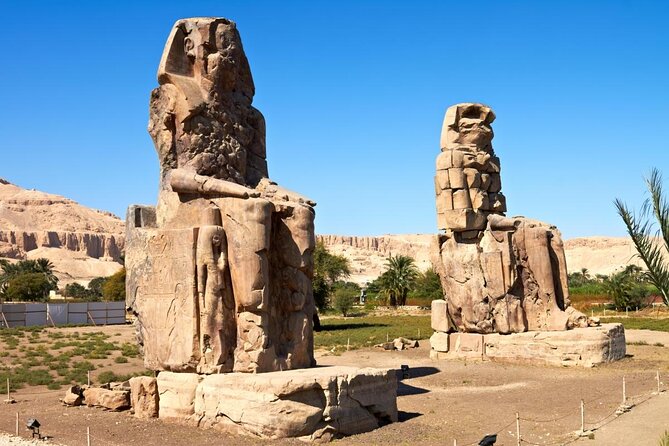
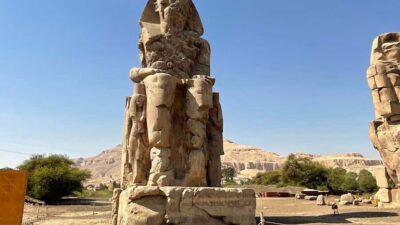
The Colossi of Memnon receive about 30 minutes. These twin statues were carved from quartzite sandstone and once formed part of a larger temple complex. Today, they are most useful as a short historical pause between the major temple visits.
The statues are imposing even when viewed from the road. Their scale gives you a quick sense of the ambition behind royal building projects. Your guide can explain their connection to the ancient complex and why these enormous seated figures remain such a familiar image of Luxor.
There is no separate entrance fee for this stop. Thirty minutes is enough for photographs and an explanation, but not for a long exploration. That is fine. A full day at every site would be exhausting, and this brief pause breaks up the longer visits.
More Full-Day Tours in Luxor:
- Siem Reap: Full-Day Angkor Wat Guided Tour with Sunset
★ 4.9 · 3,803 reviews - Full-Day Angkor Wat Sunrise Private Tour with Guide from Siem Reap
★ 5.0 · 2,920 reviews - Siem Reap: Angkor Wat Sunrise and Full-Day Sightseeing Tour
★ 4.9 · 2,828 reviews - Full-Day Tour to Water Temples and UNESCO Rice Terraces in Bali
★ 5.0 · 2,539 reviews
Medinet Habu: the temple many people rush past
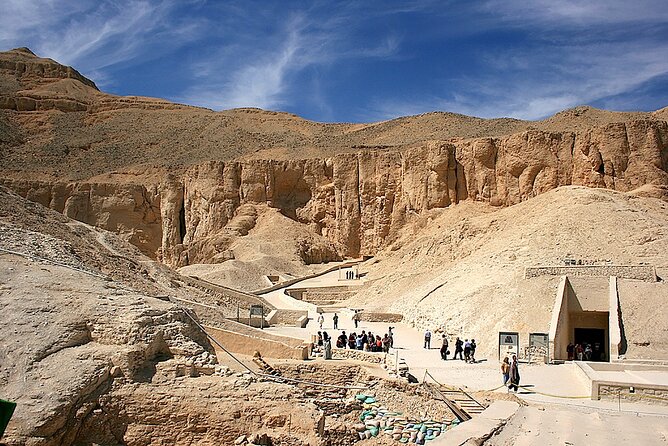
After lunch, the tour continues to Medinet Habu, also called the Temple of Medinat Habu or Madint Hubo in the supplied details. About an hour is planned here.
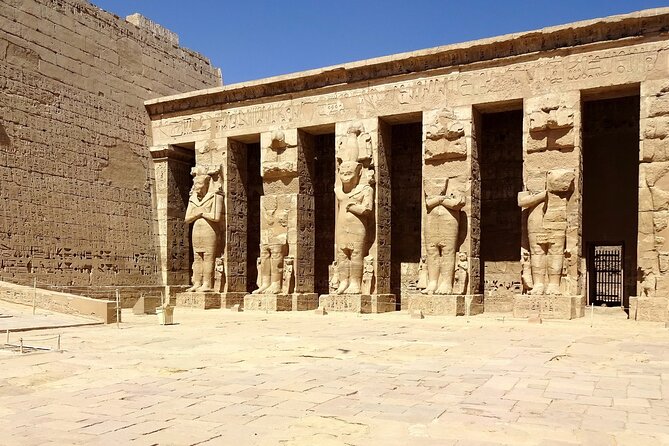
The temple was commissioned by Ramses III to commemorate his reign. Its walls and architecture offer another view of royal power, with a different character from Hatshepsut’s temple. Instead of focusing mainly on one ruler’s unusual path to the throne, Medinet Habu presents the authority of a king who wanted his achievements recorded in stone.
This is one of the most valuable stops for anyone who wants more than the standard first-time route. The Valley of the Kings gets most of the attention, but Medinet Habu helps you understand how temples worked as places of ceremony, memory, and political messaging.
One hour is enough for the principal areas, although you may wish you had longer if you enjoy inscriptions and reliefs. The entrance fee is included, as is transport between the sites. Lunch is mentioned as a break before this visit, but the supplied details do not specify a restaurant, menu, or whether lunch is included. Plan to confirm that point before you book.
Deir el-Medina and the people behind the tombs
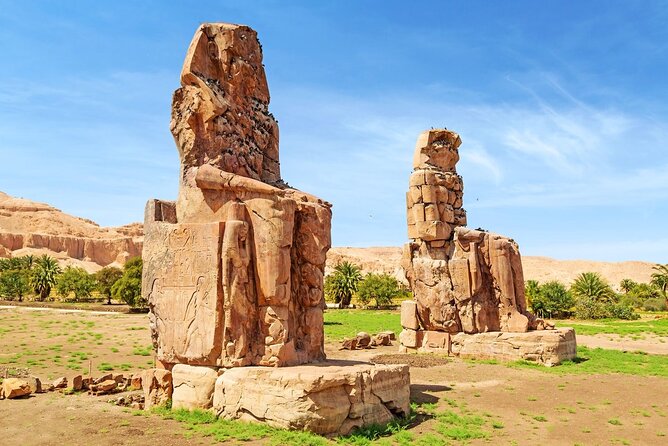
Deir el-Medina, known here as the Valley of the Artisans or Workers’ Village, gives the day a welcome change of focus. The tour allows about an hour to explore the settlement where artisans, craftsmen, and laborers lived while building and decorating royal tombs.
The royal burial grounds were not created by magic. Skilled workers planned the passages, cut the stone, mixed pigments, painted the walls, and maintained the sites. Deir el-Medina helps connect those finished tombs with the people who made them.
For me, this is one of the most meaningful stops because it shifts attention away from kings and queens. You see the organized community that supported the royal burial system. An Egyptologist guide can help explain how the village functioned and why its location near the tombs mattered.
The site also adds variety after several grand monuments. Instead of looking up at huge statues or formal temple walls, you are thinking about homes, work, and daily life. The entrance fee is included, and the one-hour visit should give you a useful introduction without dragging late in the day.
Valley of the Queens and the art of the afterlife
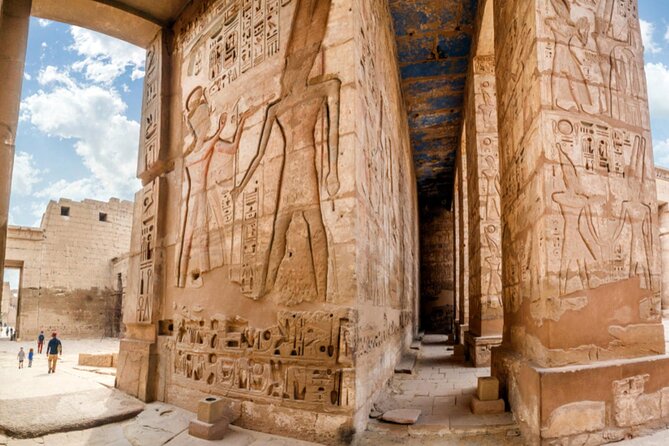
The final listed stop is the Valley of the Queens, with about an hour scheduled. This area served as a burial place for queens of the New Kingdom, roughly from 1539 to 1075 BCE, and contains more than 90 known tombs.
The most famous tomb is that of Queen Nefertari, the wife of Ramses II. Her burial chamber is known for finely painted scenes and careful detail, including images linked to the Book of the Dead and the journey into the afterlife.
The tour includes the Valley of the Queens entrance, but access to individual special tombs can depend on site rules and ticket arrangements. If Nefertari’s tomb is your main reason for choosing this tour, ask directly if its separate entrance is included. Do not assume that a general valley ticket covers every tomb.
This last visit can be especially rewarding after you have already heard about royal beliefs at the Valley of the Kings. You can compare the decoration, symbolism, and purpose of the tombs rather than viewing each site in isolation. The one-hour schedule is practical, though you may feel tired by this point in the day.
What the $16 price really offers
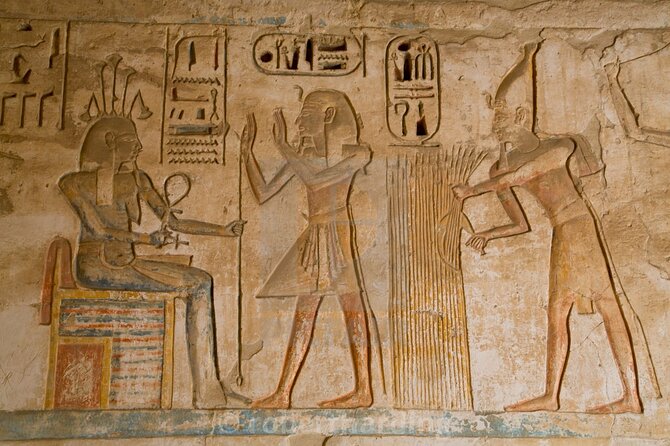
At $16 per person, this is an unusually inexpensive way to cover the West Bank. The listed inclusions are substantial: an English-speaking Egyptologist guide, pickup and return, modern air-conditioned vehicle transfers, a bottle of water, service charges, taxes, and entrance fees for the main sites.
That price is especially good for a private tour, since the vehicle and guide are not shared with a large group. Group discounts are also offered, which could make the cost even more attractive for a larger party.
Still, read the option details carefully. The supplied information says tickets are not included if you choose the Professional Guide plus Transfers option. That suggests the low headline price may relate to one booking configuration, while another option changes what you pay for. Confirm exactly which entrances are covered before paying.
Tipping is not included. You should also note that airport pickup is excluded. The standard pickup is from your Luxor hotel or Nile cruise, not the airport.
Timing, transport, and comfort
The advertised duration is about eight hours, with the site visits adding up to roughly seven hours before allowing for driving and lunch. Pickup and return are outside the sightseeing time, so your total day may be longer depending on where you stay.
An air-conditioned vehicle is important. The West Bank sites are spread out, and even short drives can feel tiring in strong heat. The tour includes a bottle of water, but I would still ask about carrying extra water if you need it.
Vehicle condition may vary. One experience praised the punctual pickup and the guide but described the car as old. That does not cancel the value of air conditioning or private transport, but it is worth keeping in mind if you expect a luxury vehicle.
The schedule is fairly full. If you like visiting many major sights in one day, it works well. If you prefer lingering over reliefs, sketching, taking long photographs, or sitting quietly in each temple, you may find the route too packed.
Who should book this West Bank route?
I would recommend it to first-time Luxor visitors who want the main West Bank sights without arranging several separate rides. It also suits anyone who cares about context and wants an Egyptologist available throughout the day.
Families and small groups can benefit from the private format, especially when different people want different levels of explanation. The tour is also a good fit for Nile cruise passengers with a free day in Luxor, since pickup and return to the ship are offered.
You should think twice if your priority is luxury transport, a slow photography schedule, or a highly specialized archaeology tour. The route covers a lot, but it does not promise long, unstructured time at each monument.
Most people can participate, and the tour is near public transportation, though the provided information does not give detailed accessibility notes. If you have mobility concerns, ask the operator about walking distances and surfaces before booking.
Cancellation and booking details
Confirmation is provided at booking. Free cancellation is available if you cancel at least 24 hours before the experience begins. Cancellations made less than 24 hours ahead, along with late changes, are not refunded.
The tour is usually booked about 15 days in advance, so reserving ahead is sensible if your Luxor dates are fixed. The mobile ticket is convenient, especially if you are moving between a cruise schedule and hotel stays.
FAQ
How long does the private Luxor West Bank tour last?
The experience lasts about eight hours, not counting any extra time needed for pickup and return to your hotel or Nile cruise.
Where does pickup take place?
Pickup is offered from your Luxor hotel or Nile cruise. Airport pickup is not included.
Is this a private tour?
Yes. Only your group participates, rather than joining a larger shared group.
Is an Egyptologist guide included?
An English-speaking Egyptologist guide is included with the listed tour arrangement. Guides associated with the route have included Nasr and Aladdin.
Which sites are visited?
The route includes the Valley of the Kings, Temple of Hatshepsut at Deir el-Bahari, Colossi of Memnon, Medinet Habu, Deir el-Medina, and the Valley of the Queens.
Are entrance fees included?
The listed arrangement includes entrance fees for the Valley of the Kings, Hatshepsut’s temple, Valley of the Queens, Deir el-Medina, and Medinet Habu. Confirm the exact inclusions if you select the Professional Guide plus Transfers option, since tickets are not included with that choice.
Is lunch included?
The schedule includes a lunch break before the visit to Medinet Habu, but the supplied details do not state that lunch is included in the price.
Can I cancel for a full refund?
Yes, if you cancel at least 24 hours before the local start time. Cancellations or changes made less than 24 hours before the tour are not accepted for a refund.
Should you book it?
Book this tour if you want an efficient, history-focused day on Luxor’s West Bank and value private transport more than luxury. The combination of the major royal valleys, two major temples, Deir el-Medina, and an English-speaking Egyptologist gives you unusually broad coverage for the price.
Before confirming, check the exact ticket option, ask about any special tomb entrance fees, and clarify the lunch arrangement. If you do that, the tour offers a strong introduction to Luxor’s tombs, temples, and working communities, with enough structure to keep a complicated sightseeing day under control.
Just added around Luxor
- Luxor: Karnak and Luxor Temples Private Half-Day Tour★ 4.7 · 27 reviews
- Luxor: Valley of The Kings and Hatshepsut Temple Day Trip★ 4.3 · 55 reviews
- Luxor: Tour to Edfu Temple & Lunch & Felucca & Entrance Fees★ 4.8 · 7 reviews
- Luxor: Temple of Hatshepsut QR Ticket – Skip The Line★ 4.8 · 5 reviews
- Luxor: Karnak and Luxor Temples Private Half-Day Tour★ 4.4 · 4 reviews
- Luxor: Private Tour to Valley of Kings & Hatshepsut Temple.★ 4.4 · 16 reviews
- Luxor Half-Day Tour to Explore Karnak and Luxor Temples★ 4.7 · 4 reviews
- Luxor: Shared Half-Day tour of Dendera Temple with guide★ 4.2 · 35 reviews
Karnak & Valley of the Kings Tours, compared.
Valley of the Kings and Hatshepsut Temple Day Tour
Read our review →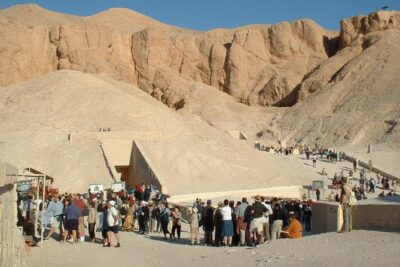
Valley of Kings, Hatchepsut Temple ,Karnak & Luxor-DayTour
Read our review →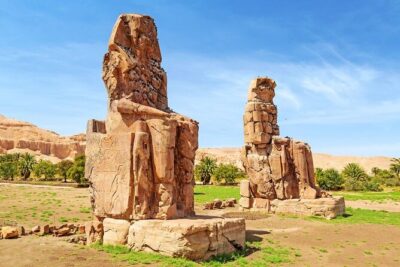
Full Day Tour of Luxor West Bank Temples and Tombs (Private)
Read our review →
Private Half Day West Bank Tour to Valley of the Kings Queen Hatshepsut Temple and Colossi of Memnon
Read our review →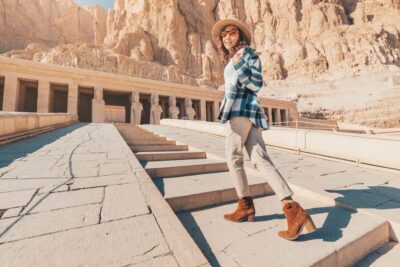
Valley of the Kings and Hatshepsut Temple w/Nile Boat
Read our review →
Dendera Temple All-Inclusive Tour & Felucca Ride
Read our review →
Hot Air Balloon Ride Over Temple of Hatshepsut
Read our review →Browse the lists this tour appears in