
Review · SOUTH INDIAN
Night Ceremony at Madurai Meenakshi Amman Temple Tour
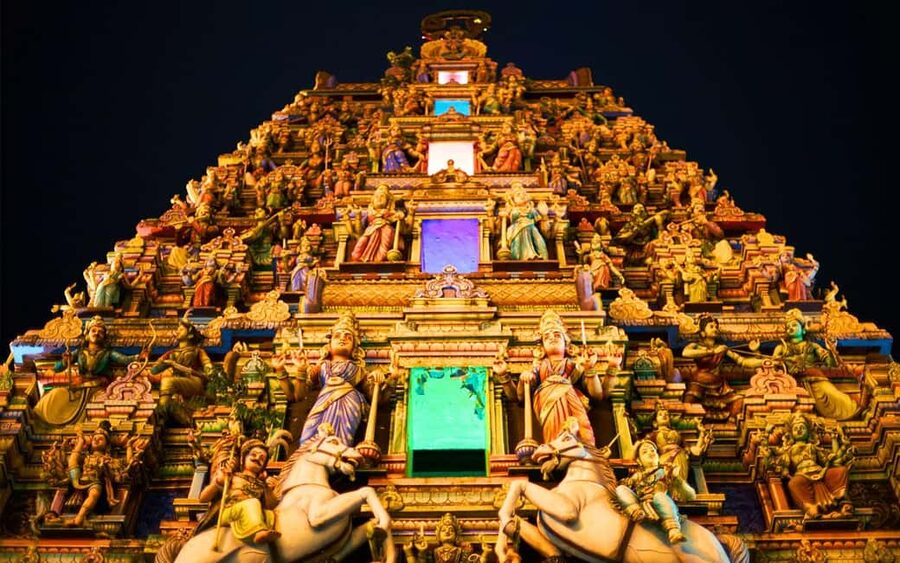
Sacred music makes Madurai glow. This evening tour brings you to the Meenakshi Amman Temple for the Ardhajama Pooja, a nightly ritual in which Lord Sundareswarar is carried to Goddess Meenakshi’s shrine for the divine couple’s rest. The oil lamps, jasmine, sandalwood, chanting, and Nadaswaram music give you a close look at living Tamil tradition, not just another temple visit.
I like the private air-conditioned transport with hotel pickup and drop-off, especially after a warm day in Madurai. I also like the ceremony’s quieter evening mood, when the temple’s carved halls and towers take on a softer look. The main caution is timing: the tour is sold as four hours, but one booking recorded an actual experience of only about one and a half hours, and the guide was not French as requested.
Key Points Before You Book
- The ceremony begins around 7:00 p.m. and centers on the nightly transfer of Lord Sundareswarar to Goddess Meenakshi’s shrine.
- Nadaswaram and Thavil musicians provide the traditional sound while priests carry the deity in a decorated palanquin.
- A private four-hour package includes hotel pickup, drop-off, an air-conditioned vehicle, entrance, parking, bottled water, and an English, French, or Tamil-speaking guide.
- The actual ritual may be much shorter than four hours, so confirm how much time includes transport and temple orientation.
- Bags and electronic equipment may need to be left with a souvenir shop, an important point to clarify before entering.
- Modest dress and quiet behavior matter, since this is an active religious service, not a staged performance.
Why the Night Ceremony Matters
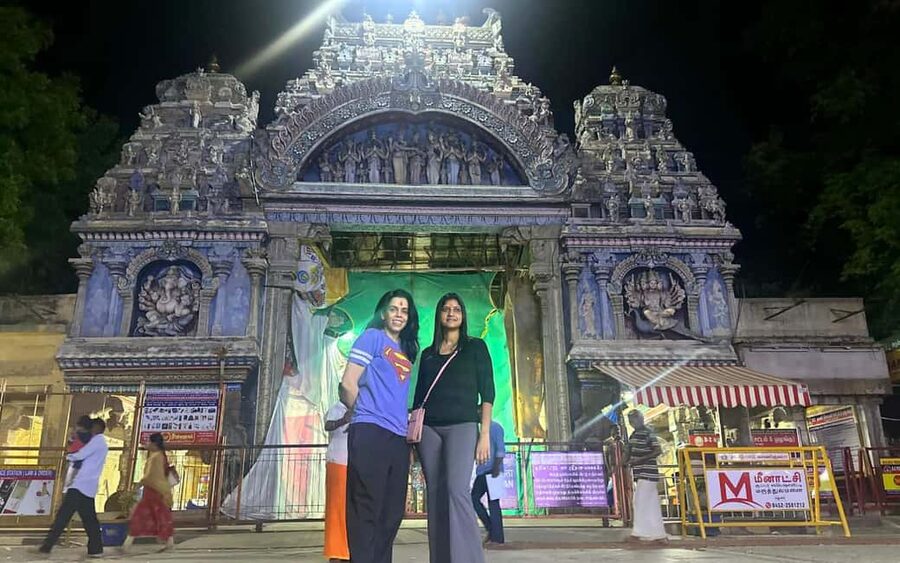
The Meenakshi Amman Temple is one of Madurai’s most important religious sites and one of Tamil Nadu’s most famous examples of Dravidian temple culture. By day, the complex can feel busy and visually overwhelming. At night, your attention shifts toward sound, scent, movement, and ritual.
The central act is simple but powerful. Lord Sundareswarar, the form of Shiva worshipped here, is carried from his own sanctum toward Goddess Meenakshi’s shrine. The nightly journey symbolizes the union of the divine couple and their rest together.
That idea gives the ceremony its particular mood. You are not watching a one-time festival created for visitors. The ritual takes place every night and has continued for centuries. You are seeing a practice that still belongs to the temple’s worshipping community.
I find this type of experience more rewarding than a quick architectural walk. The temple’s stone work matters, of course, but the ceremony explains how the building is used. The shrine is not only an old monument. It remains a place of prayer, music, procession, and daily devotion.
More South Indian Temple Tours in India:
- Full-Day Private Tour to the Kanchipuram Temples from Chennai
★ 5.0 · 73 reviews - World heritage site of Belur & Halebid with temple sculptures
★ 5.0 · 24 reviews - Mahabalipuram and Kanchipuram Private Caves & Temples Tour
★ 4.7 · 17 reviews
Hotel Pickup and the Four-Hour Schedule
The tour includes hotel pickup and drop-off in a private air-conditioned vehicle. That is useful in Madurai, where an evening visit may follow a long day in the heat. You do not need to arrange separate transport or work out your return after the ceremony.
The stated duration is four hours. That gives the tour room for transportation, entry, time with the guide, and the ceremony itself. Still, you should ask for a precise schedule before paying, because the ritual itself does not occupy four hours.
One booking recorded a total experience of about one and a half hours. That does not necessarily mean the ceremony was poor, but it does show why you should clarify the plan. Ask whether the four-hour period includes hotel transfers, waiting time, temple explanation, and the ritual only.
The private format is a real advantage. You are not tied to a large group’s pace, and you can ask the guide to explain the ceremony, the deities, and the music. The package also includes parking, bottled water, and the entrance ticket, so there should be fewer small costs to manage during the evening.
Entering Meenakshi Amman Temple After Dark
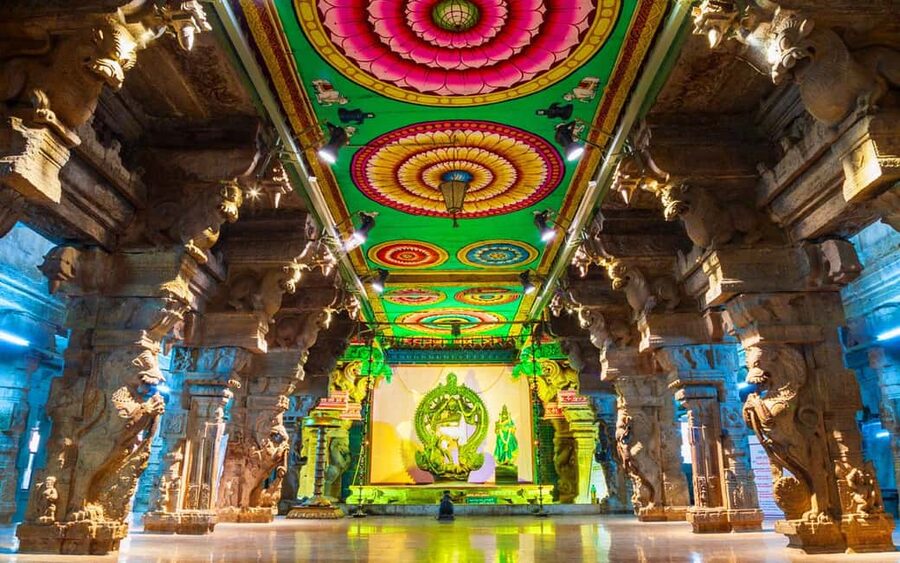
The temple’s architecture has a different character at night. The complex is known for its monumental Dravidian design, and the evening light brings focus to the carved surfaces, shrine spaces, and oil lamps rather than presenting every detail at once.
You may notice the contrast between the temple’s immense scale and the intimate nature of the ritual. Towering architecture frames a procession that moves at a human pace. Priests, musicians, devotees, and the palanquin create a moving scene inside a much older sacred setting.
This is also the point where practical preparation matters. Dress modestly and behave quietly. The service is important to worshippers, so it is best to watch without treating the procession as a show.
Photography and electronics may require special care. A booking recorded that bags and electronic equipment were left with a souvenir shop. Because storage arrangements can affect your comfort and security, ask the guide exactly what must be deposited and where before you enter.
Do not arrive with the assumption that every item can accompany you. Keep valuables to a minimum, and confirm the temple’s current rules with the local guide.
The 7:00 p.m. Ardhajama Pooja
The ceremony is scheduled for around 7:00 p.m. The exact flow may depend on temple timing and the movement of worshippers, so you should think of that hour as the key window rather than a guaranteed minute-by-minute start.
The ritual is also known as Palliarai Seva, the royal resting ceremony. Its purpose is symbolic and devotional: Lord Sundareswarar leaves his sanctum and is taken to Goddess Meenakshi’s chamber for the night.
The idol is carried in a decorated palanquin. Temple priests accompany the procession, while musicians play the Nadaswaram and Thavil. The Nadaswaram is a powerful traditional wind instrument, and the Thavil is a large barrel drum. Together, they give the procession a sound that is much more forceful and ceremonial than quiet background music.
Oil lamps add movement to the scene. Their flickering light catches the metal, fabric, flowers, and carved surroundings as the procession passes. The fragrance of jasmine, other flowers, sandalwood, and incense helps make the ceremony a full sensory experience.
Chanting devotees are part of the atmosphere. You are likely to notice that the focus remains on worship, not on explaining every action for an audience. That can be a strength if you want something genuine, but it may feel less structured than a standard sightseeing tour.
A good guide should help you understand what is happening without interrupting the religious mood. Ask for explanations before or after the procession when possible. During the central moments, quiet observation is the better choice.
A few more temple visits around India worth a look
- New Delhi: Akshardham Temple Tour with Water and Light Show
★ 4.8 · 313 reviews - Old Delhi Food-Spice Market-Temples Tour Soon Featured on NETFLIX
★ 5.0 · 304 reviews - Private Guided Spiritual Walk in Banganga Hindu Temples
★ 5.0 · 271 reviews - Taj Mahal Sunrise with Lord Shiva Temple:- All Inclusive
★ 5.0 · 207 reviews
Music, Incense, and the Temple’s Living Rhythm
The strongest part of this experience is its combination of sound and movement. The musicians set the pace, the priests guide the palanquin, and the lamps mark the route. Each piece has a clear role in the ceremony.
The flowers are not just decoration. Jasmine and other offerings are woven into the visual and fragrant setting of the shrine. Sandalwood and incense add another layer, making the temple feel very different from a museum or historic building.
I especially like that the ritual lets you see Tamil culture through practice rather than display. You are not simply looking at statues or reading dates. You are watching how the temple functions at the end of the day.
The mood may be peaceful, but do not expect silence. Traditional instruments, chanting, and the movement of the crowd create a strong soundscape. If you want a quiet meditation, this may be more energetic than expected. If you want a clear sense of religious ceremony, the music is one of the best reasons to attend.
Guide Languages and Private Touring
Guiding is offered in English, French, and Tamil. An English-speaking guide should help you follow the broad meaning of the ritual and understand the role of the deities, priests, music, and palanquin.
If you specifically need French, confirm the language before departure. One booking on February 19, 2026 recorded that the guide was not French-speaking. That is a practical issue, not a minor detail, because much of the value comes from understanding what you are seeing.
The private group format gives you a better chance to ask questions than a large shared excursion. You can ask the guide to explain the symbolism of Meenakshi and Sundareswarar, identify the instruments, and clarify temple customs.
Still, the quality of the explanation may depend on the guide assigned that evening. The package offers language options, but it does not name a particular guide or promise a specialist in temple ritual. Confirm both language and meeting details in advance.
Is $41 a Fair Price?
At $41 per person, the cost is reasonable if you value convenience and private transport. The price includes hotel pickup and drop-off, a private air-conditioned vehicle, a local guide, entrance, parking, and bottled water. Food and drinks are not included.
The key question is how much of the four-hour period you will actually spend at the temple. If you receive transport, a useful explanation, entry, and a well-timed view of the ceremony, the package can save you a great deal of evening planning.
If the experience lasts only around one and a half hours and offers little temple explanation, the value becomes less convincing. The ritual itself is free of the usual tourist staging, but the tour price pays for the vehicle, guide, coordination, and entry rather than for a long performance.
I would judge the price favorably for a first visit to Madurai, particularly if you are staying outside easy walking distance or do not want to arrange a late return. If you are already comfortable with local transport and temple etiquette, a private tour may feel less essential.
What Is Not Included
Food and drinks are not part of the package. Plan your evening meal separately rather than expecting dinner to follow the ceremony.
The tour does include bottled water, which is helpful, but it does not replace a full meal or refreshment stop. Since the timing centers on the evening ritual, ask about the likely finish time if you need to coordinate dinner afterward.
Electronic equipment and bags may also create an extra concern. Because one booking involved leaving these items with a souvenir shop, you should travel light and ask about storage before the ceremony begins.
The package includes entrance and parking, so you should not need to budget separately for those listed items. It is still wise to confirm current temple rules with the guide, especially if you plan to bring a camera, phone, or larger bag.
Who Will Enjoy This Most?
This tour suits you if you want to see an active religious tradition rather than only admire temple architecture. It is especially good for people interested in Tamil culture, Hindu ritual, traditional music, and sacred spaces.
It also works well for an evening in Madurai. The schedule gives you a focused activity around the 7:00 p.m. ceremony, and private transportation removes some of the uncertainty of getting to and from the temple.
Families with an interest in culture may appreciate the procession and music, though adults should explain in advance that this is a worship service. Visitors who prefer a clearly scripted sightseeing event may find the ceremony less predictable.
You should be comfortable with modest clothing, respectful behavior, and possible limits on photography or electronics. If you need French interpretation, confirm that point before booking.
Small Details That Make a Big Difference
Wear clothing that covers the shoulders and knees, and choose something comfortable for standing or moving through a large temple complex. The information provided does not specify a formal dress code in detail, but modest dress is explicitly requested.
Keep your valuables and unnecessary electronics at the hotel if possible. The reported storage arrangement at a souvenir shop is a strong reason to avoid bringing more than you need.
Arrive with patience. The ceremony is scheduled around 7:00 p.m., but religious services do not always feel like a theater production with a fixed start and finish. Let the guide manage the timing and use the waiting period to learn about the temple.
Ask how the four hours are divided. This single question can prevent disappointment. You want to know how long you will have for temple orientation, how long transport takes, and how much time is reserved for the actual Palliarai Seva.
The experience allows cancellation up to 24 hours in advance for a full refund, and you can reserve now and pay later. Those terms are useful if your Madurai schedule is still changing.
Should You Book the Madurai Night Ceremony?
Book it if you want a focused, respectful look at one of Madurai’s most meaningful daily traditions, and if private transport and a guide are worth $41 to you. The music, palanquin procession, lamps, flowers, and scent of incense provide a memorable way to experience the Meenakshi Amman Temple after dark.
Before booking, confirm three points: the exact pickup time, the language of your guide, and how the four-hour duration is calculated. Also ask about bags and electronic equipment, since storage may take place at a souvenir shop.
I would recommend this for a first visit to Madurai, especially for cultural and spiritual tourism. I would be more cautious if you expect four full hours inside the temple or require French guiding without written confirmation. The ceremony itself is the draw, and it can be deeply affecting, but the tour’s practical value depends on clear timing and good language support.
FAQ
What time does the night ceremony take place?
The Ardhajama Pooja is held every night around 7:00 p.m. The exact timing may require confirmation with the tour provider or guide.
How long is the tour?
The activity is advertised as lasting four hours. One booking recorded an actual duration of about one and a half hours, so ask how transport, waiting, temple explanation, and the ceremony fit into the schedule.
What languages are available?
Live guiding is offered in English, French, and Tamil. If you need French, confirm it before the tour because one booking recorded that the guide was not French-speaking.
Is transportation included?
Yes. The package includes hotel pickup and drop-off, transport in a private air-conditioned vehicle, and parking.
Are food and drinks included?
No. Food and drinks are not included, although bottled water is provided during the tour.
Can I cancel the booking?
You can cancel up to 24 hours in advance for a full refund. The activity also offers a reserve now and pay later option.
Just added around India
- 8 Days Private South India Temple Tour with 4 Star Luxury Hotels★ 5.0 · 3 reviews
- Chennai City Highlights – Government Museum & Temple Discovery★ 4.0 · 7 reviews
- South India Tour- Temple Architecture and Backwaters★ 5.0 · 7 reviews
- Full Day Tour of Konark Temple and Puri★ 5.0 · 7 reviews
- Divine Delhi: Full-Day Tour of Temples & Spiritual Sites★ 4.5 · 3 reviews
- 6-hour Temples tour of Bhubaneswar including hotel pick-up & drop-off★ 4.0 · 3 reviews
- Bhubaneswar city tour & Konark Sun Temple in private car with guide★ 5.0 · 29 reviews
- Puri Jagannath, Konark Sun temple, Pattachitra art in best of Odisha in 2 days★ 5.0 · 10 reviews
South Indian Temple Tours, compared.
Full-Day Private Tour to the Kanchipuram Temples from Chennai
Read our review →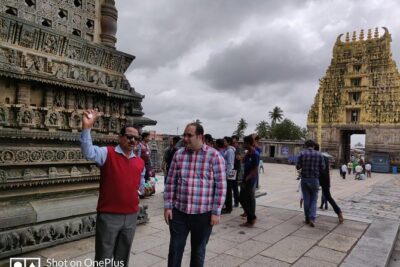
World heritage site of Belur & Halebid with temple sculptures
Read our review →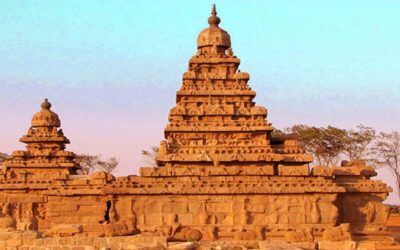
Mahabalipuram and Kanchipuram Private Caves & Temples Tour
Read our review →
Mahabalipuram Temple and Beach Day Tour from Chennai
Read our review →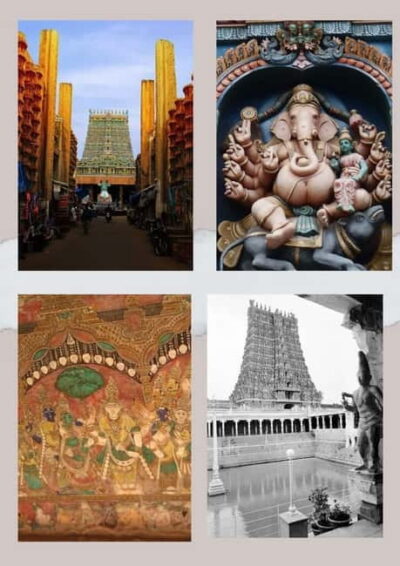
Browse the lists this tour appears in