
Review · WINE TOURS
From Belgrade: Novi Sad & Fruska gora & winery and monastery
Serbia’s northern story fits into one rewarding day. This $104 day trip joins Novi Sad’s graceful streets with Petrovaradin Fortress, Fruška Gora, a Serbian Orthodox monastery, and a local winery. I especially like the mix of city life and countryside, plus the chance to taste Bermet, a sweet, spiced wine tied closely to the Srem region.
I also like that hotel pickup, transport, entrance fees, a guide, and the winery visit are included. Guides such as Milos, Novica, and Stefan have earned praise for making the long drive useful with history and local context. The main compromise is pace: eight hours sounds generous, but you have only about an hour in Novi Sad and limited time at several other stops.
Key points
- Bermet is the unusual tasting: This sweet, spiced wine is made in the Srem area and is the tasting’s most distinctive feature.
- Petrovaradin gives you the big view: From the fortress, you can look across the Danube toward Novi Sad.
- Fruška Gora adds Serbia’s oldest national park: The mountain setting provides a welcome change from city streets.
- Krušedol brings religious art and history: The monastery is one of Fruška Gora’s most important Orthodox sites.
- Sremski Karlovci is compact but rewarding: Its cathedral, Four Lions Fountain, and old high school fit neatly into a short stop.
- Small-group travel keeps the day manageable: The group is limited to 15, with hotel pickup and drop-off in Belgrade.
Why This Belgrade Day Trip Works
I see this as a strong first excursion from Belgrade because it covers several sides of northern Serbia without making you arrange separate transport. In one day, you get a fortress, a historic town, a mountain, a monastery, a wine cellar, and Serbia’s second-largest city.
The route also has a clear historical thread. The fortress recalls the old frontier between eastern and western powers. Sremski Karlovci connects with the movement of Serbs northward in the late seventeenth century. Novi Sad shows how that community developed into a major cultural center, often called Serbian Athens.
That variety is the real value. You are not spending eight hours on a single attraction or sitting in a vehicle only to collect photographs. Still, the day is organized as an overview rather than a slow, detailed examination of each place. If you want long museum visits, extended meals, or quiet walks, you may prefer to visit Novi Sad independently and spend a night there.
The small group helps. With a maximum of 15 people, the guide can usually explain details more easily than on a large coach. The strongest praise has gone to the guides, especially Milos, Novica, and Stefan, who have been described as warm, funny, and able to connect Serbian history with politics, food, music, architecture, and everyday life. The assigned guide can vary, but the human side of the tour is clearly important.
A few more temple visits around the world worth a look
- Monastery Winery Tour and Wine Tasting
★ 5.0 · 195 reviews - Group Tour: Shaki waterfall, Tatev monastery & ropeway, Hin Areni winery
★ 5.0 · 185 reviews - Best of Moldova: Cricova Winery & Old Orhei Tour including Curchi Monastery
★ 5.0 · 176 reviews
Crossing the Danube Frontier at Petrovaradin
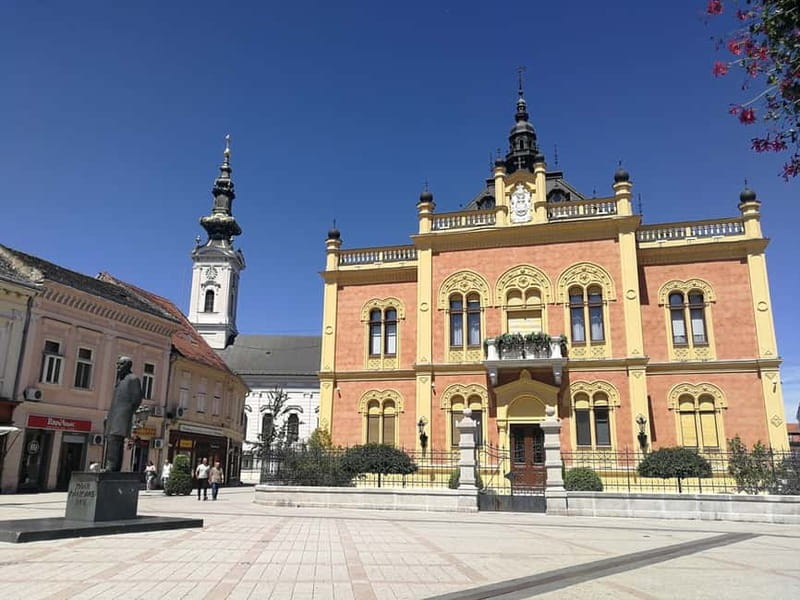
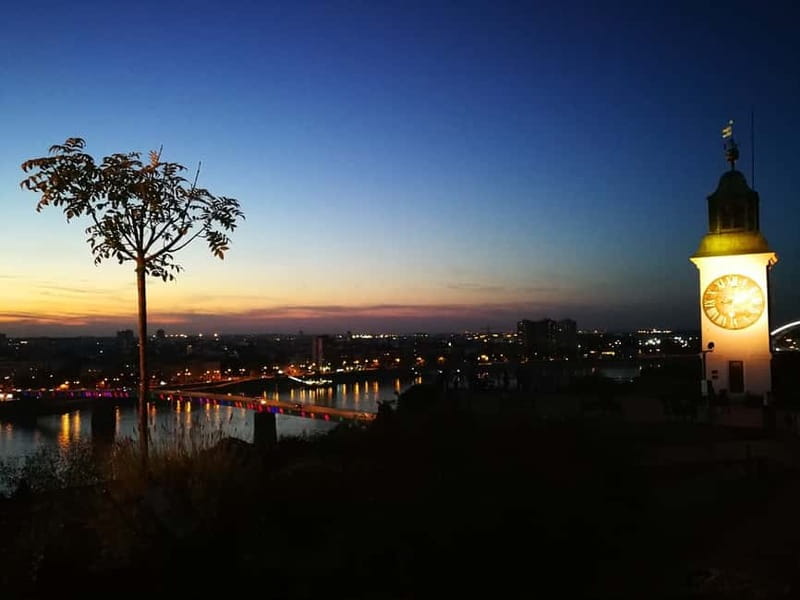
Petrovaradin Fortress is the day’s grandest viewpoint. It rises beside the Danube and looks toward Novi Sad, giving you a useful sense of how the city and river fit together.
The site was once a frontier between two major empires. Its walls and underground passages recall a time when this was a strategic border, not simply a pleasant place for photographs. You will hear about the fortress’s tunnels and military role, though this experience does not promise an extended underground tour.
The scheduled stop is about 30 minutes. That is enough for a guided introduction and photographs, especially from the higher parts of the fortress, but it is not enough to explore every corner. Keep your expectations realistic. You are seeing the fortress as an important chapter in the region’s story and as a superb lookout, not taking a full architectural tour.
There is also a modern detail that helps explain the fortress’s place in Serbian culture. Its walls host EXIT, one of Europe’s major music festivals. The old military setting and the modern concert crowd make an amusing contrast, and a good guide can use it to show how the site has changed purpose over time.
Novi Sad’s Baroque Streets and Easygoing Rhythm
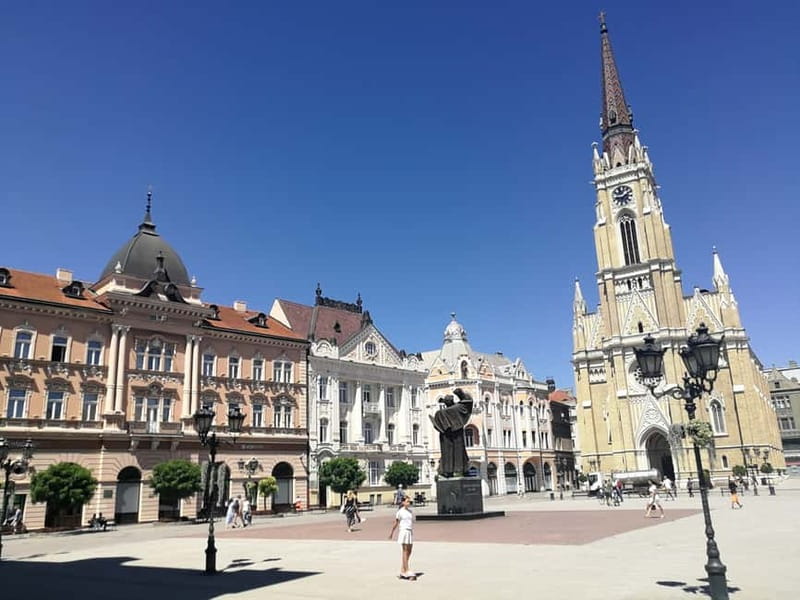
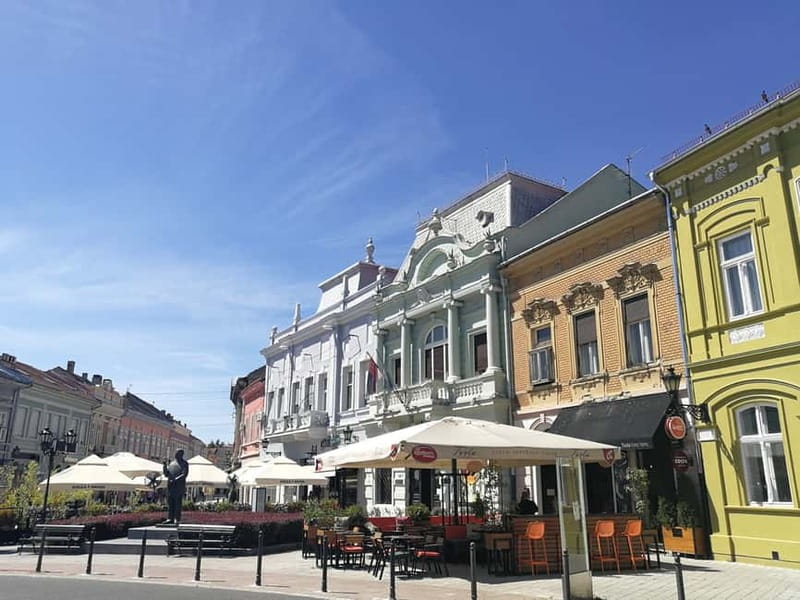
From Petrovaradin, the route continues into Novi Sad. This is the part of the day for architecture and atmosphere: Baroque, classical, and neo-Gothic buildings, colorful facades, and older streets that give the city its polished look.
The guided city visit lasts about an hour, followed by another hour for lunch and free time. That division matters. The first hour helps you understand what you are seeing, while the second gives you room to eat or wander without having to stay beside the guide.
I like Novi Sad because its appeal is not based on one blockbuster monument. The pleasure comes from the arrangement of its streets, public buildings, and relaxed pace. The city became a cultural center for Serbs after local residents persuaded Empress Maria Theresa to sell them the city for 80,000 Hungarian forints. That detail may sound like a civic oddity, but it gives the city’s identity a memorable starting point.
Novi Sad is also called Serbian Athens because of its long cultural role. The title is not a claim that it resembles ancient Greece. It points to the city’s importance as a center of Serbian education, art, and public life.
The limitation is simple: one hour does not allow a deep look at every building or neighborhood. Lunch is not included, and food and drinks are your responsibility. Use the free hour for a straightforward meal or a short independent walk, rather than expecting a long restaurant experience.
Fruška Gora and Krušedol Monastery
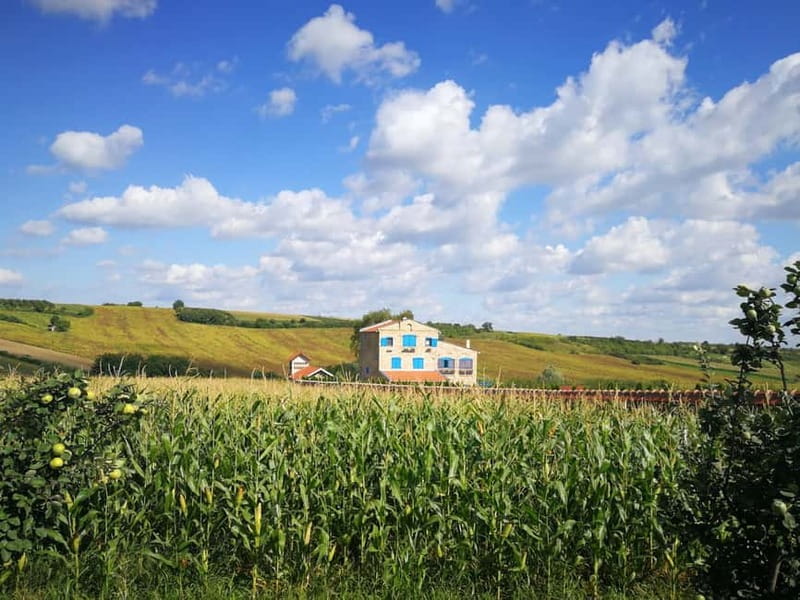
Fruška Gora changes the mood of the day. This mountain area, described as Serbia’s oldest national park, rises from the broad Pannonian plain and provides a wooded, rural setting after the city portion of the trip.
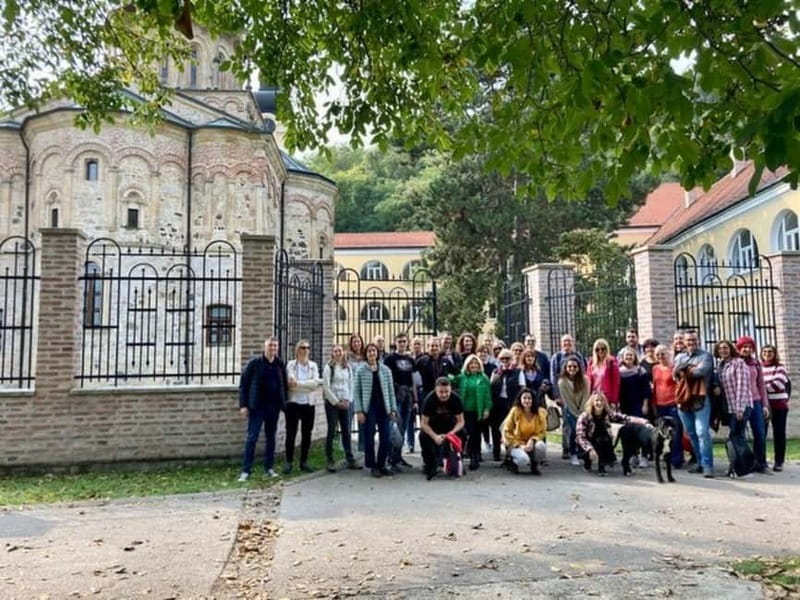
The route includes Krušedol Monastery, one of the most important Orthodox monasteries on Fruška Gora. The stop lasts around an hour, including a guided visit and time for photographs.
The monastery is valuable for more than its setting. You come for the frescoes, Orthodox tradition, and connection to Serbian history. The religious art gives the guide a chance to explain how monasteries preserved faith, culture, and memory during periods of political change.
Dress matters here. Sleeveless shirts are not allowed, so wear clothing that covers your shoulders. The tour operates rain or shine, which makes a light rain layer sensible even if the forecast looks friendly. The outdoor portions are still part of the experience in poor weather, though views and photographs will naturally depend on conditions.
This stop is best approached with respect rather than as a quick photo opportunity. The visit is guided, and the one-hour timing gives you enough space to look carefully without turning the monastery into an all-day stop. If religious art is a major interest, you may wish the visit were longer. For a day trip, the balance is reasonable.
Same place, a different morning at the gates:
- Lisbon: Jerónimos Monastery Entrance Ticket
★ 4.1 · 14,164 reviews - Angkor Wat Sunrise or Sunset Tour with Guide from Siem Reap
★ 5.0 · 12,109 reviews - Teotihuacan, Guadalupe Shrine & Tlatelolco Day Tour with Lunch
★ 5.0 · 11,603 reviews - From Bangkok: Ayutthaya Temples Guided Tour with Lunch
★ 4.7 · 10,535 reviews
Sremski Karlovci in 45 Minutes
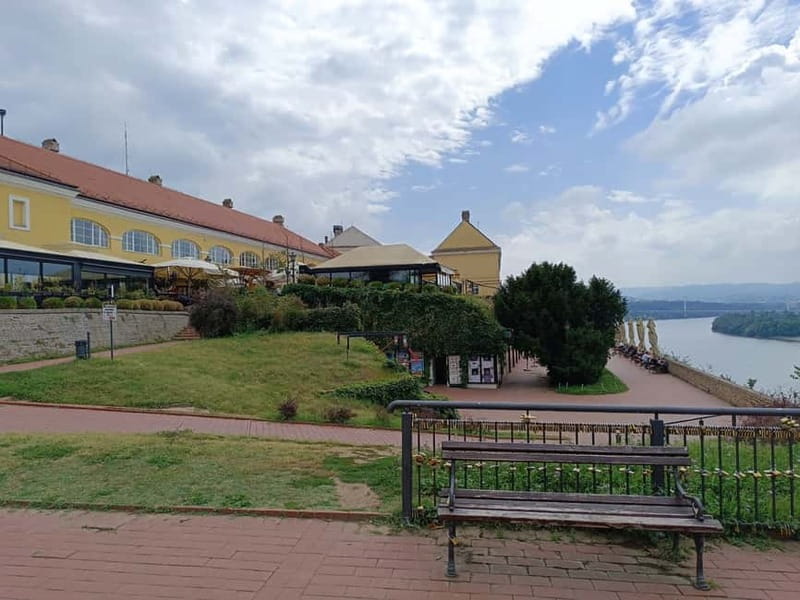
Sremski Karlovci is a small historic town with several notable sights close together. The stop lasts about 45 minutes, so you will be seeing its central points rather than wandering widely.
The route includes the oldest high school in Serbia, the Four Lions Fountain, and the Orthodox cathedral. These places help explain why Sremski Karlovci carries such weight in Serbian cultural and religious history despite its modest size.
The town also connects to the great migration of Serbian people at the end of the seventeenth century. That story links the town to the wider movement of communities northward and to the creation of important Serbian institutions in the Habsburg lands.
Forty-five minutes is enough for a compact introduction and photographs. It is not enough for a long café stop or a full town walk. You will get the basic shape of the place, then move on before the schedule loses momentum.
I think this stop works particularly well because it breaks up the driving between the monastery, winery, fortress, and city. It is short, but it gives the day another layer instead of making the trip only about Novi Sad.
Tasting Bermet at the Živanović Winery
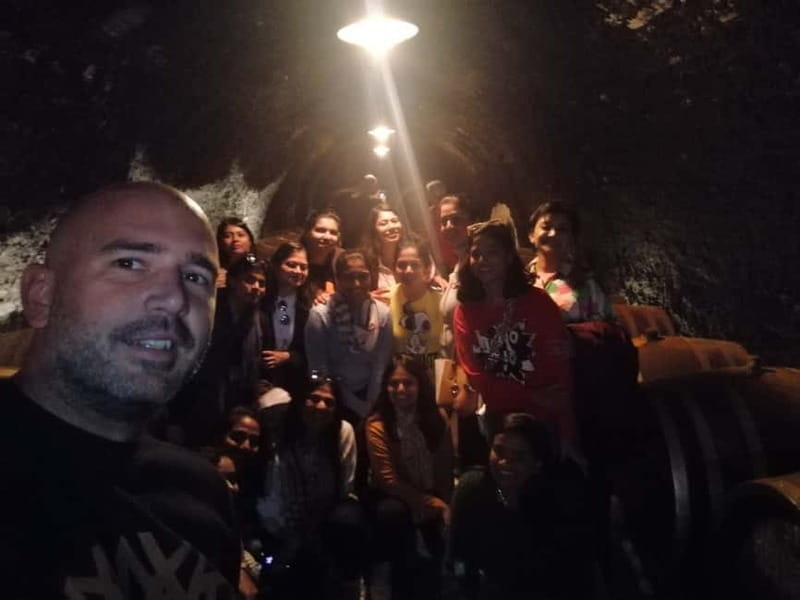
The winery visit is the tour’s most distinctive food and drink stop. At the Živanović winery, you taste local wines, including Bermet, a sweet and spiced wine made in this region.
Bermet is not simply a standard dessert wine. Its unusual flavor and local identity make it a useful way to understand Srem’s winemaking traditions. The red version was a favorite of Empress Maria Theresa, and a local legend connects Bermet with the Titanic. Treat the Titanic story as folklore, but enjoy it as part of the wine’s character.
The tasting lasts about an hour. Wine tasting is included, and the visit can also include honey tasting. Other food and drinks are not included, so do not assume the winery replaces lunch.
This is a good stop for people who like regional specialties, but you do not need to be a serious wine enthusiast. The value lies in trying something you are unlikely to find in the same form elsewhere, then hearing how it fits into the area’s past and economy.
The schedule places the winery between Sremski Karlovci and Petrovaradin. That gives the day a pleasant rhythm: historic town, local produce, fortress, then city. If you do not drink alcohol, the monastery and city portions still give the excursion substance, but the tasting will naturally be less important to you.
Transport, Timing, and the $104 Question
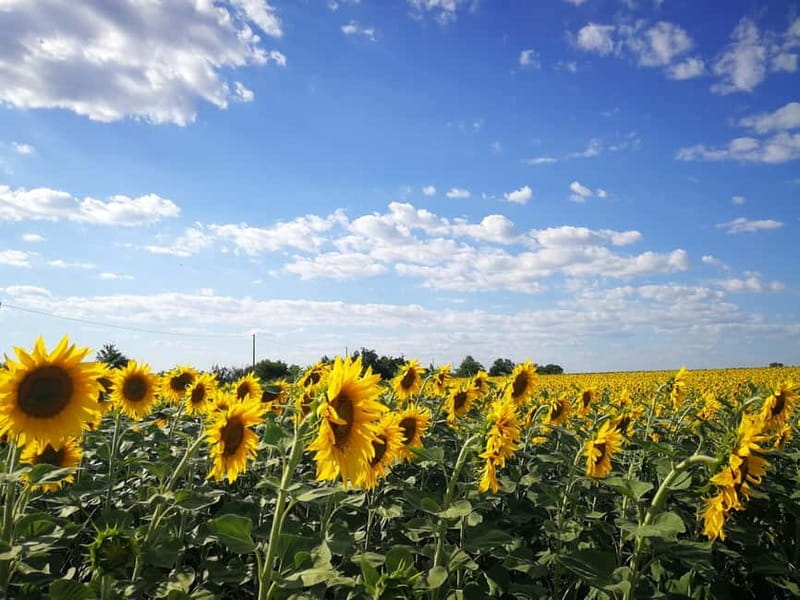
The full experience lasts eight hours, with roughly one hour each way between Belgrade and the northern stops. Transportation, hotel pickup and drop-off, entrance fees, a professional English-speaking guide, and the winery visit with tasting are included.
At $104 per person, the price is not the cheapest way to reach Novi Sad. A person focused only on Novi Sad might spend less by using public transport and exploring independently. That comparison, however, leaves out the fortress, monastery, Sremski Karlovci, winery, and the guide’s explanations.
I think the price makes the most sense if you have only one free day and want the region explained as a connected story. You are paying for convenience and interpretation as much as for transport. The guide can turn the drive into useful background time, which several highly rated experiences specifically praised.
The pickup arrangement is practical. You wait in your hotel lobby 10 minutes before the scheduled departure, then return to Belgrade at the end of the day. Starting times depend on availability, so confirm the departure time before booking.
The trip is listed as a small group with no more than 15 people. That is a helpful middle ground. You get more personal contact than on a large bus, but you may not have the private-tour flexibility that one person received when Novica was able to focus on a single guest.
Free cancellation is available up to 24 hours before departure for a full refund, and you can reserve without paying immediately. Those terms reduce the risk of booking ahead, though the key decision is still whether you want a full sightseeing day rather than a relaxed independent visit.
Who Will Enjoy This Day Most
I would recommend this trip to a first-time visitor to Serbia who is based in Belgrade and wants to see beyond the capital. It suits you especially well if you like history, architecture, religious art, wine, and guided context in equal measure.
It also works for couples, solo visitors, and small groups who prefer not to manage regional transport. The limited group size and hotel pickup remove much of the day’s practical work.
You should think twice if your priority is a long, unhurried stay in Novi Sad. The city portion is only about two hours total, including free time. You should also consider another plan if you dislike fixed schedules, do not drink, or want a serious hike in Fruška Gora. This is a sightseeing route through the mountain area, not a hiking excursion.
The guide can shape the day’s quality. Milos has been praised for handling both driving and guiding, while Novica has impressed people with wide-ranging knowledge and humor. Stefan has also received warm praise for explaining Serbian history and making the wine and honey tasting enjoyable. Names cannot guarantee who will lead your tour, but they show how much the guide matters here.
Should You Book This Novi Sad and Fruška Gora Tour?
Book it if you want a carefully packed introduction to Vojvodina and prefer having the history explained as you go. The combination of Petrovaradin Fortress, Novi Sad, Krušedol Monastery, Sremski Karlovci, and Bermet wine gives you far more range than a simple city transfer.
Skip it if you want to spend a full day in Novi Sad alone, linger over meals, or explore at your own pace. For most people with limited time in Belgrade, though, the $104 cost is fair because it includes transport, entries, a guide, and a regional tasting.
Pack covered shoulders, allow for changing weather, and save room for Bermet. If you enjoy places that connect old fortresses, religious art, local wine, and everyday city life, this is one of the better single-day ways to meet northern Serbia.
FAQ
How long does the tour last?
The experience lasts eight hours, including travel between Belgrade and the sights in Vojvodina.
Is hotel pickup and drop-off included?
Yes. Pickup and drop-off at your hotel in Belgrade are included. You should wait in the hotel lobby 10 minutes before the scheduled pickup time.
What language is the tour conducted in?
The live tour guide speaks English.
Is lunch included?
No. Lunch and other food and drinks are not included. The itinerary provides about one hour in Novi Sad for lunch and free time.
Is wine tasting included?
Yes. Entry to the winery and wine tasting are included. The tasting features local wines, including Bermet.
What should I wear for the monastery visit?
Sleeveless shirts are not allowed. The tour runs in rain or shine, so suitable clothing for changing weather is also recommended.
Just added around the world
- No.1 Chiang Mai: 3-Hour Monk Trail Hike to Wat Doi Suthep & Palad★ 5.0 · 11 reviews
- 8 Days Private South India Temple Tour with 4 Star Luxury Hotels★ 5.0 · 3 reviews
- Chennai City Highlights – Government Museum & Temple Discovery★ 4.0 · 7 reviews
- South India Tour- Temple Architecture and Backwaters★ 5.0 · 7 reviews
- Chania Private Tour: Monastery, Scenic Gorge & Mountain Views★ 5.0 · 12 reviews
- 2-Day Private Tour of Leshan Grand Buddha and Emei Shan including Monastery Stay★ 4.5 · 8 reviews
- Half-Day Trip to Arkadi Monastery and Melidoni Cave★ 4.5 · 4 reviews
- Monastery, Elafonissi and Winery Tour from Chania★ 5.0 · 8 reviews
Wine Tours, compared.
Tatev & Shaki Waterfall Guided Group Tour with Wine Tasting
Read our review →
Group Tour: Shaki waterfall, Tatev monastery & ropeway, Hin Areni winery
Read our review →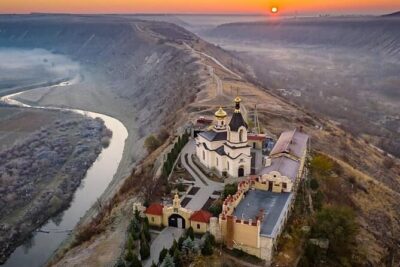
Best of Moldova: Cricova Winery & Old Orhei Tour including Curchi Monastery
Read our review →
Full-Day Trip Barcelona to Montserrat Monastery & Cava Winery
Read our review →
Curchi Monastery, Old Orhei and Cricova Winery (Optional)
Read our review →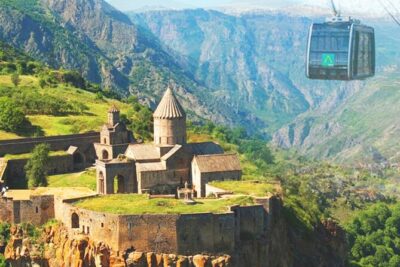
Private tour to Hin Areni winery, Tatev monastery & ropeway, Khndzoresk caves
Read our review →
Chisinau: Cricova Winery, Curchi Monastery, & Old Orhei Tour
Read our review →Browse the lists this tour appears in