
Review · ITALY
Benedictine Monastery of Catania – English Guided Tour
Catania’s best surprises are often indoors. The Benedictine Monastery of San Nicolò l’Arena brings together Roman remains, grand late-baroque rooms, old monastic spaces, and a working university. I especially like the access to areas you would likely miss alone and the guides, including Carmen, Giovanni, Nicola, and others praised for clear English and lively storytelling. The main drawback is simple: 75 minutes goes quickly in a building this large, and not every departure may include the viewing platform.
This is also a fine-value tour at $11 per person. You see cloisters, kitchens, cellars, a novices’ garden, dining rooms, a library, and Roman houses, while learning how the complex changed after more than 30 years of restoration. If you want a quick but meaningful introduction to Catania, this is a strong choice.
Key things to know before visiting
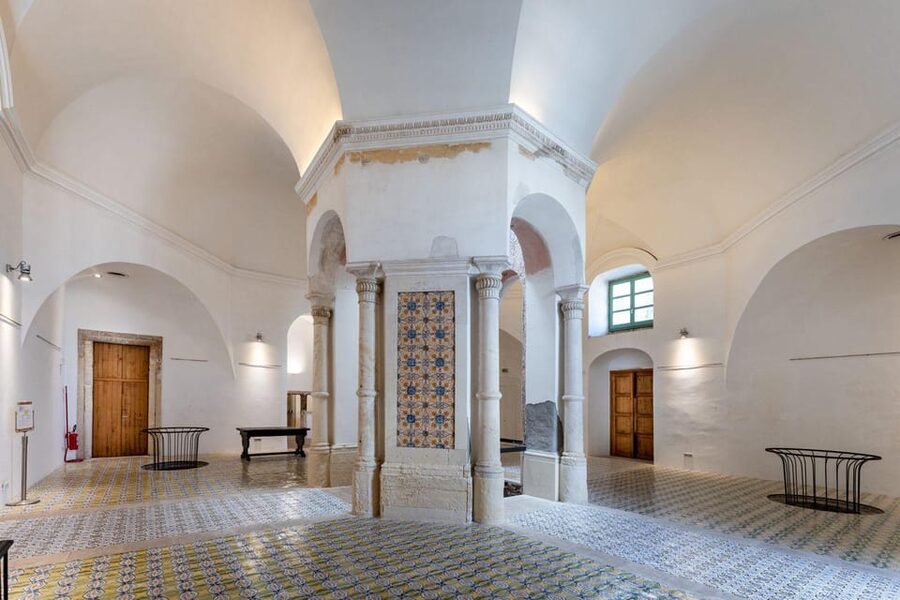
- Roman houses beneath a university library: Ancient remains appear under a modern student mezzanine, an unusually direct link between Catania’s past and present.
- A monastery on lava: The cellar was built over volcanic lava, giving the lower level a striking sense of place.
- A huge baroque complex: The monastery is one of Europe’s largest, with grand work by architect Giovanni Battista Vaccarini.
- Guides make the difference: Carmen, Giovanni, and Nicola have been praised for fluent English, humor, patience, and clear explanations.
- A working university today: Students use parts of the former monastery, including the Library of the Department of Humanities.
- Short and inexpensive: The 75-minute visit costs $11 and includes areas that are not normally open to the public.
Why this Catania tour is worth your time
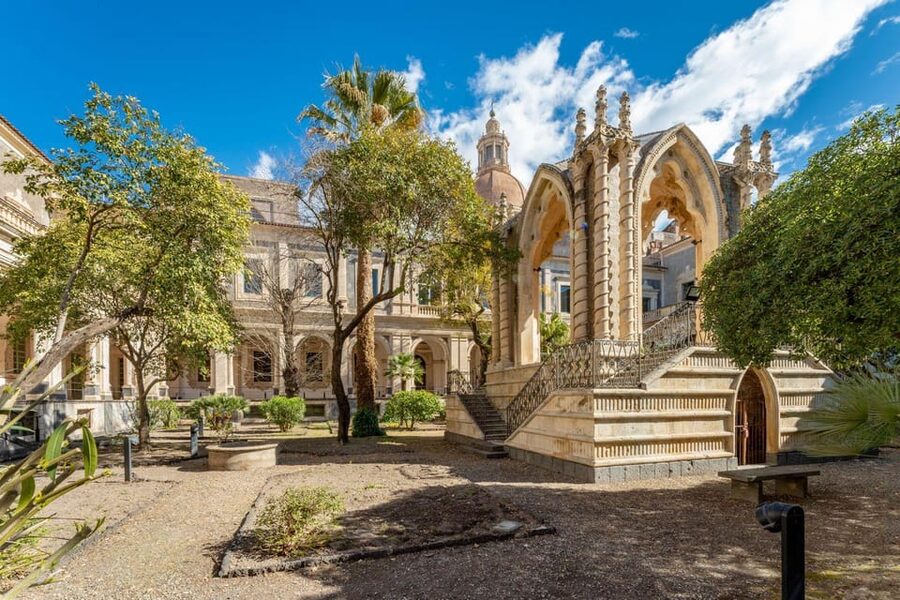
The Benedictine Monastery is not simply a preserved religious building. It is a long-running conversation between ancient Catania, the wealth of the Benedictine order, earthquake and volcanic damage, modern restoration, and university life.
That mix gives the visit its appeal. You are not walking through a frozen monument where every room feels cut off from modern life. Students use parts of the complex today, and a modern architectural project by Giancarlo De Carlo made it possible to preserve old structures while adapting them for new use.
I like tours that explain how a place functions, not just when it was built. Here, you learn about the monks who lived in the complex, the spaces they needed, the wealth behind the architecture, and the practical decisions that allowed the monastery to become part of the University of Catania.
At $11, the value is hard to argue with. The ticket covers a guide and access to areas that may not be open during an independent visit. You also get baggage storage at the meeting point, useful if you are carrying luggage or shopping bags.
A few more temple visits around Italy worth a look
- Agrigento: Valley of the Temples Skip-the-Line Sunset Tour
★ 4.5 · 1,512 reviews - Pantheon Elite Guided Tour – Rome’s Iconic Ancient Temple
★ 5.0 · 1,447 reviews - Palermo: Agrigento and the Valley of the Temples Day Tour
★ 4.2 · 1,240 reviews
Finding the meeting point at Piazza Dante
The monastery’s main entrance is on Piazza Dante. Once you pass through the main gate, look for the information point in the courtyard on the right.
This is worth noting because the complex is large and can feel confusing at first. You do not need to wander around looking for a separate street office. Go through the gate, enter the courtyard, and find the information point.
The tour begins and ends at the monastery. There is no transportation between stops, so you spend the full visit inside the complex. The listed duration is 75 minutes, a useful length if you are fitting the monastery between other Catania sights.
The tour is offered in English. If English is not your first language, written translations in French or Spanish can be provided. The monastery is wheelchair accessible, although the building’s many historic spaces may still make the guide’s route important to follow closely.
The cloisters and the scale of monastic life
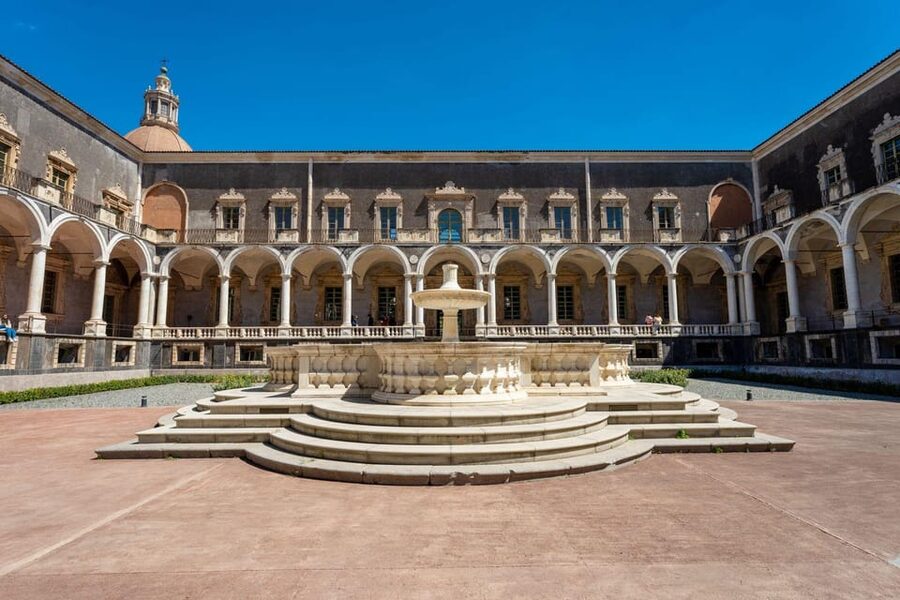
The first major impression is size. This is one of the largest monasteries in Europe, and its scale helps explain the power and wealth once held by the Benedictine order.
The two cloisters give you a calmer view of the complex. These open spaces helped organize monastic life, connecting rooms and providing light and air within the heavy stone structure. Your guide uses them to explain how people moved through the monastery and how the building operated as a community rather than as a single grand hall.
Look closely at the contrast between the elegant architectural details and the practical layout. This was a place for prayer, study, cooking, storage, administration, and communal meals. The visit becomes more interesting when you picture the monastery as a working institution with many people depending on it every day.
The scale can also be a drawback. You will see a lot in 75 minutes, but you will not have time to linger over every architectural detail. If you prefer slow, silent sightseeing, the group format may feel brisk. If you want the main story and the most important spaces, the pace works well.
Roman houses beneath a modern library
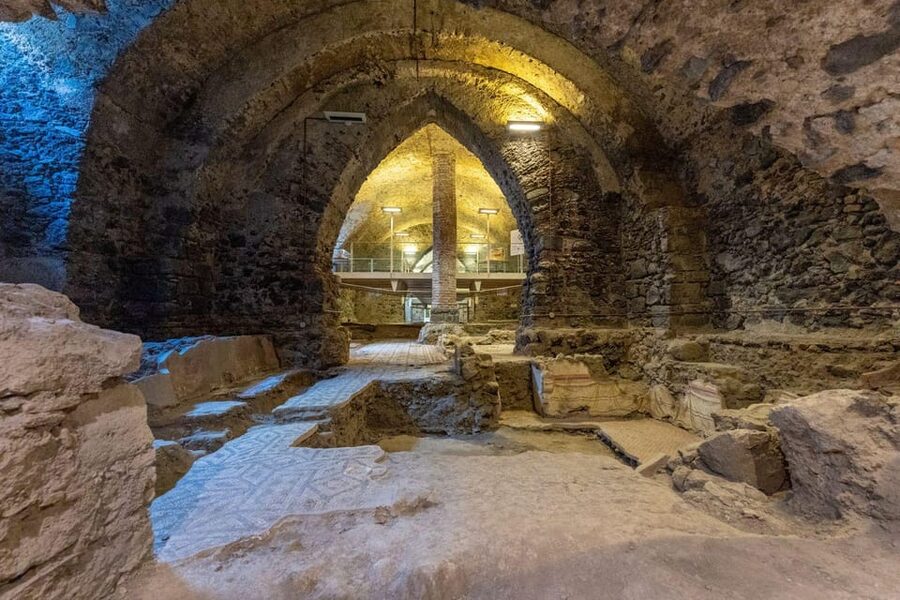
One of the most unusual stops is the Roman House. It is visible below a modern mezzanine used by students as part of the Library of the Department of Humanities at the University of Catania.
This is the kind of detail that makes the monastery more than a baroque monument. You see ancient remains directly beneath a modern academic space, with university life continuing above the archaeological layers.
The tour presents a journey through roughly 2,000 years of history. The Roman structures are not treated as a separate attraction far from the monastery. They are physically part of the same complex, showing how Catania has been built, damaged, adapted, and rebuilt over time.
For me, this is one of the strongest reasons to take the guided visit. Without context, the Roman remains could look like another set of old stones. The guide explains where they fit in the building and why their position matters.
The combination of archaeology and present-day university use is also practical. It shows how historic buildings can serve a current purpose without losing every trace of their past.
Same place, a different morning at the gates:
- Rome’s Iconic Temple: Pantheon Audio Guided Tour with Fast Access
★ 4.0 · 1,188 reviews - Agrigento: Valley of the Temples Ticket & App Audioguide
★ 4.3 · 1,160 reviews - Colosseum Special Access Tour, with Ancient Temples & Tombs
★ 4.8 · 747 reviews - Agrigento: Valley of the Temples E-Scooter Tour
★ 4.6 · 557 reviews
The novices’ garden and monastic routines
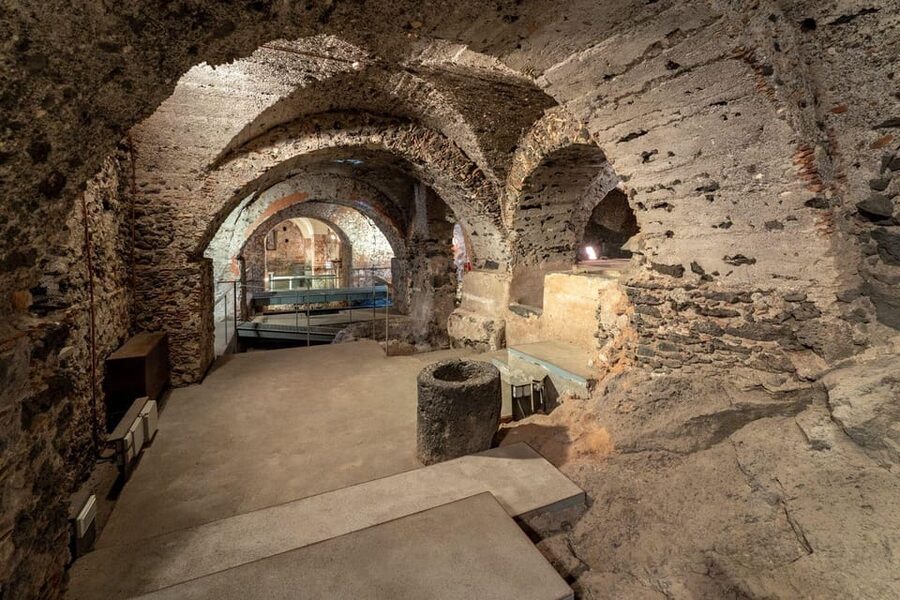
The Garden of the Novices offers a different mood from the monumental rooms. It helps you think about the people who lived inside the monastery, especially those still learning the religious life.
The garden was part of the monastery’s internal world. It was not simply decorative space for visitors. Along with the cloisters and service rooms, it helped support daily routines within the complex.
Your guide connects these areas to the lives of the monks and novices. That human scale matters. Grand staircases and decorated halls can tell you about status, but gardens, kitchens, dining rooms, and cellars tell you how people actually lived.
You may find this part of the tour especially useful if you are interested in social history. The monastery was not only an architectural project. It was also a self-contained community with rules, work, study, meals, and religious duties.
The 18th-century kitchens and dining rooms
The famous 18th-century kitchens are among the tour’s most memorable spaces. They reveal the practical side of an institution wealthy enough to support a large population.
A kitchen can explain a building better than a decorated façade. It shows the scale of food preparation, the demands of communal life, and the connection between religious power and material comfort. Here, the guide helps you see the monastery as a place that needed constant supplies and organization.
The dining rooms add another layer. These spaces were designed for communal meals, and their size reflects the number of people connected to the monastery.
I like this portion because it cuts through the easy image of monks living in isolation. The Benedictine order had considerable resources, and the kitchen and dining areas make that wealth easier to understand. The tour does not only show beautiful rooms. It explains what those rooms were for.
The route can feel like a maze, but that is part of the character. Corridors lead into rooms, rooms connect to courtyards, and older structures sit beside later additions. Your guide keeps the sequence understandable, which is important in a complex with so many layers.
The lava-built cellar and lower levels
The cellar is one of the tour’s most distinctive stops. It was built on lava, a reminder that Catania’s architecture is tied closely to Mount Etna and the volcanic ground beneath the city.
The former 16th-century cellar is now used as the Library of the Department of Humanities. This change of use captures the monastery’s larger story: an old monastic space now supports students and research.
The lower areas also provide relief during hot weather. One visitor specifically appreciated the cooler underground rooms during a summer visit, although you should not treat the cellar as an air-conditioned attraction. Its value is architectural and historical first.
Seeing the lava-built foundations helps explain why Catania can feel so different from other Sicilian cities. The city’s buildings are shaped by local stone, volcanic activity, destruction, and rebuilding. A guide can draw those connections much more clearly than a short label on a wall.
Vaccarini’s architecture and the grand staircase
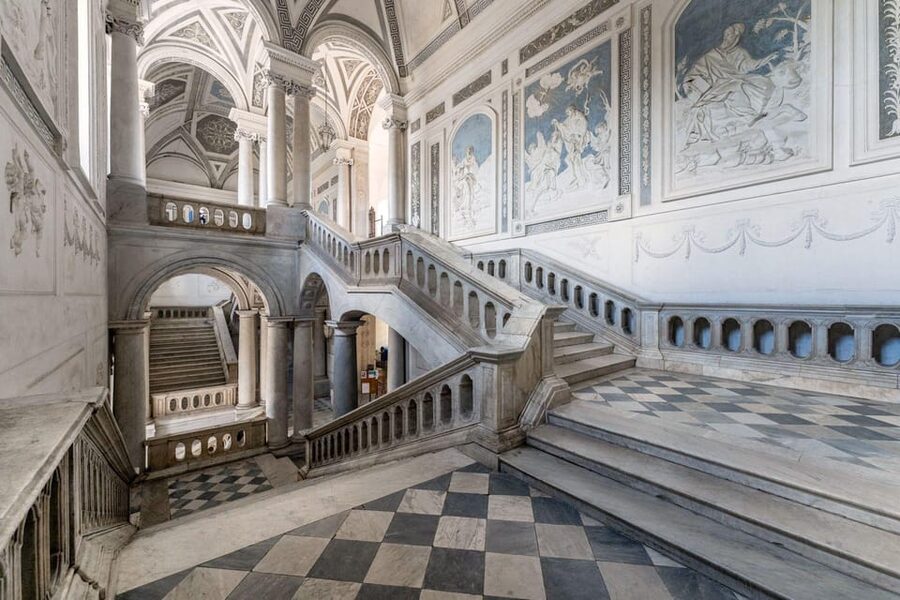
The tour also highlights the work of Giovanni Battista Vaccarini, one of the key architects associated with Catania’s late-baroque rebuilding.
The monumental staircase is a clear example of the monastery’s formal side. It gives the complex a sense of ceremony and scale, showing how architecture could express the status of the institution.
The baroque design is not limited to one decorative room. It appears in the way spaces open onto one another, in the grand circulation routes, and in the relationship between practical rooms and formal areas.
You do not need to be an architecture specialist to enjoy this section. The guide explains what to look for and places the monastery within the rebuilding of Catania. That wider context is useful because the monastery makes more sense when you understand the city’s repeated cycles of damage and renewal.
How the 30-year restoration changed the experience
The monastery’s present condition is the result of more than 30 years of restoration. The work was not simply about polishing old stone or returning every room to an imagined original state.
Architect Giancarlo De Carlo directed a contemporary refurbishment project that allowed the historic complex to function as part of the university. The result is a deliberate meeting of old and new.
You will see modern interventions beside Roman remains, monastic rooms, and baroque architecture. Some visitors love this approach because it keeps the building useful and alive. Others may prefer historic sites with fewer modern additions.
I think the contrast is one of the monastery’s strengths. The modern mezzanine above the Roman House and the university library in the former cellar make the preservation story visible. You are not asked to pretend the monastery stopped existing after the monks left. You see what happened next.
Guides, language, and the right pace
The guide is central to this experience. The building has enough corridors, dates, architectural changes, and historical layers to overwhelm you without a clear narrative.
Carmen has been praised for excellent English, a funny presentation, and a well-judged amount of information. Giovanni has been described as engaging and humorous, while Nicola has been praised for making the rooms and stories easy to follow. Other guides have also been credited with answering questions carefully and connecting the monastery to Catania’s wider history.
The strongest pattern is the delivery. The tour is informative without feeling like a lecture. Guides use anecdotes, legends, humor, and clear explanations to keep the 75 minutes moving.
That does not mean every departure will feel identical. The guide’s personality shapes the experience, and some people may prefer more time for photographs than for storytelling. Still, the tour is a better choice than trying to understand the building alone.
If English is difficult for you, ask about written translations in French or Spanish. The spoken tour itself is in English.
Is 75 minutes long enough?
Seventy-five minutes is enough for a strong introduction, not a complete study of the monastery.
You can expect to see the two cloisters, the former cellar and library, the Roman House, the Garden of the Novices, the kitchens, cellars, dining rooms, Vaccarini’s work, and the monumental staircase. The guide brings these stops together as a single story, moving from the Roman age to the present university.
The short duration is useful if you have only part of a day in Catania. It also suits people who want a focused cultural visit without committing to a half-day museum experience.
The tradeoff is that you may not have time to explore every room at your own pace. One departure did not include access to the viewing platform, and access can depend on the tour schedule. If that viewpoint matters to you, confirm the departure details before booking so you are not disappointed.
Who should book this monastery tour?
I would recommend it to first-time visitors to Catania, history fans, architecture lovers, and anyone curious about how old buildings can serve modern life.
It is also a good pick for families and mixed-age groups because the guide keeps the story moving and the visit does not last too long. The underground rooms, Roman remains, kitchens, and stories about daily life give you several different points of interest.
You may want to skip it if you only want a quiet religious space for personal reflection, or if you dislike guided visits. The monastery is active as part of a university, so it is not presented as a perfectly untouched medieval world.
The tour is wheelchair accessible, and baggage storage is available at the meeting point. Free cancellation is allowed up to 24 hours before the tour, and you can reserve now and pay later, useful if your Catania plans are still shifting.
Should you book the Benedictine Monastery tour?
Yes, especially at $11. The price is modest for a 75-minute guided visit that includes Roman remains, lava-built lower levels, baroque architecture, university spaces, and rooms not normally open to the public.
Book it if you want a clearer understanding of Catania than you can get from a quick walk through the center. The monastery’s best feature is not one single room. It is the way the guide connects ancient foundations, monastic wealth, volcanic ground, restoration, and student life.
I would choose this tour early in your Catania stay. It gives you useful context for the city and its architecture, and the short format leaves plenty of time for other sights afterward.
FAQ
How long does the Benedictine Monastery tour last?
The guided tour lasts 75 minutes.
How much does the tour cost?
The price is $11 per person.
Where does the tour begin?
Enter the main gate on Piazza Dante. The information point is in the courtyard on the right.
Does the tour return to the same place?
Yes. The tour begins and ends at the Benedictine Monastery of San Nicolò l’Arena.
What language is the tour conducted in?
The live guided tour is in English.
Are written translations available?
Yes. Written translations in French or Spanish can be provided if English is not your main language.
Is the monastery wheelchair accessible?
Yes, the activity is listed as wheelchair accessible.
What areas can I see during the tour?
The route includes the two cloisters, the 16th-century cellar and library, the Roman House, the Garden of the Novices, kitchens, cellars, dining rooms, Vaccarini’s work, and the monumental staircase.
Can I store my bags?
Yes. Baggage storage is available at the meeting point.
Is the viewing platform included?
Access to the viewing platform may depend on the departure. One scheduled tour did not include it, so check the timing if this feature is important to you.
Just added around Italy
- Private Tour to the Villa Romana del Casale and the Valley of the Temples★ 4.5 · 19 reviews
- Agrigento and Piazza Armerina: Valley of the Temples and Villa Romana del Casale★ 4.5 · 121 reviews
- Villa Romana Del Casale in Piazza Armerina and Valley Of Temples in Agrigento★ 4.5 · 38 reviews
- Padre Pio’s Shrine in San Giovanni Rotondo from Bari (Apulia)★ 5.0 · 3 reviews
- Cooking Class in a former Artist Monastery in the Heart of Monopoli★ 5.0 · 18 reviews
- Agrigento to Siracusa with Valley of Temples and Roman Villa Trip★ 5.0 · 5 reviews
- Private transportation to the Valley of the Temples + Agrigento★ 5.0 · 8 reviews
- Agrigento Valley of the Temples Archaeological Area★ 4.0 · 33 reviews
Italy Temple Tours, compared.
Valley of the Temples Skip-the-Line Sunset Tour
Read our review →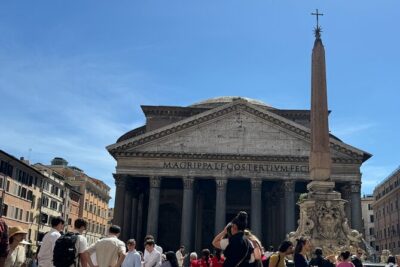
Pantheon Elite Guided Tour – Rome’s Iconic Ancient Temple
Read our review →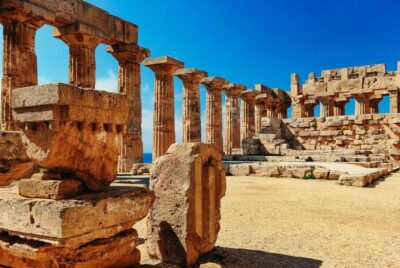
Agrigento and the Valley of the Temples Day Tour
Read our review →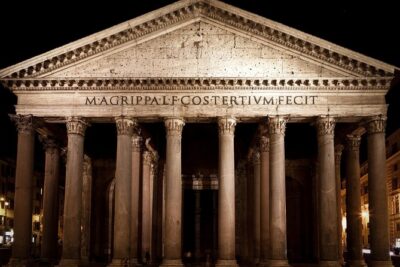
Rome’s Iconic Temple: Pantheon Audio Guided Tour with Fast Access
Read our review →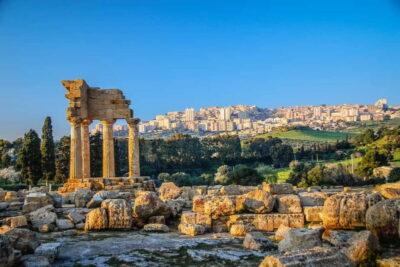
Valley of the Temples Ticket & App Audioguide
Read our review →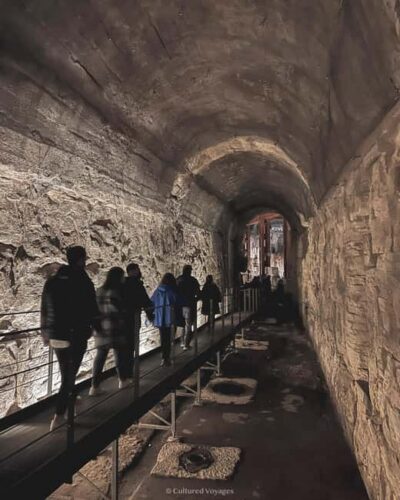
Colosseum Special Access Tour, with Ancient Temples & Tombs
Read our review →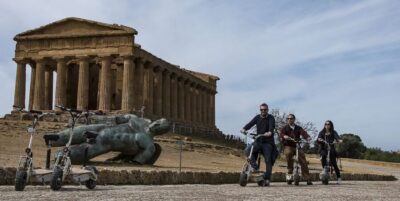
Valley of the Temples and Scala dei Turchi Day Trip
Read our review →Browse the lists this tour appears in