
Review · BALI
Bali/Batur: Mystical & Burial Rituals Tour with Kehen Temple
Bali’s quieter traditions can be the most memorable. This eight-hour trip from Trip Gotik takes you beyond the usual temple circuit to Trunyan, Bayung Gede, and Kehen Temple, with a guide explaining how Balinese life connects the visible world, known as Sekala, with the unseen world, known as Niskala. I especially like the chance to meet people from Bali Aga communities and the visit to Bayung Gede’s unusual placenta trees. The main consideration is that Trunyan’s cemetery contains real human remains, so this is not a light sightseeing stop for everyone.
The $35 price is strong value when your option includes hotel transport, a guide, entrance fees, water, and the boat ticket to Trunyan. I also like the way the guides shape the day around conversation. Guides such as Raka, Kar, Dwipa, Suker, and Karba John have been praised for explaining customs clearly and answering questions with care. Just check the booking option closely: the boat can cost IDR 600,000 per boat, carrying up to five people, if it is not included.
Key points to know before booking
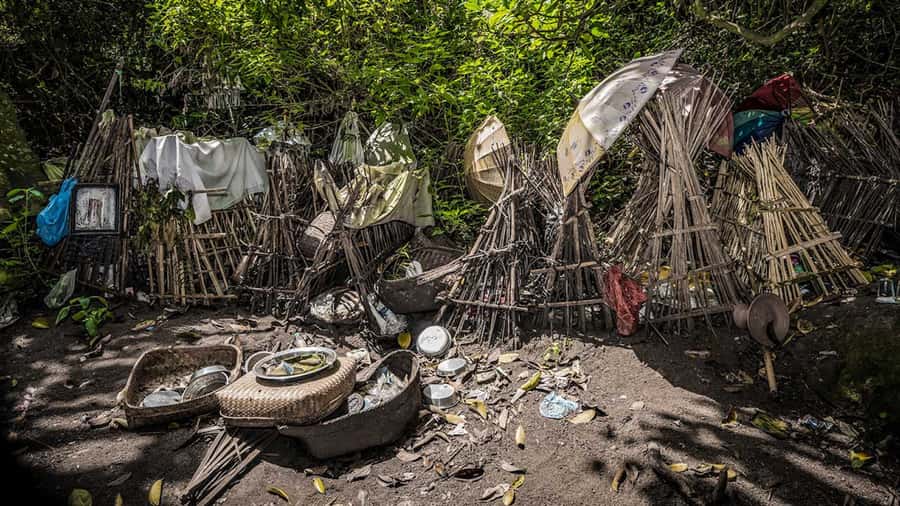
- Trunyan requires an honest look at death: Bodies are placed in bamboo cages beneath the Taru Menyan tree rather than cremated.
- Bayung Gede offers a rare local custom: Newborn placentas are hung in trees instead of being buried.
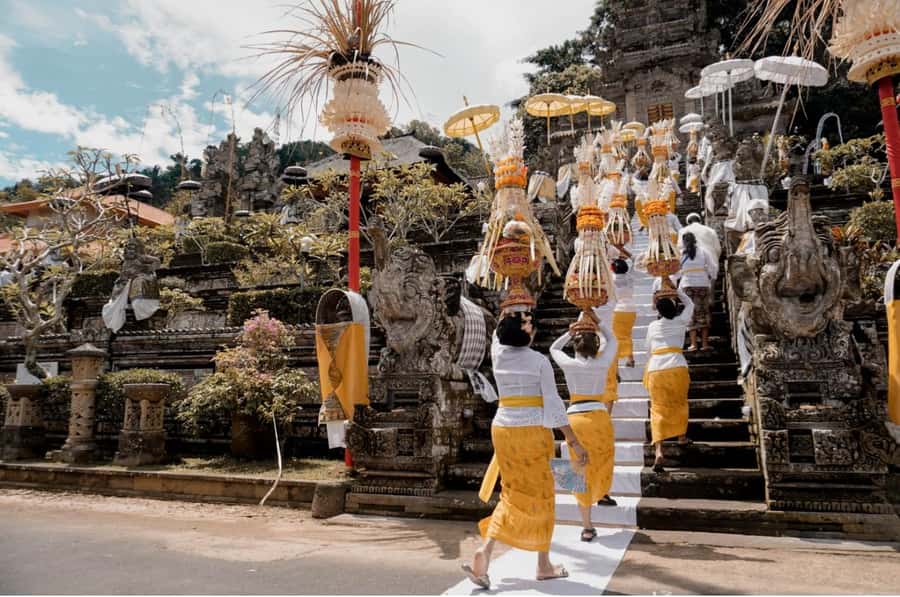
- Kehen Temple rewards the uphill walk: Its grand steps and old banyan tree create one of the day’s most photogenic stops.
- The guide makes the difference: The strongest part of the trip is the cultural explanation during the long drives and village visits.
- The boat cost needs checking: IDR 600,000 covers a boat for up to five people, but a solo guest may pay the full amount.
- This is not a standard temple tour: Sacred rules, modest clothing, uneven paths, and sensitive burial customs require respect.
Why this tour offers a different Bali
Many Bali day tours follow a familiar formula: waterfalls, rice terraces, coffee stops, and temples dressed for photographs. This one takes you toward older village traditions around the Batur area and Bangli. You spend much of the day learning how communities preserve customs that can feel very different from modern tourist Bali.
The subject is not just death. Your guide may explain how Balinese Hindu beliefs connect birth, marriage, cremation, offerings, village duties, and the soul’s journey. That wider context matters because the cemetery can otherwise seem like a strange spectacle. With a thoughtful guide, you are more likely to understand why these practices exist and how local people see them.
The experience is private or small-scale in feel, with hotel pickup in an air-conditioned car. The long road time is useful rather than wasted. Guides including Yogi, Karba John, Sana, Raka, and Dwipa have been praised for turning the drive into an informal lesson about Bali’s customs, history, and spiritual ideas.
The tour lasts about eight hours, though add-ons can extend the day. Starting early is wise if you add coffee, a meal, a swing, rafting, or another activity. Traffic around Ubud can become difficult later in the day, and one guest specifically advised avoiding a late start when extras are added.
A few more temple visits around Bali worth a look
- Bali: Besakih Temple & Lempuyang Temple Gates of Heaven Tour
★ 4.8 · 3,243 reviews - Bali Sunset: Uluwatu Temple, Kecak Dance and Jimbaran Bay
★ 4.7 · 2,397 reviews - North Bali: Sunrise Tour with Dolphins, Waterfalls & Temples
★ 4.6 · 831 reviews
Trunyan and the Taru Menyan tree
The trip’s most striking stop is Trunyan, an ancient village on the shore of Lake Batur. You reach the cemetery by boat, making the crossing part of the experience rather than a simple transfer. Weather can affect the ride, so the route may be adjusted for safety.
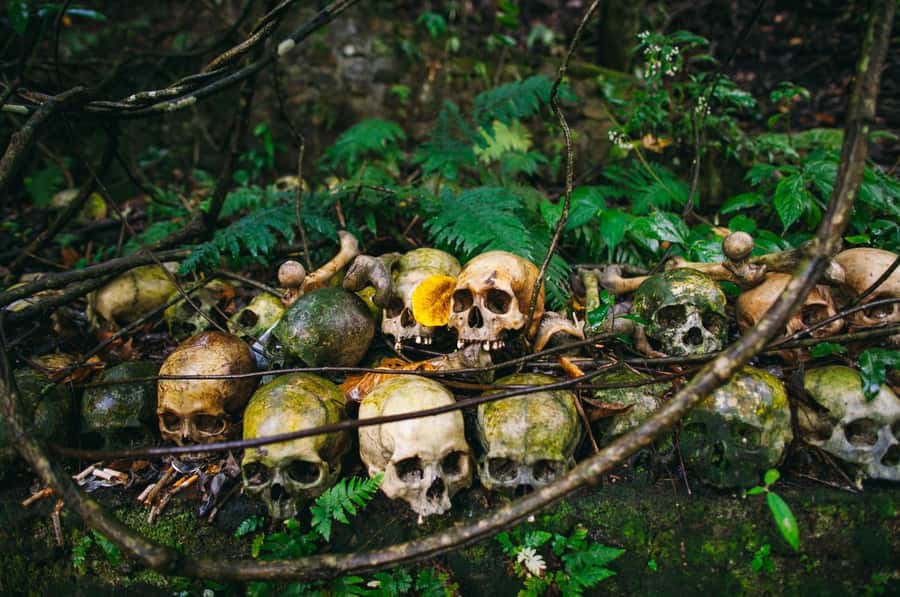
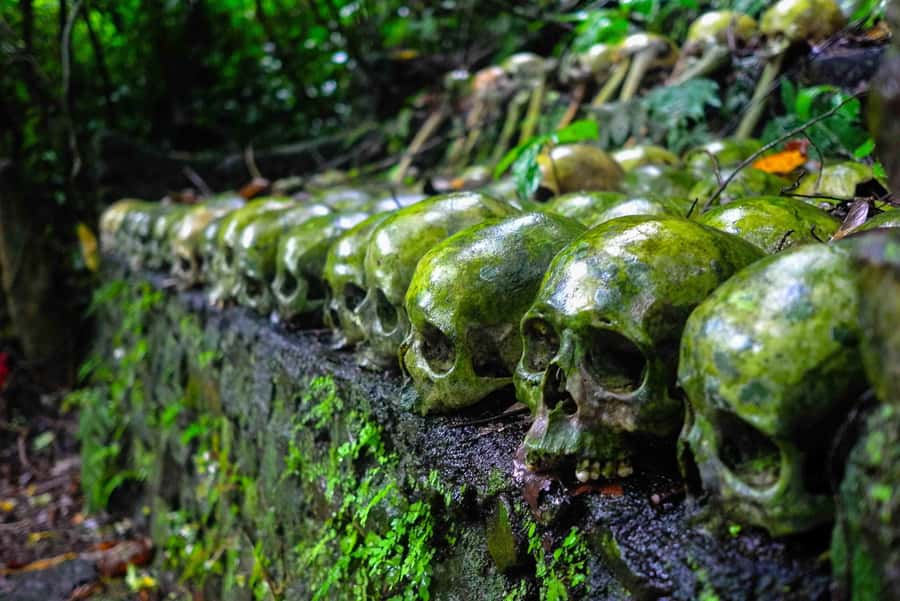
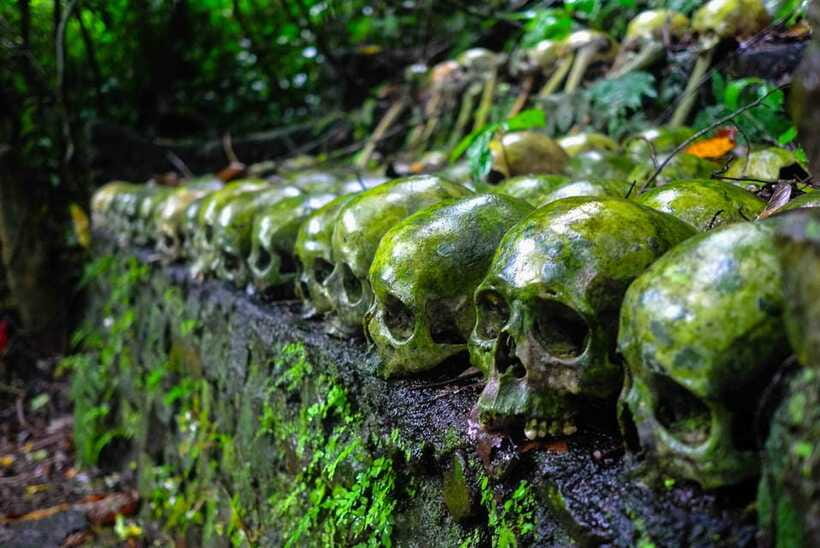
Trunyanese funerary customs differ from the cremation ceremony most people associate with Bali. After a cleansing ritual, the body of a married person is placed in an ancak saji, a bamboo cage beneath the Taru Menyan tree. Taru Menyan means nice-smelling tree, and local belief holds that its scent neutralizes the odor of decay. The village name, Trunyan, comes from this tree.
The cemetery contains actual human remains. That fact is important to understand before you go. Some people find the setting fascinating and spiritually moving, while others may feel unsettled and want to leave quickly. You should not treat the site like a macabre photo opportunity. Ask before taking pictures, follow your guide’s instructions, and avoid touching ceremonial objects or restricted areas.
One guest found the burial ritual difficult to face for long, even while appreciating the explanation. That is a fair warning. You can learn from the visit without pretending it will feel comfortable. Pregnant people, wheelchair users, and people with mobility limitations are advised not to book this activity, and anyone uneasy around death rituals should think carefully.
The boat charge deserves special attention. If your selected option excludes entry tickets, the boat to Trunyan is not included. The stated cost is IDR 600,000 per boat for up to five people. A group of five can split that cost, but a solo visitor may have to cover the full amount. Confirm the exact option and payment arrangement before departure, and carry cash because local villages generally do not accept cards.
There has also been some uncertainty about access. One booking party was told Trunyan was closed to tourists and did not visit the village. That means local conditions can change. Ask your operator to confirm access shortly before the tour, especially if this is the main reason you are booking.
Bayung Gede and the hanging placentas
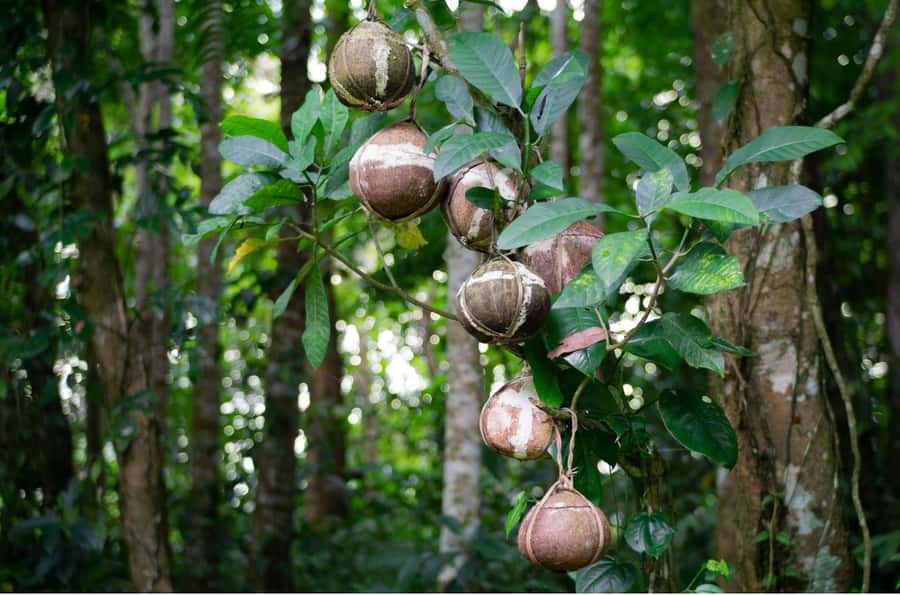
Bayung Gede gives the day a different kind of surprise. The village is considered the parent of Bali’s ancient villages, and it is known for hanging newborn placentas in trees.
In much of Bali, a placenta receives a burial ritual. In Bayung Gede, the placenta is left unburied and hung in a designated tree area. The custom is unusual, and it gives you a direct look at how birth is handled within a traditional village setting.
This stop is less confronting than Trunyan, but it still requires good manners. You are entering a living community, not an open-air museum. Dress modestly, keep your voice low, and ask before photographing residents or ritual items. A sarong may be supplied when needed, but you should still arrive with shoulders and knees covered.
The visit can be especially rewarding if you enjoy seeing how village compounds work and how local beliefs shape everyday life. One guest particularly valued speaking with local people and learning about rural Balinese homes. That kind of contact is more meaningful than simply passing a row of buildings from a car window.
Kehen Temple and the steps of heaven
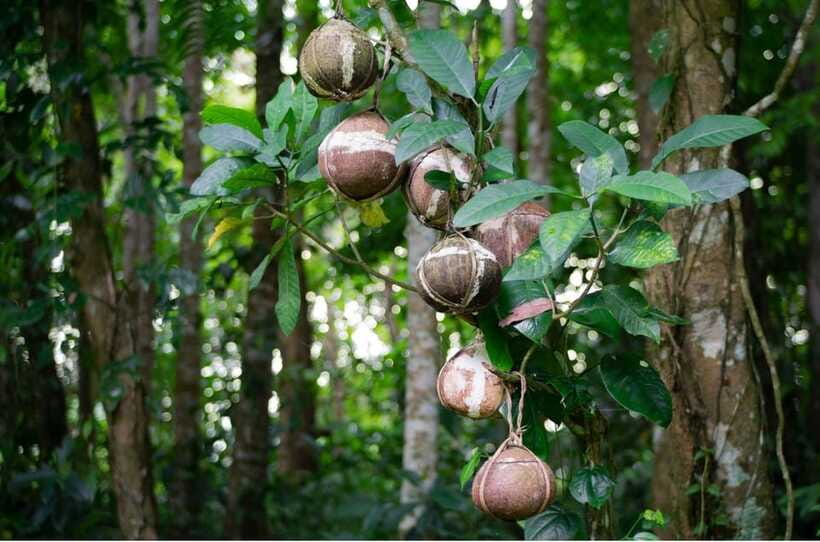
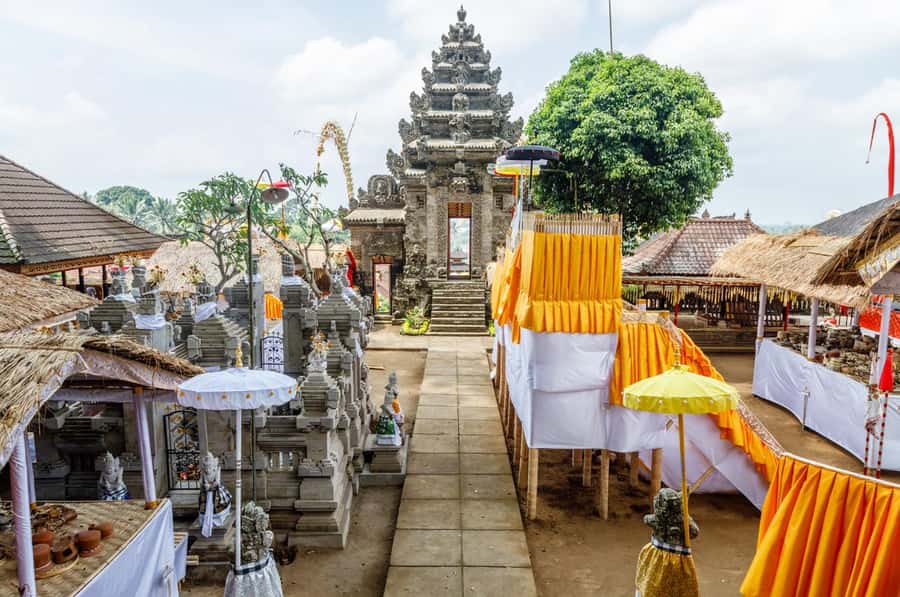
Kehen Temple brings the day back to a grand Hindu setting. Located on the slope of Bukit Bangli, it is regarded as Bangli’s mother temple. The approach is marked by impressive steps, often described as the steps of heaven, which lead you upward into the temple grounds.
The climb and uneven surfaces mean comfortable shoes are a smart choice. This is not a quick roadside photo stop. Take time to look at the carved entrance, the temple structures, and the old banyan tree with its wooden bell. The bell is one of Kehen’s distinctive details, and the tree is described as old and secretive in local tradition.
Your guide can help explain what you are seeing, including the role of the temple in local Hindu practice. That help is valuable because Balinese temple layouts and ceremonies can be confusing if you only have a few minutes to look around. Dress with shoulders and knees covered, and follow any local restrictions on movement or photography.
Kehen is also the easiest place to appreciate the visual side of the tour. Trunyan asks you to think about death, and Bayung Gede asks you to consider birth. Kehen gives you architecture, ritual space, carved stone, and a dramatic approach. The three stops work well together because they show different parts of Balinese spiritual life.
Same place, a different morning at the gates:
- Bali: Tanah Lot Temple Half Day Sunset Tour
★ 4.4 · 702 reviews - Bali: Hidden Canyon, Waterfall & Temples Small Group Tour
★ 4.7 · 563 reviews - North Bali: Sekumpul Waterfalls and Ulun Danu Temple Tour
★ 4.7 · 431 reviews - Bali: Sacred Temples and Sunset Private Tour
★ 4.8 · 429 reviews
The guide is the heart of the day

The car time can be substantial, so your guide matters as much as the sites. The strongest comments focus on warmth, clear English, cultural insight, and patient answers rather than on fancy transport or rushed sightseeing.
Raka is praised for making the day educational while keeping it friendly. Kar is repeatedly described as thoughtful and careful when explaining cemetery customs. Dwipa has been singled out for clear explanations, safe driving, and helping solo visitors feel comfortable. Karba John is noted for combining cultural knowledge with a calm manner and strong photography help.
Other guides named during the season include Yogi, Suker, Sana, Nyoman, Manu, Sumadi, Wayan Kar, and Agus. Experiences can vary by guide, but the pattern is clear: this tour works best when you ask questions. Ask about Sekala and Niskala, village rules, the difference between Trunyan and other Balinese communities, and how birth and death rituals fit into Hindu practice.
A separate guide and driver may be provided on some bookings. One guest appreciated this arrangement because the guide could focus fully on interpretation instead of driving. If you are hoping for a particular guide, request that person, but do not assume a specific assignment is guaranteed.
Food, coffee, and optional extras
Lunch is not included, so plan for an additional cost. The quality and price of the lunch stop can vary. One guest found a scenic restaurant expensive and disappointing, while others had excellent local meals after asking the guide to find a small roadside place or babi guling restaurant.
That gives you a practical strategy: tell your guide early what you want to eat and what price level feels reasonable. A view does not guarantee good value. Bring cash for food and village expenses.
Optional extras include a buffet lunch, Polaroid photos, traditional massage, Luwak coffee tasting, jungle swings, rafting, ATV riding, hot springs, coffee tasting, and a German-speaking guide. These additions can turn a focused cultural day into a long activity-packed outing, so choose carefully.
I would prioritize the Polaroid option if you enjoy keeping a physical souvenir, especially if your guide is comfortable taking photos. Sumadi received particular praise for helping create good pictures. Luwak coffee is another popular add-on, and some people considered the tasting a memorable finish.
Rafting, ATVs, swings, and hot springs appeal to a different kind of day. They may be fun, but they can dilute the cultural focus and make the schedule tiring. The German-speaking guide is useful only if that language support is important to you, as the standard guide languages are English and Korean.
Price, transport, and practical comfort
At $35 per person, the base price is appealing for an eight-hour private-style excursion with pickup and drop-off. The air-conditioned car is more than a comfort detail. Bali’s roads can be tiring, and you will appreciate having a cool place to rest between stops.
The value depends on your selected option. Entrance fees and the Trunyan boat ticket are included only when the booking choice says they are included. Lunch, photography, and optional activities cost extra. The boat fee is the biggest possible surprise, particularly for solo visitors.
Wear walking shoes with a good grip. You will encounter uneven paths, temple steps, and a boat boarding point. Carry water, sunscreen, modest clothing, and cash. Mineral water is supplied, but an extra bottle is sensible in Bali’s heat.
The tour is not suitable for pregnant women, wheelchair users, or people with mobility impairments. It is also a poor match if you want a relaxed beach day or a short temple visit. The subject matter is serious, and the schedule includes travel between several locations.
You can cancel up to 24 hours ahead for a full refund, and the reserve-now, pay-later option keeps your plans flexible. Pickup is optional, and you should wait in your hotel lobby about five minutes before the agreed time.
Who should book this cultural day?
I would choose this trip if you want to understand Bali beyond its famous viewpoints and beach clubs. It suits people curious about birth, death, Hindu customs, village life, and the relationship between the visible and unseen worlds.
It is also a strong choice for repeat visitors who have already seen the major temples. The route feels different from ordinary Bali sightseeing, and the guides can add personal explanations that you will not get from a signboard.
I would not recommend it for young children who may be frightened by the cemetery, anyone looking for a polished attraction with simple photo stops, or anyone unwilling to follow village rules. You need to approach Trunyan with respect, not shock-seeking curiosity.
Should you book the Trunyan and Kehen tour?
Book it if you want a serious, unusual look at Balinese traditions and are willing to accept some uncertainty around access, boat costs, and weather. The strongest reason to go is the guide-led explanation, not the number of stops. With a good guide, Trunyan and Bayung Gede become lessons in how a community understands life, death, and family.
Check whether the boat and entrance fees are included, ask about current access to Trunyan, and request a guide known for cultural interpretation. If you do that, the $35 base price can be excellent value. If the cemetery feels too confronting, choose a temple and village tour without burial rituals instead.
FAQ
How long does the tour last?
The tour lasts about eight hours. Starting times depend on availability, and optional activities may extend the day.
What is included in the tour price?
Hotel pickup and drop-off, a tour guide, mineral water, and entrance fees are included when you select the option that includes them. The Trunyan boat ticket is included only with the relevant entry-ticket option.
Is the boat to Trunyan included?
It depends on the option you book. If the boat is excluded, a charter costs IDR 600,000 per boat and can carry up to five people.
What happens at the Trunyan cemetery?
After a cleansing ritual, the bodies of married people are placed in bamboo cages beneath the Taru Menyan tree rather than cremated. The site contains real human burial remains.
What is unusual about Bayung Gede?
Bayung Gede is known for hanging newborn placentas in trees rather than burying them. The village is also regarded as the parent of Bali’s ancient villages.
What should I wear?
Wear modest clothing with your shoulders and knees covered when entering villages and temples. Comfortable shoes are recommended for uneven paths and temple steps.
Is lunch included?
No. Lunch is not included, although a buffet lunch is available as an optional add-on. Bring cash because local villages generally do not accept cards.
Is this tour suitable for people with mobility limitations?
No. The tour is not suitable for pregnant women, wheelchair users, or people with mobility impairments. It includes uneven paths, temple steps, and boarding a boat.
Just added around Bali
- The Three Temples of Bali Half Day Private Tour★ 4.0 · 5 reviews
- Bali Pura Taman Ayun Temple, Monkey Forest & Tanah Lot Excursion★ 4.0 · 123 reviews
- Bali Famous Beach, Kecak Dance, Uluwatu Temple, Sunset, Dinner★ 5.0 · 8 reviews
- Ubud: Rice Terrace, Holy Water Temple & Waterfalls Trek Tour★ 4.9 · 115 reviews
- Bali: Uluwatu Temple, GWK, and Padang Beach Full-Day Tour★ 4.7 · 107 reviews
- Bali: Water Temple, Waterfalls and Unesco Rice Terrace Tour★ 4.9 · 66 reviews
- Bali: Beaches, Uluwatu Temple Sunset & Fire Kecak Dance Show★ 4.9 · 9 reviews
- Bali: Uluwatu ATV Quad Bike with Temple Tour & Kecak Dance★ 4.4 · 8 reviews
Bali Temple Tours, compared.

Besakih Temple & Lempuyang Temple Gates of Heaven Tour
Read our review →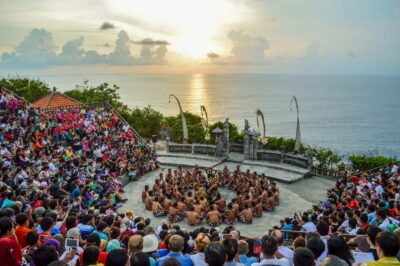
Bali Sunset: Uluwatu Temple, Kecak Dance and Jimbaran Bay
Read our review →
North Bali: Sunrise Tour with Dolphins, Waterfalls & Temples
Read our review →
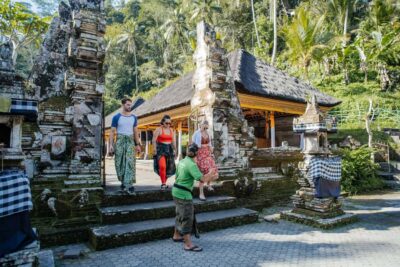
Hidden Canyon, Waterfall & Temples Small Group Tour
Read our review →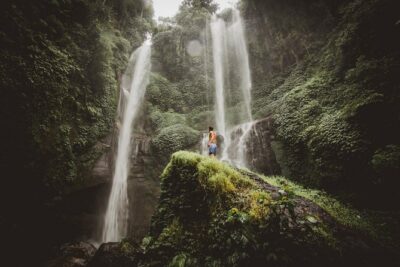
North Bali: Sekumpul Waterfalls and Ulun Danu Temple Tour
Read our review →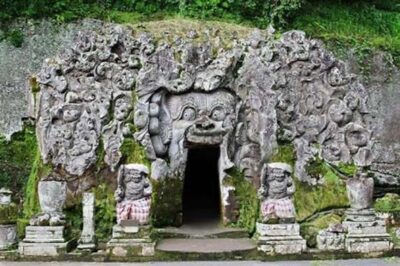

Temple Visit with Palm Reader & Fortune Telling Option
Read our review →Browse the lists this tour appears in