
Review · INDIA
Agra Temples and Spiritual Sites Private 6 Hours Tour
Agra has more to offer than the Taj Mahal. This six-hour private tour visits five sacred places tied to Islam, Hinduism, Christianity, Sikhism, and the Radhasoami faith. I like the wide religious range and the fact that pickup anywhere in Agra, a guide, car, driver, water, and parking costs are included. The main drawback is time: five sites plus a meal stop can feel rushed, especially when traffic slows the day.
This is a useful choice if you want a break from Mughal monuments and a closer look at Agra as a living city. You will spend much of the day moving between places, so it suits curious visitors who prefer variety over a long, slow visit at one monument. The sacred sites generally have no admission charge, which helps the $67 price feel fair.
Key points about this Agra spiritual tour
- Five faith settings in six hours: Visit Jama Masjid, Balkeshwar Mandir, St. George’s Cathedral, Dayal Bagh, and Gurudwara Guru ka Tal.
- A private car makes the route easier: Pickup and drop-off are available anywhere in Agra, with an air-conditioned vehicle and chauffeur.
- Jama Masjid gives the tour its Mughal opening: Shah Jahan built this large mosque in 1648 for his daughter.
- The route reaches beyond familiar Agra sights: The cathedral and Dayal Bagh reveal parts of the city that many first-time visits skip.
- Guiding is a major part of the value: Ankur has been praised for combining cultural context with a warm, helpful manner.
- Plan for modest clothing and walking shoes: Water and umbrellas are supplied, but meals and tips are extra.
Why Agra’s sacred places deserve a full morning or afternoon
Agra is often treated as a one-monument city. That is a mistake. The Taj Mahal and Agra Fort explain much about Mughal power, but they do not tell the whole story of daily worship in Agra.
This route shifts your attention from royal architecture to active religious places. You move from a major mosque to a Shiva temple, then to a former British church, a Radhasoami center, and a Sikh pilgrimage site. The result is less polished than a standard sightseeing circuit, but also more revealing.
I especially like the range of traditions covered in a short period. You do not need a specialist background to appreciate the route. The guide’s role is to explain what you are seeing, how each site fits into Agra’s past, and how religious life continues in the city today.
The private format matters here. Sacred places do not always have the same rhythm as museums. You may want a few quiet minutes, a question answered, or extra time at one stop. A private guide and car give you more room to make those small adjustments than a large scheduled group usually allows.
A few more temple visits around India worth a look
- New Delhi: Akshardham Temple Tour with Water and Light Show
★ 4.8 · 313 reviews - Old Delhi Food-Spice Market-Temples Tour Soon Featured on NETFLIX
★ 5.0 · 304 reviews - Private Guided Spiritual Walk in Banganga Hindu Temples
★ 5.0 · 271 reviews
Jama Masjid, Shah Jahan’s mosque beside Agra Fort
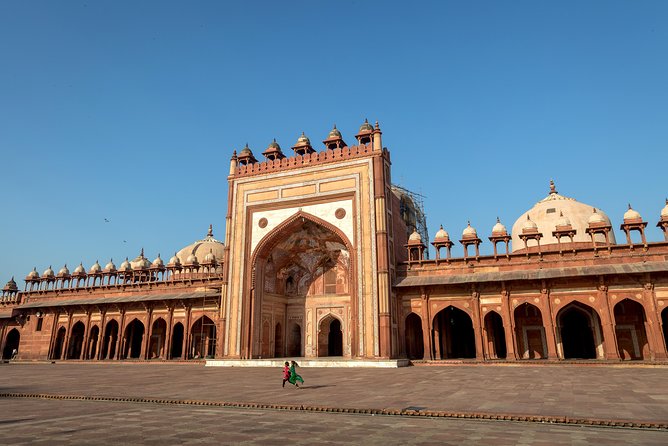
Your first stop is Jama Masjid, also called Jami Masjid or the Friday Mosque. It sits opposite Agra Fort, near Agra Fort Railway Station, making it an easy place to connect the city’s Mughal past with its present-day streets.
Shah Jahan built the mosque in 1648 for his daughter. It is counted among India’s largest mosques, and its location gives it unusual historical weight. You are not looking at an isolated monument. You are seeing a place positioned directly across from one of the Mughal empire’s great forts.
The scheduled visit lasts about an hour. That is enough time for a guided introduction and a careful look, but not necessarily enough for a slow architectural study. I would pay close attention to the guide here, because the value comes from linking the mosque to Shah Jahan, Agra Fort, and the wider Mughal setting.
Admission is listed as free. As with every religious stop, you should dress comfortably and respectfully. The tour specifically recommends comfortable clothing and walking shoes, a sensible combination for a day that includes several places of worship.
Balkeshwar Mandir on the Yamuna
Next comes Balkeshwar Mandir, a well-known Hindu temple devoted to Lord Shiva. The temple is situated on the bank of the Yamuna River, giving this stop a different setting from the dense Mughal center around Jama Masjid.
The river connection is important. This is not simply another historic building to tick off. The location helps you see how worship in Agra relates to the Yamuna, a major part of the city’s identity and religious life.
You have about an hour here. The description does not promise a special ceremony or a particular ritual, so you should think of this as a guided visit rather than a scheduled worship event. Your guide can provide the background, while you take in the atmosphere and setting at your own pace.
Balkeshwar is also a reminder that Agra’s religious identity is not limited to grand imperial monuments. The tour gives you a chance to see a Hindu place of worship in a local setting, rather than only viewing India through palace and fort architecture.
St. George’s Cathedral and Agra’s colonial chapter
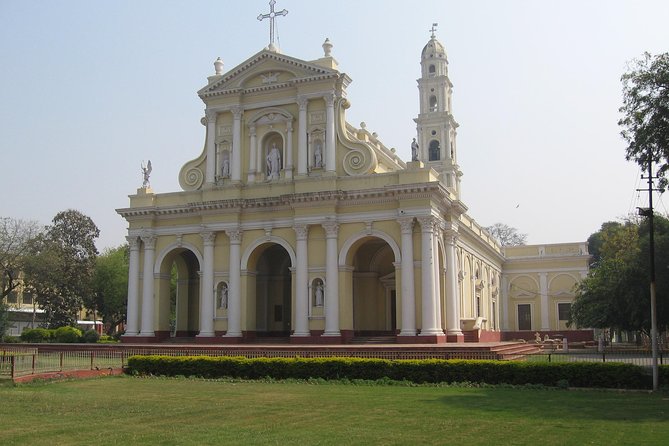
St. George’s Cathedral changes the mood again. Agra is strongly associated with Mughal and Indo-Persian architecture, but this former British Raj Protestant church points to the colonial period and the Christian community that developed during British rule.
Major General and engineer J. T. Boileau designed and built the cathedral in 1828. Its English Gothic style is a clear contrast to the mosque and temple earlier in the day. The church is in the Agra Cantonment area, near Sadar Bazar, and remains well preserved.
This stop works best for visitors who want a fuller picture of Agra. It shows that the city’s past did not end with the Mughals. British administration, military life, and Christian worship also left their mark.
You are given around an hour, though the exact pace will depend on access and traffic. The cathedral may appeal less to someone focused only on Mughal design, but that is precisely why I value it. It adds a chapter that many short Agra visits leave out.
Same place, a different morning at the gates:
- Taj Mahal Sunrise with Lord Shiva Temple:- All Inclusive
★ 5.0 · 207 reviews - Old Delhi Temples and Spiritual Sites Private 6-Hour Tour
★ 4.8 · 204 reviews - Private Delhi Temples and Spiritual Sites 6 Hours Tour
★ 5.0 · 171 reviews - Tipu Palace + Koté Vishnu + Fort + KR Market + Jain Temple = Bengaluru Pété Walk
★ 5.0 · 150 reviews
Dayal Bagh and the Radhasoami faith
Dayal Bagh means Garden of the Merciful. It is a locality in metropolitan Agra and the headquarters of the Dayal Bagh sect of the Radhasoami faith. The site is connected with satsang, or spiritual fellowship, and serves as the place where the eighth revered leader lives and presides over the community.
This is likely the most unfamiliar stop for many people. That makes the guide especially useful. You are not just looking at a familiar monument with a standard explanation. You are being introduced to a faith community and its place in Agra’s religious life.
The planned visit lasts an hour. The information provided does not specify particular interiors, ceremonies, or architectural details, so you should keep expectations flexible. The draw is the chance to learn about the Radhasoami tradition and see another side of the city.
I would place this stop high on the list for anyone interested in living faiths rather than only old buildings. It also breaks up the better-known Mughal, Hindu, Christian, and Sikh stops with a tradition many international visitors may not have encountered before.
Gurudwara Guru ka Tal and its Sikh connection
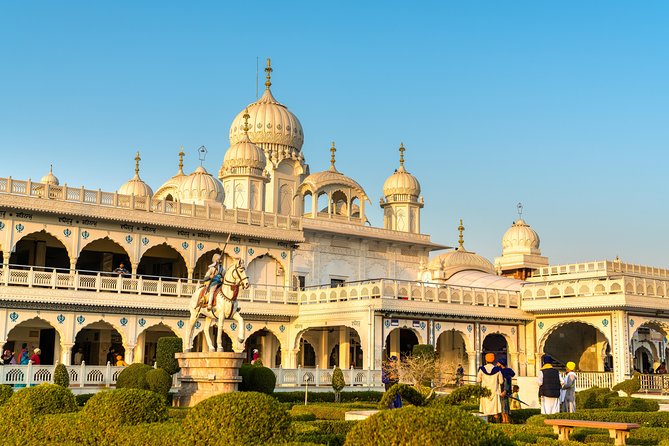
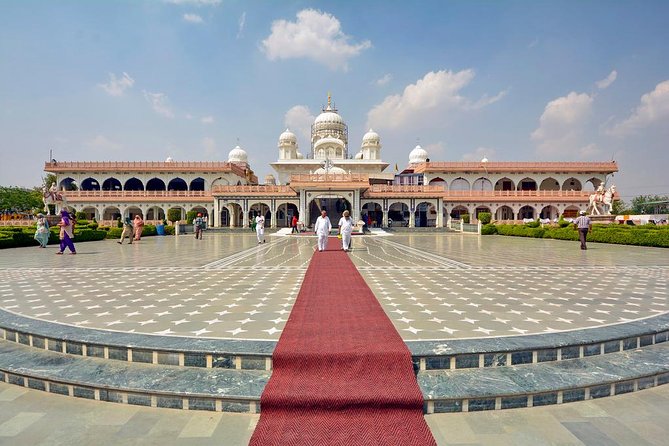
The final major stop is Gurudwara Guru ka Tal, a Sikh pilgrimage site beside National Highway 2. Its story reaches back to the 17th century and is linked with Shri Guru Tegh Bahadur Sahib Ji.
The site commemorates Guru Tegh Bahadur and the followers who traveled with him, including Bhai Mati Das, Bhai Sati Das, Bhai Dyala Ji, Bhai Gurditta Ji, Bhai Udo Ji, and Bhai Jaita Ji. That historical connection gives the visit a strong sense of place within Sikh tradition.
You have about an hour here. The location beside a major highway may feel less secluded than a temple or cathedral, but it also reflects how pilgrimage sites exist within the working city, not apart from it.
This is a meaningful final stop because the route ends with a clear pilgrimage focus. You have moved through several faiths, and the Sikh gurdwara completes that broader view of Agra’s spiritual life.
The meal stop and what it adds to the day
The schedule includes a 30-minute meal break at Courtyard Agra, described as an authentic multi-cuisine Indian restaurant or five-star hotel. The meal is not included, so budget separately for whatever you order.
Thirty minutes is a short pause. It may be enough for a quick meal, but it is not designed as a long restaurant experience. That timing also helps explain why the tour can cover five stops in roughly six hours. You are getting a practical sightseeing route, not a leisurely food tour.
If you prefer to eat slowly, you should ask about the timing when arranging the day. The tour allows pickup between 6:00 AM and 1:00 PM, so your start time will shape the meal hour and the amount of traffic you meet.
Private transport, guide service, and daily comfort
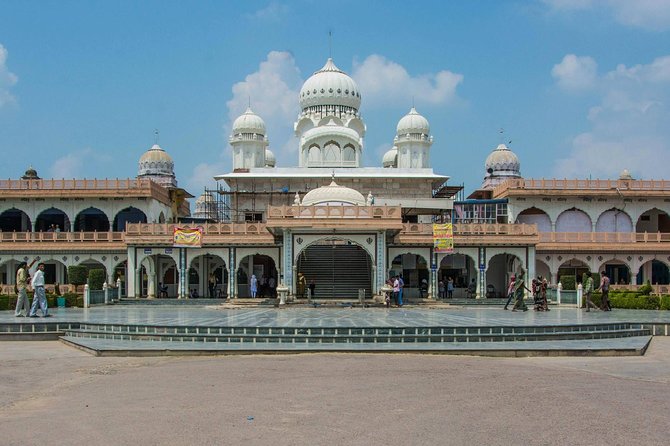
The tour includes pickup and drop-off anywhere in Agra. That is one of its strongest practical features. You do not need to arrange separate transport between sites, and you can finish at the location that suits you.
The air-conditioned private car is useful in Agra’s heat and makes the route less tiring. Parking fees, tolls, fuel, and taxes are included, so the advertised price is less likely to grow through routine vehicle costs. Bottled water is provided, and umbrellas are available if needed.
The guide is another important part of the experience. Ankur and driver Vijay have been specifically praised for creating a pleasant visit, combining essential cultural information with attentive service. Other feedback highlights guides who explain temple history clearly, answer questions, and remain patient when the day includes extra stops such as shopping.
One caution: the supplied information also mentions a maximum of 500 participants, which is an unusually high figure for an experience described as private. The vehicle and guide service are presented as private, but I would confirm the exact arrangement at booking if privacy is central to your plans.
Is $67 a fair price for six hours?
At $67 per person, this tour offers good value if you want transport and interpretation rather than simply admission tickets. The religious sites are free or have very small entrance charges, so you are mainly paying for the private car, chauffeur, local guide, fuel, parking, tolls, hotel pickup, and the convenience of a planned route.
The value improves for pairs or small groups who would otherwise need to hire a car and guide separately. Group discounts are also offered, though the exact reduction is not specified.
The price is less attractive if you only want to see one or two sites, or if you already have transport in Agra. In that case, you may prefer to visit fewer places with more time at each one. The tour earns its cost through variety and convenience.
Meals and tips are not included. You should also remember that the six-hour estimate includes driving, so the time at each location may not always be a full hour in practice.
Who should book this spiritual Agra route?
I would recommend it to you if you have already seen, or plan to see, Agra’s major Mughal monuments and want a broader view of the city. It is also a good match if you enjoy religious architecture, colonial history, and conversations with a local guide.
The route suits first-time visitors who want a structured day without handling local transport. Families and older visitors may appreciate the air-conditioned car, pickup service, and limited need to navigate between sites themselves. The tour company also presents its activities as inclusive of LGBTQ, older, and disabled visitors, though you should discuss your particular mobility needs before booking.
You may want a different plan if you dislike frequent stops or prefer long visits at a single monument. The route covers a lot of ground. It is broad rather than slow.
Wear comfortable clothes and walking shoes. The tour does not specify a strict dress code, but you are visiting several religious sites, so modest, practical clothing is the sensible choice.
Cancellation and booking details
Confirmation is provided at booking, and free cancellation is available if you cancel at least 24 hours before the scheduled start time. Cancellations made within 24 hours are not refunded, and changes inside that period are not accepted.
The pickup window runs from 6:00 AM to 1:00 PM. Since traffic and the meal break affect the pace, I would choose your start time with your wider Agra plans in mind.
Should you book this Agra temples and spiritual sites tour?
Book it if you want Agra to feel like a real city rather than a backdrop for the Taj Mahal. The mix of Jama Masjid, Balkeshwar Mandir, St. George’s Cathedral, Dayal Bagh, and Gurudwara Guru ka Tal gives you five distinct religious settings in one organized outing.
I particularly like the private transport, strong guide component, and low extra cost at the sites themselves. Just keep your expectations realistic: six hours is enough for an overview, not a long study of every place. If that balance sounds right, $67 is a sensible price for an efficient, thoughtful look at Agra beyond its famous marble monument.
FAQ
What is included in the tour price?
The price includes pickup and drop-off anywhere in Agra, a private live guide, an air-conditioned private car with chauffeur, parking fees, tolls, fuel, taxes, bottled water, and umbrellas if needed.
How long does the experience last?
The tour lasts approximately six hours. The schedule includes five main religious sites and a 30-minute meal break.
What time can pickup take place?
Pickup is available anywhere in Agra between 6:00 AM and 1:00 PM. The exact pickup time should be selected when arranging the experience.
Are entrance tickets included?
The listed religious sites are free or have very small entrance charges. Entrance fees are excluded from the tour price.
Is food included?
No. The itinerary includes a meal break at a multi-cuisine Indian restaurant or five-star hotel, but meals and other additional services are not included.
What happens if I cancel?
You receive a full refund if you cancel at least 24 hours before the experience start time. Cancellations or changes made within 24 hours are not accepted for a refund.
Just added around India
- 8 Days Private South India Temple Tour with 4 Star Luxury Hotels★ 5.0 · 3 reviews
- Chennai City Highlights – Government Museum & Temple Discovery★ 4.0 · 7 reviews
- South India Tour- Temple Architecture and Backwaters★ 5.0 · 7 reviews
- Full Day Tour of Konark Temple and Puri★ 5.0 · 7 reviews
- Divine Delhi: Full-Day Tour of Temples & Spiritual Sites★ 4.5 · 3 reviews
- 6-hour Temples tour of Bhubaneswar including hotel pick-up & drop-off★ 4.0 · 3 reviews
- Bhubaneswar city tour & Konark Sun Temple in private car with guide★ 5.0 · 29 reviews
- Puri Jagannath, Konark Sun temple, Pattachitra art in best of Odisha in 2 days★ 5.0 · 10 reviews
India Temple Tours, compared.
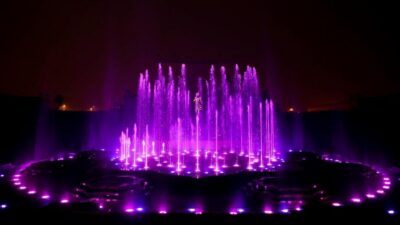
Akshardham Temple Tour with Water and Light Show
Read our review →
Old Delhi Food-Spice Market-Temples Tour Soon Featured on NETFLIX
Read our review →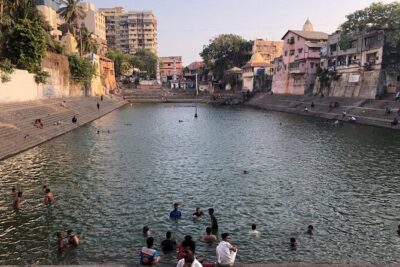
Private Guided Spiritual Walk in Banganga Hindu Temples
Read our review →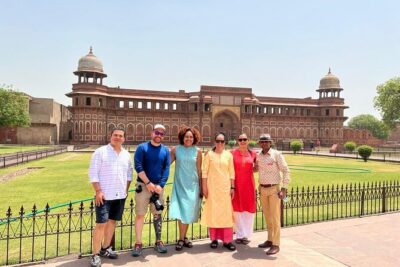
Taj Mahal Sunrise with Lord Shiva Temple:- All Inclusive
Read our review →
Old Delhi Temples and Spiritual Sites Private 6-Hour Tour
Read our review →
Private Delhi Temples and Spiritual Sites 6 Hours Tour
Read our review →
Tipu Palace + Koté Vishnu + Fort + KR Market + Jain Temple = Bengaluru Pété Walk
Read our review →
Akshardham Temple Light Show with Custom Add-Ons
Read our review →Browse the lists this tour appears in