
Review · PALERMO
Agrigento: Valley of the Temples Premium Guided Tour
Ancient stone glows beautifully here. Agrigento’s Valley of the Temples pairs a licensed English or Spanish guide with a memorable walk through ancient Greek ruins. I especially like the clear focus on the Temple of Concordia and the way guides such as Mario, Enza, Rino, and Alessio bring myths, building methods, local customs, and daily life into the story. The sunset light is another major draw, turning the golden stone warm and dramatic.
The main tradeoff is the two-hour limit. It gives you a useful route through the most important temples, but this is a large archaeological park and you will not see every corner in depth. You also need to reach Porta di Giunone on your own, and the tour is not suitable for wheelchair users or people with mobility impairments.
At a glance: what makes this tour worthwhile
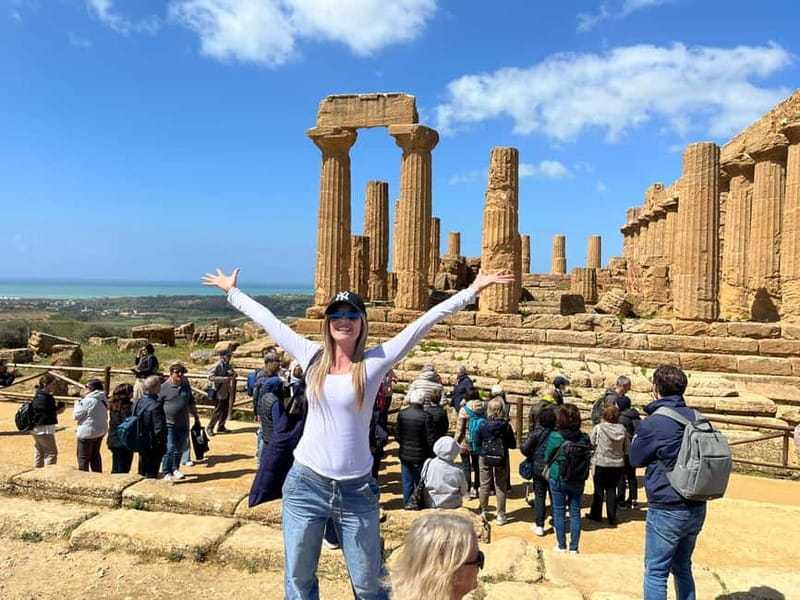
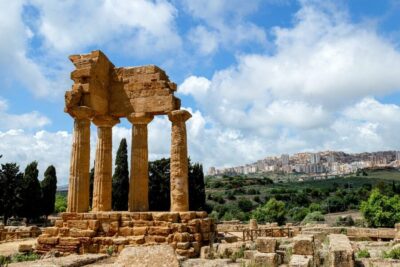
- Seven Doric temples in one historic valley: The route concentrates on the Temple of Hera Lacinia, Temple of Concordia, and remains of the Temple of Olympian Zeus.
- Guides who do more than recite dates: Past guides including Enza, Mario, Rino, Sergio, and Alessio have been praised for humor, clear explanations, and answers to unusual questions.
- A strong sunset option: The temples take on a golden glow as the light changes, making the late-day departure especially appealing.
- Entrance included: At $53 per person, the cost covers the archaeological park ticket and live guided visit.
- A walking tour with real slopes and gravel: Good shoes, water, and sun protection will make the two hours much easier.
- A practical meeting point: You meet in front of Porta di Giunone, at the Ticket Office Valle dei Templi, rather than arranging a transfer.
Why a guide helps at Agrigento
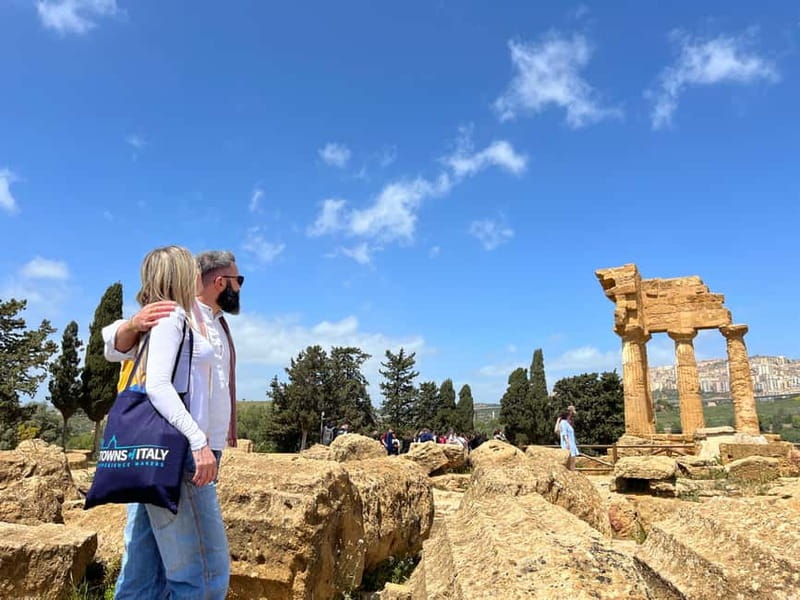
The Valley of the Temples can impress you even without a guide. Tall columns, broken walls, olive trees, and wide views make an immediate impact. Yet the remains can also blur together after a while, especially if you do not know which pieces belong to a temple, a later settlement, or a sacred ritual area.
That is where this tour earns its keep. Your guide explains how ancient Agrigentum became one of the strongest Greek colonies in Magna Graecia, then connects the ruins to religion, trade, art, farming, and ordinary life. The best guides do not bury you in dates. They explain what the buildings were for, how they were made, and why some survived better than others.
I like the reports of guides such as Enza, who answered many questions while also bringing in Sicilian food, nature, traditions, and local life. Mario has been praised for explaining building methods and finding shade during a warm visit. Rino’s sunset tour received particular praise for mixing historical detail with entertaining stories.
The guiding style may vary. One visitor found a guide’s presentation slightly disorganized, while another felt the English was delivered too quickly. That is a useful warning if English is not your first language. The general standard appears high, but listening conditions and individual speaking styles can affect how much detail you catch.
More Valley of the Temples Tours in Italy:
- Agrigento: Valley of the Temples Skip-the-Line Sunset Tour
★ 4.5 · 1,512 reviews - Palermo: Agrigento and the Valley of the Temples Day Tour
★ 4.2 · 1,240 reviews - Agrigento: Valley of the Temples Ticket & App Audioguide
★ 4.3 · 1,160 reviews
Meeting at Porta di Giunone
The tour begins at Porta di Giunone, also called the Temple of Juno entrance. Look for the guide in front of the entrance ticket office. This detail matters because the archaeological park has more than one access point.
Arriving at the wrong entrance can cost you time and may require a shuttle bus. One past participant also noted that parking is not free and can add roughly five euros. Since transportation to the meeting point is not included, plan your route before setting out rather than relying on a last-minute search.
The meeting point is a sensible starting place for this route. You begin near the Temple of Hera Lacinia, then walk along the ancient temple zone toward the Temple of Concordia and the Temple of Olympian Zeus before returning to the starting area. The tour is designed as a loop, which is convenient if you have a car or need to continue sightseeing afterward.
The park’s gravel paths and changes in level are important practical details. This is not a smooth, step-free museum visit. The operator specifically says the experience is not suitable for wheelchair users or people with mobility impairments.
Temple of Hera Lacinia: the first wide view
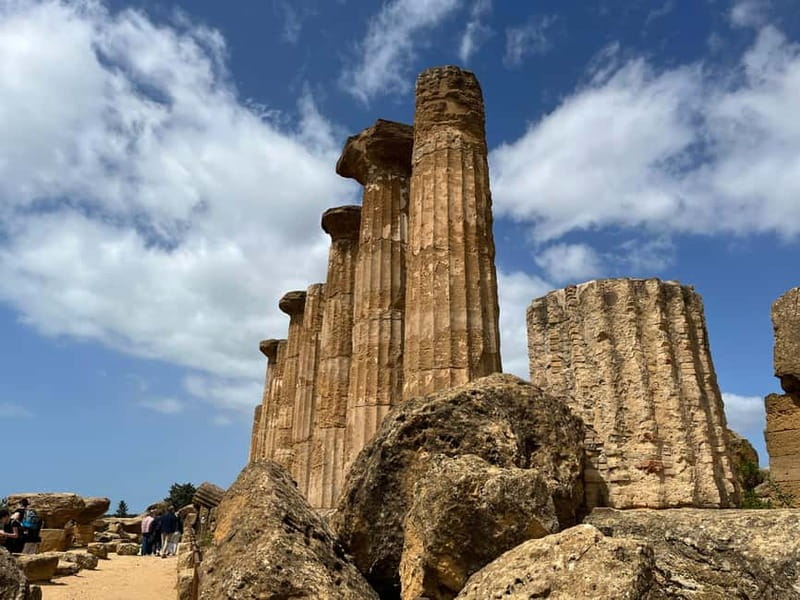
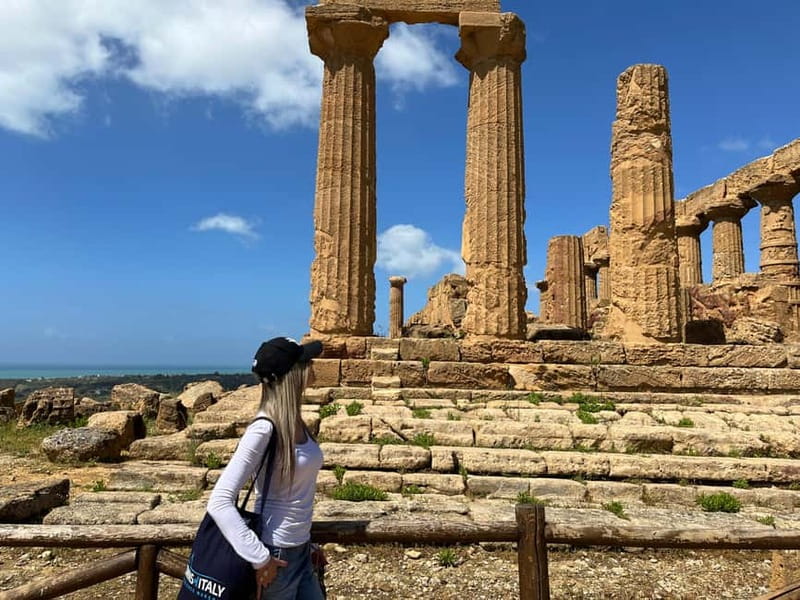
The first main stop is the Temple of Hera Lacinia, also known as the Temple of Juno. It sits high enough to give you scenic views across the valley, so it is a good place for your first photographs and for getting a sense of the site’s scale.
The guide uses this temple to explain sacred rituals and the religious role of the area. You can expect a photo stop, a guided explanation, and views along the route rather than a long stationary lecture.
This opening section also gives you a feel for the walking conditions. You will hear gravel underfoot, pass olive groves, and move through an open setting with little promise of constant shade. In summer, the Sicilian sun can be strong. A hat, water, sunscreen, and sensible footwear are not extras here.
The Temple of Hera Lacinia is especially useful as an introduction because it combines three things quickly: architecture, religion, and scenery. You are not simply looking at columns. You are seeing how temples were placed within a sacred zone and how their elevated positions shaped the experience of ancient worshippers.
Temple of Concordia: the star of the route
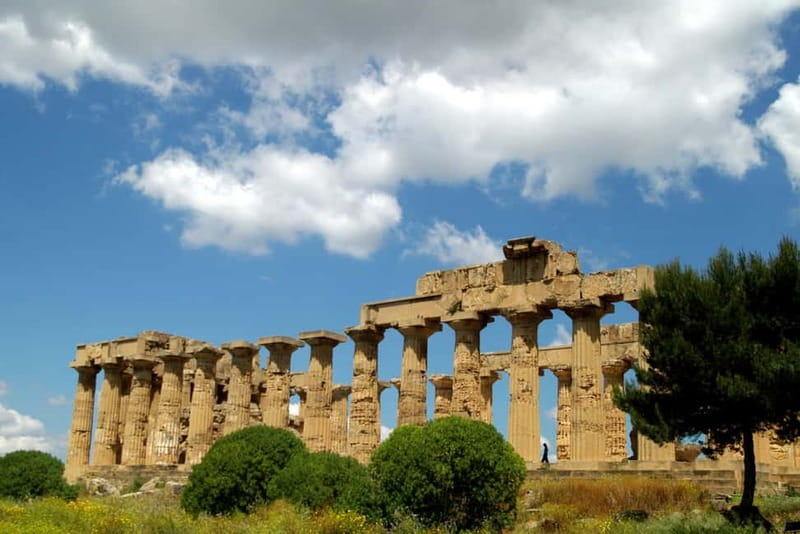
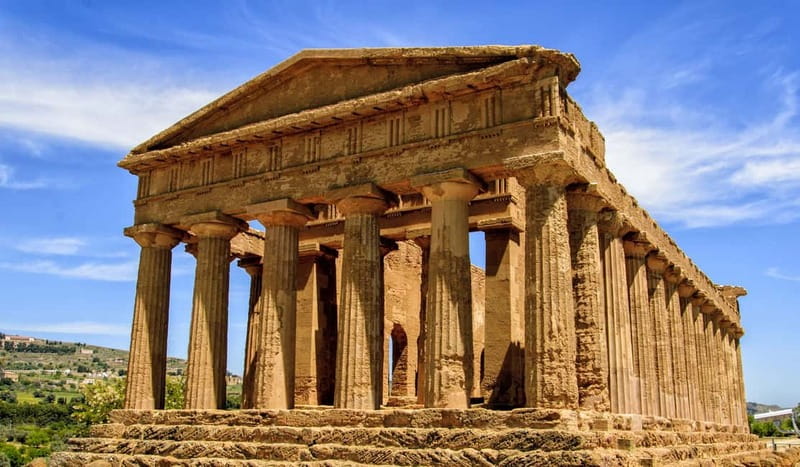
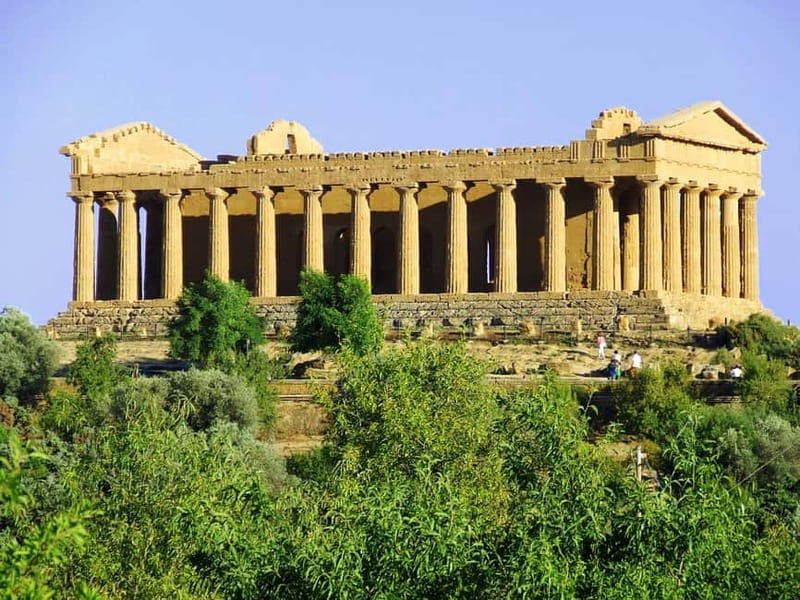
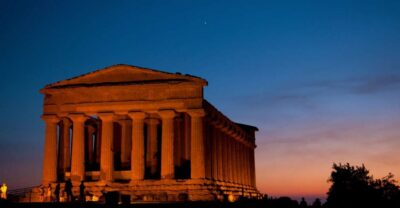
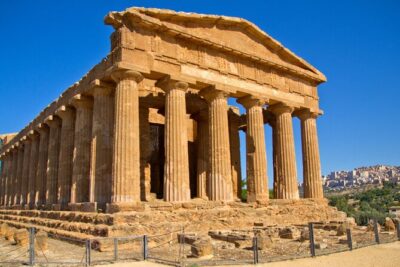
The Temple of Concordia is the emotional center of the tour. It is one of the best-preserved Greek temples in existence, and its regular rows of columns make it easier to imagine the original building than at many other ancient sites.
I would give this stop your full attention. Look at the repeated columns, the surviving proportions, and the contrast between the pale stone and the surrounding countryside. Your guide can help you read the building as more than a beautiful shell, explaining its purpose, construction, and place within the wider history of Agrigentum.
This is also one of the best photo locations. The temple changes with the hour. In bright daylight, the stone looks crisp and pale. Near sunset, it takes on warmer tones, and the long shadows help reveal details that can disappear under the midday sun.
The tour includes a guided visit and photo stop here, but two hours means you should not expect an extended architectural study. If you want to linger over every column or photograph the temple from many angles, you may feel rushed when the group moves on. The value of the guided visit is that you get the main interpretation without spending your entire day in one section.
Several past participants described the Valley of the Temples as much more rewarding with a guide, and the Temple of Concordia is the clearest reason. Its beauty is obvious. The guide supplies the context that turns admiration into understanding.
A few more temple visits around Italy worth a look
- Pantheon Elite Guided Tour – Rome’s Iconic Ancient Temple
★ 5.0 · 1,447 reviews - Rome’s Iconic Temple: Pantheon Audio Guided Tour with Fast Access
★ 4.0 · 1,188 reviews - Colosseum Special Access Tour, with Ancient Temples & Tombs
★ 4.8 · 747 reviews - Agrigento: Valley of the Temples E-Scooter Tour
★ 4.6 · 557 reviews
Temple of Olympian Zeus: scale, ambition, and ruins
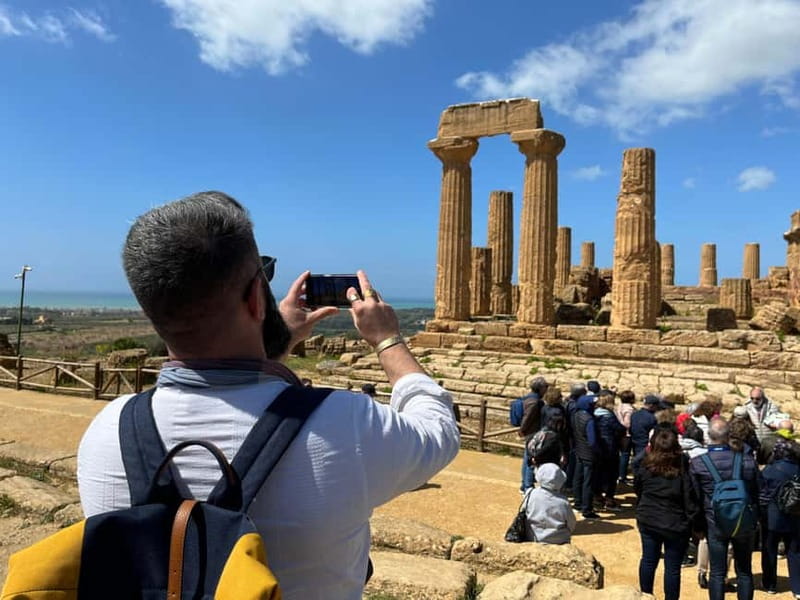
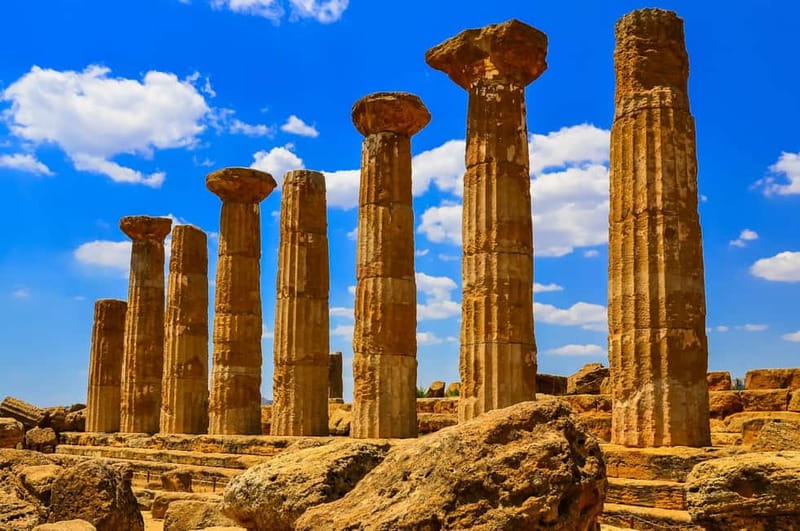
The route continues to the remains of the Temple of Olympian Zeus. This site has a different effect from Concordia. Instead of presenting a largely intact classical temple, it shows the enormous ambition of the ancient builders and the force of time.
The temple was once planned as one of the largest Greek temples ever built. Today, the visitor sees monumental ruins rather than a complete structure. Your guide explains what the temple was intended to be and helps you make sense of the fragments, fallen blocks, and immense scale.
This is the point where a good explanation matters most. At Concordia, the form is easy to read. At Olympian Zeus, you need help picturing the original design. The stop gives the tour variety, moving from preservation to collapse and from elegant proportions to oversized ambition.
It is also a useful reminder that the Valley is not a collection of isolated photo backdrops. These temples belonged to a powerful city with religious, commercial, and political goals. The guide connects the building program to Agrigentum’s position in Magna Graecia and to the ambitions of the people who commissioned such vast structures.
Myths, daily life, and the human side of the ruins
The strongest part of this experience is likely to be the storytelling between the major stops. The route is not only about Greek gods and temple names. It also covers daily life, beliefs, agriculture, building techniques, and the way the area continued to function over time.
I like that the guiding approach can extend beyond the ancient stones. Past participants have praised explanations of local botany, farming, climate, food, and traditions. You might learn how the site’s olive groves and open fields fit into its present character, rather than treating the park as a sealed-off relic.
The myths help keep the history lively, but the practical details make it stick. How did people worship here? What did the columns require in terms of labor and planning? How did the city use its wealth? What did ordinary residents see when they moved through this sacred area?
Guides named Sergio and Alessio were praised for energy, humor, and thoughtful answers. Another guide, Mario, was appreciated for tying the ancient past to the present. Those details matter because a two-hour tour depends heavily on the person leading it. A strong guide can make a familiar list of ruins feel connected and personal.
Sunset or daylight: choosing the right mood
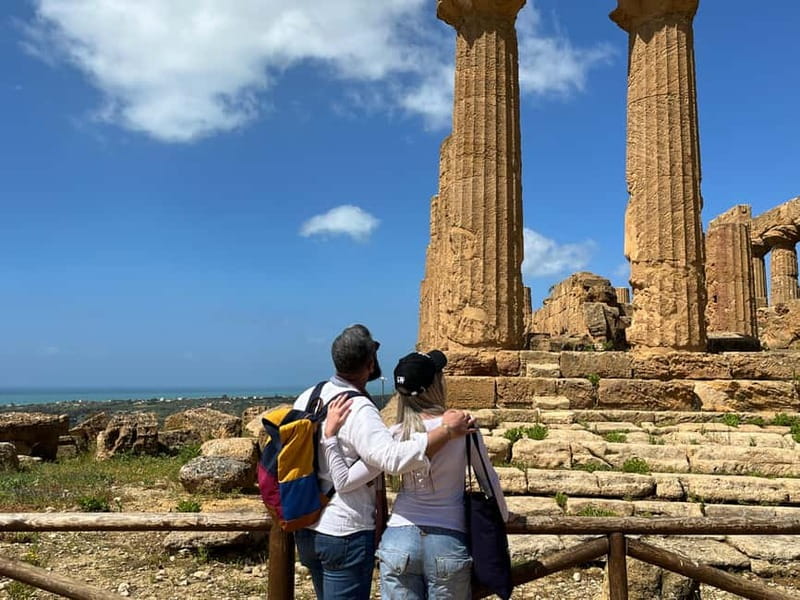
The tour can run under the bright Sicilian sun or during sunset, depending on the available start time. Both options have advantages.
A daytime visit gives you clearer views of the stonework and may make it easier to follow the guide’s gestures and explanations. It can also be more practical if you have dinner plans, a train, or another activity afterward.
Sunset brings atmosphere. The light shifts across the columns, the stone turns gold, and the valley takes on a quieter mood. Rino’s sunset tour was praised as unforgettable because the scenery and storytelling worked together. If photography and mood matter to you, a late departure is likely the best choice.
The drawback is practical: late-day light does not remove the heat, walking, or uneven surfaces. It can also make timing more important if you have a fixed evening plan. Check the available start time and allow room for the tour to finish before arranging transportation elsewhere.
How much value do you get for $53?
At $53 per person, this is not the cheapest way to enter the Valley of the Temples. The price includes the entrance ticket, a live guide in English or Spanish, and the guided visit through the archaeological park.
The value depends on how you like to see ancient sites. If you enjoy reading signs at your own pace and already understand Greek temple architecture, an independent visit may cost less and give you more freedom. You would also avoid being tied to a two-hour route.
I think the tour makes stronger financial sense if you want the major temples explained efficiently. The park is large, the remains are spread along a walking route, and a guide saves you from trying to assemble the story from scattered information. You are paying for interpretation as much as admission.
The high overall rating and repeated praise for the guides suggest that the human element is the main product. Enza, Mario, Rino, Alessio, and others were singled out for warmth, humor, patience, and strong command of the subject. That is encouraging, though your exact guide will determine the style of your visit.
The included ticket also simplifies arrival. You still arrange your own transport, and parking may cost extra, but you do not need to buy the archaeological park admission separately.
Who should book this two-hour visit?
I would recommend it to first-time visitors to Agrigento, especially if you want the essential temples without spending a full day studying the park. It is also a good fit for anyone who enjoys history more when a person explains the human stories behind the stones.
Families with older children may appreciate the myths, construction details, and shorter format. The guide-led route can hold attention better than a long series of display panels. People interested in photography should consider the sunset timing, especially at Concordia.
You should think twice if you need a fully accessible route, dislike group pacing, or want extensive time at each ruin. The tour returns to the Temple of Hera entrance, but it does not include transport, and the walking surface is not suitable for every visitor.
Bring water, sun protection, and shoes with a firm grip. Get the entrance point right. If you are not a first-language English speaker, position yourself close enough to hear clearly and do not hesitate to ask the guide to slow down.
Should you book the Valley of the Temples tour?
Book it if you want clear historical context, a licensed guide, and the three major temple areas covered in two hours. The Temple of Concordia is worth seeing on its own, but the guide helps you understand why the entire valley matters.
Choose the sunset departure if the schedule works and you care about atmosphere. Choose daylight if you need maximum visual clarity or have evening plans. At $53, the tour is best value for visitors who would otherwise wander through a large archaeological park without knowing what they are seeing.
Skip it if you prefer total independence, need step-free access, or want to spend several hours at one site. For most first-time visitors who want the Valley’s main story without wrestling with the logistics alone, this is a well-focused and worthwhile choice.
FAQ
How long does the Agrigento Valley of the Temples tour last?
The guided visit lasts two hours.
What language is the tour offered in?
The live tour guide speaks English or Spanish.
What is included in the price?
The price includes the English or Spanish-speaking guide, entrance tickets, and the guided visit of the Agrigento Archaeological Park.
Where does the tour meet?
The meeting point is Porta di Giunone, at the Valle dei Templi ticket office. Look for the guide in front of Porta di Giunone.
Is transportation to the meeting point included?
No. Transfers from and to the meeting point are not included.
Can I cancel the booking for a refund?
Yes. You can cancel up to 24 hours in advance for a full refund.
Is the tour suitable for wheelchair users?
No. The tour is not suitable for wheelchair users or people with mobility impairments.
Just added around Italy
- Private Tour to the Villa Romana del Casale and the Valley of the Temples★ 4.5 · 19 reviews
- Agrigento and Piazza Armerina: Valley of the Temples and Villa Romana del Casale★ 4.5 · 121 reviews
- Villa Romana Del Casale in Piazza Armerina and Valley Of Temples in Agrigento★ 4.5 · 38 reviews
- Padre Pio’s Shrine in San Giovanni Rotondo from Bari (Apulia)★ 5.0 · 3 reviews
- Cooking Class in a former Artist Monastery in the Heart of Monopoli★ 5.0 · 18 reviews
- Agrigento to Siracusa with Valley of Temples and Roman Villa Trip★ 5.0 · 5 reviews
- Private transportation to the Valley of the Temples + Agrigento★ 5.0 · 8 reviews
- Agrigento Valley of the Temples Archaeological Area★ 4.0 · 33 reviews
Valley of the Temples Tours, compared.
Valley of the Temples Skip-the-Line Sunset Tour
Read our review →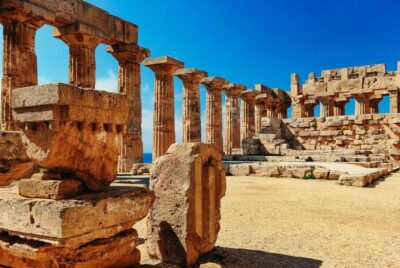
Agrigento and the Valley of the Temples Day Tour
Read our review →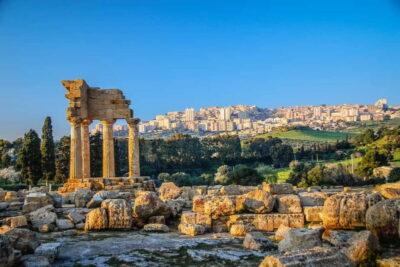
Valley of the Temples Ticket & App Audioguide
Read our review →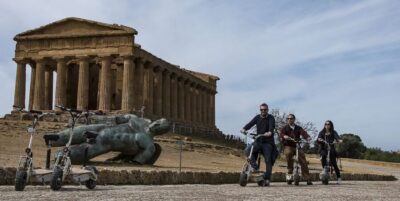
Valley of the Temples and Scala dei Turchi Day Trip
Read our review →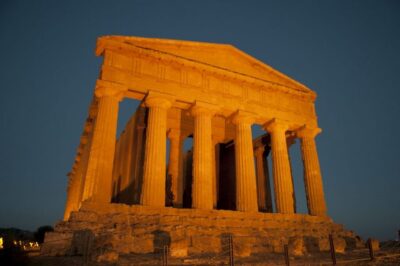
Catania: Valley of the Temples and Turkish Steps with Snack
Read our review →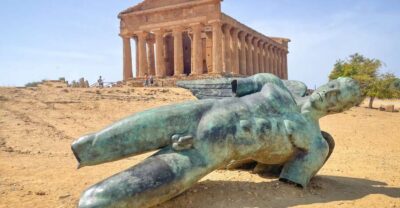
Valley of the Temples Entry Ticket & Audio Guide
Read our review →Browse the lists this tour appears in