
Review · VARANASI
Hidden Corners of Varanasi Secret Alleys Temples and Traditions
Varanasi reveals itself one lane at a time. This private three-hour walk takes you from Dashashwamedh Ghat through old temples, sacred lanes, and the solemn grounds of Manikarnika Ghat, with local guides helping you understand what you are seeing. I like the small private format, which allows the guide to adjust the pace and answer questions. I also like the mix of major sights, lesser-known shrines, street life, chai, and local snacks.
The main consideration is the subject matter. Manikarnika Ghat is an active cremation site, and the experience can feel intense. You will also walk through narrow, uneven lanes, so this suits you best if you are comfortable with a busy old-city setting and a tour that treats Varanasi as a living religious city rather than a polished sightseeing circuit.
What makes this Varanasi walk worthwhile
- A private route through old Kashi: Only your group takes part, giving you more room to ask questions and pause at places that catch your attention.
- A useful mix of famous and lesser-known sites: Dashashwamedh Ghat and Manikarnika Ghat anchor the walk, while Vishalakshi Temple, Nepali Temple, and Manikarnikeshwar Mahadev Temple add depth.
- A close look at Varanasi’s religious life: The route explains temple worship, cremation customs, legends, and the city’s role in Hindu belief.
- Local food and fresh chai: A traditional tea stop adds a simple but welcome break from the serious temple and ghat visits.
- Guides who help with orientation: Names appearing in the experience feedback include Suhail and Sohail. The praise centers on warm guidance, efficient sightseeing, and helping people move around the city with confidence.
- A low price for a private experience: At $28.37 per person, the tour offers strong value if your group wants interpretation rather than simply wandering between sites.
Starting at Shree Ganesha Palace near Godowlia
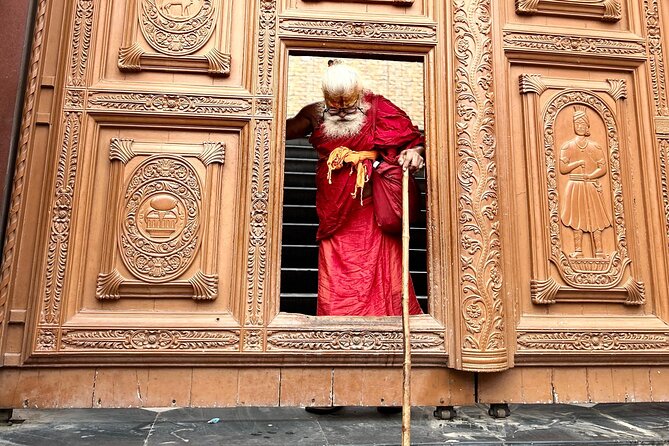
Your meeting point is Shree Ganesha Palace at D 47/203 A Ramapura Girjaghar, on Godowlia Road near Girja Ghar. The tour begins with a short introduction at this heritage setting, where your guide places the city’s spiritual story in context before you set off on foot.
This opening matters because Varanasi can feel confusing at first. Names change between Varanasi, Banaras, and Kashi, and the old quarter is made up of lanes that do not follow the logic of a modern street plan. A guide can help you understand that the walk is not simply a list of monuments. It is a route through a city where homes, shrines, shops, temples, funeral activity, and daily errands all occupy the same tight spaces.
The walk lasts about three hours. The scheduled stops add up to a little more than two and a half hours, with the remaining time used for movement, explanations, food, chai, and pauses in the lanes. That makes the timing feel realistic rather than rushed, though the actual pace may change depending on conditions and your group.
A few more temple visits around India worth a look
- New Delhi: Akshardham Temple Tour with Water and Light Show
★ 4.8 · 313 reviews - Old Delhi Food-Spice Market-Temples Tour Soon Featured on NETFLIX
★ 5.0 · 304 reviews - Private Guided Spiritual Walk in Banganga Hindu Temples
★ 5.0 · 271 reviews
Dashashwamedh Ghat and the riverfront beginning
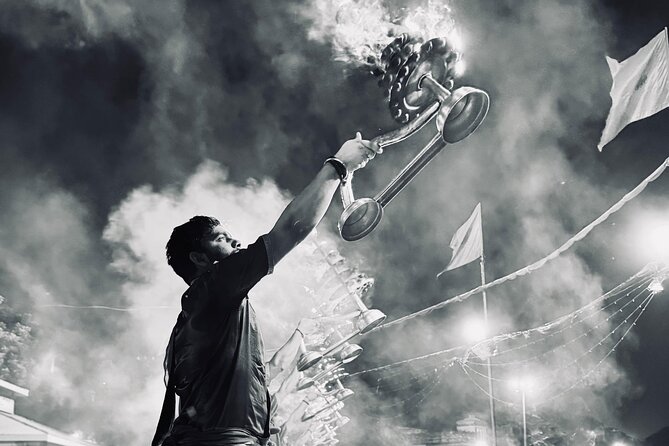
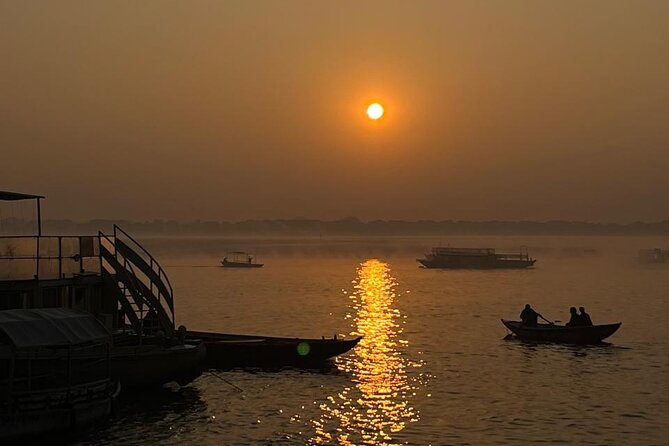
The first major stop is Dashashwamedh Ghat, one of Varanasi’s oldest and best-known riverfront areas. The guide explains the story behind its name, linked to ten sacrificed horses, and introduces the religious importance of the Ganges in Varanasi.
You get about 15 minutes here, enough for an introduction and a first look at the riverfront. I like this as the opening sight because it gives you the broad spiritual frame before the route turns into narrow lanes. The ghat is not just a scenic riverside platform. It is a place of prayer, bathing, ritual, and public gathering, and the guide’s explanation helps you read those activities with more care.
Do not expect a long, quiet stop. Dashashwamedh is one of the city’s most active riverfront areas, and the short visit works best as orientation. If you want extended time by the Ganges or a separate evening ceremony, you would need to arrange that outside this tour.
Vishalakshi Temple near Mir Ghat
The walk then turns toward Vishalakshi Temple, a sacred Shakti Peetha near Mir Ghat. According to tradition, the earrings of Goddess Sati fell here. The temple is dedicated to Vishalakshi, the goddess with cosmic eyes, and is an important stop for understanding the religious network that gives Varanasi its spiritual weight.
The visit lasts around 15 minutes. That may sound brief, but it is enough for your guide to explain the shrine’s place in local belief and point out details you might otherwise pass without noticing. The temple’s colors, lamps, and devotional atmosphere offer a contrast to the open riverfront.
Temple visits require respect. Dress and behavior should be suitable for a place of worship, and you should follow your guide’s instructions about where to stand and what may be photographed. The provided details do not promise a special entry arrangement, so you should think of this as a guided visit rather than a private religious ceremony.
Nepali Temple and its unusual woodwork
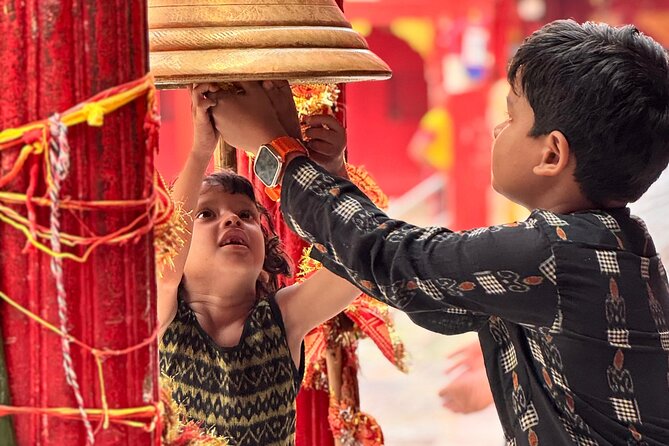
The Nepali Temple, also called Kathwala Temple, is one of the more distinctive stops. Built in a Nepali pagoda style, it brings a clear Kathmandu influence into Varanasi. Intricate woodwork and erotic carvings have led to its popular nickname, the Mini Khajuraho.
The site offers a quieter change of mood after the riverfront and Vishalakshi Temple. The architecture gives you something specific to look at, not just another place connected to a legend. The 15-minute stop is well suited to a guide-led explanation of the building’s design and its place within the city.
I especially like this part of the route because it widens your view of Varanasi. The city is not defined by one style of temple or one kind of devotional practice. Its sacred quarter also reflects links with other parts of South Asia, and the Nepali Temple makes that connection visible.
Same place, a different morning at the gates:
- Taj Mahal Sunrise with Lord Shiva Temple:- All Inclusive
★ 5.0 · 207 reviews - Old Delhi Temples and Spiritual Sites Private 6-Hour Tour
★ 4.8 · 204 reviews - Private Delhi Temples and Spiritual Sites 6 Hours Tour
★ 5.0 · 171 reviews - Tipu Palace + Koté Vishnu + Fort + KR Market + Jain Temple = Bengaluru Pété Walk
★ 5.0 · 150 reviews
Manikarnika Ghat and the reality of cremation
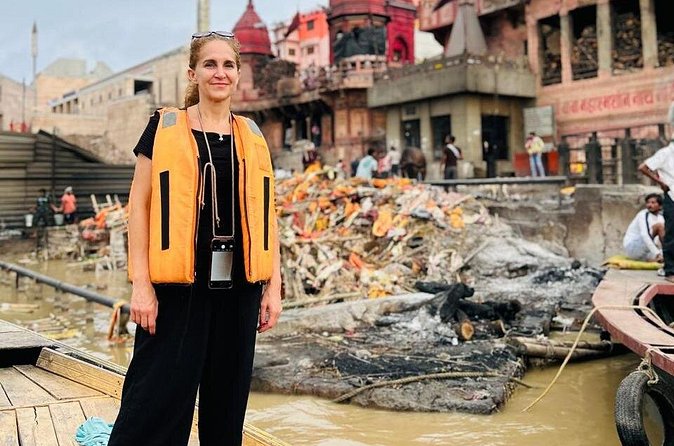
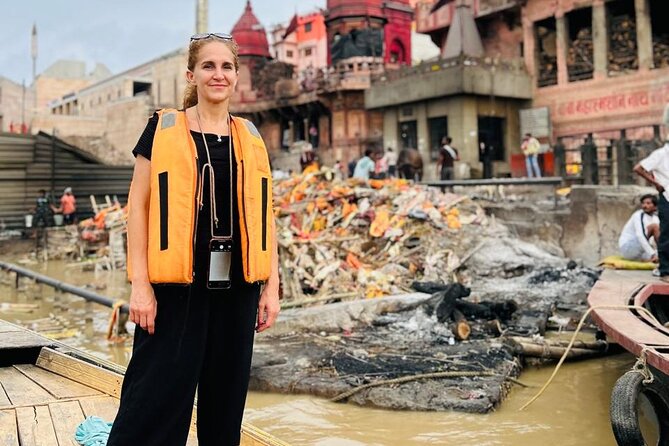
The most serious stop is Manikarnika Ghat, where the tour spends about 30 minutes. It is Varanasi’s oldest and holiest cremation ghat, and Hindu cremation rituals take place here. The guide explains the beliefs connected with death, liberation, and the importance of this place.
This is not a sightseeing stop in the usual sense. You may see solemn funeral activity, and the setting can be emotionally difficult. The value lies in learning how death is treated within the religious life of Varanasi, not in treating the ghat as a spectacle.
I would approach this part with quiet attention. Avoid photographing people or ceremonies unless your guide clearly confirms that it is appropriate. Listen more than you speak, and remember that families are using the ghat during moments of grief. The tour description makes this stop central, so you should not book the walk if you want to avoid cremation sites entirely.
For many people, this is the point where Varanasi becomes easier to understand. The city’s temples, river rituals, and ideas about liberation are not separate attractions. They are connected to the way people live and die here.
Manikarnikeshwar Mahadev Temple beneath the ghat
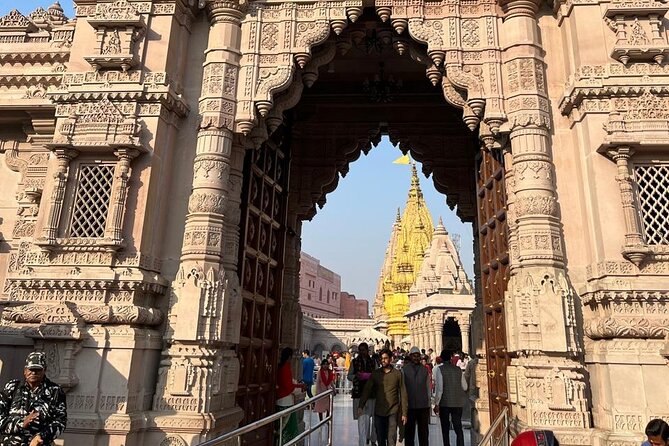
Near Manikarnika Ghat, the route reaches Manikarnikeshwar Mahadev Temple, an old shrine described as an underground linga. It is linked with the Kashi Khand, a traditional religious account of Varanasi, and is said to have special importance for those who bathe near the area.
This is a valuable stop because it takes you beyond the best-known ghat view. The shrine is rarely visited compared with the major riverfront locations, and its position beneath the ghat gives the walk a sense of discovery without turning the site into a photo opportunity.
The visit is scheduled for about 15 minutes. Space may feel tight, and the route can be less straightforward than visiting a large, open temple. That is exactly where a local guide helps. The guide can point out the entrance, explain the shrine’s meaning, and keep the visit focused.
Through the alleys of old Kashi
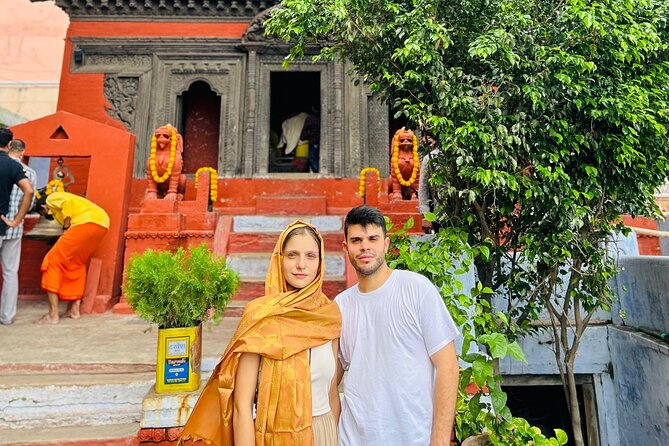
The final portion leads through Varanasi’s narrow lanes for at least 30 minutes. You pass old homes, small shrines, local artisans, and ordinary scenes that are easy to miss if you stay only on the main roads and ghats.
This is the part I find most useful for getting a sense of the city behind its famous names. A temple sign or a worn doorway may not look important at first, yet the guide can explain its connection to local belief or daily life. The route also shows you that Varanasi is not a collection of isolated religious monuments. It is a working neighborhood where worship and routine happen side by side.
The lanes can feel crowded and confusing, especially for a first-time visitor. That is a reason to choose a private walk rather than trying to reproduce the route alone. Several people have particularly praised the guides for helping them see places they would not have found independently and for making the experience feel secure and well organized.
Still, do not expect a silent stroll. You may encounter ordinary street activity, narrow passages, and sudden changes in pace. Wear practical footwear and keep your attention on the ground as well as the buildings.
Chai, local flavors, and the human side of the route
Fresh chai at a traditional tea stall is included, along with bottled water and coffee or tea. Local delicacies are part of the experience, although the exact food is not specified and additional food or drink is not included.
This small break is more important than it may sound. After temples and a cremation ghat, sitting with a cup of tea gives you a chance to ask questions and process what you have seen. It also brings the experience back to ordinary life. Varanasi’s spiritual identity is not limited to formal rituals. It appears in conversation, food, work, and the simple act of taking tea in the middle of the day.
If you have dietary restrictions, the available information does not promise specific alternatives. Ask the guide before accepting any food, and treat the tasting as an optional part of the outing rather than a full meal.
How the private format affects the experience
Only your group participates, which is the strongest practical feature of this tour. A private guide can spend more time on the subjects that interest you, whether that means temple traditions, cremation customs, architecture, local history, or daily life in the alleys.
The private format also helps when the route changes. One person had limited time before flying to Delhi and described being taken efficiently to several important places. Another person had encountered high water that made some ghats difficult to access, yet the guide adapted the visit and still found worthwhile places to see.
Those examples suggest useful flexibility, but they do not guarantee a particular alternate route. Weather, water levels, local conditions, and access can affect the walk. The operator can offer a different date or a full refund if poor weather cancels the experience, and a similar option applies if the minimum number of participants is not met.
Is $28.37 good value?
At $28.37 per person, this is a strong price for a private, guide-led walk lasting about three hours. You are paying for local explanation, route planning, access to lesser-known religious sites, bottled water, and tea, not transportation or a full meal.
The value is highest if you are new to Varanasi and want help making sense of the city quickly. A solo visitor or small group can ask direct questions without waiting for a large party. The price is also reasonable if you would otherwise spend time trying to locate the temples and alleys independently.
The value is lower if you want a long river cruise, extensive food tasting, hotel transport, or a relaxed photography walk. None of those is included. This is a concentrated cultural walk, and its strongest feature is interpretation.
Who should book this walk?
I would choose it for a first visit, especially if you have only a short time in Varanasi and want to understand the sacred quarter. It also suits people who prefer a private guide, enjoy religious architecture, and are willing to engage with difficult subjects such as cremation.
Families can participate because most people can take part, but adults should decide if children are ready for Manikarnika Ghat. The walk also suits returning visitors who want something beyond the most familiar riverfront views.
I would hesitate if you dislike narrow lanes, cannot walk comfortably for three hours, or want a light, purely scenic outing. The route asks for attention and respect. It is rewarding precisely because it presents Varanasi as it is, not as a tidy monument zone.
Should you book Hidden Corners of Varanasi?
Book this tour if you want a compact, private introduction to Varanasi’s religious life and old-city lanes. The combination of Dashashwamedh Ghat, Vishalakshi Temple, Nepali Temple, Manikarnika Ghat, Manikarnikeshwar Mahadev Temple, chai, and local stories gives you far more context than a simple ghat walk.
The best reason to choose it is the guide support. Names associated with the experience include Suhail and Sohail, and the strongest praise centers on warmth, care, efficient routing, and helping people reach places they might miss alone. Confirm the guide’s name when you book if that matters to you.
Skip it if you want to avoid cremation grounds or prefer a slower, less concentrated outing. For everyone else, $28.37 buys a thoughtful introduction to the city’s sacred core, with the useful bonus of a private route through places that are not always easy to find.
FAQ
How long does the Hidden Corners of Varanasi tour last?
The walking tour lasts approximately three hours. The scheduled visits include Dashashwamedh Ghat, Vishalakshi Temple, Nepali Temple, Manikarnika Ghat, Manikarnikeshwar Mahadev Temple, and the old-city lanes.
Where does the tour begin and end?
The tour begins at Shree Ganesha Palace, D 47/203 A Ramapura Girjaghar, Godowlia Road, Girja Ghar, Varanasi. It ends back at the meeting point.
Is this a private tour?
Yes. Only your group participates in the activity.
Is food included?
Bottled water and coffee or tea are included. Local delicacies may be part of the experience, but additional food and drink are not included.
Does the tour visit Manikarnika Ghat?
Yes. The route spends about 30 minutes at Manikarnika Ghat, an active cremation site, and explains its religious importance and cremation traditions.
Can I cancel for a full refund?
You can cancel for a full refund if you do so at least 24 hours before the local start time. Cancellations or changes made less than 24 hours in advance are not refunded. If poor weather or an insufficient number of participants causes cancellation, you can choose another date or receive a full refund.
Just added around India
- 8 Days Private South India Temple Tour with 4 Star Luxury Hotels★ 5.0 · 3 reviews
- Chennai City Highlights – Government Museum & Temple Discovery★ 4.0 · 7 reviews
- South India Tour- Temple Architecture and Backwaters★ 5.0 · 7 reviews
- Full Day Tour of Konark Temple and Puri★ 5.0 · 7 reviews
- Divine Delhi: Full-Day Tour of Temples & Spiritual Sites★ 4.5 · 3 reviews
- 6-hour Temples tour of Bhubaneswar including hotel pick-up & drop-off★ 4.0 · 3 reviews
- Bhubaneswar city tour & Konark Sun Temple in private car with guide★ 5.0 · 29 reviews
- Puri Jagannath, Konark Sun temple, Pattachitra art in best of Odisha in 2 days★ 5.0 · 10 reviews
India Temple Tours, compared.
Akshardham Temple Tour with Water and Light Show
Read our review →
Old Delhi Food-Spice Market-Temples Tour Soon Featured on NETFLIX
Read our review →
Private Guided Spiritual Walk in Banganga Hindu Temples
Read our review →
Taj Mahal Sunrise with Lord Shiva Temple:- All Inclusive
Read our review →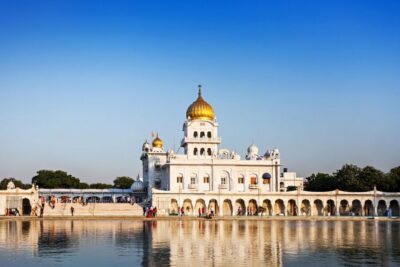
Old Delhi Temples and Spiritual Sites Private 6-Hour Tour
Read our review →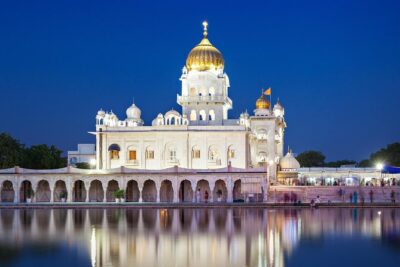
Private Delhi Temples and Spiritual Sites 6 Hours Tour
Read our review →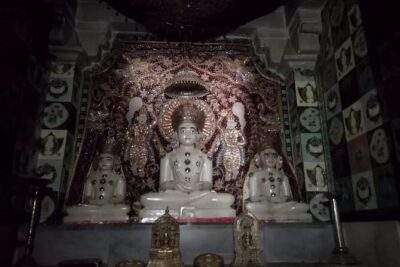
Tipu Palace + Koté Vishnu + Fort + KR Market + Jain Temple = Bengaluru Pété Walk
Read our review →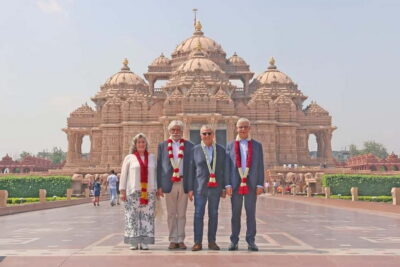
Akshardham Temple Light Show with Custom Add-Ons
Read our review →Browse the lists this tour appears in