
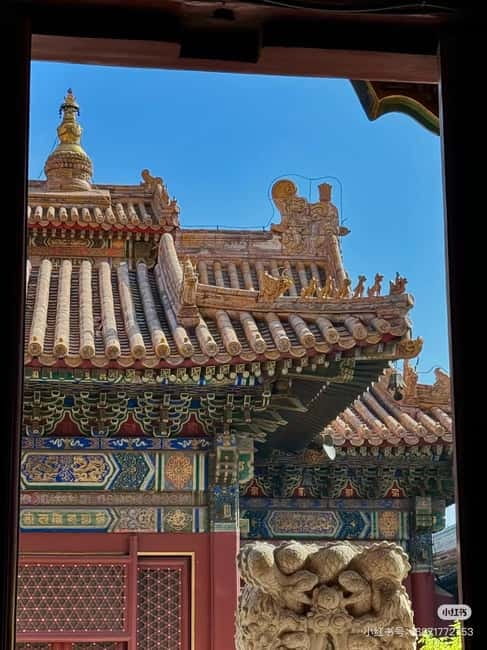
Review · BEIJING
Beijing: Yonghe Lama Temple Tickets with guide (optional)
Quiet courtyards, towering halls, and incense define this Beijing visit. I like the pre-booked admission, which saves you from dealing with on-site ticket arrangements, and I like the chance to see Tibetan Buddhist design woven into a traditional Chinese temple plan. The $12 price is fair for a full day of access, especially if you want an English guide or a small-group option.
The main drawback is timing. The temple closes by late afternoon, and entry stops before closing, so a late start can leave you rushing through the courtyards. The site is also not suitable for wheelchair users, and you must bring your passport.
Key points to know before you go
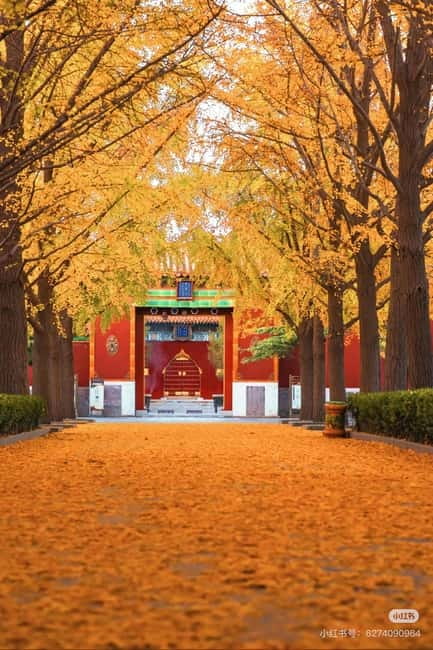
- A Qing Dynasty temple from 1694: Yonghegong began during the reign of Emperor Kangxi and later became one of the highest-ranking Buddhist temples of the late Qing period.
- Three archways and five main halls: The route moves through a carefully planned sequence of courtyards, gates, towers, and halls.
- A meeting of cultures: Han, Manchu, Mongolian, and Tibetan influences appear in the temple’s architecture and religious setting.
- Entry at Yonghe Lama Temple Station: Beijing Metro Line 5 takes you to the nearby station, making the temple simple to reach by public transportation.
- English guide option: You can check availability for a live English guide and small-group format when booking.
- Arrive early: Summer and autumn hours run from 9:00 AM to 5:00 PM, while winter and spring hours end at 4:30 PM.
Why Yonghe Lama Temple deserves time in Beijing
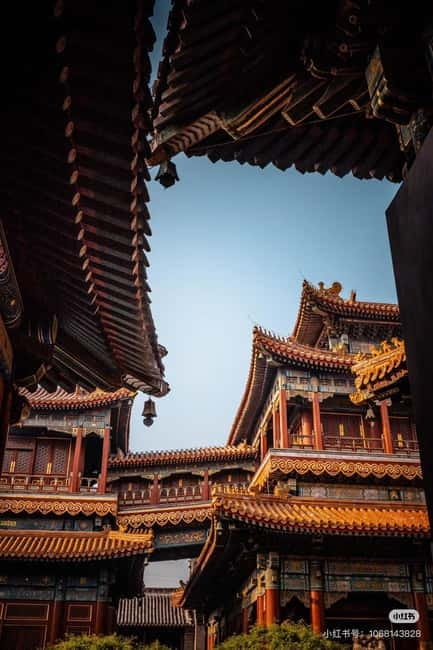
Beijing has no shortage of grand imperial buildings, but Yonghegong offers a different kind of visit. This is an active Buddhist temple complex with an architectural plan shaped by both Chinese imperial tradition and Tibetan Buddhism.
The temple began in 1694, during the 33rd year of Emperor Kangxi’s reign in the Qing Dynasty. It later became the highest-ranking Buddhist temple in the late Qing period. That background helps explain why the site feels more formal and carefully arranged than a small neighborhood place of worship.
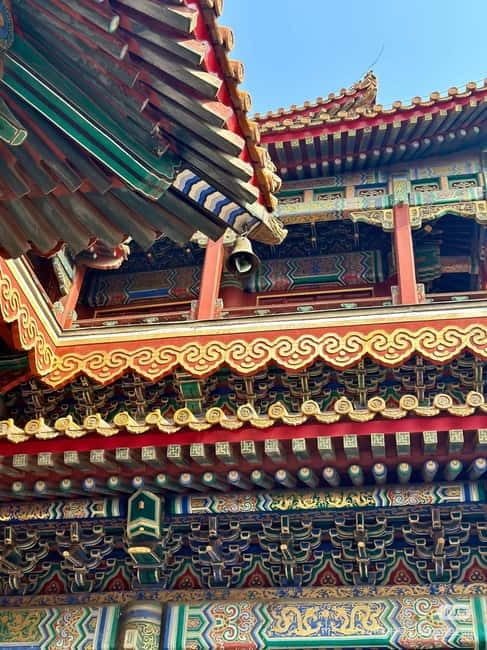
I like the way the complex reveals itself in stages. You pass through three ornate archways before reaching the principal buildings. The courtyards gradually narrow as you move from south to north, while the halls grow taller. You are not simply walking from one building to the next. The layout creates a steady sense of movement toward an important religious center.
The temple covers about 66,400 square meters and contains more than 1,000 rooms. You will not see every room, of course, but that scale gives the complex its weight. Even when one courtyard feels calm and contained, you are still inside a much larger religious and architectural world.
More Temple of Heaven Tours in Beijing:
- Beijing: The Temple of Heaven or Summer Palace Entry Ticket
★ 4.6 · 1,286 reviews - Beijing Classic Full-Day Tour including the Forbidden City, Tiananmen Square, Summer Palace and Temple of Heaven
★ 4.0 · 610 reviews - Temple of Heaven Ticket
★ 5.0 · 482 reviews
Getting there from Yonghe Lama Temple Station
The address is No. 12 Yonghegong Street in Beijing’s Dongcheng District. The simplest transport option listed for this experience is Beijing Metro Line 5. Get off at Yonghe Lama Temple Station.
This is useful because you do not need to build your visit around a complicated private transfer. The station name is closely tied to the attraction, which makes the route easier to follow for a first visit to Beijing.
Give yourself enough time to reach the entrance before the final admission period. The temple opens at 9:00 AM, and arriving earlier in the day gives you more room for the archways, halls, courtyards, and religious details without watching the clock.
The address and station information are especially important if you book only the ticket. A guide can help with orientation, but an independent visit still requires you to get yourself to the temple entrance.
The three archways set the tone
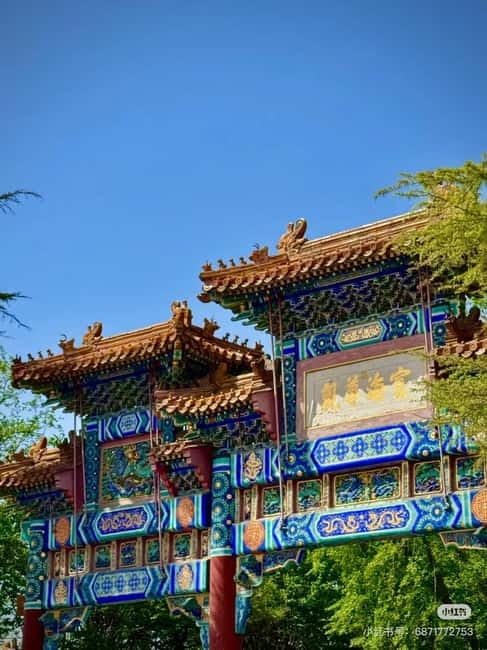
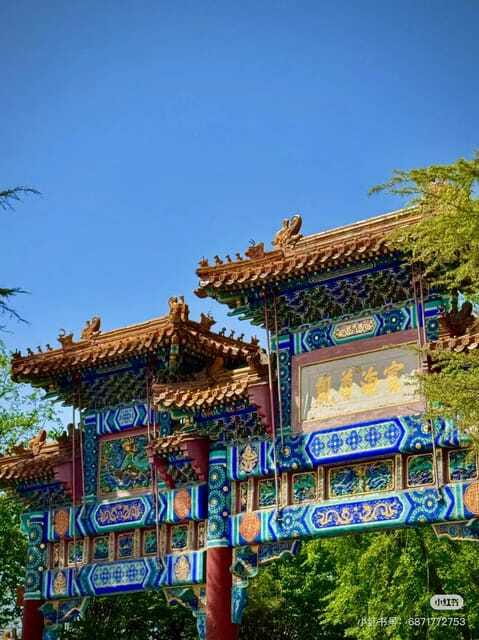
The three archways are among the first details to look for. In a temple complex this large, the gates are not just decorative entrances. They mark the change from ordinary city streets to a more formal religious space.
As you pass through them, notice how the design reflects the temple’s mixed identity. Traditional Chinese architectural forms meet a Tibetan Buddhist purpose. The result is not a simple example of one style copied onto another. It is a Qing Dynasty religious complex shaped by several cultural traditions.
The temple reflects Han, Manchu, Mongolian, and Tibetan influences. You do not need a specialist background to appreciate this. A guide can explain the symbolism and history in more detail, while an independent visit lets you set your own pace and pause where you wish.
The gates also provide a useful way to understand the route. Instead of one huge open compound, Yonghegong unfolds in a series of controlled transitions. Each entrance prepares you for the courtyard ahead.
The five main halls and the northward route
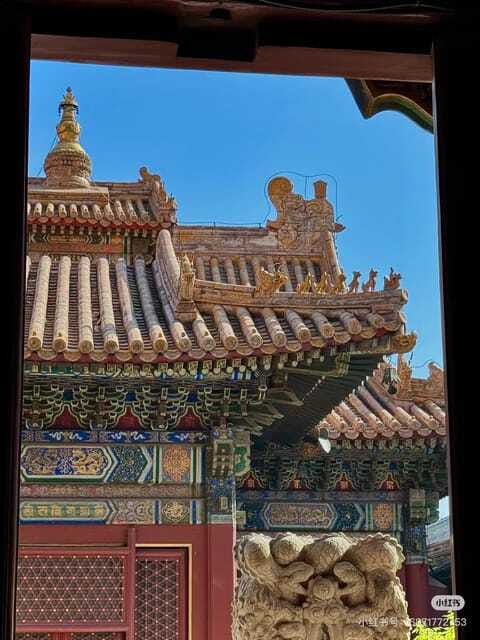
The five principal halls form the heart of the visit. The route includes the Yonghe Gate, the Grand Hall, also known as the Hall of Great Buddha, Yongyou Hall, the Hall of the Wheel of the Dharma, and the Pavilion of Ten Thousand Blessings.
The buildings become taller as you move north. At the same time, the courtyards become narrower. This arrangement gives the walk a clear rhythm. The farther you go, the more the architecture presses your attention upward and inward.
The Yonghe Gate is an important early marker in the sequence. From there, the route leads toward the larger halls and more imposing structures. The Grand Hall, or Hall of Great Buddha, is one of the key buildings to note, particularly if you want to understand how the temple’s religious function fits into its imperial-era design.
Yongyou Hall adds another layer to the complex. The Hall of the Wheel of the Dharma points more directly to the temple’s Tibetan Buddhist character, while the Pavilion of Ten Thousand Blessings provides a memorable final architectural focus.
The names can blur together during a first visit. I suggest keeping the main sequence in mind rather than trying to memorize every room:
- Zhaotai Gate
- Bell Tower and Drum Tower
- Yonghe Gate
- Grand Hall, or Hall of Great Buddha
- Yongyou Hall
- Hall of the Wheel of the Dharma
- Pavilion of Ten Thousand Blessings
The bell and drum towers are also worth noticing. They help show how the temple’s buildings serve different purposes within one ordered compound. Even when you do not have detailed explanations for every structure, the arrangement makes more sense when you view it as a working religious complex rather than a collection of isolated photo stops.
More Entry Tickets in Beijing:
- Beijing: Lama Temple (Yonghe Temple) Admission Ticket
★ 4.8 · 297 reviews - Temple of Heaven Ticket
★ 4.9 · 271 reviews - Beijing: Yonghe Lama Temple Entry Ticket
★ 4.5 · 147 reviews - Beijing: Temple of Heaven Ticket with 5 UNESCO Site Options
★ 5.0 · 130 reviews
What the architecture tells you
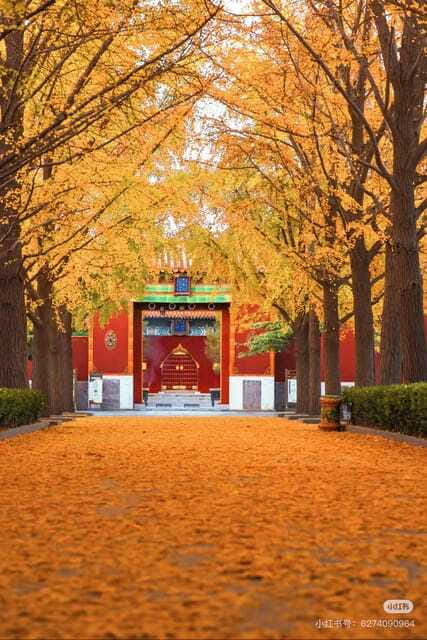
Yonghe Lama Temple is valuable because it shows how religious identity and Chinese imperial architecture can occupy the same space. The buildings follow a formal Chinese layout, but the temple’s role in Tibetan Buddhism gives the complex a different character from a standard imperial palace or garden.
The courtyards are carefully measured. The halls rise in stages. Gates, towers, and main buildings form a sequence that feels deliberate from the first entrance to the northern end.
I would pay attention to contrast. The temple’s broad plan covers a large area, yet the courtyards gradually narrow. The halls grow higher as the path continues. This makes the visit feel more directed than a simple stroll through an open park.
The four cultural influences named for the site are also useful clues. Han, Manchu, Mongolian, and Tibetan elements are part of the temple’s identity. If you choose the English guide option, this is one of the areas where an explanation could add real value. Without a guide, you can still appreciate the design, but you may miss why certain details matter.
Choosing a ticket or an English guide
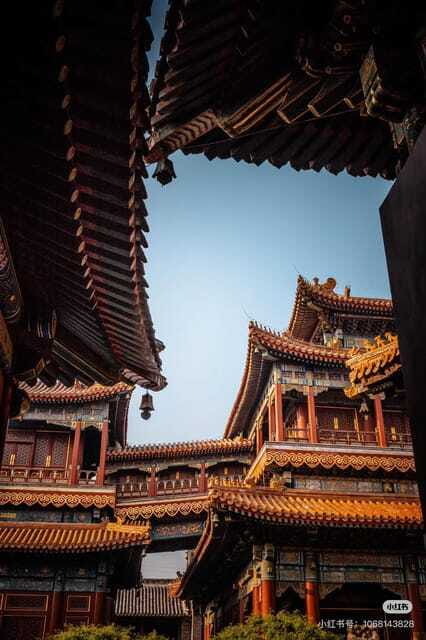
The basic experience includes a Yonghegong Lama Temple ticket and an information service fee. The listed price is $12 per person, and the ticket is valid for one day.
For an attraction of this size, the price is reasonable. You are paying for access to a large historic temple complex rather than a short exhibit. The pre-booked ticket also has practical value because it reduces the need to arrange admission on the spot.
A live English guide is available as an option, and small-group arrangements are offered. Check the available starting times when you book because the experience is listed as dependent on availability.
I would choose the guide if you want context about Tibetan Buddhism, Qing Dynasty history, and the meaning of the layout. The temple contains more than 1,000 rooms, and a guide may help you separate the essential buildings from the less important details.
I would choose the ticket-only option if you already know the history or prefer a quieter visit. You can spend more time in the courtyards that interest you and less time following a fixed explanation.
The best choice depends less on the price than on how you like to see historic sites. The $12 ticket is good value for independent exploration. The guide should be judged by the extra understanding it provides, not simply as a way to move through the entrance.
Timing the visit around Beijing’s seasons
The hours change by season:
- From April 1 through October 31, the temple opens at 9:00 AM and closes at 5:00 PM.
- From November 1 through March 31, it opens at 9:00 AM and closes at 4:30 PM.
- The stated last admission is 4:30 PM in summer and autumn, and 4:00 PM in winter and spring.
The information also notes that entry stops at 4:00 PM and the grounds are cleared by closing time. Because those cutoff details are easy to misread, plan to arrive well before 4:00 PM. A morning visit is the safest choice.
A full day is allowed for the ticket, but you do not need to spend every available hour inside. The main benefit of the one-day validity is flexibility. You can plan the temple as one part of your Beijing day rather than treating it as a timed, rushed stop.
Winter and spring give you less daylight and an earlier closing time. If your schedule includes several attractions, put Yonghegong earlier in the day during those months.
What to bring and what to expect at the entrance
Bring your passport. It is specifically required information for this activity, so do not assume another form of identification will be enough.
Alcohol and drugs are not allowed. Making a fire is also prohibited. These rules fit the religious setting, but they are still worth noting before you arrive.
Wear practical shoes and allow time for walking through the complex. The site has multiple gates, courtyards, halls, and towers, so even a focused visit involves movement across a substantial area.
Wheelchair users should choose another attraction or confirm alternatives before booking. This experience is listed as not suitable for wheelchair users, and the information provided does not promise accessible routes or facilities.
Who will enjoy this temple visit most
I would recommend Yonghe Lama Temple to you if you like architecture, religious sites, or Beijing’s Qing-era history. It is also a good choice if you want a cultural stop that differs from the city’s better-known palace and public square attractions.
The experience suits independent visitors who want a straightforward admission ticket. The metro access and one-day validity make it easy to fit into a larger Beijing schedule.
An English guide is a good match for you if you want the buildings explained as you walk. The temple’s scale and mixed traditions can be hard to read from architecture alone.
Families and older visitors should pay attention to the walking involved and the lack of suitability for wheelchair users. The site is not presented as an accessible tour, so check your own mobility needs carefully before reserving.
This is less suitable for you if you only have a few minutes between other attractions. The courtyards and halls are arranged as a sequence, and rushing from the entrance to the final building would miss much of the point.
Is the $12 ticket worth it?
At $12 per person, the admission offers solid value. You receive access to a large temple complex with three archways, five main halls, towers, courtyards, and more than 1,000 rooms across the site.
The pre-booking benefit is modest but useful. It removes one small task from a busy Beijing day and gives you a confirmed plan for a major cultural attraction.
The price is especially fair if you take time to appreciate the architecture rather than treating the temple as a quick photo stop. The optional English guide may make the experience more worthwhile if you want historical and religious context, but the guide’s availability and format should be checked before booking.
Free cancellation up to 24 hours in advance and the reserve-now-pay-later option also make the booking flexible. These terms are helpful if your Beijing schedule may change, but the main value still comes from the temple itself.
Should you book Yonghe Lama Temple?
Book it if you want a well-organized visit to one of Beijing’s most important Buddhist temple complexes, especially if you enjoy architecture and want to see Tibetan and Chinese traditions together. The $12 price is sensible, the metro route is practical, and the pre-booked ticket keeps the visit simple.
Choose the English small-group guide if the historical meaning of the halls matters to you. Choose admission only if you prefer to move at your own pace.
Arrive in the morning, bring your passport, and do not leave the visit until late afternoon. If you use a wheelchair, this is not the right experience based on the stated access information.
FAQ
Where is Yonghe Lama Temple located?
It is located at No. 12 Yonghegong Street in Beijing’s Dongcheng District.
Which metro station serves Yonghe Lama Temple?
Take Beijing Metro Line 5 and get off at Yonghe Lama Temple Station.
How much does the experience cost?
The listed price is $12 per person.
How long is the ticket valid?
The ticket is valid for one day.
What are the temple’s opening hours from April to October?
From April 1 through October 31, the temple is open from 9:00 AM to 5:00 PM.
What are the opening hours from November to March?
From November 1 through March 31, the temple is open from 9:00 AM to 4:30 PM.
When is the last admission?
The stated last admission is 4:30 PM during summer and autumn, and 4:00 PM during winter and spring. Plan to arrive earlier because entry ends before the site closes.
Is an English guide available?
Yes. A live English guide is available, and small-group options are offered. Check availability when booking.
What must I bring?
Bring your passport.
Is the experience suitable for wheelchair users?
No. The experience is listed as not suitable for wheelchair users.
Just added around Beijing
- Temple of Heaven Admission Ticket★ 4.0 · 36 reviews
- 3-Hour Private Tour: Temple of Heaven and Lama Temple★ 5.0 · 3 reviews
- Temple of Heaven Morning Walking Tour with Ticket★ 5.0 · 7 reviews
- Small Group Beijing Temple of heaven and Summer Palace with Pearl market★ 5.0 · 3 reviews
- Full-Day Beijing Forbidden City, Temple of Heaven and Summer Palace Tour★ 4.5 · 40 reviews
- Summer Palace and Temple Of Heaven Private Tour★ 5.0 · 9 reviews
- Private Day Trip of Forbidden City, Temple of Heaven and Summer Palace★ 4.5 · 3 reviews
- Private Day to T-Square, Forbidden city, Temple of heaven, Summer palace Tour★ 5.0 · 54 reviews
Temple of Heaven Tours, compared.
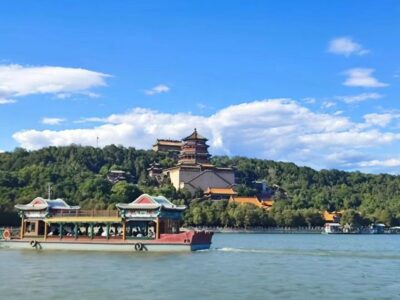
The Temple of Heaven or Summer Palace Entry Ticket
Read our review →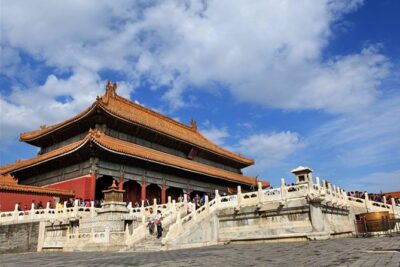
Beijing Classic Full-Day Tour including the Forbidden City, Tiananmen Square, Summer Palace and Temple of Heaven
Read our review →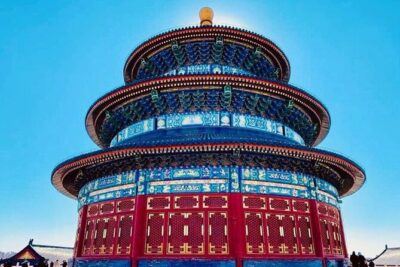
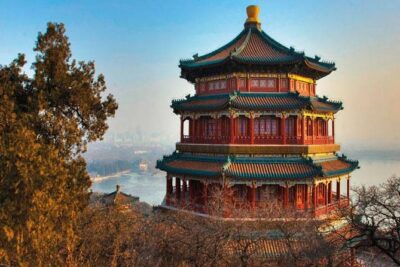
Temple Heaven, Lama Temple, Summer Palace & Peking Duck Bus Tour
Read our review →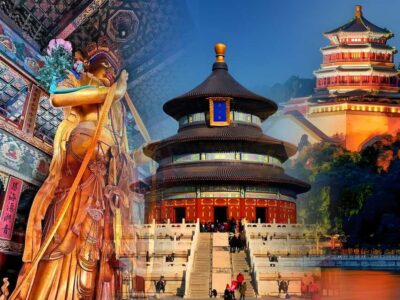
Temple Heaven, Summer Palace, Lama Temple, Hutong Bus Tour
Read our review →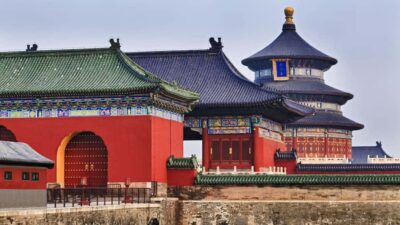
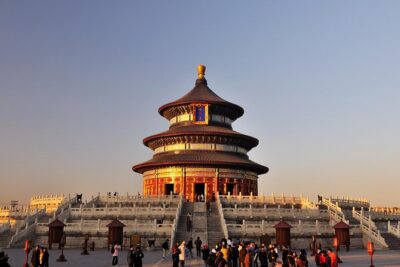
Temple of Heaven, Summer Palace, Lama Temple, Hutong Tours
Read our review →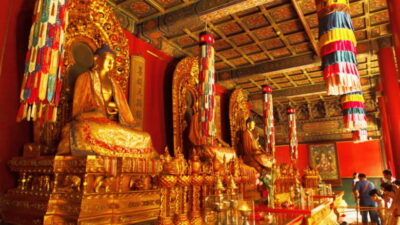
Browse the lists this tour appears in