
Review · BEIJING
Beijing: Temple of Heaven Park Ticket with guide(optional)
Ancient Beijing begins with a royal prayer. This Temple of Heaven experience brings you to Beijing’s grandest imperial worship site, where the Hall of Prayer for Good Harvests rises above old cypress trees and carefully planned ceremonial courtyards. I like the chance to see the park’s famous architecture and its quieter natural side. I also like that a small English-speaking group can make the three-hour visit easier to follow. The main caution is important: ticket details have caused confusion, and the QR code alone may not be your actual entrance ticket.
This is a good fit if you want historical context without arranging every detail yourself. You can visit independently for less hassle, but a guide adds meaning to the round-heaven, square-earth design and explains why each altar mattered. Before you go, confirm exactly which ticket you have, which gate to use, and whether the guide service is included in your chosen option.
Key points to know before you book
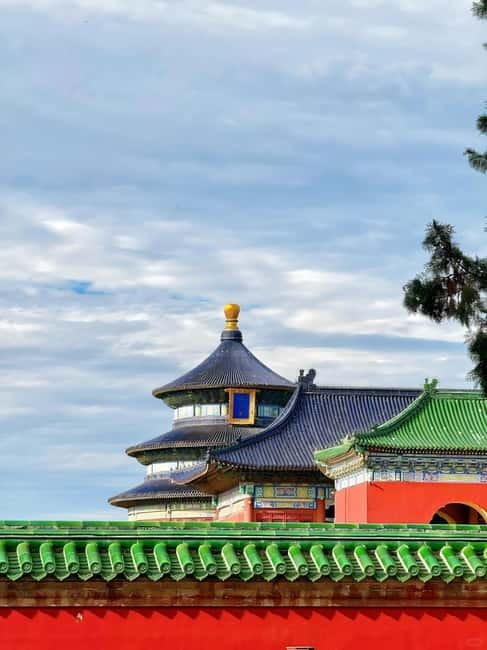
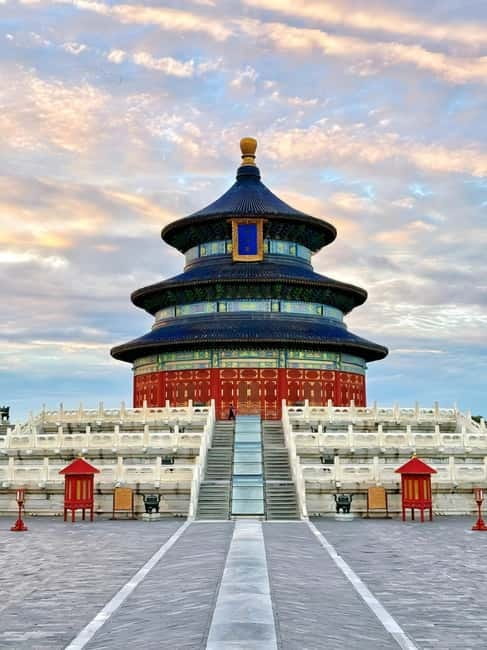
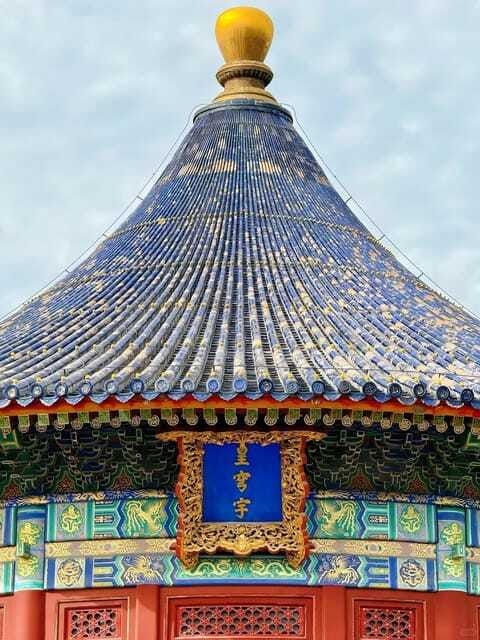
- The Hall of Prayer for Good Harvests is the star: Its triple-tiered blue roof makes it one of Beijing’s most recognizable buildings.
- The park is much larger than the main hall: The full complex covers 273 hectares, with altars, cypress groves, ceremonial buildings, and long walking routes.
- Ticket wording matters: A combined ticket includes the park and its main attractions during the stated daytime hours, while a basic ticket may cover only park entry.
- The English tour is intended for a small group: Capacity is limited to 10 people, with a guided visit listed at about three hours.
- The two subway options serve different sides: Use Tiantan East Gate on Line 5 or Tianqiao on Line 8, then follow the meeting instructions carefully.
- Bring your passport and check your messages: Your GetYourGuide QR code is not necessarily the entrance ticket, and your name and passport number are required.
Why the Temple of Heaven deserves a half-day
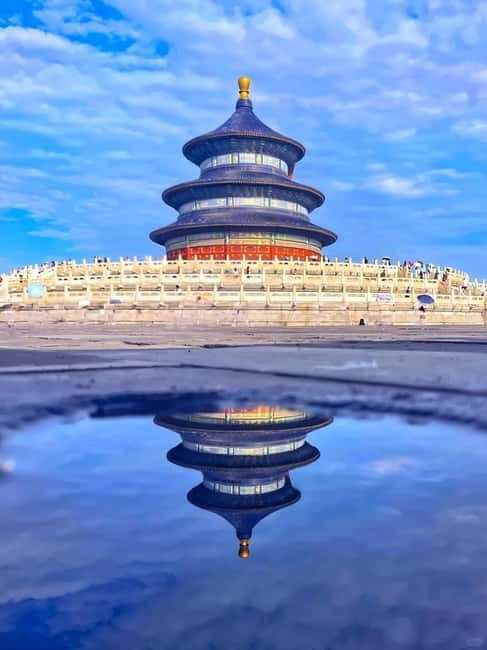
The Temple of Heaven is not simply another palace park. It was the place where Ming and Qing emperors performed ceremonies asking Heaven for good harvests. The complex began in 1420, during the reign of the Ming emperor Yongle, and was first called the Altar of Heaven and Earth. In 1530, it received its present name.
At 273 hectares, it is the largest surviving ancient sacrificial architecture complex in China. That size changes the feel of the visit. You do not merely walk from one building to another. You pass through broad spaces, old trees, enclosing walls, and carefully arranged ceremonial zones that made the emperor’s movement part of the ritual.
The design also reflects an old Chinese view of the universe. The northern part of the park is round, while the southern part is square. This represents round Heaven and square Earth. The idea is easier to understand when you see the geometry from the paths and courtyards rather than read about it in a guidebook.
I would allow at least three hours for the main route. The advertised duration ranges from three to eight hours, depending on the selected arrangement and how much time you spend walking through the park. The buildings are the focus, but the trees and open space are part of the experience, too.
More Temple of Heaven Tours in Beijing:
- Beijing: The Temple of Heaven or Summer Palace Entry Ticket
★ 4.6 · 1,286 reviews - Beijing Classic Full-Day Tour including the Forbidden City, Tiananmen Square, Summer Palace and Temple of Heaven
★ 4.0 · 610 reviews - Temple of Heaven Ticket
★ 5.0 · 482 reviews
Reaching the park by Beijing subway
The park has more than one practical subway approach, and choosing the right one can save you a long, uncertain walk. The closest named station for the east side is Temple of Heaven East Gate on Line 5. Another option is Tianqiao Station on Line 8.
Your meeting point is sent after booking, so do not assume that arriving at the park automatically puts you beside the guide. Confirm the gate and station connection in advance. One of the clearest practical lessons from the available feedback is that the right entrance was not always obvious, and local holidays or public events can affect transport.
Beijing’s major sites can have several gates, large surrounding roads, and different walking approaches. I would save the meeting instructions offline, keep your phone charged, and leave extra time for locating the correct entrance. The guide may be easy to find once you reach the specified point, but finding that point is your responsibility.
The park opens earlier than its individual attractions. From April 1 to October 31, park hours are 6:00 a.m. to 9:00 p.m., while the attractions operate from 8:00 a.m. to 5:30 p.m. From November 1 to March 31, the park opens at 6:30 a.m., with attractions open from 8:00 a.m. to 4:30 p.m.
This difference matters. You may enter the grounds early, but you cannot assume that every major building is open at that time. For a guided visit focused on the monuments, a start after 8:00 a.m. makes more sense.
Understanding the ticket before you enter
The ticket arrangement is the most important part of this experience to clarify. Bookings made before 4:30 p.m., except on Monday, are described as combined tickets. These include park entry and admission to the attractions inside the park. At other times, the purchase may be a basic park ticket only.
That distinction explains why two people can pay for what sounds like the same experience and receive different admission coverage. A park ticket gets you into the grounds, but it may not include the main temple buildings and ceremonial sites. If your purpose is to see the Hall of Prayer, Circular Mound Altar, Palace of Abstinence, and Divine Music Office, you need to confirm that your ticket is the combined type.
The advertised price is $39 per person. That can be fair value if you receive the appropriate entrance ticket plus a three-hour English tour in a group of no more than 10 people. It is less attractive if you must pay an unexpected extra fee for the central temple area or spend time solving a ticket problem at the gate.
The booking notes say the GetYourGuide QR code is not the actual entrance ticket. You should check the email or WhatsApp message sent with the ticket details. Your name and passport number are essential, so enter them exactly as shown on your passport.
This is not a minor technical point. Some visitors have arrived without the expected ticket and had to buy admission at the park office. Others found that temple access was not included and paid again. I would not leave this check until the morning of the visit.
The Hall of Prayer for Good Harvests
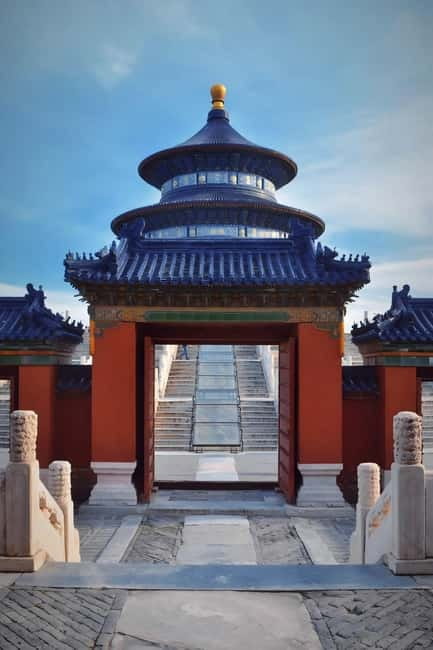
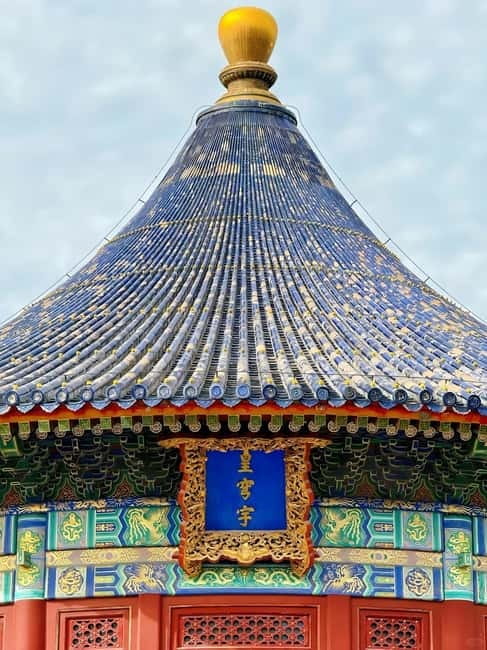
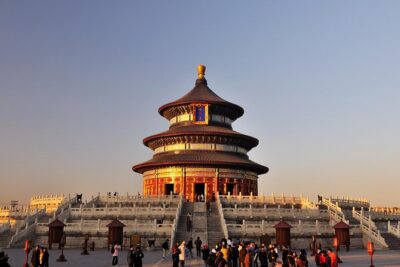
The Hall of Prayer for Good Harvests is the image most people associate with the Temple of Heaven. Its deep blue, three-tiered roof rises above a round wooden structure, and the color connects the building with the sky. It is a symbol of Beijing, but the setting gives it more weight than a quick photograph suggests.
The hall was built for spring prayers for good harvests. The emperor did not come as a private worshipper. He performed his role as the link between the imperial government, the people, and Heaven. That makes the building part of a larger ritual system, not just an attractive old structure.
The approach is also important. The elevated white stone terraces, broad steps, and open space create a controlled sense of movement. You are guided toward the building through symmetry and height. A guide can help you notice how the route and proportions were designed to make the ceremony feel serious and orderly.
Expect this to be the busiest stop on the route. It is the park’s best-known sight, so you may find more people gathered here than around the less famous structures. Take your time with the view, then look beyond the roof and notice the stone platforms, surrounding walls, and old trees.
More Entry Tickets in Beijing:
- Beijing: Lama Temple (Yonghe Temple) Admission Ticket
★ 4.8 · 297 reviews - Temple of Heaven Ticket
★ 4.9 · 271 reviews - Beijing: Yonghe Lama Temple Entry Ticket
★ 4.5 · 147 reviews - Beijing: Temple of Heaven Ticket with 5 UNESCO Site Options
★ 5.0 · 130 reviews
The Circular Mound Altar and the emperor’s winter ceremony
The Circular Mound Altar is more severe than the Hall of Prayer for Good Harvests. Instead of a richly decorated wooden hall, you find a raised circular stone platform built for worship on the Winter Solstice.
Its design puts attention on the center, the sky, and the emperor’s position during the ceremony. The open platform makes the round-heaven idea especially clear. The structure is a physical expression of ritual order, with the emperor placed at the center of an enormous relationship between Earth and Heaven.
This stop also helps balance the visit. The Hall of Prayer is colorful and instantly recognizable. The Circular Mound Altar is quieter and more abstract. If you prefer understanding how a site worked rather than simply collecting photos, this is where the guided explanation earns its keep.
The open design may also mean more exposure to sun, cold, or wind than the enclosed buildings. Wear sensible shoes and dress for the weather. The park is large, and even a calm visit involves a good amount of walking between ceremonial areas.
The Palace of Abstinence and preparation for ritual
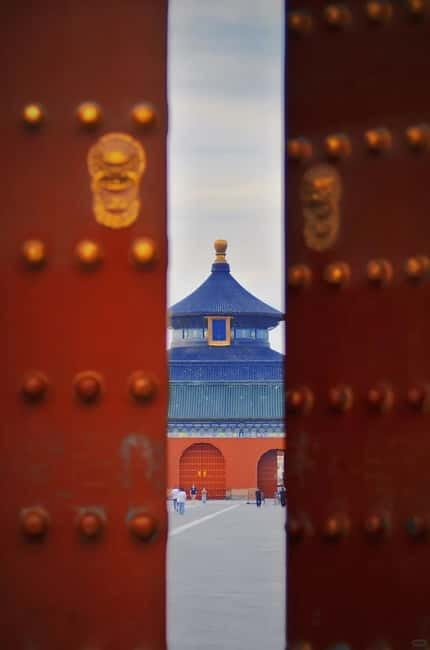
The Palace of Abstinence was where the emperor stayed before major ceremonies. The purpose was not relaxation. The emperor observed a period of preparation and abstinence before performing the rites.
This part of the complex shows that the ceremony began well before the emperor reached the altar. Time, behavior, clothing, food, and movement were all controlled. The palace helps you picture the preparation behind the public ritual.
The supplied highlights also mention the Palace of Heavenly Purity. That name is associated with Beijing’s imperial palace complex, but the Temple of Heaven route specifically lists the Palace of Abstinence. I would confirm the exact buildings included in your chosen visit rather than assume that every palace named in the promotional material belongs to this park.
That small clarification can prevent disappointment. The Temple of Heaven and the Forbidden City are separate sites, and their palace names can sound similar. A guide or ticket message should make clear what you are actually scheduled to see.
The Divine Music Office and ceremonial sound
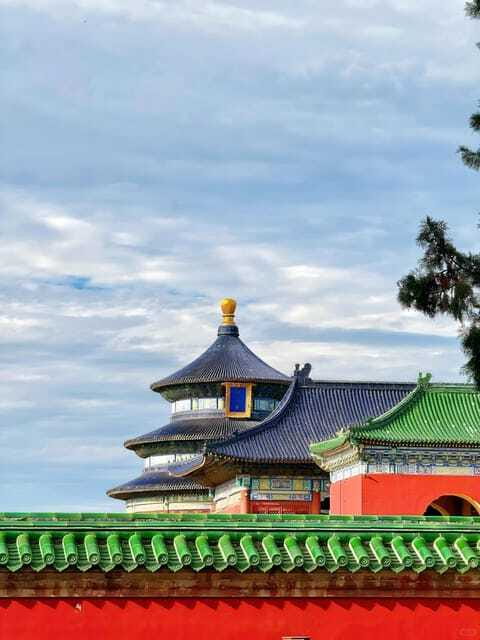
The Divine Music Office was used to rehearse ceremonial music and rituals. It adds an element that is easy to miss when you focus only on architecture. Imperial ceremonies depended on sound as well as buildings, movement, clothing, and offerings.
This stop gives you a better idea of how carefully managed the worship ceremonies were. Music was not background entertainment. It helped set the pace and tone of the ritual.
The Divine Music Office is also one reason I would favor a guide for first-time visitors. Without an explanation, it may look like another historic building. With context, it becomes part of the machinery that made the ceremonies work.
The exact order of stops can depend on the meeting point, opening hours, and the guide’s route. The listed guided tour lasts about three hours, which should provide enough time for the main sites but not necessarily for every corner of the 273-hectare grounds.
Cypress trees, open space, and the quieter side of the park
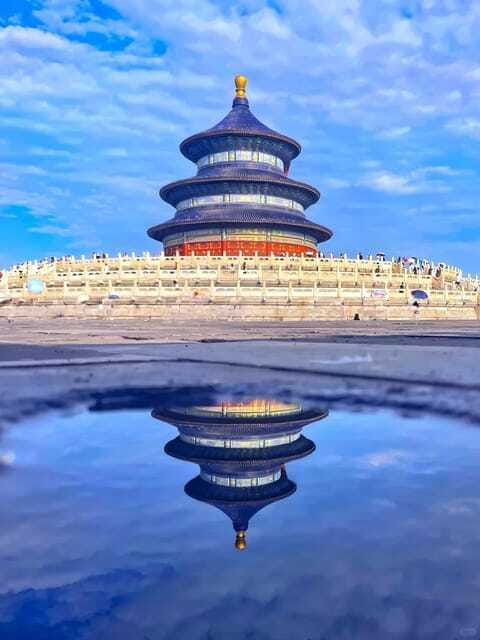
The Temple of Heaven is not only about imperial ceremony. Its ancient cypress trees give the park a calmer mood, especially away from the main hall. The trees help you understand why this remains a place for walking and quiet observation as well as formal sightseeing.
I like this contrast. The grand altars explain the power of the emperor, while the trees make the park feel older and less theatrical. You can pause between buildings, look at the arrangement of the paths, and let the scale of the complex sink in.
Because the park is large, you should expect walking rather than a compact museum visit. The experience is accessible for wheelchair users, but distances across the site can still matter. If you have limited mobility, confirm the route and meeting arrangements ahead of time.
The park’s opening hours also make an early independent visit possible, although the attractions open later. An early arrival may offer a quieter setting around the grounds, while a guided start after 8:00 a.m. is better for the major buildings.
What the English small-group guide adds
The live tour is in English, and the group is limited to 10 people. That is a useful size for an urban monument. You are less likely to be lost in a large crowd, and there should be room to ask questions.
The guide’s real value is interpretation. The buildings are impressive on their own, but the meaning of the circular and square forms, the emperor’s role, the seasonal ceremonies, and the music office is not always obvious from signs.
At the same time, do not expect a fully customized private tour. A small group is not the same as a private guide, and the duration is listed as three hours within a possible overall range of three to eight hours. Confirm your exact option and start time before paying.
The available feedback about the experience is mixed. Several ratings praise friendly, capable guiding and strong English, but some comments appear to describe other Chinese attractions rather than this Beijing visit. I would treat those comments cautiously and judge this booking mainly on the confirmed ticket terms, meeting details, and guide inclusion.
Who should book this experience?
I would recommend it to a first-time Beijing visitor who wants a clear introduction to one of China’s most important imperial sites. It suits you especially well if you value context, prefer a small group, and do not want to work out the ceremonial layout alone.
It is also useful for visitors with limited time. The main route can cover the most important buildings in about three hours, leaving room for another Beijing sight later in the day.
Independent visitors may prefer to buy tickets at the park and walk at their own pace. That option gives you more control, but you will need to handle the ticket categories, opening times, passport requirements, and site interpretation yourself.
I would be cautious if you are booking mainly for a guaranteed all-inclusive entrance. The ticket wording requires careful checking. Ask specifically if the price includes the park, the internal attractions, and the English guide for your selected time.
Practical details that can save your visit
Bring your passport. The booking requires your name and passport number, and you may need the document connected with your entry.
Do not rely only on the QR code shown in the booking platform. Check your email or WhatsApp for the actual ticket instructions.
Confirm the gate. The subway stations are Temple of Heaven East Gate on Line 5 and Tianqiao on Line 8, but the best station depends on the meeting point.
Avoid alcohol, drugs, and fireworks, which are not allowed.
Food is not included, so plan your meal separately. The activity is mainly a walking and sightseeing visit rather than a food tour.
Free cancellation is available up to 24 hours before the activity for a full refund, and reserve-now, pay-later booking is offered. Those terms are useful if your Beijing schedule is still changing, but they do not remove the need to check the actual ticket type.
Should you book the Temple of Heaven tour?
Book it if you want the Temple of Heaven explained in English, prefer a small group, and are willing to confirm the ticket details before arrival. The Hall of Prayer for Good Harvests, Circular Mound Altar, Palace of Abstinence, and Divine Music Office provide a strong three-hour introduction to imperial ritual and Chinese ideas about the universe.
Skip it and visit independently if you want maximum flexibility or if the combined ticket terms remain unclear. At $39, the value depends on receiving both the correct attraction admission and the promised guiding service. My practical advice is simple: confirm the meeting gate, verify that internal temple access is included, and check your email or WhatsApp for the real ticket before you leave your hotel.
FAQ
Where is the Temple of Heaven Park?
It is located at No. 7 Tiantan Inner East Road in Beijing’s Dongcheng District.
Which subway stations serve the park?
You can use Temple of Heaven East Gate Station on Line 5 or Tianqiao Station on Line 8.
How long does the experience last?
The stated duration is between three and eight hours, with the guided Temple of Heaven visit listed at about three hours.
Is an English-speaking guide included?
The activity information describes a live English tour guide. Check your selected booking option to confirm that guiding is included rather than optional.
How large is the group?
The group is limited to 10 participants.
What does the combined ticket include?
The combined ticket includes entry to the park and the attractions inside it. Bookings made before 4:30 p.m., except on Monday, are described as combined tickets.
What are the park and attraction opening hours?
From April 1 to October 31, the park is open from 6:00 a.m. to 9:00 p.m., and the attractions are open from 8:00 a.m. to 5:30 p.m. From November 1 to March 31, the park is open from 6:30 a.m. to 9:00 p.m., and the attractions are open from 8:00 a.m. to 4:30 p.m.
What should I bring?
Bring your passport. Your name and passport number are essential for the booking.
Is the GetYourGuide QR code the actual entrance ticket?
No. The booking information says the QR code is not the actual ticket. Check your email or WhatsApp for the ticket details and instructions.
Just added around Beijing
- Temple of Heaven Morning Walking Tour with Ticket★ 5.0 · 7 reviews
- Temple of Heaven Admission Ticket★ 4.0 · 36 reviews
- 3-Hour Private Tour: Temple of Heaven and Lama Temple★ 5.0 · 3 reviews
- Small Group Beijing Temple of heaven and Summer Palace with Pearl market★ 5.0 · 3 reviews
- Full-Day Beijing Forbidden City, Temple of Heaven and Summer Palace Tour★ 4.5 · 40 reviews
- Summer Palace and Temple Of Heaven Private Tour★ 5.0 · 9 reviews
- Private Day Trip of Forbidden City, Temple of Heaven and Summer Palace★ 4.5 · 3 reviews
- Private Day to T-Square, Forbidden city, Temple of heaven, Summer palace Tour★ 5.0 · 54 reviews
Temple of Heaven Tours, compared.
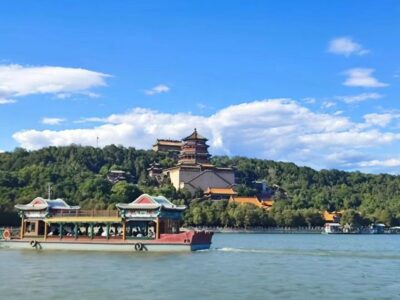
The Temple of Heaven or Summer Palace Entry Ticket
Read our review →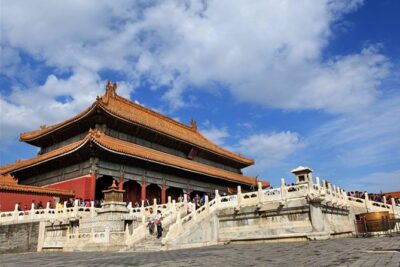
Beijing Classic Full-Day Tour including the Forbidden City, Tiananmen Square, Summer Palace and Temple of Heaven
Read our review →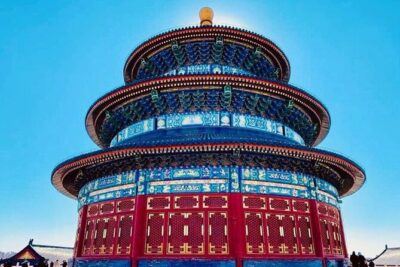
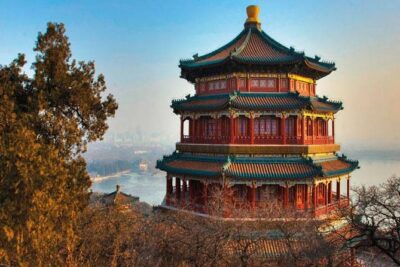
Temple Heaven, Lama Temple, Summer Palace & Peking Duck Bus Tour
Read our review →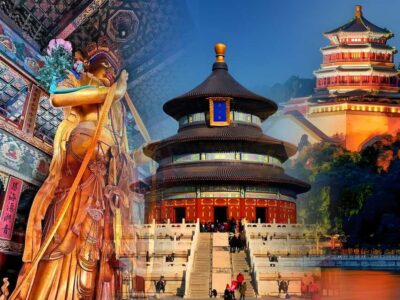
Temple Heaven, Summer Palace, Lama Temple, Hutong Bus Tour
Read our review →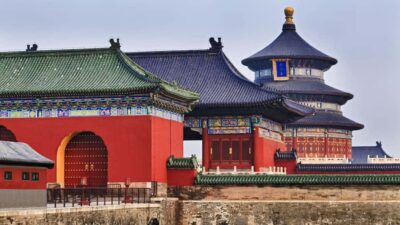
Temple of Heaven, Summer Palace, Lama Temple, Hutong Tours
Read our review →
Browse the lists this tour appears in