
Review · PRIVATE
Wat Pho, Wat Arun and Wat Hong Rattanaram Private Tour
Three temples, three chapters of Bangkok. This four-hour private tour connects Wat Pho, Wat Arun, and Wat Hong Rattanaram with the story of Thailand’s changing capitals, from Ayutthaya to Thonburi and modern Bangkok. I like the personal pace and the chance to cross the Chao Phraya River between major sights rather than treating each temple as a separate photo stop.
I also like that the tour includes a guide, hotel pickup in central Bangkok, and admission to Wat Pho and Wat Arun. Guides such as Mina, Kay, Emi, Amy, Oiee, Lily, and Tawee have been praised for their patience and clear explanations. The main consideration is the four-hour limit, which can feel tight if you want long visits, detailed photography, and a relaxed look at every shrine.
Key points at a glance
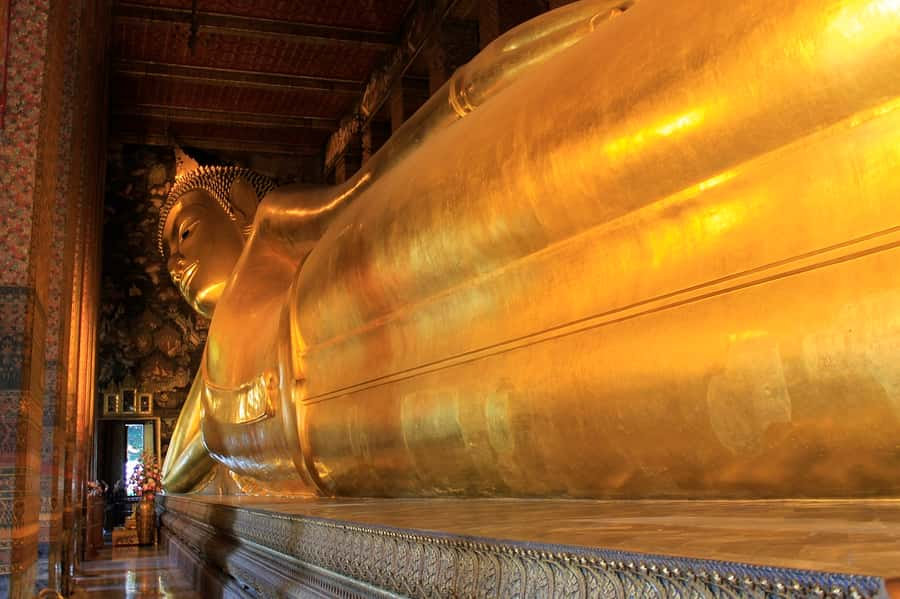
- Wat Pho’s reclining Buddha: See Bangkok’s famous gold-plated reclining Buddha and learn why Wat Pho is linked with the birth of traditional Thai massage.
- A river crossing with purpose: Travel from the Bangkok side to Wat Arun across the Chao Phraya River, following the shift from Thonburi to present-day Bangkok.
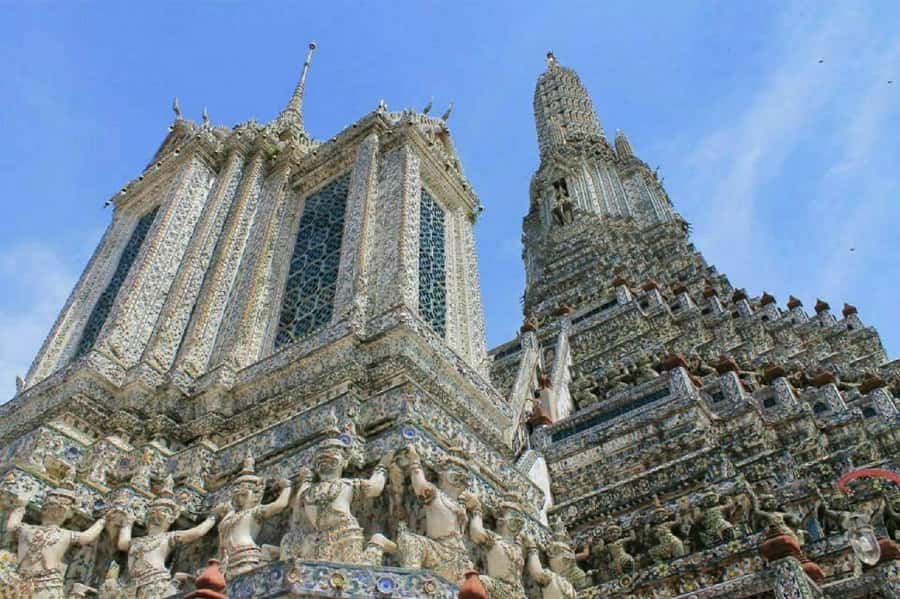
- Wat Arun’s porcelain-covered prang: Examine the distinctive stupa-like tower decorated with colorful glazed tiles and seashells.
- Wat Hong Rattanaram’s quieter setting: Visit a temple shaped by Chinese and Western artistic influence, with a Buddha image from the Sukhothai period.
- A genuinely private format: You receive a personalized tour instead of moving with a large group, which helps when you need extra time or have mobility concerns.
- Respectful temple planning: Wear clothing covering your shoulders and knees, and choose shoes that come off easily.
Why these three temples make a strong Bangkok introduction
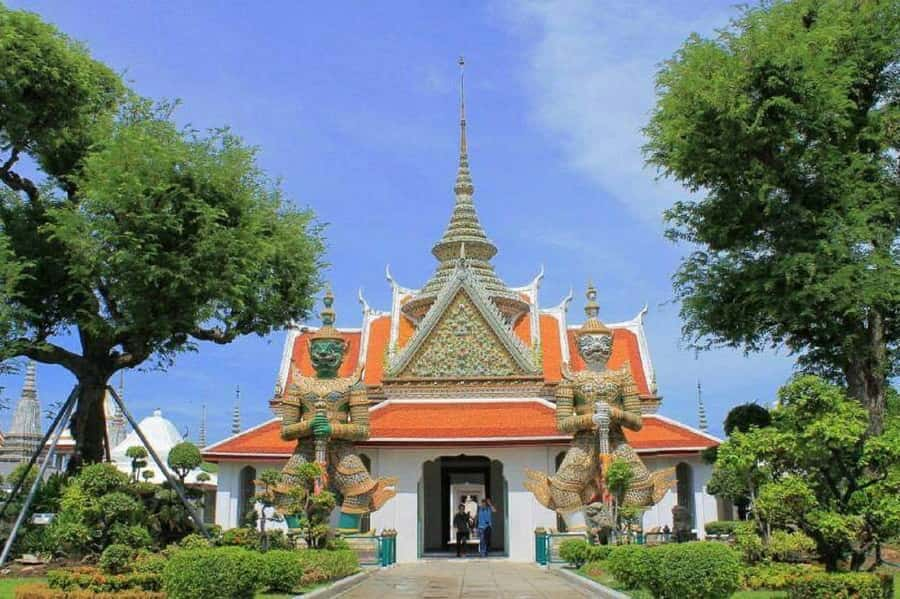
Bangkok’s major temples can blur together after a while: gold, red roofs, carved details, incense, and crowds. This route avoids that problem by giving each stop a different job.
Wat Pho introduces you to Bangkok’s grand royal and religious tradition. Wat Arun brings in the river, the old Thonburi capital, and one of the city’s most recognizable towers. Wat Hong Rattanaram offers a more intimate look at older Thai religious art and the cross-cultural influences found in temple design.
I especially like the historical sequence. Thailand’s capital moved from Ayutthaya, which ruled from the fourteenth to the eighteenth century, to Thonburi, and then to present-day Bangkok. You are not simply ticking off three temples. You are following the political and religious center of the country across the river.
That context matters because the Chao Phraya is not just scenery. It has shaped movement, trade, defense, and city life for centuries. A guide can point out how the river connects the temples and why Wat Arun and Wat Hong Rattanaram belong in a tour that also includes Wat Pho.
More Private Temple Tours in Thailand
- Chiang Rai Temples: Private Tour from Chiang Mai
★ 5.0 · 1,267 reviews - Bangkok: Grand Palace, Wat Pho, and Wat Arun Private Tour
★ 4.8 · 855 reviews - Bangkok: Grand Palace & Wat Pho Half-Day Private Tour
★ 4.7 · 510 reviews
Wat Pho and the reclining Buddha
The tour begins at Wat Pho, near the Grand Palace. This is likely the busiest and most immediately impressive stop, so your guide’s help matters from the start.
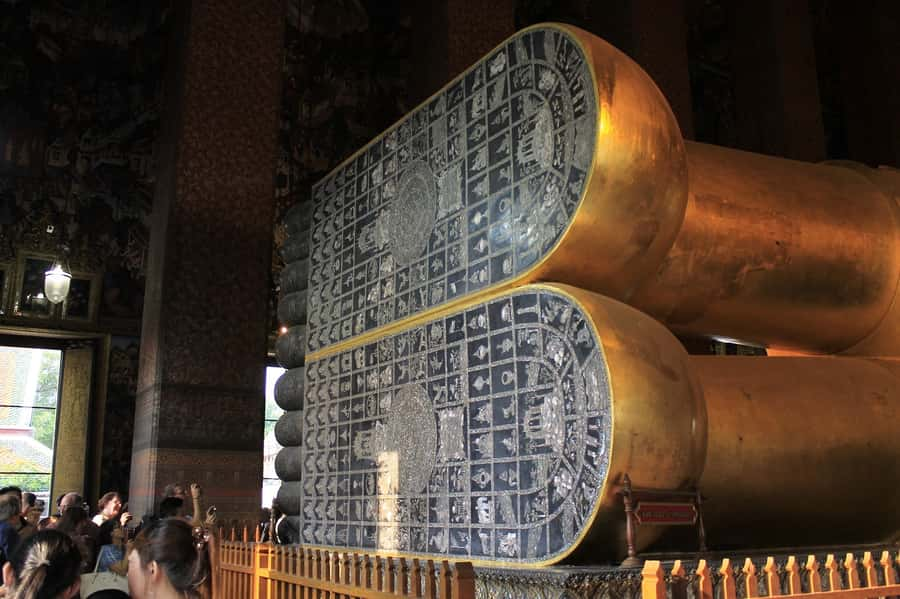
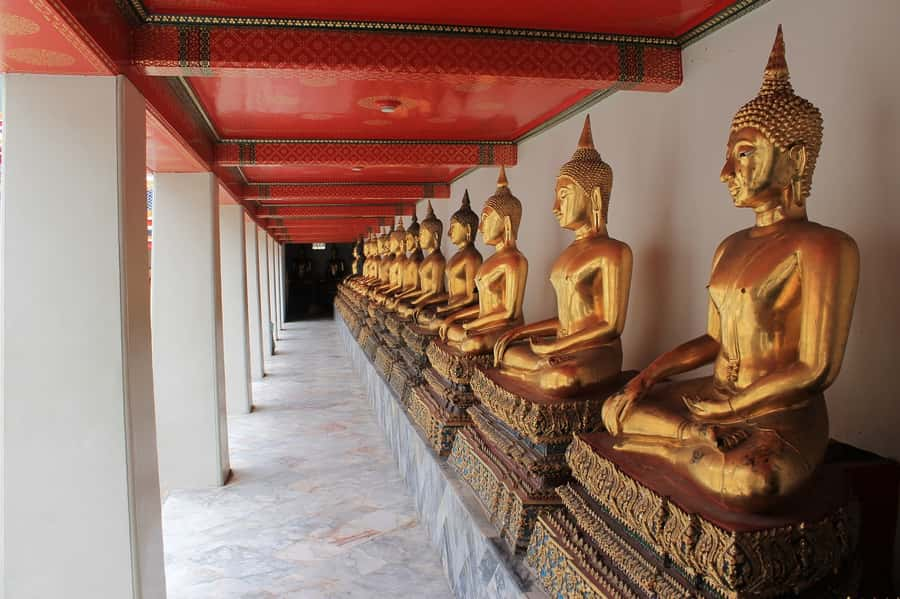
The star attraction is the Reclining Buddha, a large golden image showing Buddha resting on his side. You can expect plenty of detail around the statue, from the calm expression to the carefully decorated feet. Wat Pho is also filled with typical Thai Buddhist motifs, temple buildings, courtyards, and smaller Buddha images, so the reclining figure is only one part of the complex.
I recommend allowing yourself a few quiet minutes here rather than rushing straight to the famous statue. Look at how the buildings frame one another, and notice the repeated use of color, ornament, and religious imagery. A private guide can explain what you are looking at instead of leaving you to decode every symbol from a sign.
Wat Pho is also associated with the origins of traditional Thai massage. That gives the visit a useful cultural angle. The temple is not only a place for worship and royal art. It is connected with the preservation and teaching of a practical Thai healing tradition.
The drawback is that Wat Pho may feel busy, especially around the reclining Buddha. You will also remove your shoes before entering temple buildings. Wear footwear that slips off without a struggle, and keep your shoes together so you can find them quickly afterward.
Crossing the Chao Phraya to Wat Arun
The route continues across the Chao Phraya River to Wat Arun, often called the Temple of Dawn. This change of setting is one of the tour’s best features. Instead of taking a road between attractions, you move through the city by its most important waterway.
The crossing also helps explain the link between Thonburi and Bangkok. Wat Arun sits on the Thonburi side of the river, while Wat Pho is on the Bangkok side. Your guide can connect the two shores to the period when Thonburi served as the capital before the capital moved across the river.
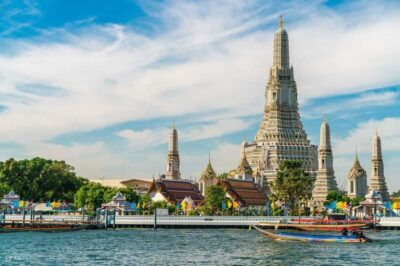
Wat Arun’s main visual feature is its tall, stupa-like pagoda, known as a prang. It is covered with colorful glazed porcelain tiles and seashells. From a distance, the tower looks ornate and almost delicate. Up close, the decoration rewards a slower look because the surface is made from countless small pieces.
You will also see Buddha statues and other religious details throughout the temple grounds. Wat Arun is a place where the overall silhouette attracts you first, then the small decoration keeps you looking.
I would not judge this stop only by the best-known photograph. The guide’s explanation gives the architecture more meaning, especially when the visit is placed alongside the story of Ayutthaya and the later capitals. The supplied tour information connects Wat Arun with the Ayutthaya Kingdom, which ruled Thailand from 1238 to 1438 according to the tour description. A good guide can help you understand the difference between the temple’s earlier cultural roots and the later capital period.
The river crossing may also affect your timing. The tour lasts four hours, so the transfer is part of the experience but still takes time away from temple visits. That is a fair trade for the views and historical connection, though you should not expect an unhurried study of every building.
Wat Hong Rattanaram and the older Thai traditions
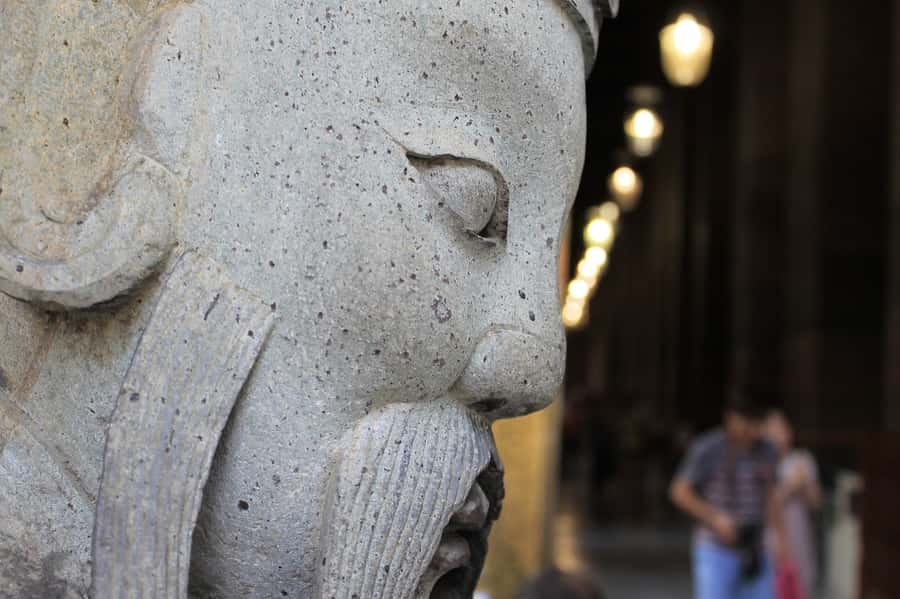
Wat Hong Rattanaram is the least familiar name on this route, and that is precisely why I find it useful. After the major draw of Wat Pho and the famous tower at Wat Arun, this temple gives the tour a calmer and more focused finish.
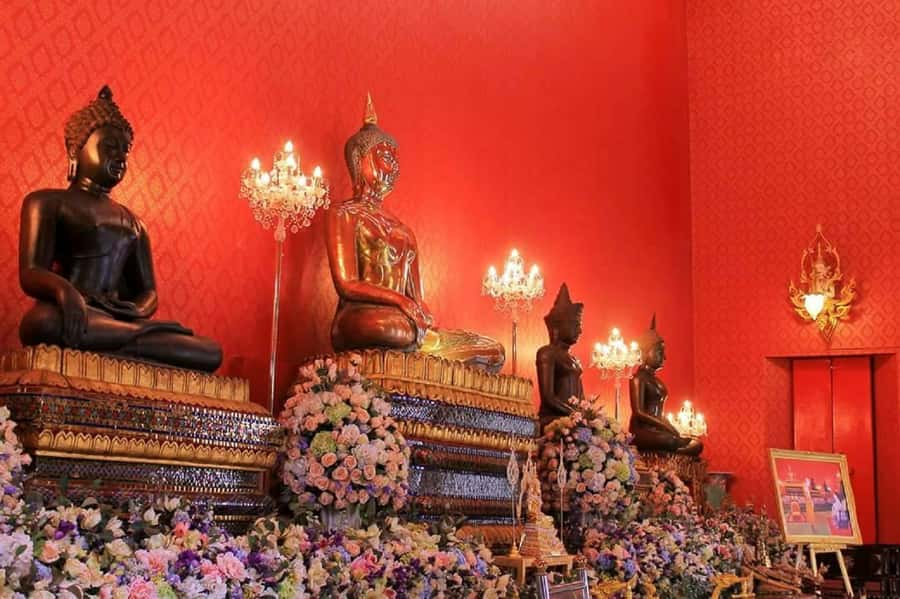
The temple’s design combines Chinese and Western artistic styles. That makes it a good place to pay attention to details that may be easy to miss at the larger sites. Thai temples were not created in isolation, and Wat Hong Rattanaram gives you a clear reminder that artistic exchange shaped religious buildings as well.
One of the main objects to see is a Buddha image from the Sukhothai Kingdom, which ruled Thailand from 1238 until 1438. This places the temple visit further back in the country’s story than the capital history alone. You move from Bangkok’s present-day religious center to earlier Thai artistic traditions.
I would ask your guide to explain how the Sukhothai image differs from later Buddha figures. Even if you are not an art specialist, small changes in posture, facial expression, and proportion can become easier to notice once someone points them out.
Wat Hong Rattanaram may not offer the same instant impact as Wat Arun’s towering prang. That is not a weakness, but it does mean the stop depends more on explanation. If you want only Bangkok’s most famous sights, this temple may seem like an extra. If you want a better sense of Thai religious art beyond the standard postcard views, it earns its place.
More Grand Palace and Wat Pho Tours in Thailand:
- Bangkok: Grand Palace, Wat Pho, and Wat Arun Guided Tour
★ 4.8 · 3,632 reviews - Bangkok: Grand Palace and Wat Phra Kaew Guided Walking Tour
★ 4.4 · 2,417 reviews - Bangkok: Grand Palace, Wat Pho, Wat Arun Sacred & Local Tour
★ 4.3 · 2,256 reviews - Bangkok: Wat Pho and Wat Arun Guided Walking Tour
★ 4.6 · 1,720 reviews
The private guide makes the difference
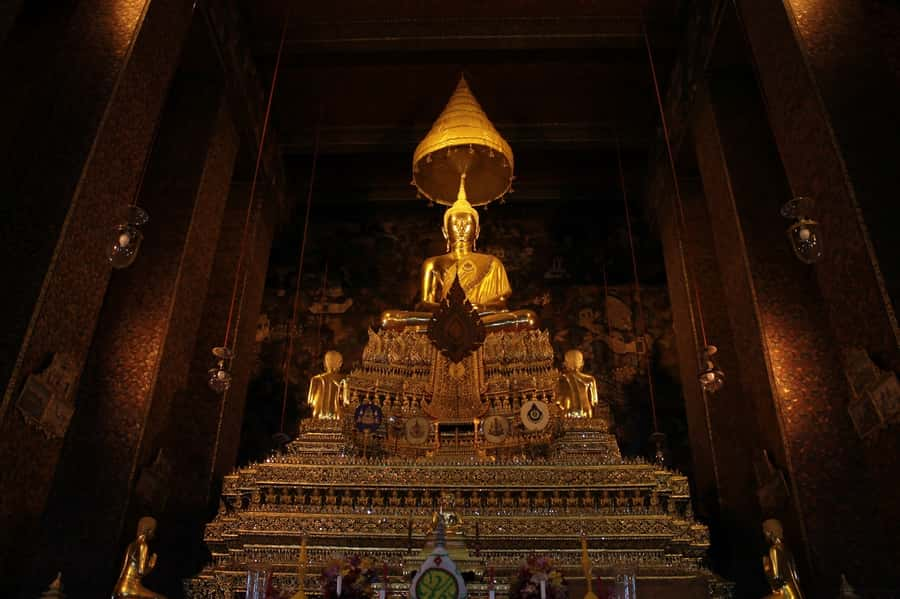
The strongest feature of this experience is not simply the temple list. It is the private format.
A large group tour often forces everyone to keep the same pace. Here, you can ask questions, pause for photographs, or spend more time at a detail that catches your eye. The guide can also adjust explanations to your interests. If you care about Buddhism, architecture, royal history, or daily Thai customs, say so early.
Several guides receive especially warm praise for their personal service. Mina is described as informative and pleasant, and she even added an authentic Thai food restaurant to the experience. Kay is praised for being friendly and well informed about the temples. Emi is noted for explaining Thailand and its temples carefully.
Amy appears particularly suited to solo visitors and older participants. A 76-year-old solo participant valued her patience, support, and explanations of Thai history, architecture, Buddha, and religious life. That is useful information if you worry that a temple tour will move too quickly or demand too much walking without support.
Oiee, with the spelling uncertain, reportedly spent nearly six hours with a group instead of the scheduled four. That suggests some flexibility may occur, but you should not count on an extended tour. The official duration remains four hours.
Tawee helped one couple use public transport to reach the temples and was praised for his care and sensitivity. Lily gave one group enough time to visit all three temples, take photographs, and look around without feeling hurried. These examples point to the same benefit: the guide can shape the day around the people in front of them.
What the $100 price includes
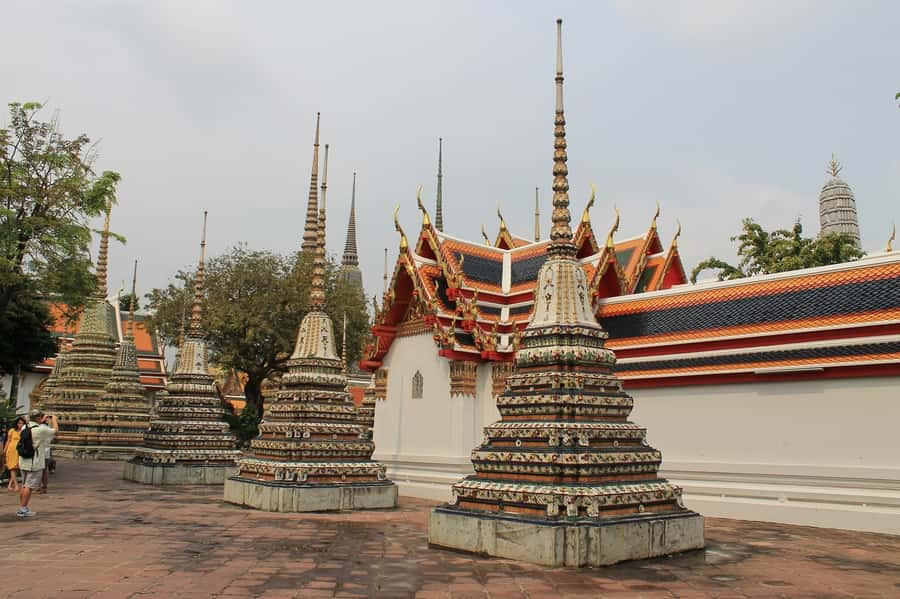
At $100 per person, this is not the cheapest way to see Bangkok’s temples. The value depends on how much you want from the visit.
The price includes an English-speaking guide, roundtrip hotel transfers from main areas of Bangkok, and a personalized private tour. It also includes admission to Wat Pho, listed at THB 200 per person, and Wat Arun, listed at THB 100 per person. Personal expenses and lunch are not included.
For one person traveling alone, $100 is a noticeable cost. Still, a private guide can be especially useful when you want help with temple etiquette, historical context, and transport between sites. Solo visitors also avoid the awkwardness of joining a large group where the pace may not suit them.
For a couple or small private party, the price can make better sense if you value convenience and direct attention. You are paying for more than entry tickets. You are paying for hotel pickup, a guide who can answer questions, and a route that joins three temples with different historical roles.
The price is less attractive if you are happy to visit only Wat Pho and Wat Arun on your own. Independent visitors can see those major sights without paying for a private service. The third temple and the guide’s interpretation are what give this tour its added value.
Lunch is not included, but that is reasonable for a four-hour temple visit. One guide reportedly took a participant to an authentic Thai restaurant, though you should treat that as a possible personal touch rather than a guaranteed part of the plan.
Dress, shoes, and practical comfort
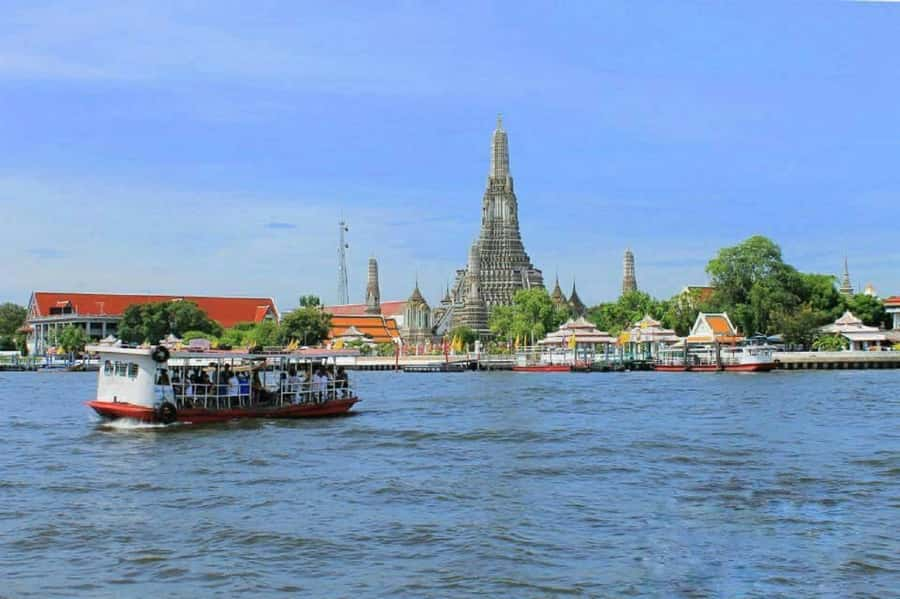
Temple rules are strict enough that clothing deserves attention before you leave your hotel. Shorts, short skirts, sleeveless shirts, bare shoulders, and exposed knees are not allowed. Strapless-heeled shoes are also not acceptable in the chapel area.
Wear loose trousers or a long skirt and a shirt with sleeves. A light layer can help if you need extra shoulder coverage. Choose comfortable shoes that are easy to remove because you must take them off before entering temple buildings.
The footwear rule is not a minor nuisance. You may remove your shoes more than once, and temple floors can be warm. Simple sandals or slip-on shoes are practical, though they should still be secure enough for walking between sites.
Bring water and protect yourself from the Bangkok heat, but keep your clothing respectful. The tour information does not promise lunch, so do not assume a meal break is built into the four hours.
Hotel pickup is available from main areas of Bangkok. Since the exact starting time depends on availability, check the schedule carefully when booking. An early start may help you reach the temples before the day feels most crowded, though the tour does not promise a specific crowd level.
Who will enjoy this tour most?
I would recommend this experience to a first-time Bangkok visitor who wants a guide to explain what the buildings mean, not just point at them. It is also a good match for solo visitors, couples, older participants, and anyone who prefers a private pace.
You will get the most from it if you enjoy connections between architecture, religion, and political history. The route gives you a useful framework for understanding why Bangkok developed where it did and how earlier Thai kingdoms shaped the city.
It may be less suitable if you want a long, leisurely photography session at each temple. Four hours must cover hotel pickup, movement between the sites, the river crossing, and three visits. You will see a lot, but you should expect a focused introduction rather than an entire day devoted to temple details.
It is also not ideal for anyone unwilling to follow temple dress rules. The rules are part of visiting these active religious places, not an optional extra.
Should you book it?
Book this tour if you want personal attention, clear historical explanation, and three different temple experiences in one half-day. The private format is the main reason to choose it over a basic sightseeing route, and the guides appear especially strong at adjusting the experience for solo visitors and older participants.
Skip it if you only want the cheapest possible visit to Wat Pho and Wat Arun, or if you prefer exploring without a guide. At $100 per person, the tour earns its price through convenience and interpretation, not through admission tickets alone.
For most first-time visitors with limited time in Bangkok, I think the combination is well judged. Wat Pho gives you the famous reclining Buddha, Wat Arun brings the river and the former capital of Thonburi, and Wat Hong Rattanaram adds a quieter look at Sukhothai-era art and mixed artistic influence. That is a useful slice of Thailand in four hours, provided you arrive dressed correctly and ready to keep moving.
FAQ
How long does the tour last?
The scheduled duration is four hours. Starting times depend on availability.
Is hotel pickup included?
Yes. Pickup is available from hotels in the main areas of Bangkok, with roundtrip Bangkok hotel transfers included.
Which languages are available?
The tour includes a live English-speaking guide.
Are temple admission tickets included?
Yes. Admission to Wat Pho and Wat Arun is included. The listed prices are THB 200 for Wat Pho and THB 100 for Wat Arun.
What should I wear?
You should wear clothing that covers your shoulders and knees. Shorts, short skirts, sleeveless shirts, and strapless-heeled shoes are not allowed in the required areas.
Do I need to remove my shoes?
Yes. Shoes must be removed before entering temple buildings. Comfortable shoes that are easy to take off are recommended.
Just added around Thailand
- No.1 Chiang Mai: 3-Hour Monk Trail Hike to Wat Doi Suthep & Palad★ 5.0 · 11 reviews
- 3-Hour Bangkok Walking Tour: Wat Pho and Wat Arun★ 5.0 · 102 reviews
- Bangkok Half Day Guided Tour: Grand Palace, Wat Arun & Wat Pho★ 5.0 · 4 reviews
- Bangkok 3 Temple Walking Tour: Wat Arun, Wat Pho, Wat Traimit★ 5.0 · 4 reviews
- Visit Wat Pho and Wat Arun with Local Expert★ 4.0 · 14 reviews
- Visit temples in and around Bangkok with a former monk of 10 years★ 5.0 · 30 reviews
- Grand Palace & Emerald Buddha Private Tour [Optional Luxury]★ 5.0 · 27 reviews
- Top 3 Bangkok Temples: Multilingual Private Tour [EN,ES,DE,IT,FR]★ 5.0 · 9 reviews
Grand Palace & Wat Pho Tours, compared.
Grand Palace, Wat Pho, and Wat Arun Guided Tour
Read our review →
Grand Palace and Wat Phra Kaew Guided Walking Tour
Read our review →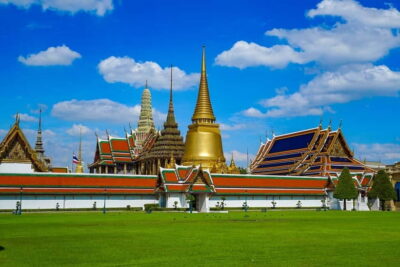
Grand Palace, Wat Pho, Wat Arun Sacred & Local Tour
Read our review →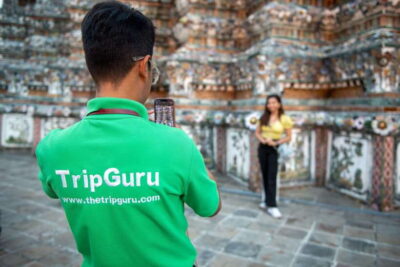
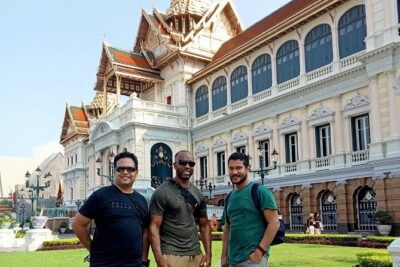
Grand Palace & Temples of Bangkok with experienced guide
Read our review →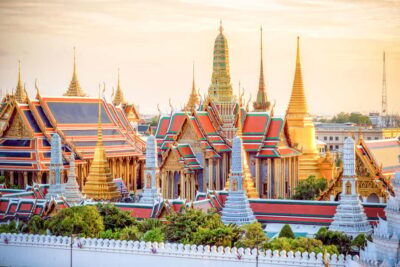
Grand Palace, Wat Pho, and Wat Arun Private Tour
Read our review →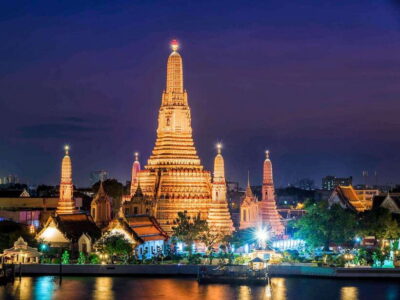
Evening Tour with Wat Arun, Wat Pho & Tuk Tuk Ride
Read our review →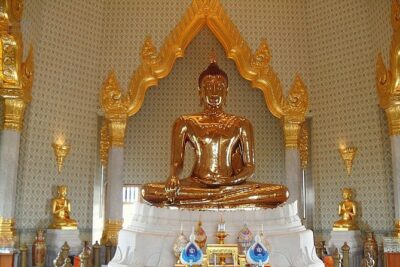
Bangkok City Highlights Tour: Grand Palace & Three Iconic Temples
Read our review →Browse the lists this tour appears in