
Review · UBUD
Bali: Gunung Kawi Temple & Pakerisan UNESCO Guided Tour
Quiet Bali begins below the stairs. I like this $18 experience for two clear reasons: Gunung Kawi’s cliff-carved shrines feel powerful and uncrowded, and a local guide helps explain the temple’s royal, religious, and village connections. The walk beside the Pakerisan River adds calm, green scenery without requiring a full day away from Ubud.
The main caution is physical. You must descend and climb about 300 stone steps, often in heat, and the tour is not suited to people with mobility problems, low fitness, respiratory issues, epilepsy, pregnancy, or anyone over 70. The early start matters. By late morning, the climb back up can feel like a serious workout.
Guides make a real difference here. Recent outings have included guides such as Raka, Agus, Andrian, Kar, Sana, and Ketut, with particular praise for their explanations of Balinese Hinduism, local life, and the countryside. If you want a quiet cultural visit instead of a quick photo stop, this tour is a strong choice.
Key points to know before you go
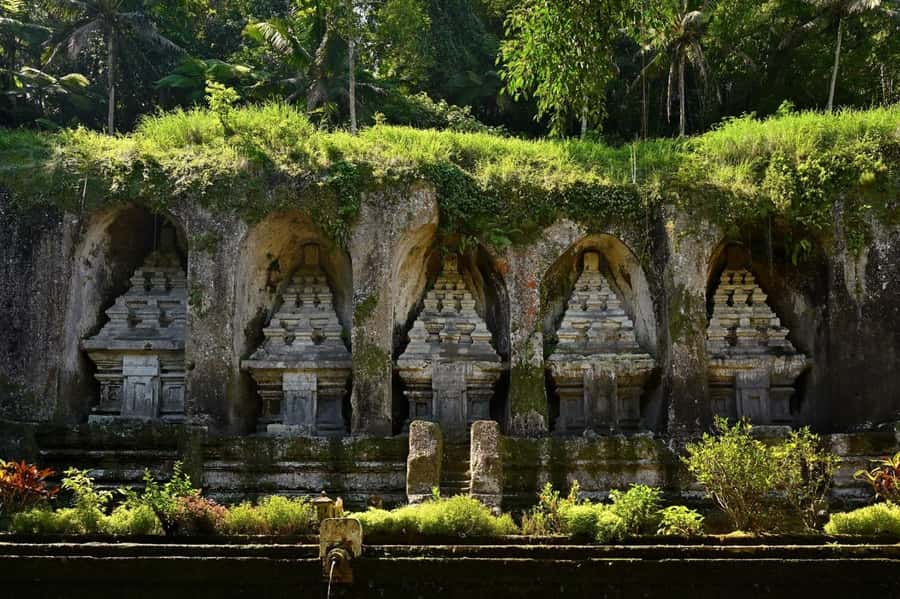
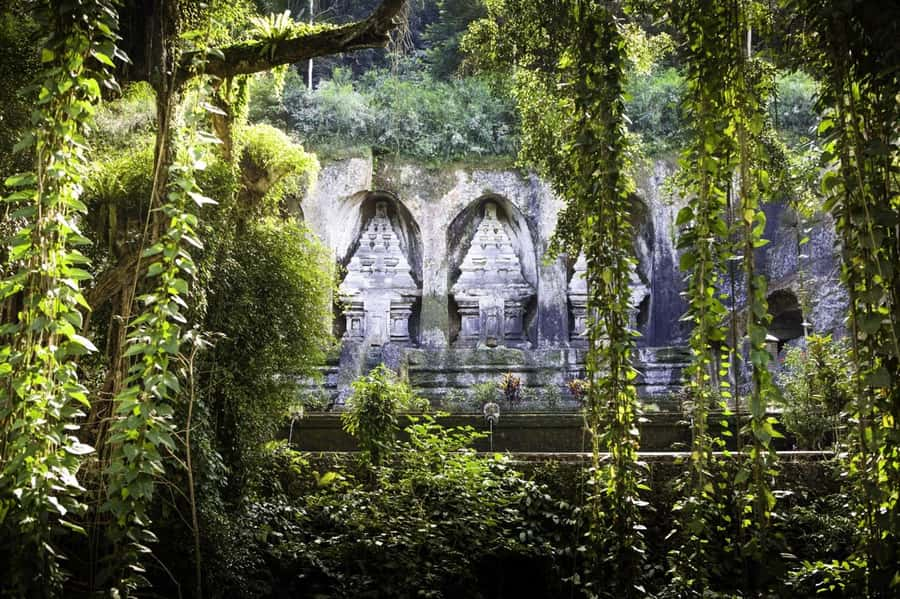
- Ten royal shrines carved into cliffs: The candi are believed to date from the 11th century and honor Balinese royalty.
- A 300-step temple approach: You walk downhill first, then face the uphill return in the heat.
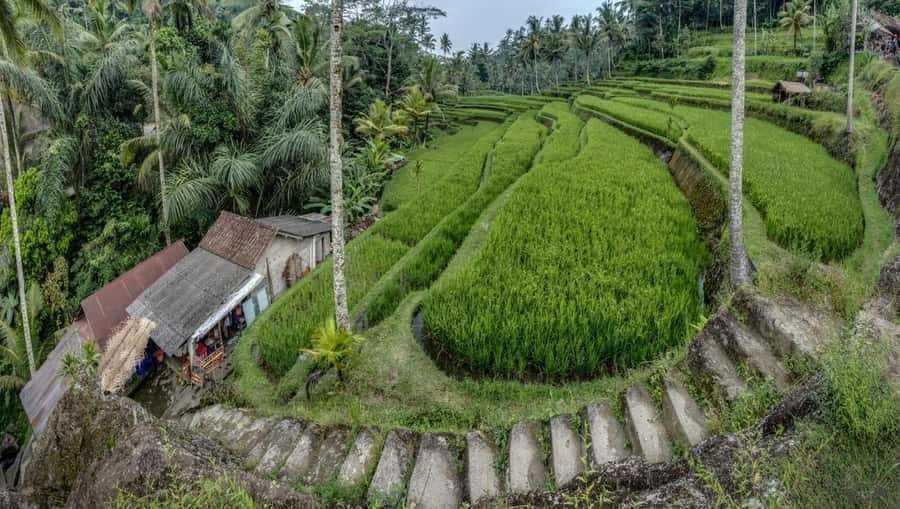
- Pakerisan River scenery: Sacred springs, bathing pools, rice terraces, palms, and birds give the visit its calm mood.
- A guide-led cultural visit: The best guides explain religion, history, offerings, and countryside life in clear English or Indonesian.
- Flexible meeting choices: Meet at the temple, Ubud Palace, or arrange pickup from central Ubud.
- Good value at $18: The price includes the guide, mineral water, insurance, tax, and selected transport, but not food or personal expenses.
Why Gunung Kawi feels different from a quick temple stop
Gunung Kawi is not the sort of place you understand in five minutes. Its setting does much of the work. You leave the upper road and walk down through palms and frangipani, with the sound of the valley gradually replacing traffic and town noise.
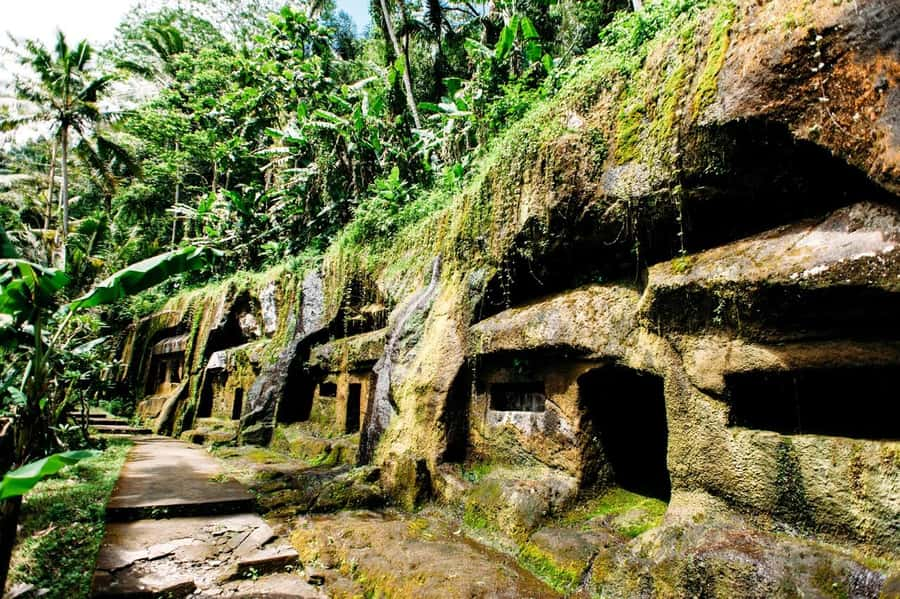
The first sight of the shrines comes after the descent. Ten tall memorials are cut directly into the rock walls, creating an impressive scene without the need for elaborate decoration. They are known as candi, and they are linked to Balinese rulers from around the 11th century.
I like the scale of the site. The carvings are large enough to feel monumental, yet the narrow valley keeps the visit personal. You are not looking across a giant open complex. You are walking among cliffs, water, trees, old stone, and active religious spaces.
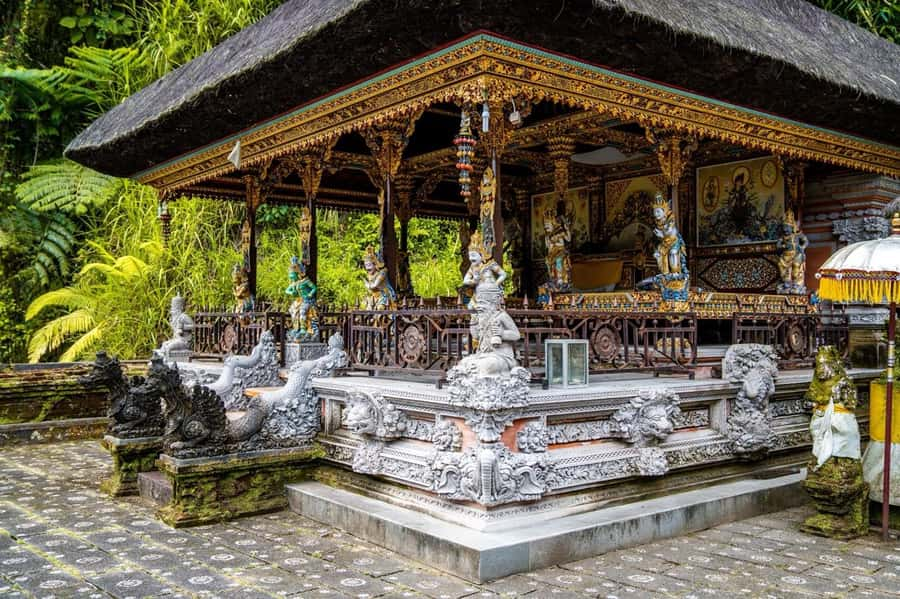
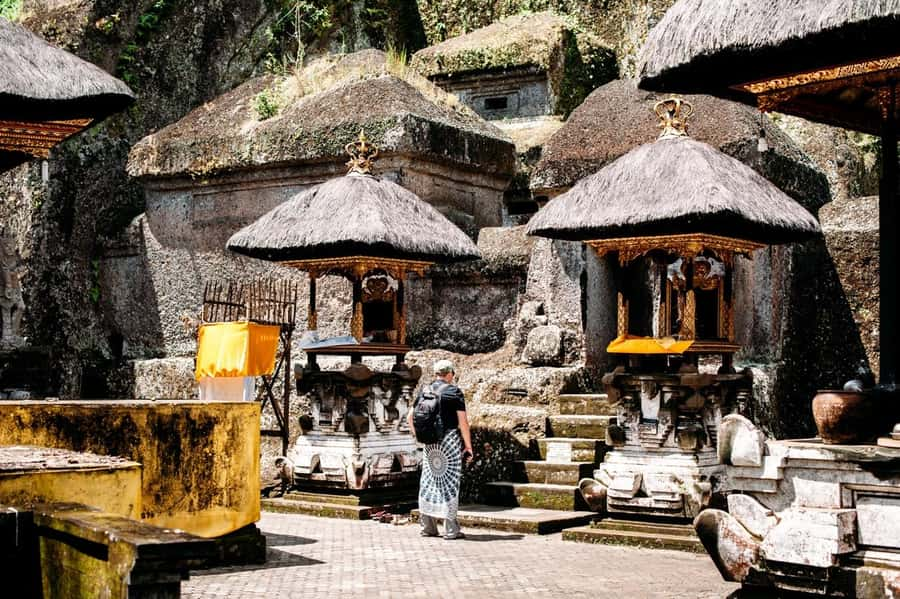
The setting also helps you understand why this place matters. Gunung Kawi is not simply an archaeological site preserved for tourists. Cloth is wrapped around shrines, flowers are placed in small offerings, and incense may burn near the gates. You are seeing a living temple, so respectful behavior matters as much as your camera.
More Uluwatu and Tanah Lot Temple Tours in Ubud:
- Tirta Empul: Temple Tour with Optional Spiritual Cleansing
★ 4.9 · 1,257 reviews - Private Tour: Uluwatu Temple & Southern Bali Highlights
★ 5.0 · 387 reviews - Half-Day Ubud Electric Cycling Tour to Tirta Empul Water Temple
★ 5.0 · 315 reviews
The 300 steps are part of the experience
The approach begins with roughly 300 stone steps. The path is shaded in places by palms and fragrant frangipani, but shade is not guaranteed at every point. You descend first, which feels manageable for most reasonably fit people. The return climb is the part to plan for.
Wear proper walking shoes. Flip-flops can be awkward on uneven stone, especially if the path is damp. Bring water, even though mineral water is included with the activity, and take your time. There is no prize for reaching the bottom quickly.
An early visit is the smartest option. One 7:30 a.m. outing was especially comfortable because the steps were easier before the day became hot. Early morning also suits the mood of the temple. The quiet makes it easier to hear your guide and notice the sound of the river.
Late afternoon can also offer a calmer visit, according to the tour guidance, but you should confirm the exact schedule and allow enough time for the climb. If you have low fitness or a condition affected by stairs and heat, skip this tour. The restrictions are not minor suggestions.
Reading the ten cliff-carved candi
At the valley floor, your guide can give the shrines their proper context. The ten candi are memorial structures cut into the cliff, associated with Balinese royalty and important officials. Their purpose is ceremonial rather than residential, so do not expect rooms, palace interiors, or a large museum-style display.
The stone surfaces show the effect of centuries outdoors. Moss, damp air, and the river valley soften the hard edges. That weathered quality is part of the appeal, but it also means this is not a polished attraction designed around perfect views from every angle.
The best way to appreciate the candi is to pause. Look upward from the path. Notice how the carvings become part of the cliff rather than sitting in front of it. Then listen to the guide’s explanation of the people and beliefs connected to the site.
Guide quality is important here because the visual story is not always obvious. Raka has been praised for bringing Balinese culture and history to life, while Agus has explained the site’s links to old kings and officials. Andrian has covered Hindu, Balinese, and Indonesian history in detail. These names are useful examples of the level of guiding you should hope for, though the guide assigned to your visit may differ.
Along the Pakerisan River
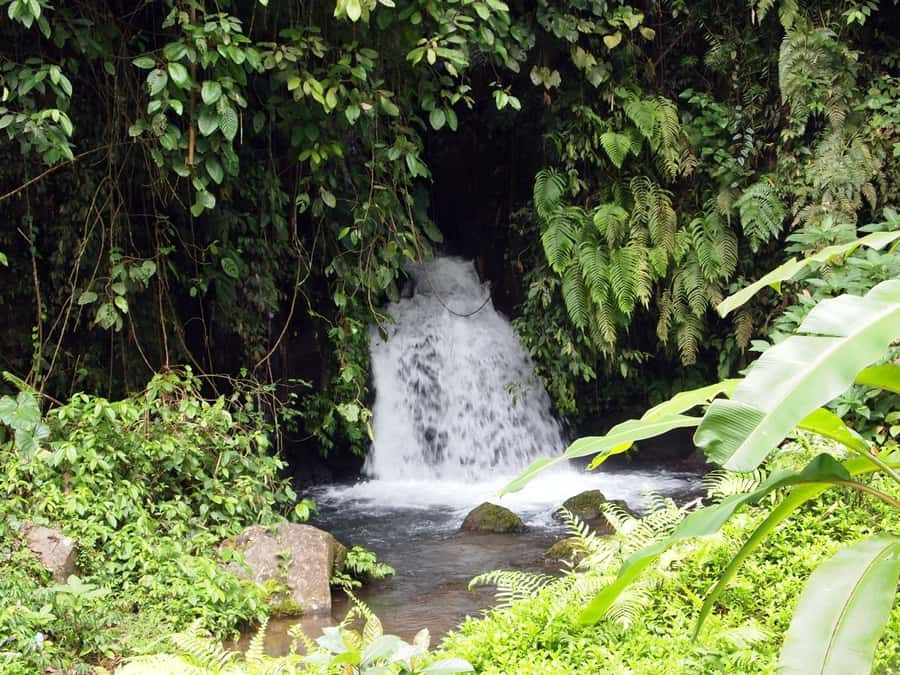
After the candi, the route continues through the Pakerisan River Valley. This is where the tour slows down. Moss-covered paths lead toward quiet courtyards and bathing pools supplied by sacred springs.
The water gives the site its natural rhythm. You may hear a gentle trickle, birds in the trees, and the movement of people making offerings. It is a good place to stop talking for a minute and let the setting register.
The Pakerisan is a UNESCO World Heritage area, and that designation reflects more than one temple. The valley connects religious sites, water, farming, and community life. Rice terraces and the winding river help show how Balinese culture is tied to water management and sacred places.
Your guide may also explain links between religion, nature, and village communities. Kar, for example, has been praised for discussing countryside life and the relationship between people and nature. That broader context is one reason this short tour can feel more useful than simply arriving at a temple, taking photos, and leaving.
A few more temple visits around Ubud worth a look
- Ubud: Monkey Forest, Jungle Swing, Rice Terrace, and Water Temple
★ 5.0 · 7,160 reviews - Ubud: Waterfalls, Water Temple & Rice Terraces Private Tour
★ 5.0 · 5,484 reviews - Full-Day Tour to Water Temples and UNESCO Rice Terraces in Bali
★ 5.0 · 2,539 reviews - Bali Instagram: Gate of Heaven Temple Tour
★ 5.0 · 737 reviews
Temple etiquette and what to wear
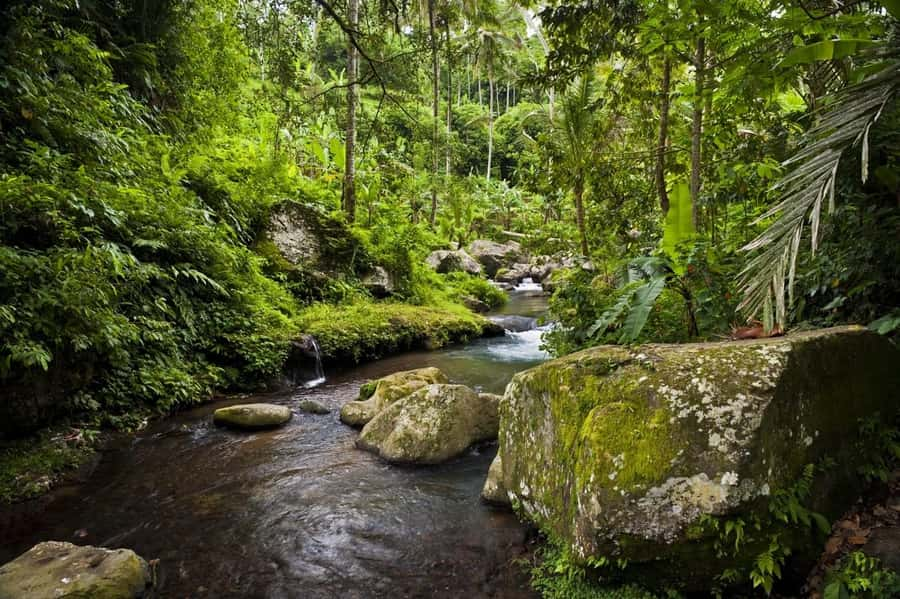
You need a sarong and sash inside the temple. If you do not have them, you can rent a sarong at the entrance if needed. Shorts are not allowed, so dress with temple rules in mind rather than treating this as an ordinary sightseeing walk.
The clothing is not just a costume for photographs. It signals respect for an active religious place. Follow your guide’s instructions around shrines, bathing pools, offerings, and gates.
You may make a small offering or offer a silent prayer, but you do not need to take part in a ritual. Quiet observation is perfectly acceptable. Avoid stepping over offerings, touching sacred objects without permission, or turning every religious detail into a photo prop.
The site’s calm depends partly on good behavior. One reason the visit can feel peaceful is that people generally respect the rules instead of treating the temple as an open-air photo studio.
Choosing your meeting point and transport
You have three basic ways to start. You can meet at Gunung Kawi Temple, meet at Ubud Palace, or choose hotel pickup from central Ubud if that option is available when you book.
The temple meeting point is the simplest if you already have your own transport. Arrive 15 minutes early and meet the local guide at the designated location. This option avoids waiting for a transfer, but you must arrange your own way to the temple.
Ubud Palace is useful if you are staying in central Ubud or want a clear town meeting point. A driver guide contacts you through WhatsApp and takes you to Gunung Kawi by car. You need a working WhatsApp number and should be ready 15 minutes before the scheduled time.
Hotel pickup is the easiest choice for many people staying in central Ubud. The driver contacts you by WhatsApp with the pickup details, and you should wait in the lobby 15 minutes early. Late arrivals can reduce your sightseeing time, so do not treat the pickup window casually.
The listed return locations include Ubud, Ubud Palace, and Pura Gunung Kawi Sebatu. Check your selected option carefully, since meeting and drop-off arrangements vary.
What the $18 price really covers
At $18 per person, this is good value if you want interpretation and transport support rather than only admission to a temple. The price includes a guided visit, mineral water, insurance, and tax. Selected options also include a hotel transfer from central Ubud or transport from Ubud Palace.
Food and drinks beyond the provided water are not included. Personal expenses are also yours to cover. Since the experience lasts about two to four hours, it fits neatly into a morning or afternoon without taking over your whole day.
The price is strongest for solo visitors and couples who want a guide without paying for a long private excursion. A good guide can answer questions about Balinese religion, royal memorials, offerings, and village life in a way a signboard cannot.
The value depends on your interests. If you only want dramatic photographs, you could find the price less important than the physical effort. If you care about meaning, context, and a quieter setting near Ubud, the cost is modest.
Free cancellation up to 24 hours before the activity and the reserve-now, pay-later option also make it easier to fit into a changing Bali schedule. Check the exact booking conditions for your selected option before paying.
Who will enjoy this temple walk most
I would recommend it to you if you want:
- A short cultural outing from Ubud
- A quieter temple setting
- Explanations of Balinese Hinduism and local customs
- A scenic walk through a river valley
- A guide who can answer questions
- A manageable half-day plan rather than a full-day tour
It suits independent visitors who prefer a small, focused experience. Solo visitors can also benefit from the conversation and local advice. Ketut, for example, has been praised for making a solo outing feel friendly and informative while sharing recommendations for other parts of Bali.
It is less suitable if you dislike stairs, heat, or temple clothing. The route is not designed for people with mobility impairments, and the activity specifically excludes pregnant women, people with respiratory conditions or epilepsy, babies under one year, people over 95, and people over 70.
How to get the most from your visit
Book an early start if you can. You will have a better chance of cooler conditions and a quieter atmosphere. Wear light clothing that covers your legs, bring comfortable shoes, and keep your phone connected to WhatsApp if you are using transport.
Use the guide well. Ask about the royal figures linked to the candi, the role of the Pakerisan River, the meaning of the cloth coverings, and how offerings fit into daily worship. The guide’s answers are where much of the tour’s value lies.
Leave room for stillness. You do not need to photograph every gate or fill every pause with questions. Sit near the water if the guide and temple rules allow it, listen to the birds, and look back toward the cliffs before beginning the climb.
Should you book the Gunung Kawi tour?
Book it if you want a calm, useful cultural visit with real walking and strong local interpretation. The ancient cliff shrines, river valley, and active temple customs offer more substance than a standard photo stop, and $18 is a fair price for the guide and selected transport.
Skip it if 300 steps would be unsafe or exhausting for you. Also skip it if you want a large attraction with restaurants, displays, or easy vehicle access.
For most fit visitors based in Ubud, I would choose an early morning slot, wear a sarong-ready outfit, and treat the climb as part of the visit rather than an inconvenience. Gunung Kawi rewards patience, respect, and a willingness to slow down.
FAQ
How long does the Gunung Kawi and Pakerisan tour last?
The activity lasts between two and four hours. The exact duration depends on the selected option and starting time.
How much does the tour cost?
The listed price is $18 per person. Tax, insurance, mineral water, and a guided Gunung Kawi visit are included.
Is hotel pickup available?
Hotel pickup is available from central Ubud if you select that option. Pickup details are sent by email or WhatsApp, and you should be ready in the hotel lobby 15 minutes before pickup.
Can I meet the tour at Ubud Palace?
Yes. If you select the Ubud Palace option, a driver guide contacts you through WhatsApp and takes you to Gunung Kawi Temple by car.
Can I meet directly at Gunung Kawi Temple?
Yes. If you choose the temple meeting option, arrive 15 minutes early and meet the local guide at the designated meeting point.
What languages does the guide speak?
Guides are available in English and Indonesian.
Do I need a sarong?
Yes. You must wear a sarong and sash when visiting the temple. Sarongs are available to rent at the entrance if needed.
How difficult is the walk?
The route includes about 300 stone steps, first downhill and then uphill on the return. Comfortable shoes and water are recommended, and the tour is not suitable for people with mobility impairments or low fitness.
Can I cancel the booking?
You can cancel up to 24 hours in advance for a full refund. A reserve-now, pay-later option is also available, depending on the booking selection.
Just added around Ubud
- Private ubud tour Rice teracce, temple & Secret waterfall★ 3.7 · 3 reviews
- Monkey Forest, Kanto Lampo, Waterfall, Temple & Rice Terrace★ 4.9 · 14 reviews
- Ubud: Water Temple, Rice Terrace, and Waterfalls Tour★ 5.0 · 5 reviews
- Cretya Ubud, Rice Terrace, Temple & Waterfall Day Tour★ 5.0 · 4 reviews
- Best Watefalls, Monkey Forest, Temple and Rice terrace★ 5.0 · 11 reviews
- Bali: Uluwatu Temple, Kecak Dance, and Jimbaran Dinner Tour★ 5.0 · 5 reviews
- Bali ubud : monkey forest, waterfall , temple★ 3.4 · 8 reviews
- Bali: Tirta empul Temple, Rice terrace and Waterfall★ 5.0 · 5 reviews
Uluwatu & Tanah Lot Temple Tours, compared.

Besakih Temple & Lempuyang Temple Gates of Heaven Tour
Read our review →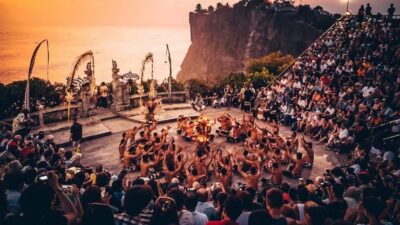
Kecak Fire Dance Show & Uluwatu Temple Entry Ticket
Read our review →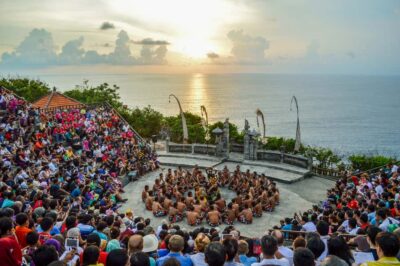
Bali Sunset: Uluwatu Temple, Kecak Dance and Jimbaran Bay
Read our review →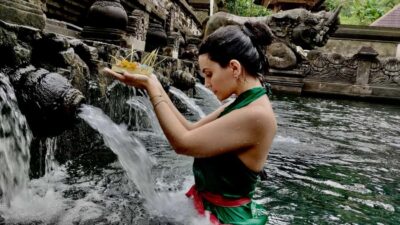
Tirta Empul: Temple Tour with Optional Spiritual Cleansing
Read our review →Private Uluwatu Temple and Kecak Fire Dance Evening Tour in Jimbaran Bay
Read our review →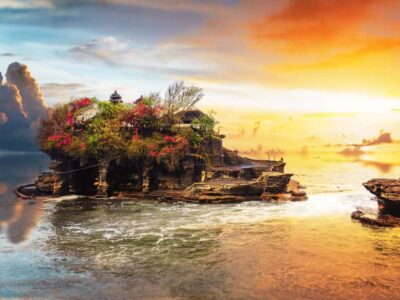

Munduk: Twin Lake Jungle Hike, Ulun Danu Temple, & Waterfall
Read our review →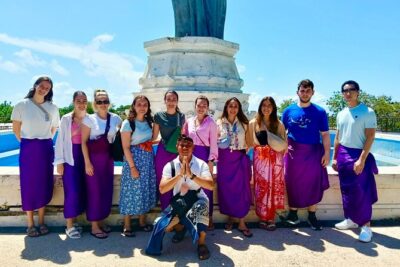
Uluwatu Temple Entry and Kecak Fire Dance Ticket
Read our review →Browse the lists this tour appears in