
Review · BALI
Bali: Besakih Great Temple & Penglipuran Village Day Tour
Bali’s inland treasures reward an early start. This 10-hour small-group tour takes you from the royal court at Kertagosa to the cool hills of Bukit Jambul, the sacred slopes of Mount Agung, and the traditional lanes of Penglipuran. I like the way it combines major cultural sights with scenery, and I especially like that transport, entrance fees, an English-speaking guide, and mineral water are included for $35. The main drawback is the long day on Bali roads, where traffic can force changes to the schedule and leave you tired by the final stop.
I also like the human touch. Guides such as Guna, Bello, and Nyoman Suastika have been praised for explaining customs clearly, taking photographs, and adjusting the day when traffic or personal requests get in the way. Besakih is the emotional centerpiece, but Penglipuran gives you a more intimate look at village life. Just remember that lunch costs extra, modest clothing is required, and the temple grounds involve walking.
Key points before you book
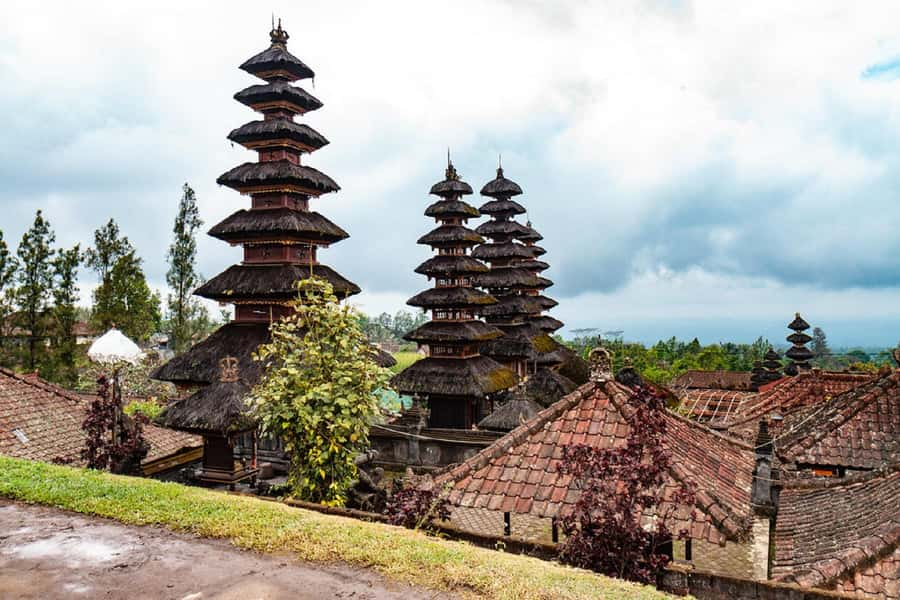
- Besakih is the main event: Bali’s largest and most revered Hindu temple sits high on the slopes of Mount Agung.
- The day begins with royal history: Kertagosa introduces you to Klungkung’s former court system and classical Balinese art.
- Bukit Jambul brings the best pause: You can eat lunch with views of rice terraces and Mount Agung, though food is not included.
- Penglipuran feels different from a temple visit: Its orderly homes, shared traditions, and bamboo forest show how Balinese community life works.
- The small group matters: A maximum of 10 people gives you more room for questions and makes guide-led touring easier.
- Traffic is part of the deal: Pickup times and the order of stops may change, especially from the southern resort areas.
Why this $35 tour offers good value
At $35 per person, the price is low for a full day that includes hotel pickup and drop-off, private transportation within the group, a guide, mineral water, and three listed entrance fees. The admission charges alone total IDR 250,000 per person: IDR 50,000 for Kertagosa, IDR 150,000 for Besakih, and IDR 50,000 for Penglipuran.
You still pay for lunch and personal expenses, so the final cost will be higher. Even so, I consider the tour a good deal if you want to see eastern and central Bali without arranging a driver, finding each entrance, or working out the roads yourself.
The value comes from the guide as much as the vehicle. The best guides on this route do more than point at buildings. Guna has been singled out for his humor, cultural knowledge, and help with photographs. Bello has been praised for patience and useful advice when traffic caused trouble. Several guides have also made small adjustments or extra stops when time allowed.
That flexibility is helpful, but you should not treat it as guaranteed. The advertised route already fills a long day, and traffic can cut into sightseeing time. One recent account describes the itinerary changing because of road conditions, while another found Besakih so crowded and tiring that the final temples had to be skipped. This is a busy sightseeing day, not a slow village holiday.
More Uluwatu and Tanah Lot Temple Tours in Bali:
- Bali: Besakih Temple & Lempuyang Temple Gates of Heaven Tour
★ 4.8 · 3,243 reviews - Bali Sunset: Uluwatu Temple, Kecak Dance and Jimbaran Bay
★ 4.7 · 2,397 reviews - Bali: Tanah Lot Temple Half Day Sunset Tour
★ 4.4 · 702 reviews
An early pickup through Bali’s traffic
Pickup is offered from Ubud, Jimbaran, Sanur, Canggu, Kuta, Seminyak, Kerobokan, Legian, and several other central areas, including Nusa Dua. You need to be ready at least 10 minutes before the stated time.
The early start matters. Roads from the southern resort belt toward Klungkung and Mount Agung can be slow, and navigation apps may underestimate the morning journey. Leave extra time if you need to reach a central meeting point. Hotel pickup is more convenient, but the exact pickup time can vary with your location and the day’s traffic.
The group is limited to 10 participants. That is small enough for a guide to answer questions without shouting across a coach, and it gives you a better chance to receive help with photos or temple etiquette. Some bookings may feel almost private if demand is low, but you should reserve this tour expecting a small shared group rather than a private car.
The vehicle is important because you spend a fair portion of the day on the road. The transport rating is strong, with 87 percent of ratings giving it a perfect score, but no vehicle can make Bali traffic disappear. Bring water, use the included mineral water sensibly, and keep your expectations realistic about timing.
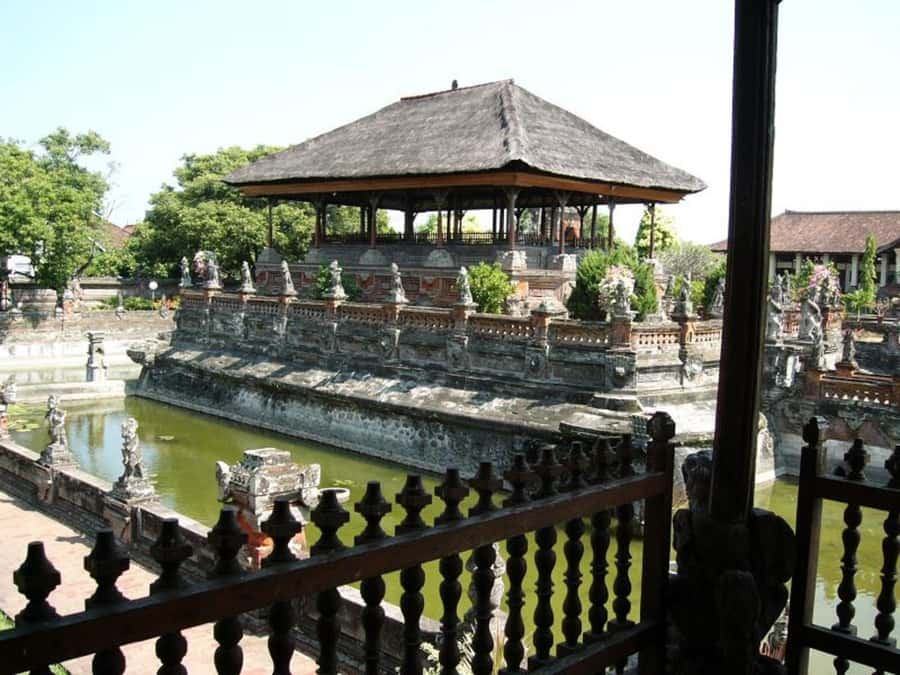
Kertagosa, Klungkung’s royal court
The first major stop is Taman Kertha Gosa, also called Kertagosa Justice Court. You spend about an hour here with a guide.
This site dates from the 18th century and was once part of the Klungkung kingdom’s royal center of justice. Its value is not just in the buildings. It gives you a way to understand how Balinese royal authority, law, art, and religion once worked together.
Classical Balinese decoration is the visual draw. Your guide can help explain what you are seeing and why the court mattered, which makes the stop more useful than a quick photo visit. If you are interested in architecture or old royal systems, this is a thoughtful opening to the day.
The stop is also manageable in length. One hour gives you time to look around without using up the energy needed for Besakih. I would pay close attention here, since the court provides useful context for the rest of the tour. You are not just collecting temples. You are following the story of Bali’s kingdoms and communities.
Bukit Jambul and lunch above the rice terraces
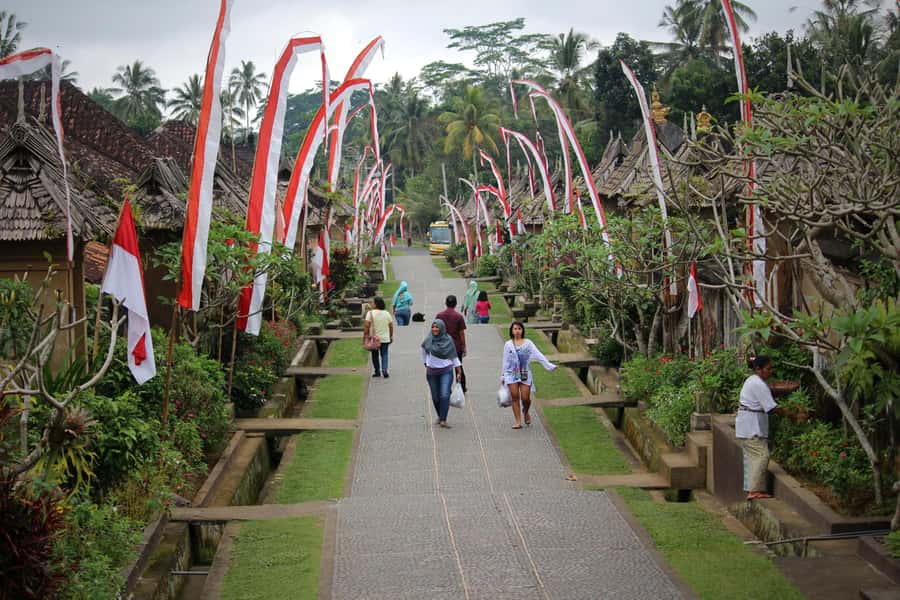
From Kertagosa, the tour continues to Bukit Jambul for about 45 minutes. This is the scenic break in the program, with cooler air and wide views over rice terraces toward Mount Agung.
I like this stop because it changes the pace. After the formal setting of the royal court, you get open views, fresh air, and a chance to take photographs without rushing through another religious site. The mountain may not always be perfectly visible, since views depend on weather, but the terraces still make this a worthwhile pause.
Lunch follows for about an hour, with Mount Agung and the surrounding highlands as the backdrop. The meal is not included, so bring cash. The supplied details do not name a required restaurant, but one past itinerary included lunch at LA Restaurant and praised its views and food. Your exact stop can vary, so do not book this tour expecting a specific menu or restaurant.
This is a good place to eat if you value scenery more than a quick bargain meal. You are paying for the setting as well as the food. If you prefer to control your lunch budget, ask the guide what choices are available before ordering.
A few more temple visits around Bali worth a look
- North Bali: Sunrise Tour with Dolphins, Waterfalls & Temples
★ 4.6 · 831 reviews - Bali: Hidden Canyon, Waterfall & Temples Small Group Tour
★ 4.7 · 563 reviews - North Bali: Sekumpul Waterfalls and Ulun Danu Temple Tour
★ 4.7 · 431 reviews - Bali: Sacred Temples and Sunset Private Tour
★ 4.8 · 429 reviews
Besakih, the Mother Temple of Bali
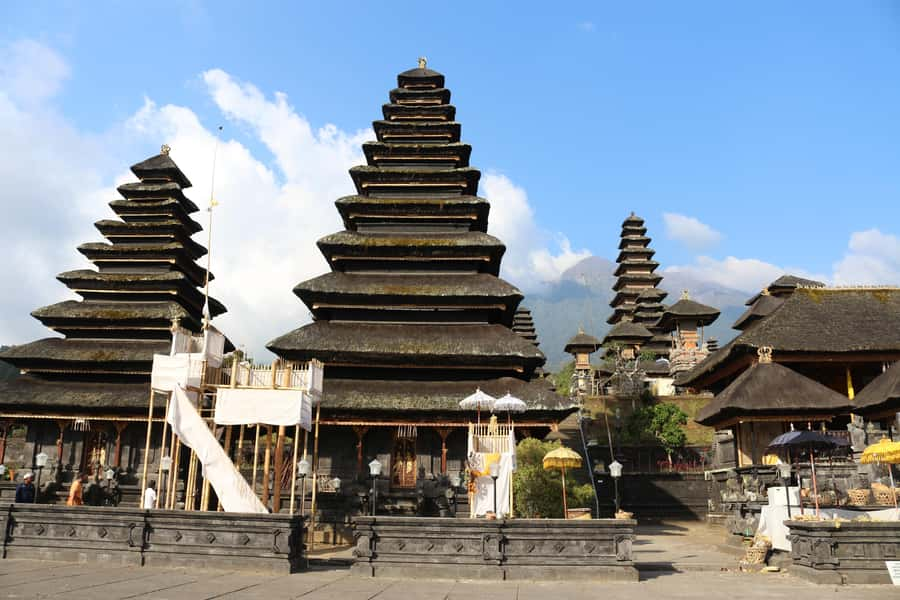
Besakih receives about an hour, though the actual experience can feel longer because the temple complex is large and sits on the slopes of Mount Agung. It is known as Bali’s Mother Temple and is the most important religious stop on this tour.
Besakih is not one simple shrine. It is a broad complex with multiple temple spaces, ceremonies, stairways, and views across the mountain country. The setting gives the visit much of its force. You are looking at a sacred site linked closely to Bali’s Hindu traditions and to the island’s highest volcano.
A guide is especially useful here. The buildings and courtyards can be confusing if you do not know what you are looking at, and a good explanation helps you see the difference between architecture, worship, ceremony, and daily custom. Guides such as Made, Suru, and Yansu have been praised for explaining temple traditions in a clear, friendly way.
The drawback is crowding. Besakih is famous, and it can be far busier than the other stops. One account found it too crowded and tiring, especially late in the day. You may also find the walking demanding, so wear comfortable shoes and pace yourself. The tour is not suitable for people with mobility impairments, and it is also not recommended for pregnant people or those with heart or respiratory conditions.
Dress respectfully. Long pants are a sensible choice, and you should bring a sarong, along with sunscreen and sunglasses. Avoid tank tops and short clothing on temple grounds. Cash is useful for personal expenses, although the entrance fee is included.
Penglipuran Village and its bamboo forest
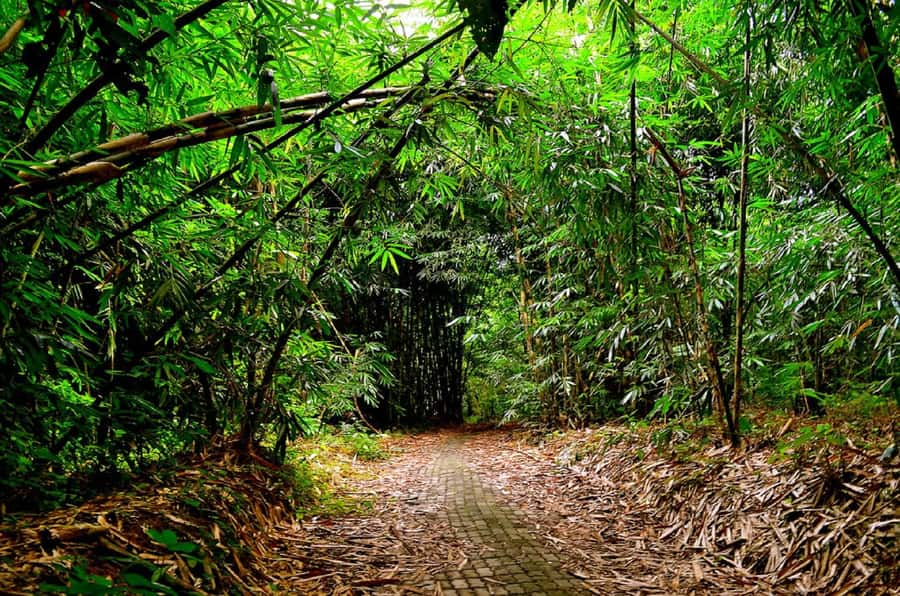
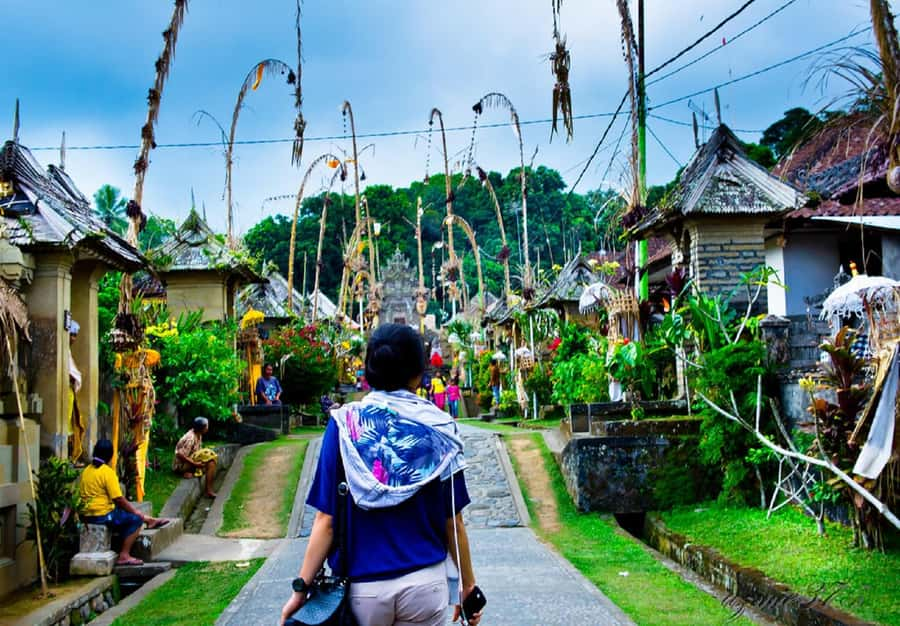
Penglipuran is the final major stop, with about an hour to explore. It is known for traditional Balinese architecture, orderly village lanes, community harmony, and a peaceful bamboo forest.
This stop gives the day a different kind of cultural focus. Besakih shows you Bali’s highest level of religious importance, while Penglipuran shows how traditions appear in ordinary homes, shared spaces, and village organization. You can look at the layout of the houses, notice repeated architectural features, and see how the community presents its identity.
The bamboo forest adds a welcome change from temples and paved courtyards. It is also one of the more photogenic parts of the visit. Some guides help with photos, and Guna has been praised for taking pictures and assisting visitors who tried on Balinese clothing.
Penglipuran is not always quiet. It can draw large numbers of visitors, including domestic tourism groups, and one January visit found it unusually crowded. Still, the village was considered worth seeing. I would treat it as a cultural site with a public face, not as an untouched rural settlement.
Because it comes late in the day, your energy may be limited. Use the first few minutes to walk at a comfortable pace, then focus on the details that interest you most. If you want a long, unhurried village visit, this tour may feel too compressed. If you want a clear introduction to traditional Balinese design and community life, the hour works well.
What the guides add to the day
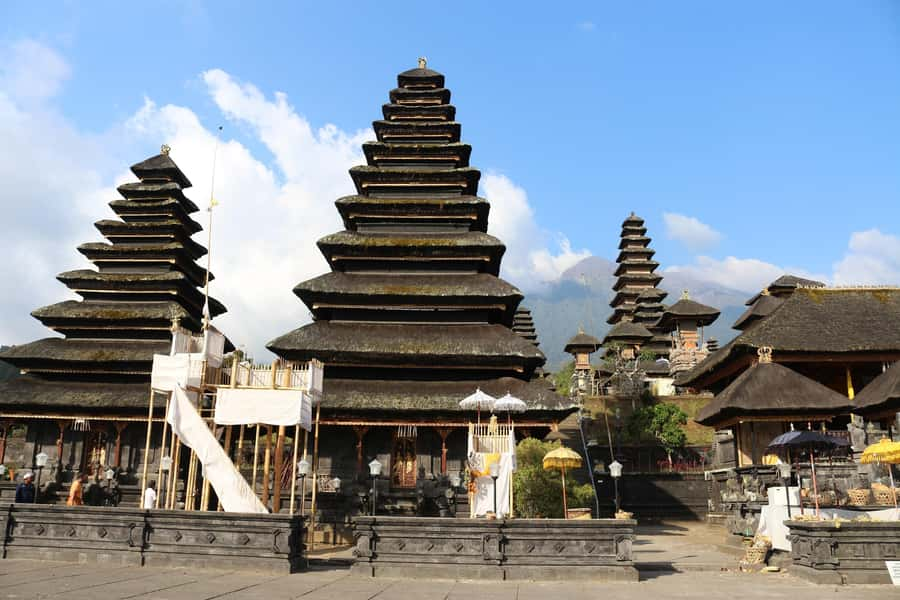
The strongest part of this experience is the guiding. The route covers royal history, Hindu temples, village customs, architecture, and mountain scenery. Without explanations, it would be a sequence of attractive stops. With a good guide, the places connect.
Guna receives especially warm praise for his passion, humor, photo help, and ability to explain the age and use of buildings in Penglipuran. Bello is noted for patience, detailed explanations, and quick solutions when traffic caused problems. Nyoman Suastika has been praised for a positive attitude and thoughtful planning, while Gusti has been credited with adjusting the route and helping a solo visitor feel safe.
Guide quality can vary from person to person, so I would not book solely to request one particular name unless the operator confirms it. The useful point is that this company has several guides who have made the cultural side of the tour a priority.
A good guide also helps with small matters that affect comfort. Ask questions about temple customs, lunch choices, walking distances, and the timing of the next stop. If traffic forces a change, a calm guide can explain what you are gaining and what you may miss.
Who should take this tour?
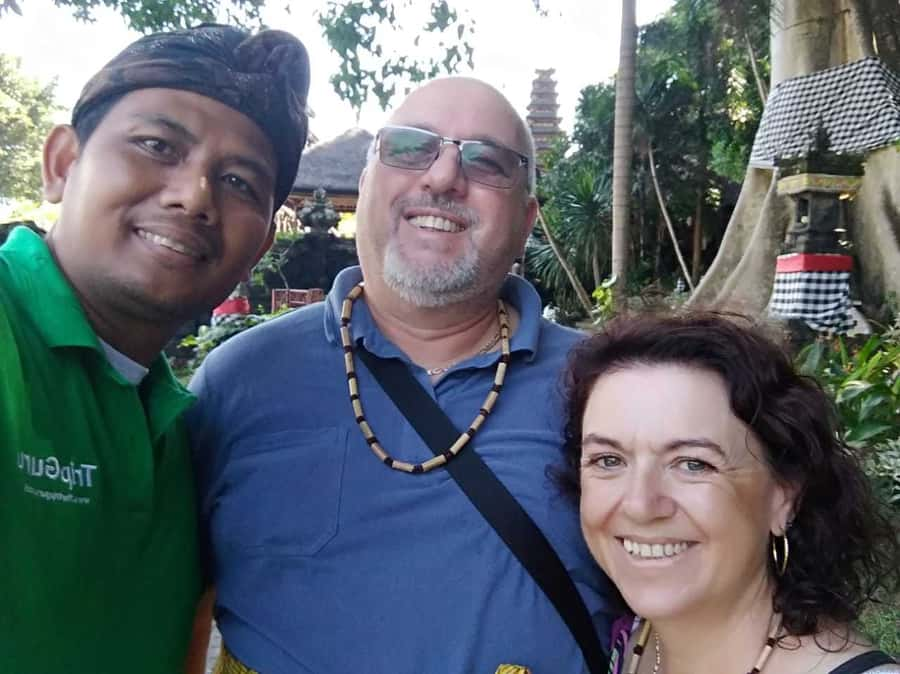
I would recommend it to first-time visitors who want to see Bali beyond beaches, beach clubs, and the busiest southern attractions. It suits people who enjoy temples, photography, architecture, mountain views, and guided cultural context.
It is also useful if you have limited time. In one day, you reach Klungkung, Bukit Jambul, Besakih, and Penglipuran without needing to plan separate transport. Solo visitors can benefit from the included pickup and small group, while couples and families with older children may appreciate the straightforward structure.
I would think twice if you dislike long drives or prefer slow mornings. The route covers a lot of ground, and traffic can alter the plan. Children under 10 may find the day tiring, especially if the group is delayed and the final stops come late. The tour is also a poor fit for anyone with significant mobility, heart, breathing, or pregnancy-related concerns.
Pack comfortable shoes, sun protection, cash, a sarong, and long pants. You should also bring patience. Bali’s roads are part of the experience, even when they are not the part you ordered.
Should you book the Besakih and Penglipuran tour?
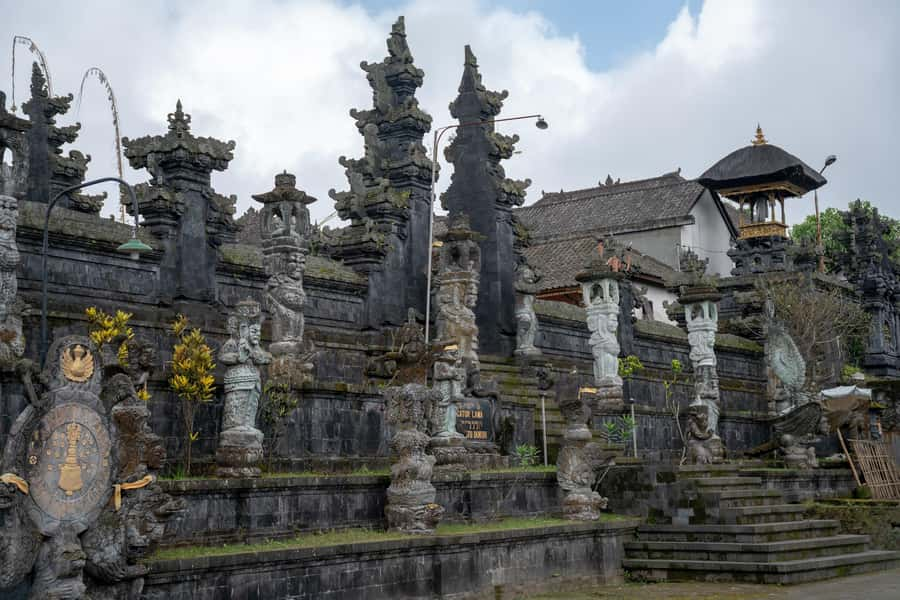
Book it if you want a value-focused cultural day with a strong mix of sacred sites, royal history, village life, and mountain scenery. The $35 price is attractive because transport, guiding, water, and entrance fees are covered, while the group size remains limited to 10.
Skip it if you want complete control over timing, a quiet visit to Besakih, or a leisurely lunch. Traffic and crowds can reshape the day, and one hour at each principal stop is enough for an introduction rather than a deep exploration.
For most first-time visitors, I think the balance works. Besakih supplies the spiritual weight, Penglipuran brings everyday tradition into view, Kertagosa adds royal context, and Bukit Jambul gives you room to breathe. Choose a day when you can start early, dress properly, and accept that Bali’s roads may have the final word.
FAQ
How long does the Besakih and Penglipuran Village tour last?
The tour lasts about 10 hours, including hotel pickup, transportation between stops, sightseeing, lunch time, and drop-off.
What locations offer pickup and drop-off?
Pickup and drop-off are available from Ubud, Jimbaran, Sanur, Canggu, Kuta, Seminyak, Kerobokan, Legian, and other listed central areas, including Nusa Dua. Extra charges apply for pickup from Lovina, Amed, Tulamben, or Candidasa.
Is lunch included in the tour price?
No. Lunch is not included, so you should bring cash for your meal and any personal purchases.
Are entrance fees included?
Yes. The listed entrance fees for Kertagosa, Besakih Temple, and Penglipuran Village are included in the tour price.
What should I wear and bring?
Wear comfortable shoes and modest clothing. Long pants and a sarong are recommended for temple visits. Sunglasses, sunscreen, and cash are also useful.
Is the tour suitable for people with mobility or health concerns?
The tour is not suitable for pregnant people, people with mobility impairments, or people with heart or respiratory issues. The day includes walking at temple and village sites.
Just added around Bali
- The Three Temples of Bali Half Day Private Tour★ 4.0 · 5 reviews
- Bali Pura Taman Ayun Temple, Monkey Forest & Tanah Lot Excursion★ 4.0 · 123 reviews
- Bali Famous Beach, Kecak Dance, Uluwatu Temple, Sunset, Dinner★ 5.0 · 8 reviews
- Ubud: Rice Terrace, Holy Water Temple & Waterfalls Trek Tour★ 4.9 · 115 reviews
- Bali: Uluwatu Temple, GWK, and Padang Beach Full-Day Tour★ 4.7 · 107 reviews
- Bali: Water Temple, Waterfalls and Unesco Rice Terrace Tour★ 4.9 · 66 reviews
- Bali: Beaches, Uluwatu Temple Sunset & Fire Kecak Dance Show★ 4.9 · 9 reviews
- Bali: Uluwatu ATV Quad Bike with Temple Tour & Kecak Dance★ 4.4 · 8 reviews
Uluwatu & Tanah Lot Temple Tours, compared.

Besakih Temple & Lempuyang Temple Gates of Heaven Tour
Read our review →
Kecak Fire Dance Show & Uluwatu Temple Entry Ticket
Read our review →
Bali Sunset: Uluwatu Temple, Kecak Dance and Jimbaran Bay
Read our review →
Tirta Empul: Temple Tour with Optional Spiritual Cleansing
Read our review →Private Uluwatu Temple and Kecak Fire Dance Evening Tour in Jimbaran Bay
Read our review →

Munduk: Twin Lake Jungle Hike, Ulun Danu Temple, & Waterfall
Read our review →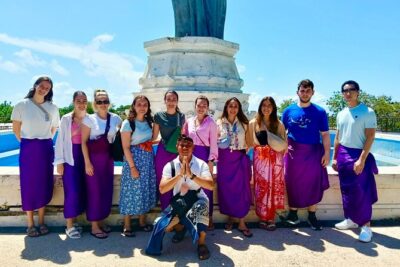
Uluwatu Temple Entry and Kecak Fire Dance Ticket
Read our review →Browse the lists this tour appears in