
Review · ITALY
Monreale: Guided tour of Cathedral, Monastery and Mosaics
Gold shines brightest in Monreale.
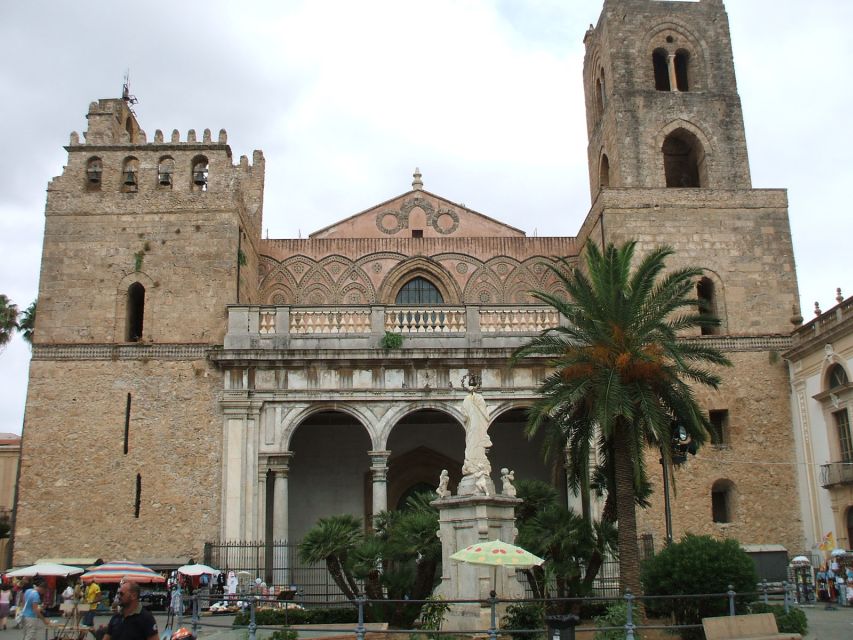
Just five kilometers from Palermo, Monreale gives you a compact look at Sicily’s Norman, Romanesque, and Arabic influences. I like the tour’s focus on the cathedral’s glowing mosaics, and I like that a licensed guide helps explain what you are seeing instead of leaving you to decode the building alone.
The visit also includes the 12th-century Benedictine monastery and cloister, plus a viewpoint over the Conca d’Oro valley. The main drawback is price: $344.39 covers a private group of up to 25, but cathedral and cloister tickets are extra, so the value depends heavily on how many people share the cost.
Key points to know before you go
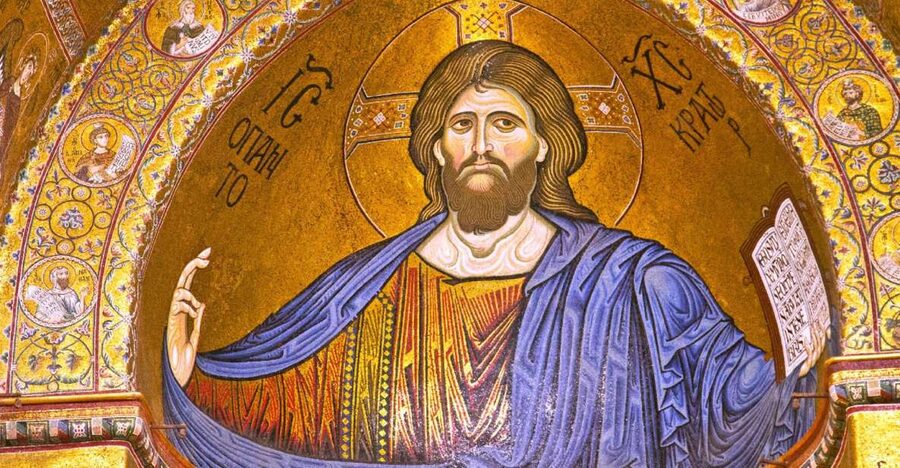
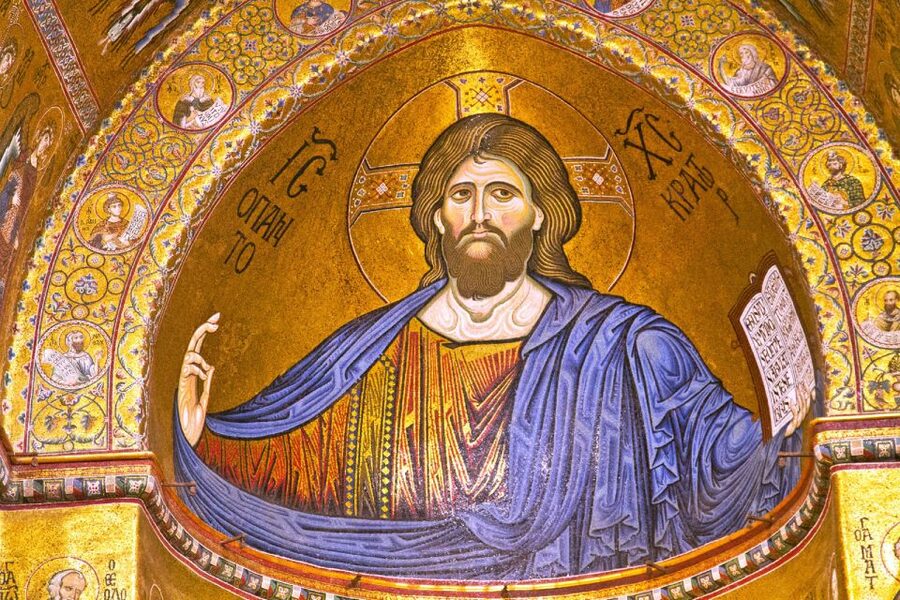
- The Christ Pantocrator dominates the cathedral interior: The huge golden image in the apse is the visual high point of the visit.
- Monreale blends several artistic traditions: Norman architecture, northern European design, Romanesque sculpture, and Arabic decoration meet in one remarkable building.
- The tour begins at Piazza Guglielmo II: You meet at the cathedral entrance in Monreale, not in central Palermo.
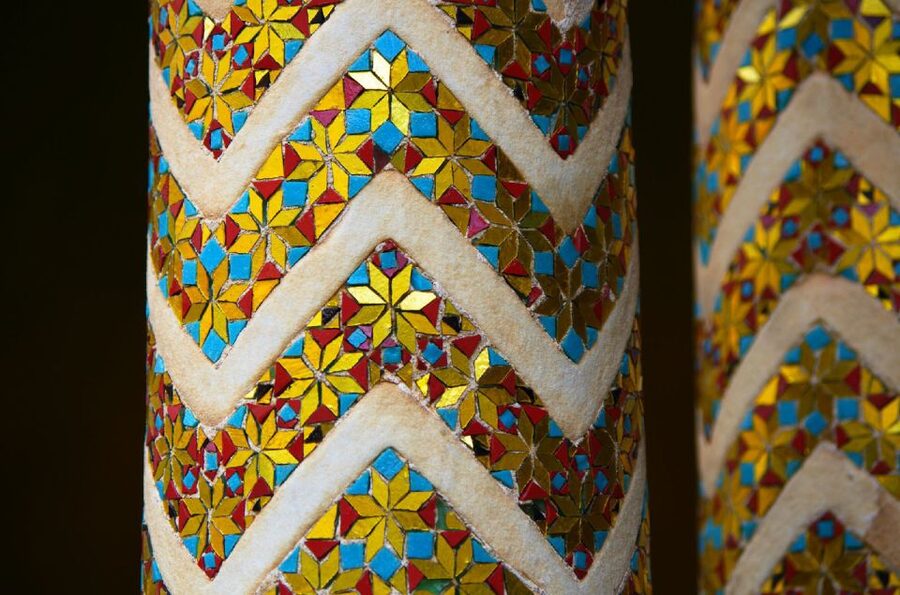
- The Benedictine cloister adds a quieter second act: Its columns and enclosed setting offer a different mood from the cathedral’s glittering interior.
- The group is private and can include up to 25 people: You get your own guide, with tours offered in English, Spanish, French, or Italian.
- The valley view helps explain Monreale’s setting: From the hill of Mount Caputo, you look over the Conca d’Oro and its citrus groves.
Why Monreale is worth the short trip from Palermo
Monreale sits about 5 kilometers from Palermo, at roughly 310 meters above sea level on Mount Caputo. That short distance makes it a practical addition to a Palermo stay, but the town feels focused on one great sight: its cathedral complex.
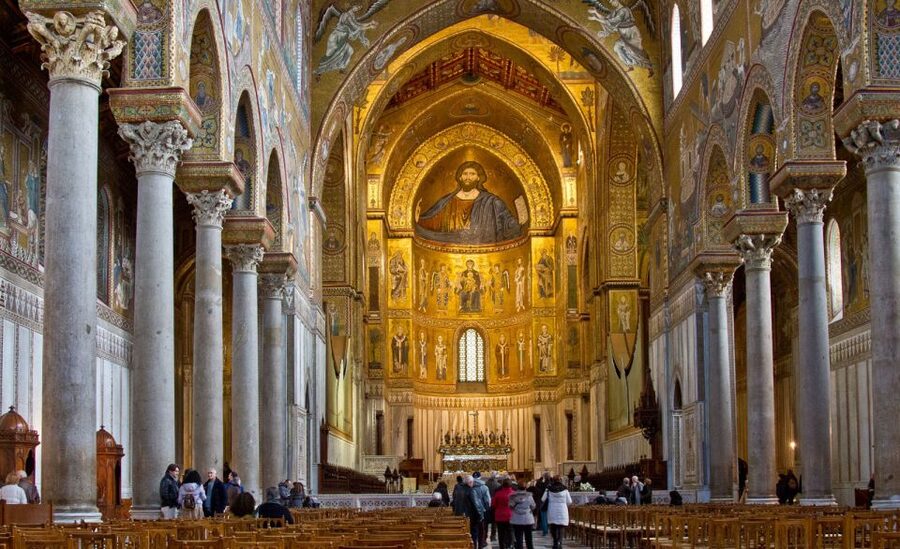
I like Monreale because the cathedral is not simply a pretty church with a few decorative touches. The entire interior is designed around mosaics. Gold covers the walls and catches the light, creating a powerful effect even if you know little about medieval art.
The building also helps you read Sicily’s past. Its design brings together northern European and Norman ideas with Romanesque art and Arabic decoration. You are not looking at one neat, isolated style. You are seeing the results of different cultures meeting in medieval Sicily.
The tour lasts one hour, so it is best understood as a focused introduction rather than an unhurried study of every corner. That short format works well if you want the essential story before exploring more on your own. It may feel brief if you prefer long art lectures or plenty of time for independent photography.
A few more temple visits around Italy worth a look
- Agrigento: Valley of the Temples Skip-the-Line Sunset Tour
★ 4.5 · 1,512 reviews - Pantheon Elite Guided Tour – Rome’s Iconic Ancient Temple
★ 5.0 · 1,447 reviews - Palermo: Agrigento and the Valley of the Temples Day Tour
★ 4.2 · 1,240 reviews
Beginning at Piazza Guglielmo II
Your meeting point is Piazza Guglielmo II, at the entrance to Monreale Cathedral. This matters because the activity does not include hotel pickup or drop-off, and transportation from Palermo is not part of the service.
Plan your route to Monreale before the appointment. You need to arrive at the cathedral entrance on time, since the guide meets you there and the experience ends at the same place. For anyone staying in Palermo, the five-kilometer distance sounds easy, but the tour information does not include a transfer, so you must arrange that part yourself.
The private-group setup is useful here. Instead of joining a large mixed group, you have a guide assigned to your party, with a maximum group size of 25. A smaller party should make it easier to hear explanations and ask questions, while a full group of 25 will feel less personal.
The guide languages are English, Spanish, French, and Italian. If you care about detailed art and history explanations, choose the language in which you can ask precise questions. One guide named Margherita has received particularly strong praise for explaining the cathedral’s historical importance and the Norman connection to Palermo.
Inside the 12th-century cathedral
The cathedral is the center of the experience. It was declared a UNESCO World Heritage monument in 2012, and the designation makes sense once you see how much art and architecture are concentrated in one place.
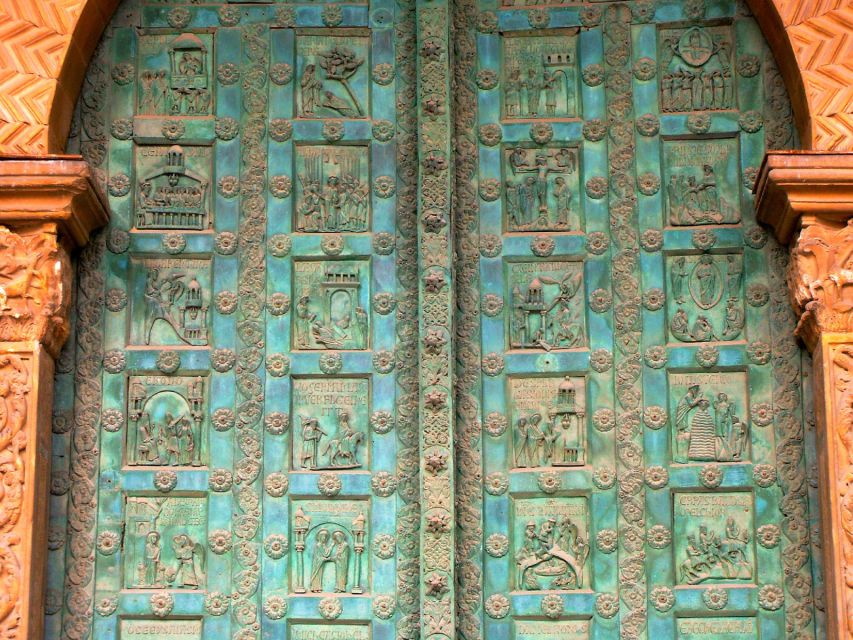
Outside, look first at the two bronze doors. One set was made by Bonanno da Pisa, while the other was created by Barisano di Trani. Barisano also worked on the cathedral doors in Ravello and Trani, giving you a useful link between several important Italian religious buildings.
The doors are not just an entry point. They introduce the medieval world of the cathedral, where sculpture carried religious stories and architectural details were meant to impress people who might not read. Your guide can help you notice the difference between the two sets rather than treating them as one general decoration.
Inside, the mood changes quickly. The golden mosaics cover the walls and lead your eyes toward the apse. The scale matters. You are not viewing a small panel at eye level. You are looking at a large, unified program that uses color, light, and repeated figures to shape the whole interior.
The main image is the Christ Pantocrator in the apsidal basin. This is the cathedral’s most famous image and the point where the mosaics reach their strongest visual effect. The figure looks down over the interior, giving the apse a clear center and making the surrounding images feel connected.
I like having a guide here because the gold can overwhelm you at first. Without some context, it is easy to walk in, take in the sparkle, and miss how the images are arranged. A good explanation helps you shift from simply admiring the surface to understanding how the cathedral’s art communicates its religious message.
The Norman connection also deserves attention. Monreale’s cathedral reflects the period when Norman rulers shaped Sicily while working within a place already influenced by Latin Christian, Byzantine, and Arabic traditions. You can see that mixture in the structure and decoration, which is one reason this visit feels more substantial than a quick stop for photographs.
The bronze doors and the cathedral exterior
Before or after the interior visit, spend a little time studying the outside. The cathedral’s exterior is richly decorated, and the two bronze doors give you a chance to see medieval sculpture at close range.
Bonanno da Pisa’s doors and Barisano di Trani’s doors represent different artistic voices. The tour description identifies both makers, so you can ask your guide to point out what separates their work. That kind of question is more useful than trying to remember a list of names.
The exterior also prepares you for the interior’s scale. The cathedral is not plain on the outside and extravagant only within. Both surfaces carry decoration, though the interior mosaics naturally receive most of the attention.
Keep your expectations practical. The guided visit is only one hour, and the included service is the guide, not admission. You will need to purchase the cathedral and cloister ticket separately, so check the current entrance arrangements before setting your budget.
Same place, a different morning at the gates:
- Rome’s Iconic Temple: Pantheon Audio Guided Tour with Fast Access
★ 4.0 · 1,188 reviews - Agrigento: Valley of the Temples Ticket & App Audioguide
★ 4.3 · 1,160 reviews - Colosseum Special Access Tour, with Ancient Temples & Tombs
★ 4.8 · 747 reviews - Agrigento: Valley of the Temples E-Scooter Tour
★ 4.6 · 557 reviews
The Benedictine monastery and cloister
The tour continues beside the cathedral to the ancient Benedictine monastery and its cloister. This part provides a welcome change after the intense color and scale of the mosaics.
A cloister is built around an enclosed courtyard, creating a calmer place for walking and reflection. Here, the repeated columns and arches give you a chance to focus on detail, pattern, and proportion rather than one dominant image.
The monastery also explains the cathedral complex as a working religious center. You are not seeing a church in isolation. The Benedictine presence connects the cathedral with the daily religious life that once surrounded it.
Because the visit is short, the guide’s interpretation is especially helpful. You may find that the cloister receives less time than the cathedral, simply because the mosaics are the main attraction. If you care most about architecture, ask questions here while the guide is still with you.
The cloister ticket is not included in the tour price, along with the cathedral ticket. That separate cost is easy to overlook when comparing tours, so account for it before booking.
The Conca d’Oro viewpoint
The final highlight is the view over the Conca d’Oro valley, the broad basin associated with Palermo’s citrus and orange groves. From Monreale’s hilltop position, the view gives you a stronger sense of where the town sits and why its setting matters.
I like this stop because it breaks up the indoor sightseeing. After looking at bronze doors, stonework, and gold mosaics, you get fresh air and a wide view. The valley also adds a physical setting to the history you have just heard inside the cathedral.
The viewpoint is not described as a long walk or separate excursion. Treat it as a short scenic part of the guided visit rather than a full countryside outing. You will see the valley and citrus groves, but the cathedral and cloister remain the main reasons to come to Monreale.
Weather and visibility will affect how much you see. The tour information does not promise a particular viewpoint condition, so keep the view as a welcome extra rather than the central reason for paying for the experience.
What the one-hour length means
One hour is enough to cover the cathedral, the monastery and cloister, and the valley view at an introductory level. It is also easy to fit into a day that includes other Palermo sights.
The tradeoff is pace. You will need to keep moving, and you may not have much time to linger over every mosaic or architectural detail. If you want a slow visit, use the guided hour to learn the main story, then ask whether you can remain afterward with your admission ticket.
The tour ends back at the meeting point, which keeps the plan simple. You do not need to learn a second exit location or arrange a transfer from the far side of town.
Is the private price good value?
The listed cost is $344.39 per group of up to 25 people. For a full group, the per-person cost can be reasonable for a private guide. For one or two people, it becomes a much larger expense, especially because entrance tickets are not included.
The price buys a licensed guide rather than transportation, meals, or admission. That makes sense for visitors who mainly want interpretation, not a packaged day trip. You are paying for a focused explanation of one of Sicily’s major monuments.
The private format may also justify the price for families or friends who want to stay together. You can choose your questions and keep the visit centered on what interests your group. A large party can share the cost, but the experience may feel less intimate when the group reaches the 25-person limit.
For a solo visitor or couple on a tight budget, compare the guide cost with the time you have available and the importance you place on expert context. Since the cathedral’s mosaics are visually overwhelming, the guide can add real value. Still, the extra ticket cost and lack of transport should be part of your calculation.
Who will enjoy this Monreale visit most?
I would recommend this experience to you if you are staying in Palermo and want a clear, guided introduction to Monreale without committing to a full-day excursion. The short duration fits well before or after other sightseeing.
It also suits anyone interested in medieval art, Norman Sicily, religious architecture, or the meeting of European and Arabic influences. The guide’s role is most valuable if you want to understand the cathedral rather than simply see it.
Families and private groups may appreciate the fixed group format. You can book for up to 25 people, and the tour is available in four languages. The private arrangement gives you more control than a public group tour, though the overall price is harder to justify for a very small party.
This may not be the best choice if you need hotel pickup, want admission included, or prefer a long, slow art tour. It also may not suit you if the main goal is independent exploration with no fixed schedule.
Practical advice for a better visit
Arrive at Piazza Guglielmo II with enough time to find the cathedral entrance. Since pickup is not included, confirm your route from Palermo and allow for the hilltop location of Monreale.
Wear shoes suitable for standing and walking around a religious complex. The official information does not give a dress code, so check current cathedral rules before you go if you are unsure about appropriate clothing.
Set aside money for the cathedral and cloister ticket. Food and drink are also not included, so plan those separately if Monreale is part of a longer day.
Use the guide strategically. Ask about the Norman rulers, the two bronze-door artists, the meaning of the Christ Pantocrator, and the relationship between the cathedral and Benedictine monastery. Those questions will help you get more from a one-hour visit.
Cancellation is flexible up to 24 hours before the tour for a full refund, and you can reserve now while paying later. Those terms are useful if your Palermo plans may shift, but they do not change the need to arrange your own transport and entrance tickets.
Should you book this Monreale tour?
Book it if you want the cathedral’s golden mosaics explained by a licensed guide and you are traveling with enough people to share the $344.39 private-group price. The strongest part is the focused interpretation, especially for the Christ Pantocrator, the bronze doors, and the Norman story behind the building.
Think twice if you are traveling alone, need a transfer from Palermo, or expect the ticket price to cover admission. In that case, the cost can rise quickly.
For most visitors who value context, the tour offers a worthwhile one-hour introduction to Monreale. Just treat it as a guided orientation to the cathedral complex, not a full-day tour or all-inclusive excursion.
FAQ
Where does the Monreale tour begin?
The tour begins at Piazza Guglielmo II, at the entrance to Monreale Cathedral.
Where does the tour end?
The activity ends back at the meeting point in Piazza Guglielmo II.
How long does the guided visit last?
The guided visit lasts one hour.
Are cathedral and cloister tickets included?
No. Cathedral and cloister admission tickets are not included in the tour price.
Is transportation from Palermo included?
No. Hotel pickup and drop-off are not included.
Which languages are available?
The live guide is available in English, Spanish, French, and Italian.
Just added around Italy
- Private Tour to the Villa Romana del Casale and the Valley of the Temples★ 4.5 · 19 reviews
- Agrigento and Piazza Armerina: Valley of the Temples and Villa Romana del Casale★ 4.5 · 121 reviews
- Villa Romana Del Casale in Piazza Armerina and Valley Of Temples in Agrigento★ 4.5 · 38 reviews
- Padre Pio’s Shrine in San Giovanni Rotondo from Bari (Apulia)★ 5.0 · 3 reviews
- Cooking Class in a former Artist Monastery in the Heart of Monopoli★ 5.0 · 18 reviews
- Agrigento to Siracusa with Valley of Temples and Roman Villa Trip★ 5.0 · 5 reviews
- Private transportation to the Valley of the Temples + Agrigento★ 5.0 · 8 reviews
- Agrigento Valley of the Temples Archaeological Area★ 4.0 · 33 reviews
Italy Temple Tours, compared.
Valley of the Temples Skip-the-Line Sunset Tour
Read our review →
Pantheon Elite Guided Tour – Rome’s Iconic Ancient Temple
Read our review →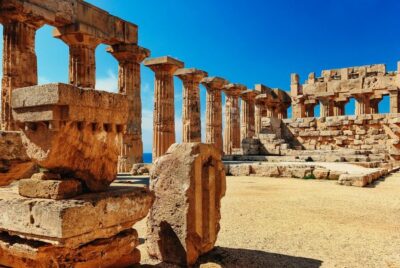
Agrigento and the Valley of the Temples Day Tour
Read our review →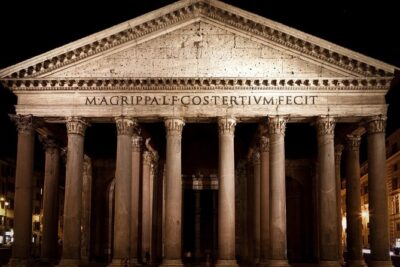
Rome’s Iconic Temple: Pantheon Audio Guided Tour with Fast Access
Read our review →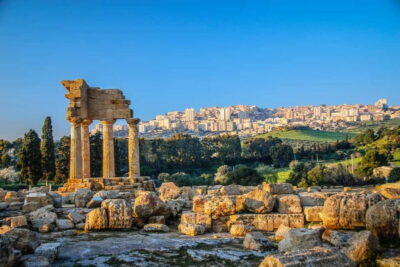
Valley of the Temples Ticket & App Audioguide
Read our review →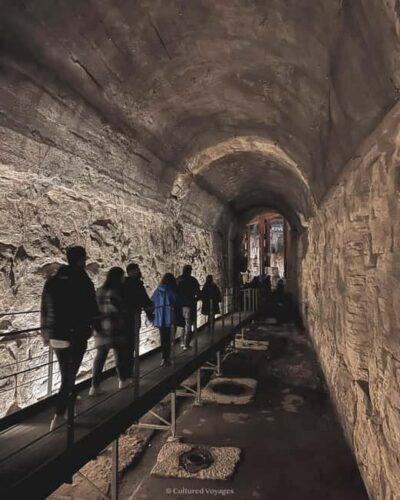
Colosseum Special Access Tour, with Ancient Temples & Tombs
Read our review →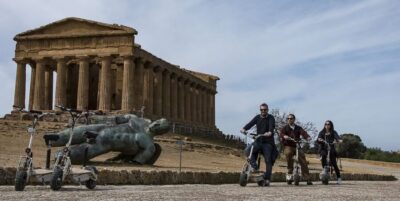
Valley of the Temples and Scala dei Turchi Day Trip
Read our review →Browse the lists this tour appears in