
Review · SPAIN
Mallorca: Carthusian Monastery Valldemossa Entrance Ticket
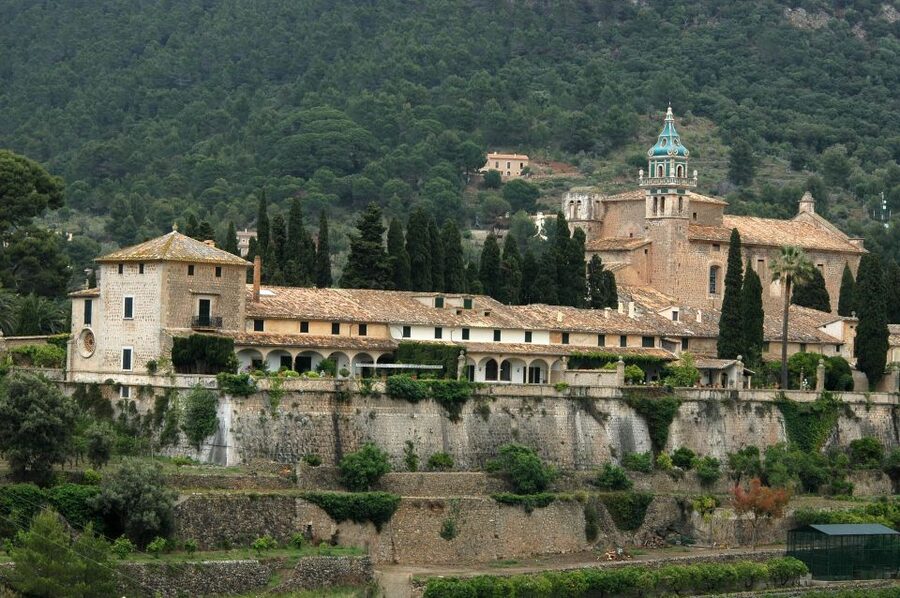
A monastery visit with music built in. The Royal Charterhouse of Valldemossa combines a former royal palace, a quiet Carthusian monastery, gardens, artworks, and a short piano recital in one compact visit. I especially like the chance to see the old pharmacy and the long white-arched corridor, two details that make the site feel more personal than a standard museum.
I also like the setting, just about 20 minutes from Palma, with terraces looking across the Valldemossa valley. The main drawback is that the visit can feel confusing if you expect every room and collection to be covered by one ticket. The room associated with Chopin and George Sand, along with a museum, may require separate payment.
Key points to know before you go
- A royal beginning: Visit the former palace of King Sancho of Majorca, dating from 1309.
- A 15-minute piano recital: Music is included with admission and adds a welcome human touch to the visit.
- Monks’ former cells: Walk through the long corridor and see the spaces used by Carthusian monks for roughly 400 years.
- Old pharmacy and printing press: Explore ancestral medicines, pharmacy tools, a 16th-century press, and a woodcut collection.
- Art in a place that inspired artists: See paintings by Spanish and local artists, including Joan Fuster.
- Easy self-guided format: Use the free Cartoixa de Valldemossa audio guide app in Catalan, English, French, German, or Spanish.
Why Valldemossa’s monastery is worth your time
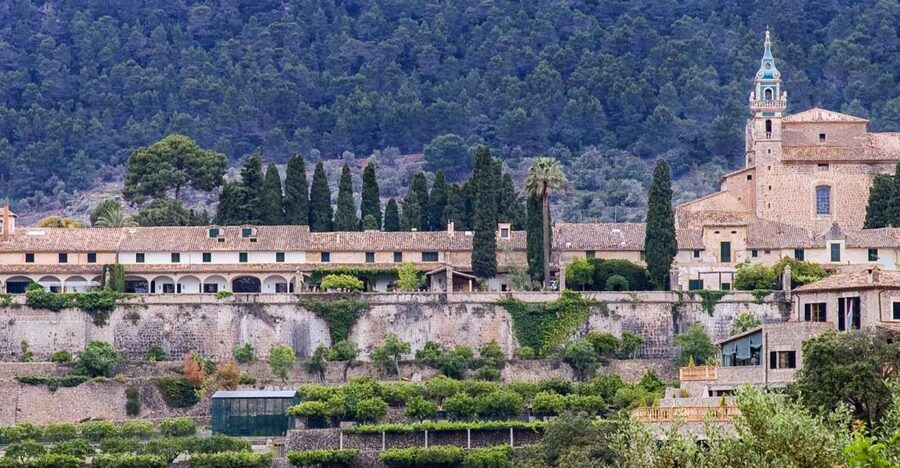
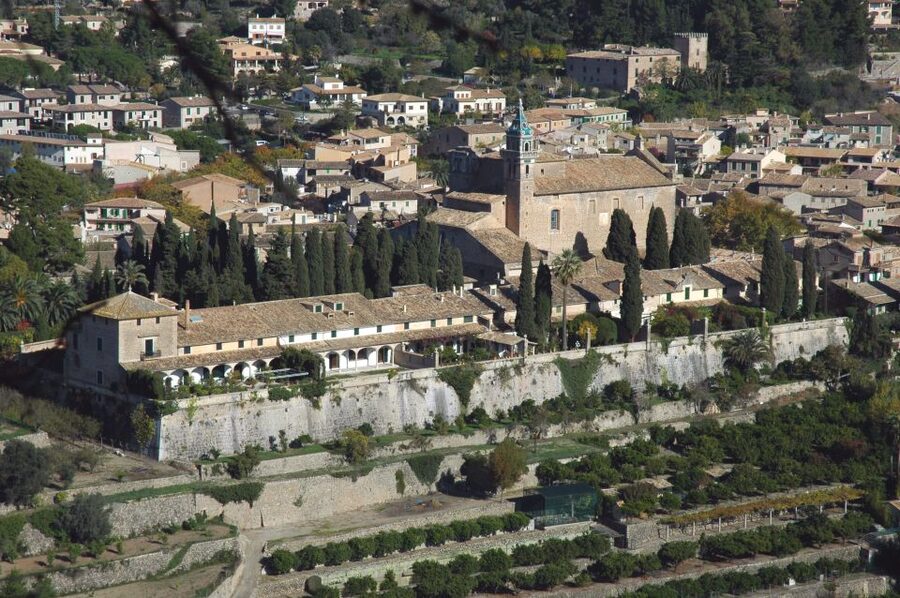
The Carthusian Monastery of Valldemossa is not just one grand church. It is a group of buildings that tell several stories at once: royal power, monastic discipline, local medicine, art, music, and the appeal of Mallorca to outsiders.
That variety makes the visit good value at $14 per person. You are not paying simply to enter a church or admire a courtyard. You can move through palace rooms, monkish corridors, terraces, gardens, collections, and historic working objects. The visit lasts about one hour, so it fits neatly into a half-day in Valldemossa.
I would not expect a guided tour with a person leading you from room to room. This is a self-guided visit, supported by a downloadable audio app. That gives you freedom, but it also means you should arrive with your phone charged and your headphones ready.
The monastery sits on the main square in Valldemossa. You go directly to the entrance rather than meeting a guide elsewhere. That simple arrangement works well if you are already exploring the town.
More Entry Tickets in Spain:
- Montserrat Museum and Monastery Entry Ticket
★ 4.5 · 1,740 reviews - Barcelona: Montserrat Private Trip with Monastery Ticket
★ 5.0 · 74 reviews - Montserrat Monastery Ticket with Escolania Boys’ Choir
★ 4.4 · 55 reviews
The former palace of King Sancho
Start with the oldest royal thread in the story. The former palace of King Sancho of Majorca dates to 1309, giving the visit a striking opening. Before this became a Carthusian monastery, it served a royal purpose.
The palace helps you understand why the complex feels more substantial than a typical religious site. Royal rooms and monastic spaces occupy the same setting, but they suggest very different ways of living. One side speaks of status and court life. The other points toward silence, routine, and retreat.
I like this contrast because it gives the visit some shape. You are not simply moving through a collection of pretty rooms. You are seeing a place change from royal residence to a religious community and later become a site remembered by artists and musicians.
The palace section is also a good reason to use the audio guide. Without context, a historic room can be pleasant but vague. With the app in your ear, details about the people connected with the building help the rooms make more sense.
The church and Bayeu’s frescoes
The monastery church brings a more formal note to the visit. It contains frescoes by Francisco Bayeu, who was Goya’s brother-in-law. That connection gives the artwork an extra point of interest, especially if Spanish painting is one of your reasons for visiting Mallorca.
The church is not presented as a separate grand outing. It forms part of the larger complex, so you can take your time looking at the decoration rather than rushing through for a single famous object.
I would allow a few quiet minutes here. The church offers a change from the more domestic feel of the palace and cells. Look up, study the painted details, and let the audio guide provide the background if you want more than a quick visual stop.
The white-arched corridor and the monks’ cells
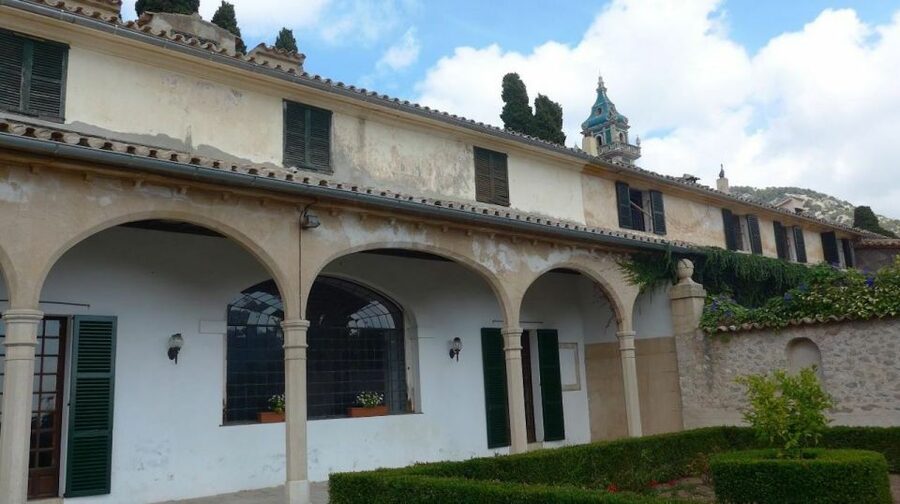
One of the most memorable parts of the complex is the long corridor lined with white arches. It leads toward the cells occupied by Carthusian monks for around 400 years.
The corridor is visually simple, but that is exactly why it works. The repeated arches guide you forward, while the plain white surfaces suggest the quiet life the monks chose. This is one of the places where the building itself says more than a display case can.
The cells offer a glimpse into the monastery’s daily purpose. The Carthusian order valued solitude and prayer, so these rooms were designed for peace and rest rather than communal living. You get a clearer feel for that arrangement as you move through the separate spaces.
This part of the visit may appeal most to you if you enjoy old buildings in their original setting. It is less about grand decoration and more about how people used the rooms. The tradeoff is that visitors wanting a large collection of objects may find the cells spare.
A few more temple visits around Spain worth a look
- Montserrat Monastery Half Day Experience from Barcelona
★ 5.0 · 6,014 reviews - Montserrat Monastery Small Group or Private Tour Hotel pick-up
★ 5.0 · 5,144 reviews - Escorial Monastery and the Valley of the Fallen Tour from Madrid
★ 5.0 · 2,494 reviews - Montserrat Small Group: Monastery, Black Madonna & Natural Park
★ 5.0 · 1,690 reviews
Gardens, terraces, and the Valldemossa valley
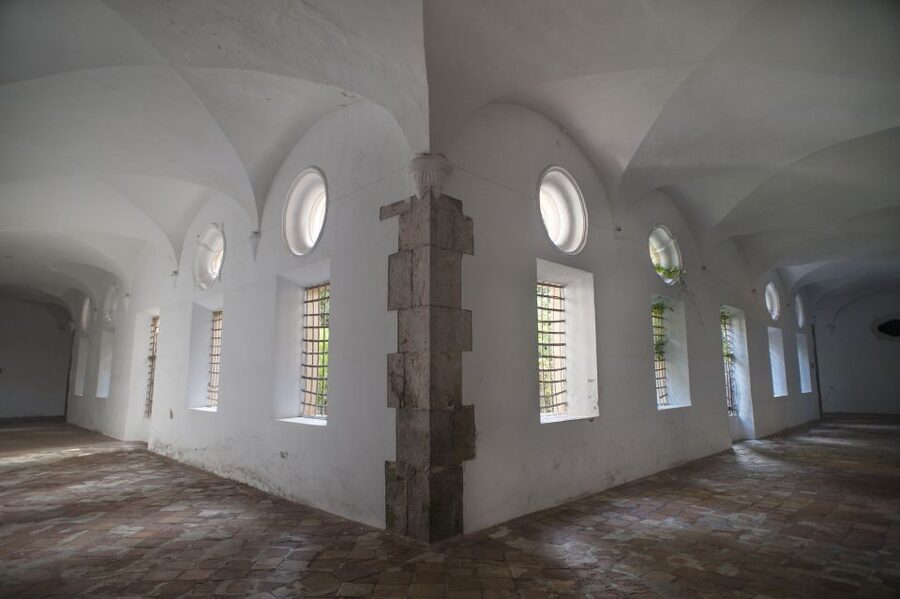
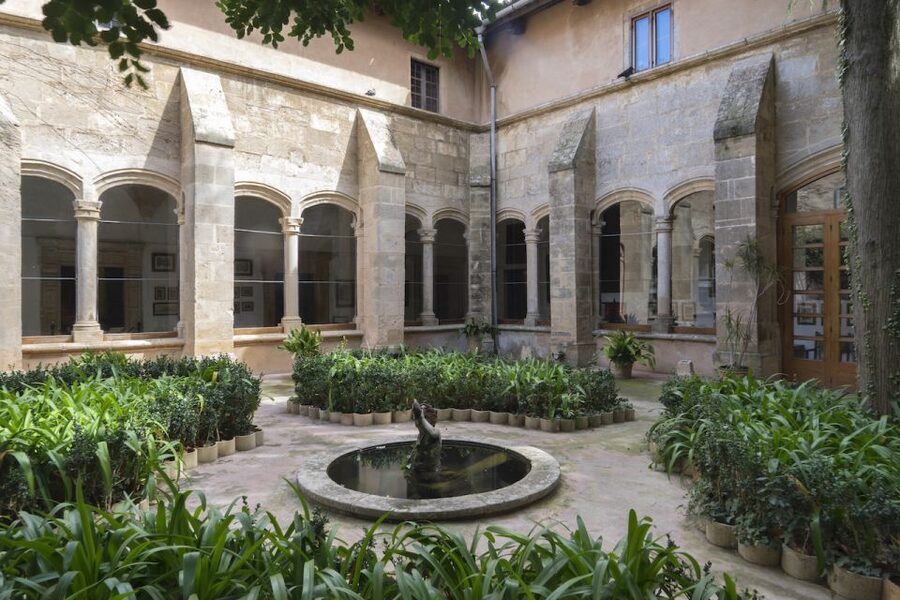
The gardens and terraces provide one of the best pauses in the visit. From here, you get broad views over the Valldemossa valley, and the outdoor spaces help break up the indoor rooms.
The setting matters. A monastery built in a scenic mountain town could easily become just another historic building, but the views explain why this place has attracted artists and other figures over the years. The terraces connect the architecture to Mallorca itself.
Take your time outdoors rather than treating the gardens as a passage between rooms. The visit is only about an hour, but you can still pause for the view and take in the relationship between the monastery, the town, and the valley.
The gardens are also useful if you are visiting with someone who does not want to spend the whole time reading or listening to historical explanations. There is enough variety here to keep the visit from feeling like a strict museum circuit.
The old pharmacy and its ancestral remedies
The old pharmacy is one of the more unusual stops. It still contains ancestral utensils and medicines, giving you a look at an aspect of monastic life that is easy to overlook.
A pharmacy adds practical detail to the story. Monasteries were not only places for worship. They also needed ways to care for illness and maintain daily life. The objects here help turn that broad idea into something visible.
I find this kind of room especially valuable because it avoids the usual parade of portraits and religious decoration. Small tools, containers, and medicines can tell you how people tried to handle ordinary problems centuries ago.
The pharmacy is likely to interest you if you enjoy social history and old household objects. It may not take long to see, but it gives the visit a useful change of pace.
Cell No. 2 and the Chopin connection
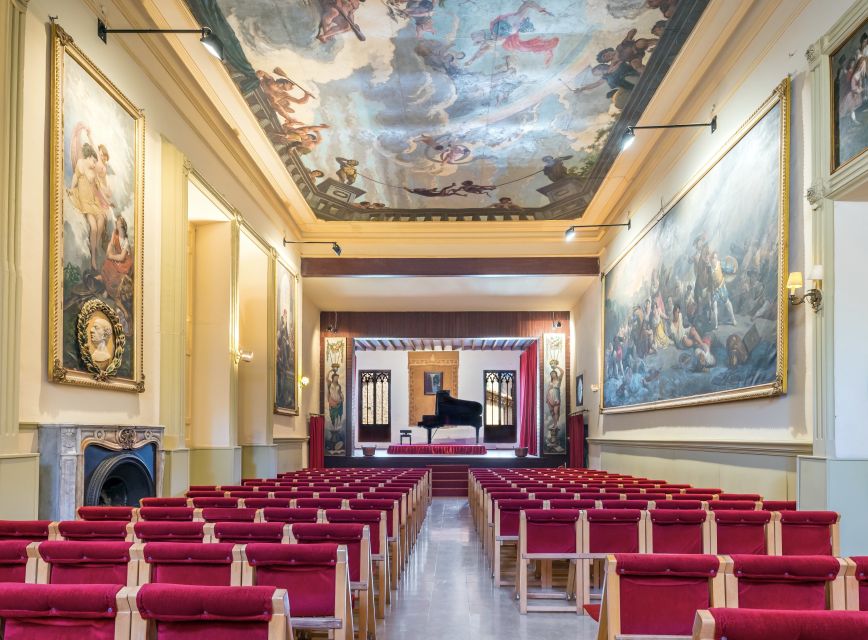
The famous Cell No. 2 is another stop with a strong personal story. The cell is connected with the period when Frédéric Chopin and George Sand lived at the monastery, a link that has helped make Valldemossa famous beyond Mallorca.
The Chopin connection gives the quiet monastery a more modern artistic chapter. Instead of thinking only about medieval or religious history, you can also consider how the place affected composers and writers seeking inspiration.
There is an important ticket detail here. The main entrance does not necessarily cover every Chopin-related room or museum space. One account of the visit notes that the room where Chopin lived with Sand and a museum required separate payment.
I would check exactly what your $14 ticket includes before arriving if these rooms are your main reason for coming. The monastery, recital, gardens, and listed collections make the entrance worthwhile on their own, but a Chopin enthusiast may want to budget for extra admission.
Art collections and the artists drawn to Valldemossa
The complex includes paintings by well-known Spanish and local artists, including Joan Fuster. These collections show how Valldemossa has been seen and remembered through art.
The value here is not just the names on the labels. The paintings help you compare the physical place with the way artists interpreted it. After seeing the terraces, arches, and valley yourself, you can look at the artworks with a better sense of what inspired them.
The collection is a good complement to the building. A palace or monastery can feel fixed in the past, while paintings show how later people responded to it. That makes the visit feel less like a preserved monument and more like a place with an ongoing creative life.
Keep your expectations sensible. This is not a large national art museum. It is a collection within a historic complex, and the entire visit is designed to fit into about an hour.
The 16th-century printing press and woodcuts
The old printing press is another object that makes the visit more varied. Dating from the 16th century, it comes with a collection of woodcuts.
This stop gives you a look at how information and images were produced before modern printing. It also adds a technical side to the visit. The monastery is not only about prayer, art, and royal rooms. It includes tools connected with the spread of ideas.
I would pay attention to the woodcuts as well as the press itself. A press can be impressive as an object, but the printed images show what it was used to accomplish. The audio app should help explain the collection in more detail.
Archduke Ludwig Salvator and Mallorca by steamship
The final strand of the visit concerns Archduke Ludwig Salvator of Austria, a cousin of Empress Sissi. He came to Mallorca by steamship and became deeply attached to this part of the island.
His collection adds an outsider’s view of Mallorca. He was not simply passing through for a quick sightseeing stop. His interest in the island forms part of the larger story of artists, royals, and other visitors who found something compelling here.
This section works best after you have seen the gardens and valley. You can connect his interest with the same views and setting that you have just experienced. It also gives the monastery a wider European connection without taking you far from the local setting.
The piano recital adds real value
The included 15-minute piano recital is one of the strongest parts of the experience. It gives the visit a clear emotional center and ties directly to the monastery’s association with Chopin.
Fifteen minutes is a good length. It is long enough to feel like a real performance, but short enough that it does not take over the entire visit. You can fit it into a one-hour stop without having to plan your day around a full concert.
The recital is included in the admission price, which improves the value considerably. If you like classical music, this may be the part you remember most. Even if you are not a serious concertgoer, the music suits a place with such strong artistic associations.
Check the available starting times when you book. Since the visit has a set duration and the recital is part of the experience, timing matters if you are combining Valldemossa with other plans in Mallorca.
How to plan the visit from Palma
The monastery is about 20 minutes from Palma, making it an easy addition to a day in the area. The activity does not include accommodation pickup or drop-off, so you need to arrange your own transport to Valldemossa.
You enter at the main square, where the ticket holder goes directly to the monastery entrance. That is convenient, especially if you are already walking through the town.
If you are driving, pay close attention to parking rules. One visitor found that parking in Valldemossa is for residents only, so do not assume you can leave a car anywhere near the center. Sort out parking before you arrive and allow time to reach the entrance.
Download the Cartoixa de Valldemossa app before leaving your accommodation. Free WiFi is available in Valldemossa, but relying on it at the last minute is unnecessary. Bring headphones and a charged smartphone. The audio guide is available in Catalan, English, French, German, and Spanish.
Is $14 good value?
At $14, I consider the ticket a fair deal, especially because it includes the entrance, audio guide access, gardens, historic rooms, and piano recital. The combination gives you more substance than a quick look at one monument.
The value becomes less clear if you mainly want to see the Chopin room or a particular museum. Since separate admission may apply to some areas, check the exact inclusions before booking. This is the main point that could frustrate you.
The free cancellation option up to 24 hours before the visit and the ability to reserve now and pay later also make planning easier. Those terms are useful if your Mallorca schedule is still shifting.
Who should book this experience?
I would choose this visit if you like historic buildings, music, art, or scenic towns. It suits a short cultural outing from Palma and works well for people who prefer to explore at their own pace.
It is also a good fit for Chopin fans, though you should confirm the separate ticket situation for the room connected with him and George Sand. Families may appreciate the gardens and the variety of stops, while museum fans will enjoy the pharmacy, printing press, paintings, and Austrian collection.
I would hesitate only if you want a fully guided tour, guaranteed access to every related museum, or a long musical performance. This is a compact, self-guided visit with several small collections rather than one large exhibition.
Should you book the Valldemossa monastery ticket?
Yes, if you want a manageable cultural stop with strong scenery and several different stories under one admission. The piano recital, royal palace, monk cells, pharmacy, gardens, and art collections make the $14 price reasonable.
Book with a clear idea of what is included. The main visit is easy to arrange, but the Chopin room and some museum areas may cost extra. Download the audio guide in advance, bring headphones, and plan your parking if you are driving.
For most people, this is a worthwhile hour in Valldemossa, especially when paired with time to explore the town itself.
FAQ
Where is the Carthusian Monastery of Valldemossa?
The monastery is in Valldemossa in Mallorca’s Balearic Islands. The entrance is on the town’s main square.
How far is the monastery from Palma?
The monastery is about 20 minutes from Palma.
How long does the visit last?
The listed duration is one hour. Starting times vary, so check availability when booking.
What is included in the ticket?
The ticket includes entrance to the experience, access to a downloadable audio guide app, and the piano recital.
Is the piano recital included?
Yes. A 15-minute piano recital is included with the activity.
Which languages are available for the audio guide?
The audio guide is available in Catalan, English, French, German, and Spanish.
What should I bring?
Bring headphones and a charged smartphone. It is best to download the Cartoixa de Valldemossa app before arriving.
Do I need to meet a guide?
No. You go directly to the entrance on the main square in Valldemossa, and the visit uses a self-guided audio app.
Are the Chopin room and museum included?
The main visit includes the monastery complex and listed collections, but a visit account indicates that the room where Chopin lived with George Sand and a museum may require separate payment. Check the exact ticket inclusions before booking.
Just added around Spain
- Montserrat Monastery Horse Riding & Walk – Small Group (Max 8)★ 5.0 · 45 reviews
- Montserrat Nature Walk, Monastery and Museum from Barcelona★ 5.0 · 58 reviews
- Montserrat & beyond private from Barcelona with different options★ 5.0 · 32 reviews
- Transfer to Montserrat Monastery from Barcelona★ 4.5 · 94 reviews
- Montserrat Tour with Cogwheel Train, Monastery & Black Madonna★ 4.0 · 10 reviews
- Private Montserrat & Hot-Air Balloon Ride with Monastery visit★ 4.5 · 5 reviews
- Montserrat Monastery and Mountain Half Day Hiking from Barcelona★ 4.5 · 6 reviews
- Montserrat Horseback Riding & Monastery – Small Group (Max 8)★ 5.0 · 45 reviews
Spain Temple Tours, compared.

Montserrat Monastery Half Day Experience from Barcelona
Read our review →
Montserrat Monastery Small Group or Private Tour Hotel pick-up
Read our review →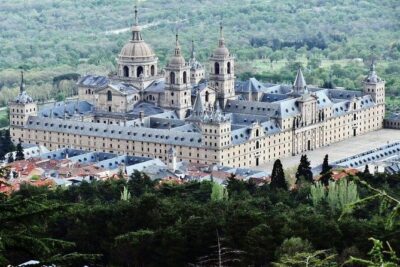
Escorial Monastery and the Valley of the Fallen Tour from Madrid
Read our review →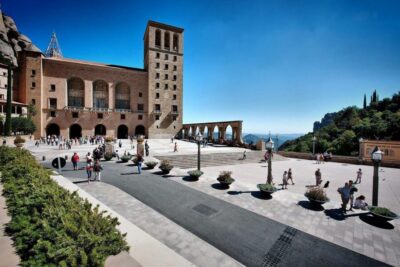

Montserrat Small Group: Monastery, Black Madonna & Natural Park
Read our review →
Escorial Monastery and the Valley of the Fallen
Read our review →
Flamenco Show at Tablao Sala Temple with Drink
Read our review →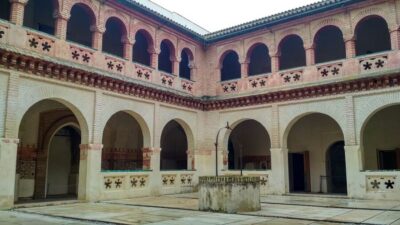
From Seville: Italica Roman City & Medieval Monastery Tour
Read our review →Browse the lists this tour appears in