
Review · GEORGIA
Gelati Monastery, Motsameta Monastery & Bagrati Cathedral
Ancient churches, one tidy half-day. This three-hour outing links three important Georgian monuments near Kutaisi, giving you a quick look at medieval architecture, mountain scenery, and the religious story of western Georgia without arranging separate transport. I especially like the small group of no more than seven and the mix of major sights with the striking setting of Motsameta.
I also like the $18 price, which includes a guide, minivan, bottled water, and Wi-Fi. The main caution is Gelati: recent information says major restoration work may continue for several years, so parts of the monastery may be closed or less impressive than expected.
Key points at a glance
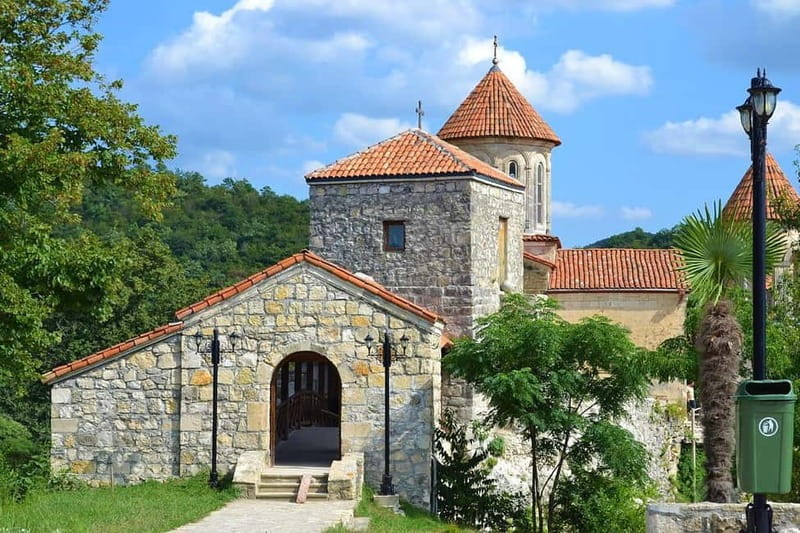
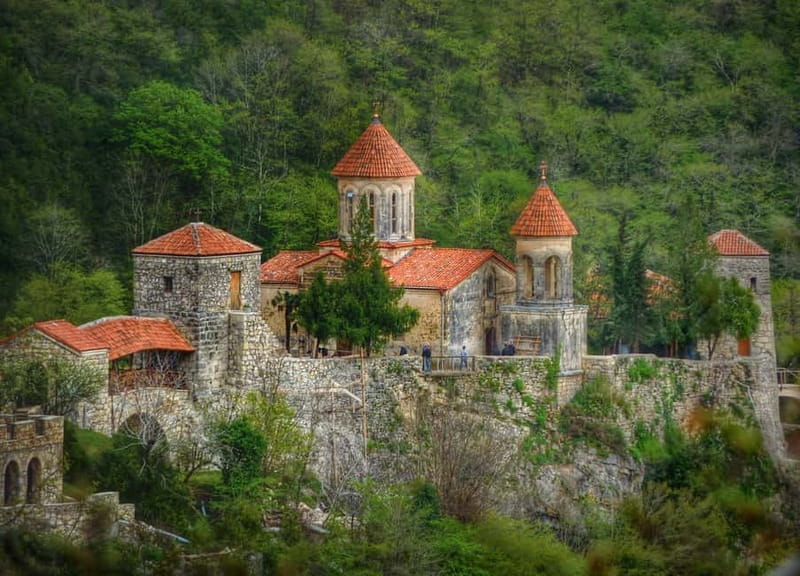
- Motsameta comes first, with a walled monastery set on a rocky, forested mountain near Kutaisi.
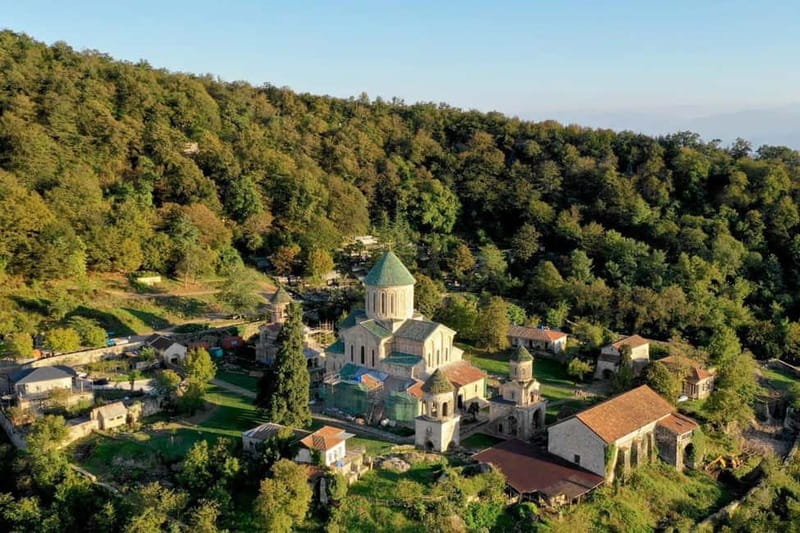
- Gelati was founded in 1106 by King Davit Agmashenebeli and includes buildings mainly from the 12th and 13th centuries.
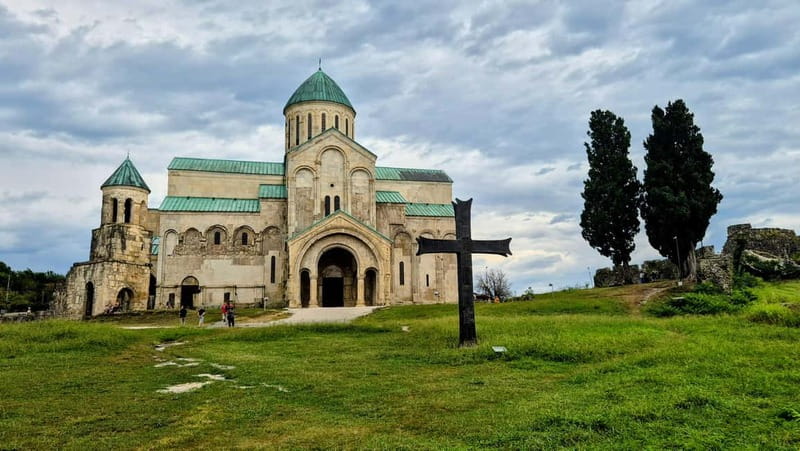
- Bagrati Cathedral dates from 1003, making it one of the key monuments of Georgian medieval church architecture.
- The group is limited to seven people, so the guide can usually keep the commentary personal and the van does not feel crowded.
- The tour lasts about three hours, with roughly 30 minutes at each monument and transport between stops.
- Guide Archil receives specific praise for his friendly manner, while the available guide languages are English, Georgian, and Russian.
A fast introduction to Georgian sacred architecture
This tour works because the three stops are close enough to visit in one short outing, yet each has a different character. Motsameta gives you a dramatic natural setting, Gelati provides the strongest historical depth, and Bagrati brings the program back toward Kutaisi with a cathedral tied closely to the city’s medieval identity.
You will not get a long, slow visit at each monument. The planned schedule allows about 30 minutes for walking and a guided visit at every stop. That is enough for an overview, photographs, and key explanations, but not enough for a detailed architectural study or a quiet hour of looking around.
I would choose this tour if you have limited time in Kutaisi or want a simple introduction before exploring more of Georgia. If you already know these monuments well, or prefer to linger inside churches, the pace may feel brisk.
A few more temple visits around the world worth a look
- Lisbon: Jerónimos Monastery Entrance Ticket
★ 4.1 · 14,164 reviews - Angkor Wat Sunrise or Sunset Tour with Guide from Siem Reap
★ 5.0 · 12,109 reviews - Teotihuacan, Guadalupe Shrine & Tlatelolco Day Tour with Lunch
★ 5.0 · 11,603 reviews
Starting from See Georgia Tour Agency
The tour begins and ends at the See Georgia Tour Agency office. From there, you travel in a comfortable minivan with a professional guide.
The small-group format matters here. With no more than seven participants, you have a better chance of hearing the guide clearly and asking questions than you would on a large coach trip. The vehicle also makes the route practical, since the three monuments are not all in the same part of Kutaisi.
Wi-Fi is provided on board, along with a bottle of water. Meals are not included, and personal expenses are yours to cover. Since the full outing is short, this is not a serious problem, but you should eat before leaving if you tend to need regular meals.
The transport sections are listed at about 30 minutes to Motsameta, 30 minutes to Gelati, 30 minutes to Bagrati, and 15 minutes back to the office. The stop at each monument is planned for around 30 minutes. In practice, traffic, walking, and time spent at the sites can affect the schedule, so I would avoid booking a tight connection immediately afterward.
Motsameta Monastery and its rocky mountain setting
Motsameta is the first major stop, reached by van in about 30 minutes. The monastery is enclosed by walls and built on a rocky, forested mountain, giving it a strong sense of place before you even focus on the buildings.
This is the stop most likely to give you a feeling of discovery. Its setting is not simply a church placed beside a road. The rock, trees, and elevated position make the monastery feel connected to the surrounding terrain, and the approach helps explain why religious sites were often built in hard-to-reach places.
You have about 30 minutes for a guided visit and walking. That should allow time to see the main exterior features, enter the religious complex if access is open, and listen to the guide explain its role in ancient Georgian culture. Wear proper walking shoes. The tour information calls for a moderate amount of walking, and uneven ground around an old mountain monastery can be tiring in unsuitable footwear.
Motsameta is also a good early stop because it gives the day a visual change from the urban setting of Kutaisi. You begin with a monastery surrounded by rock and woodland, then move to Gelati’s larger historical complex and finish at Bagrati Cathedral.
Gelati Monastery, founded in 1106
Gelati is the historical centerpiece of the outing. King Davit Agmashenebeli founded the monastery in 1106, and its buildings date mainly from the 12th and 13th centuries. The complex is recognized as a UNESCO World Heritage Site, so this is not just a pleasant church visit. It is one of the major cultural sites in Georgia.
Your guide should help you read the monastery as a group of buildings from different periods rather than as one single monument. That context is useful because the complex has developed over time, and the architecture reflects more than one moment in Georgian history.
The planned visit lasts about 30 minutes. I would use that time for the main architectural views and the guide’s explanation, rather than trying to inspect every detail. A guided introduction is particularly useful at Gelati because dates, rulers, religious purpose, and building changes can otherwise blur together.
There is one important limitation. Recent information from February 2026 says Gelati is under restoration and may remain so for roughly five years. Parts of the site could be closed, covered, or visually interrupted by conservation work. That does not erase the importance of the monastery, but it can change the experience considerably.
I would check the current condition before booking if Gelati is your main reason for taking the tour. The operator might also consider adding a small extra stop while restoration limits the visit, but the published route remains focused on these three monuments.
Even with restoration, Gelati is valuable for the historical setting and the chance to understand one of Georgia’s most important medieval religious centers. Just keep expectations realistic. You may see an active conservation site rather than a fully open monument.
Same place, a different morning at the gates:
- From Bangkok: Ayutthaya Temples Guided Tour with Lunch
★ 4.7 · 10,535 reviews - Siem Reap: Angkor Wat: Small-Group Sunrise or Sunset Tour
★ 5.0 · 9,444 reviews - Athens: Cape Sounion & Poseidon Temple Sunset Half-Day Trip
★ 4.8 · 8,241 reviews - Ubud: Monkey Forest, Jungle Swing, Rice Terrace, and Water Temple
★ 5.0 · 7,160 reviews
Bagrati Cathedral and medieval Kutaisi
The final monument is Bagrati Cathedral, reached after another van ride of about 30 minutes. The cathedral sits on Uchimerion Hill in Kutaisi and is dedicated to the Assumption.
Bagrati was built in 1003 during the reign of Bagrat III, who ruled from 975 to 1014. Its date places it slightly earlier than Gelati, and its importance comes from both its design and its connection with Georgian political and religious history.
The cathedral is described as a landmark of Georgian medieval church architecture. That is useful context when you look at it. You are not only seeing an old place of worship, but also a building whose architectural solution and symbolic role helped shape the image of medieval Georgia.
The 30-minute visit gives the guide time to explain the cathedral and gives you a chance to walk around the site. Because Bagrati is in Kutaisi, it is also the easiest stop to combine mentally with the city itself. One useful point from the tour feedback is that Bagrati is relatively easy to reach from town, but including it here saves you the effort of arranging a separate visit.
The cathedral makes a sensible final stop. After the more remote feel of Motsameta and the larger historical complex at Gelati, Bagrati brings you back toward the city and completes the story with an important Kutaisi monument.
Why the three-stop order works
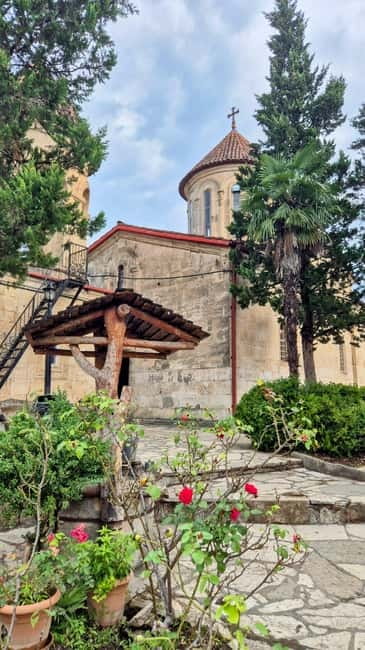
The sequence has a clear rhythm. Motsameta gives you a compact monastery in a mountain setting. Gelati supplies the longest historical explanation and the UNESCO designation. Bagrati then connects the religious story to Kutaisi itself.
The route also avoids making every stop feel identical. You see a walled monastery, a major medieval monastic complex, and a cathedral on a hill. For a short tour, that variety is a real advantage.
The main tradeoff is time. The scheduled visit at each monument is only around half an hour, and the transport sections take a substantial share of the outing. If you like taking photographs slowly, reading every inscription, or sitting quietly inside churches, you may want a private or longer visit instead.
For a first introduction, though, the structure is efficient. You get the basic story of three major sites without spending an entire day on one area.
The guide makes the short schedule work
The guide is central to the value of this experience. Three monuments in three hours could otherwise become a sequence of quick photo stops. A good explanation gives each place meaning and helps you notice differences in date, purpose, setting, and design.
The tour operates in English, Georgian, or Russian. Guide Archil is specifically praised for his friendly style, useful information, and sense of humor. Other feedback also highlights the guide’s ability to explain both the monasteries and Georgia more broadly.
That wider context is worth having. You are not only shown where to stand and what to photograph. The guide can connect the buildings to Georgian rulers, religious culture, and the growth of medieval church architecture.
Still, the short schedule places limits on discussion. If you ask many questions or the group spends extra time at one stop, the next visit may need to move quickly. A small group helps, but it cannot create more hours in the day.
Is $18 good value?
At $18 per person, this is a strong value if you want transport and an introduction to all three sites. The fee includes a professional guide, minivan transportation, bottled water, and Wi-Fi, which means you are paying for more than a simple ride between churches.
The value is strongest for solo visitors, couples, and anyone without a car. Organizing three separate trips would take more time and might cost more once transport is added. The small group also gives the tour a more personal feel than a large bus excursion.
The price is less compelling if Gelati is partly closed during your visit and you expected a full access experience. In that case, you are still receiving the route, transport, and guide service, but one of the three headline stops may be limited.
There are no meals included. Since the activity lasts only about three hours, I would treat that as normal rather than a serious omission. Have something to eat beforehand and bring suitable clothing for the weather.
Practical advice before you go
Wear comfortable walking shoes. This is the clearest preparation point, since Motsameta involves a rocky mountain setting and the tour includes walking at all three sites.
Check the weather forecast and dress accordingly. The itinerary moves between outdoor approaches, monastery grounds, and cathedral surroundings, so conditions can affect how pleasant the day feels. Comfortable layers are a sensible choice, but specific clothing requirements are not provided.
Smoking is not allowed during the activity. You should also remember that restoration work at Gelati may change access. Ask for the current condition when confirming your plans, especially if you are visiting several years after the February 2026 information.
Free cancellation is available up to 24 hours before departure for a full refund, and you can reserve now and pay later. Those terms are helpful if your Kutaisi schedule is still shifting, though you should still check the exact start time when booking.
Who should book this experience?
I would recommend it to first-time visitors to Kutaisi, people with only a few hours available, and anyone who wants a guided overview rather than a self-drive day. It also suits solo visitors who value company and straightforward transport.
The tour is a good match for anyone interested in Georgian religious architecture and medieval history. You get three important sites with different settings and dates, plus explanations in English, Georgian, or Russian.
I would think twice if you need step-free access, although the available information does not provide accessibility details. I would also hesitate if you want long, quiet visits or if your entire decision depends on seeing Gelati without restoration work.
Should you book the Gelati, Motsameta, and Bagrati tour?
Book it if you want a short, affordable introduction to Kutaisi’s major religious monuments. The small group, comfortable minivan, strong guide feedback, and $18 price make the outing easy to recommend for a first visit.
Before paying, check Gelati’s current restoration status and accept that each site receives about 30 minutes. If you can live with that pace, the tour gives you a lot in a compact package: a mountain monastery, a UNESCO-listed medieval complex, and a cathedral tied to Kutaisi’s identity.
FAQ
How long does the tour last?
The activity is advertised as three hours. The planned route includes visits of about 30 minutes at each monument and several transport sections between the stops.
Where does the tour start and finish?
It starts and ends at the See Georgia Tour Agency office.
Which monuments are included?
The tour includes Motsameta Monastery, Gelati Monastery, and Bagrati Cathedral.
How much does the tour cost?
The price is $18 per person.
What languages are available?
The live guide service is available in English, Georgian, and Russian.
How many people are in the group?
The group is limited to seven participants.
Is transportation included?
Yes. Transportation is provided in a comfortable minivan.
Is food included?
No. Meals are not included, and personal expenses are also separate.
Can I cancel the booking?
Yes. You can cancel up to 24 hours in advance for a full refund. You can also reserve now and pay later.
Just added around the world
- No.1 Chiang Mai: 3-Hour Monk Trail Hike to Wat Doi Suthep & Palad★ 5.0 · 11 reviews
- 8 Days Private South India Temple Tour with 4 Star Luxury Hotels★ 5.0 · 3 reviews
- Chennai City Highlights – Government Museum & Temple Discovery★ 4.0 · 7 reviews
- South India Tour- Temple Architecture and Backwaters★ 5.0 · 7 reviews
- Chania Private Tour: Monastery, Scenic Gorge & Mountain Views★ 5.0 · 12 reviews
- 2-Day Private Tour of Leshan Grand Buddha and Emei Shan including Monastery Stay★ 4.5 · 8 reviews
- Half-Day Trip to Arkadi Monastery and Melidoni Cave★ 4.5 · 4 reviews
- Monastery, Elafonissi and Winery Tour from Chania★ 5.0 · 8 reviews
Georgia Temple Tours, compared.
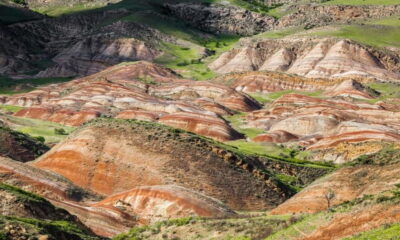
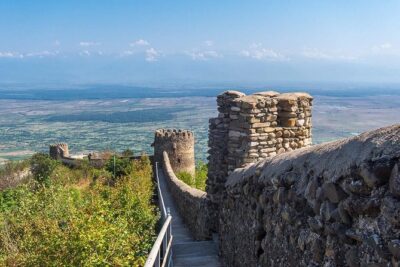
Kakheti: Signagi, Bodbe Monastery, Telavi, Wine Tour. Private tour
Read our review →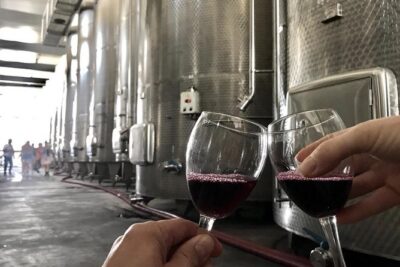
Kakheti-Sighnaghi Day Trip with wine tasting and Bodbe Monastery
Read our review →
Kakheti, City of Love Sighnaghi Bodbe Monastery Tour
Read our review →
Kakheti; City of Love Sighnaghi, Bodbe Monastery and Telavi
Read our review →
Sighnaghi Day Trip with wine tasting and Bodbe Monastery
Read our review →Browse the lists this tour appears in