
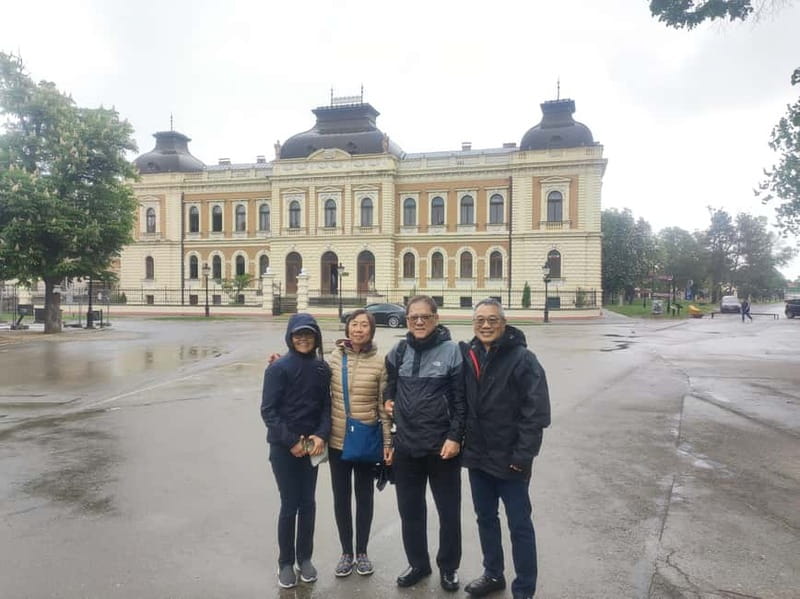
Review · VOJVODINA, SERBIA
From Novi Sad: Sremski Karlovci and Krusedol Monastery Tour
Small towns, serious history. This private trip from Novi Sad packs Baroque streets, Serbian wine, Orthodox monasteries, and Fruška Gora into a flexible half-day outing. I especially like the Bermet wine tasting and the chance to see Sremski Karlovci with a guide rather than simply passing through it. The drive in a comfortable Škoda Superb also makes the scattered sights much easier to reach.
I also like the personal scale of the experience. The guide can adjust the schedule to your interests, as Vladimir did for one group, adding short stops when time allowed. The main drawback is that the full route can feel ambitious in only three to five hours, especially if you want time inside every church and monastery. Confirm the exact schedule when booking.
Key points at a glance
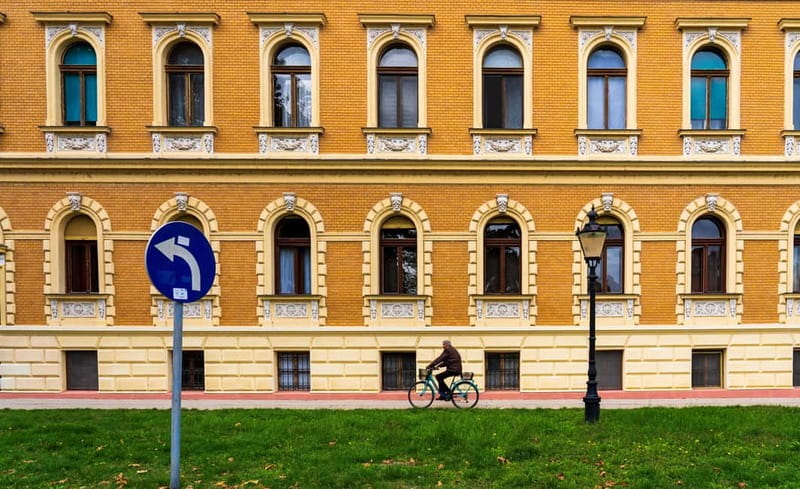
- Sremski Karlovci in one focused visit: See the Four Lion Fountain, Karlovci Gymnasium, Town Hall, churches, and Chapel of Peace.
- Bermet wine with a memorable story: Taste the sweet, spiced Serbian wine linked with the Titanic.
- Two important Fruška Gora monasteries: Visit Krušedol and Grgeteg, with different artistic and historical details.
- Private transport matters here: The sights are spread across the hills and are not well connected by public transport.
- Optional extended route: Vrdnik Fortress and Beli majdan add ruins, scenery, and an old quarry to the day.
- Best guide match: Vladimir is praised for historical detail, friendly conversation, and adapting the tour around weather and personal interests.
Why this half-day trip works from Novi Sad
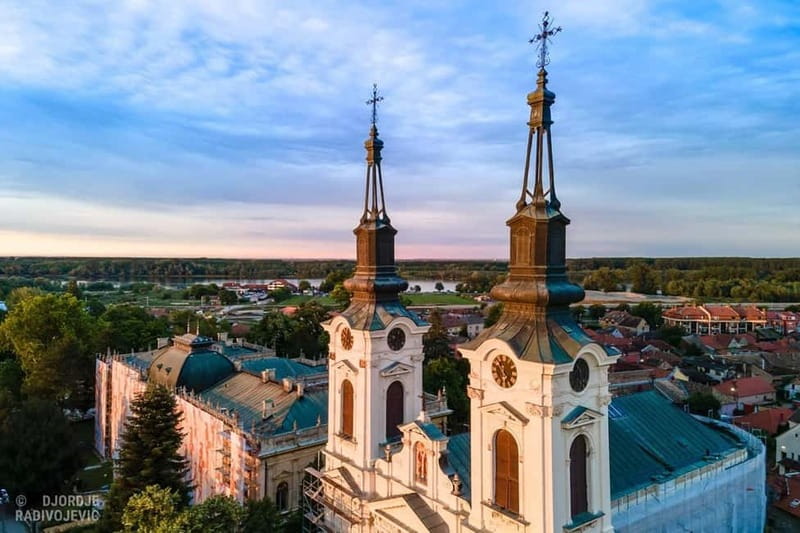
Novi Sad is an easy base for exploring Vojvodina, but some of the area’s best sights sit outside the city and apart from one another. Sremski Karlovci is close enough for a quick visit, while the monasteries and Fruška Gora stops require more planning. A private car solves the main transport problem in one go.
The tour lasts between three and five hours, depending on the selected route and available start time. The shorter version concentrates on Sremski Karlovci and the monasteries. The longer version adds Vrdnik Fortress and Beli majdan, creating a fuller outing through Fruška Gora.
Your ride is normally a grey Škoda Superb unless another vehicle has been arranged. That is a useful detail for anyone who dislikes crowded group buses. You get a private group, an English or Russian-speaking guide, and a return to Novi Sad at the end.
The private format also gives the day some breathing room. If a church, wine tasting, or local history interests you more than another photo stop, the guide can give that subject extra attention. On the other hand, flexibility depends on the time available, so the extended route may require a brisk pace.
A few more temple visits around the world worth a look
- Lisbon: Jerónimos Monastery Entrance Ticket
★ 4.1 · 14,164 reviews - Angkor Wat Sunrise or Sunset Tour with Guide from Siem Reap
★ 5.0 · 12,109 reviews - Teotihuacan, Guadalupe Shrine & Tlatelolco Day Tour with Lunch
★ 5.0 · 11,603 reviews
Sremski Karlovci: Baroque Serbia in a compact town
Sremski Karlovci is the heart of the tour. It is a small Baroque town with quiet streets, low houses, formal buildings, churches, and gardens. Because the center is compact, you can see a great deal on foot without spending the day marching between sights.
The main square brings several landmarks together. You will see the Four Lion Fountain, the Karlovci Gymnasium, the Town Hall, the Roman Catholic Church, and the Serbian Orthodox Church of St. Nicholas. Each building helps explain the town’s place in the religious and cultural life of the region.
The Karlovci Gymnasium is especially important. It is one of the town’s best-known buildings and gives the central square a sense of learning and tradition. Your guide can add the context that a quick photograph cannot provide.
The Serbian Orthodox Church of St. Nicholas offers a different visual and historical note from the Roman Catholic church nearby. Seeing both in one walk helps you understand the mixed cultural character of Vojvodina. You are not just checking off monuments. You are seeing how different communities shaped the same small town.
Allow time to look above street level. Sremski Karlovci rewards a slower glance at facades, gates, gardens, and the spaces between major sights. The town is peaceful rather than busy, which makes it a good contrast to Novi Sad’s larger urban center.
The Chapel of Peace and the origin of the round table
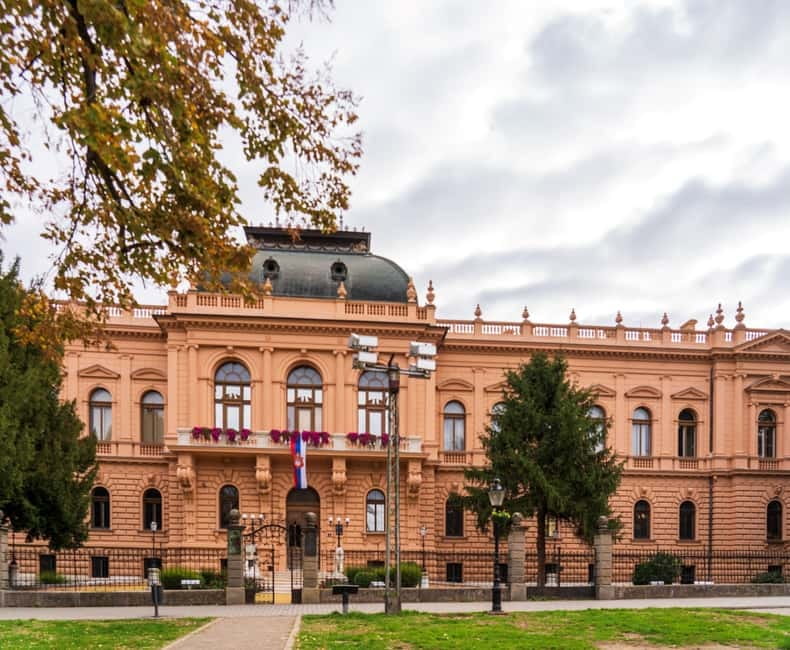
The Chapel of Peace is one of the most unusual stops. It marks the site of negotiations where a round table was used for the first time. That practical choice gave rise to the expression round table, a phrase now used in diplomacy around the world.
This is the kind of detail that makes a guided visit worthwhile. On your own, you might admire the building and move on. With the historical explanation, the chapel connects a local site in Sremski Karlovci to a familiar idea in international politics.
The chapel is also a reminder that this small town was once a place where major decisions were made. The visit does not take long, but it adds weight to the walk through the center.
Bermet wine: a local taste with an ocean liner connection
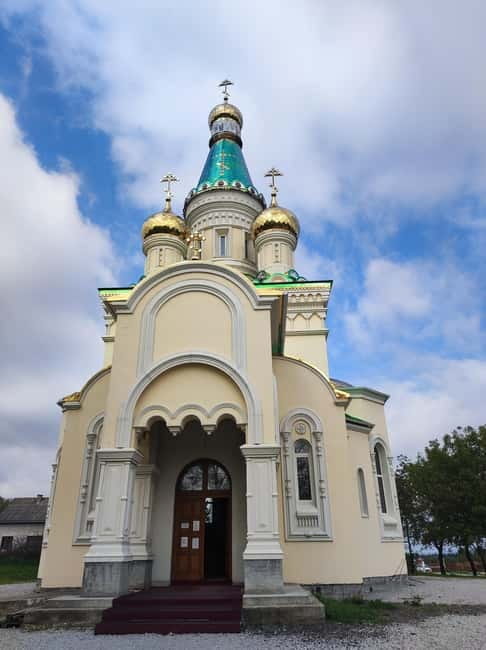
The Bermet tasting is one of the most enjoyable parts of the experience. Bermet is a Serbian wine associated with Sremski Karlovci, and its fame includes a striking connection with the Titanic. The wine was served aboard the ship, which gives the tasting an easy story to remember.
Expect something different from a standard dry table wine. Bermet is known as a distinctive, sweet, spiced wine, and the tasting gives you a chance to try a local specialty rather than a generic regional pour. If you enjoy food and drink with a clear sense of place, this is a strong reason to include the tour.
The tasting is also a welcome pause between historic sites. You can ask questions, compare the taste with wines you already know, and get a better feel for local tradition. Meals are not included, so do not treat the tasting as lunch.
Same place, a different morning at the gates:
- From Bangkok: Ayutthaya Temples Guided Tour with Lunch
★ 4.7 · 10,535 reviews - Siem Reap: Angkor Wat: Small-Group Sunrise or Sunset Tour
★ 5.0 · 9,444 reviews - Athens: Cape Sounion & Poseidon Temple Sunset Half-Day Trip
★ 4.8 · 8,241 reviews - Ubud: Monkey Forest, Jungle Swing, Rice Terrace, and Water Temple
★ 5.0 · 7,160 reviews
A Russian connection at Baron Wrangel’s monument
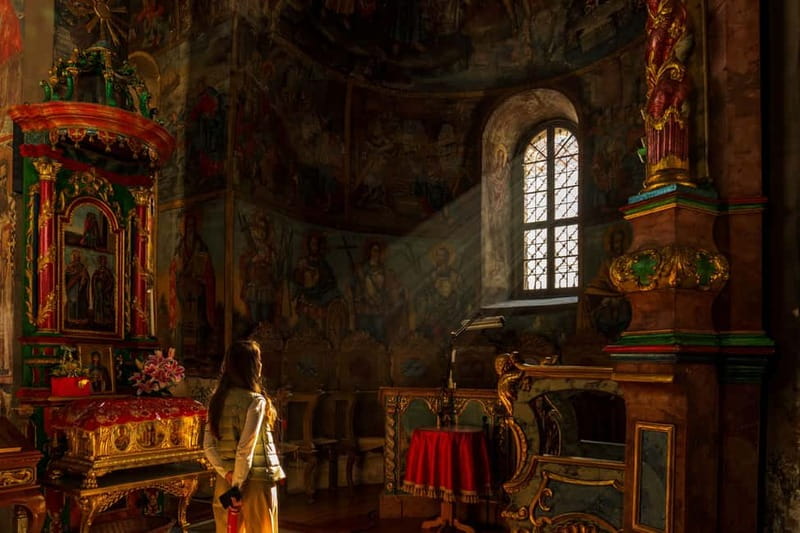
The stop at the monument to Baron Pyotr Nikolayevich Wrangel adds a less familiar chapter to Sremski Karlovci. Wrangel arrived in the Kingdom of Serbs, Croats, and Slovenes in 1922 as a leader of White Russian refugees.
By 1924, he had founded the Russian All-Military Union in Sremski Karlovci. The organization brought Russian military émigrés together across the world and sought to preserve the Russian military spirit while opposing Bolshevism.
This is a useful stop for visitors interested in twentieth-century European history. It also shows that Sremski Karlovci’s importance continued beyond its older religious and diplomatic landmarks. The town was not frozen in the Baroque era. It became a place of refuge and political organization as well.
Fruška Gora and the road to Krušedol
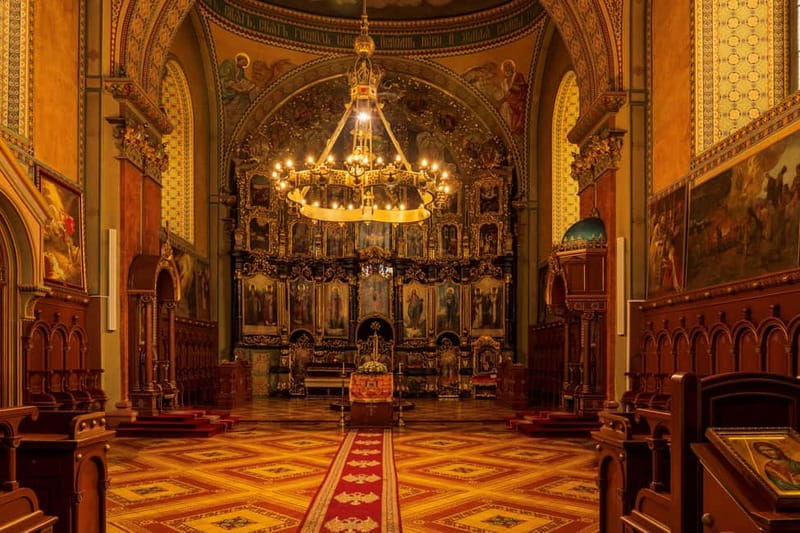
After Sremski Karlovci, the route heads into Fruška Gora, Serbia’s oldest national park. The mountain once rose as an island in the prehistoric Pannonian Sea, and today its wooded slopes provide a green setting for monasteries, villages, and historic remains.
The drive is part of the experience. You leave the formal town center and move into a quieter area where the main attraction is the combination of nature and sacred buildings. The stops are spread out, so private transport saves considerable time.
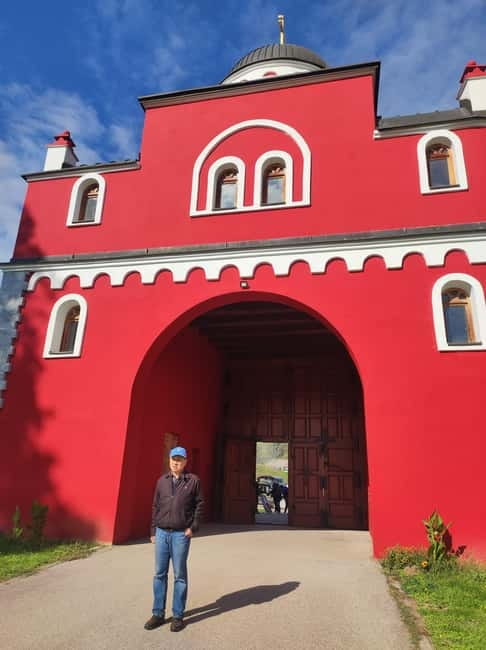
Krušedol Monastery is the major religious stop. It was founded between 1509 and 1514 by Saint Maksim Branković, Metropolitan of Belgrade and Srem, together with his mother, Saint Angelina of Serbia. It is regarded as one of the most important monasteries in Fruška Gora, often called the Holy Mountain of Serbia.
Inside, the monastery gives the visit a more reflective pace. Dress respectfully and wear shoes suitable for uneven walking. Religious sites can have their own rules, and the guide can help you understand what is appropriate during the visit.
Krušedol is valuable not just because it is old, but because it links Serbian Orthodox identity with the wider history of the region. If you are interested in churches, icons, dynastic history, or Serbian culture, this will likely be the most important stop of the day.
Grgeteg Monastery and Uroš Predić’s iconostasis
The tour continues to Grgeteg Monastery, founded in 1471 by Despot Vuk Grgurević, known as Zmaj Ognjeni Vuk. The monastery was renewed in 1708 after the Great Migration of the Serbs, and the present Baroque church dates from around 1770.
The building was restored in 1898 by architect Hermann Bollé. Inside, the iconostasis painted by Uroš Predić in 1902 is the detail to look for. That gives the visit a clear artistic focus, even if you have limited time.
Grgeteg feels peaceful and less like a standard sightseeing stop. Its importance is officially recognized, as it is protected as a Monument of Culture of Exceptional Importance. The combination of the church, iconostasis, and quiet setting makes it a strong closing point for the monastery portion of the tour.
The scheduled visit is about thirty minutes, so do not expect a long, unhurried exploration. Still, a well-directed half hour is enough to understand why the monastery matters.
The extended route: Vrdnik Fortress and Beli majdan
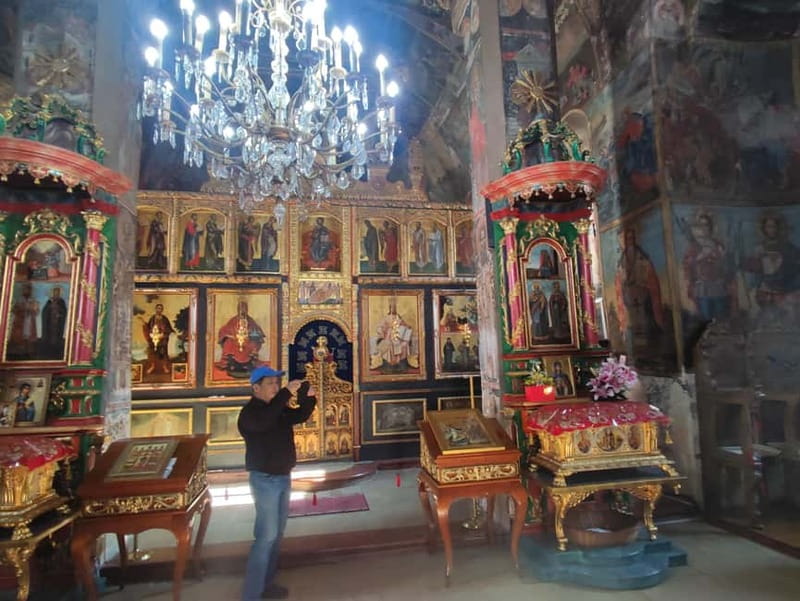
The longer version adds Vrdnik Fortress and Beli majdan. These stops shift the focus from religious heritage to ruins and industrial history.
Vrdnik Fortress gives you another view of Fruška Gora and its past. The stop is listed as a guided visit of about an hour, so it can take up a substantial part of the day. If you choose the extended route, ask how much time will remain for the monasteries and Sremski Karlovci.
Beli majdan is an old quarry, and its rough stone setting offers a change from polished town buildings and church interiors. It is listed as another hour-long guided stop. The site may appeal most to you if you like unusual historical places, former work sites, and short walks in the open air.
The extended route is the better choice for someone who wants variety. You get architecture, wine, Orthodox heritage, ruins, and a quarry in one outing. The tradeoff is obvious: more stops mean less time at each one. If your priority is the town and monasteries, the shorter program may feel more satisfying.
What the guide adds to the day
A good guide matters here because the sights are linked by history rather than by a single visual theme. Vladimir receives particular praise for explaining the past clearly, keeping conversation interesting, adapting to rain, and shaping the day around personal interests.
That flexibility is practical, not just pleasant. Bad weather can affect walking and photography, while a private vehicle makes it possible to change the order of stops. One group still reached the main sights despite rain because the schedule was adjusted.
The guide can also add small nearby stops when time allows. This is useful in a region where a short detour may reveal something worthwhile, but you should treat such additions as possible extras rather than guaranteed parts of every departure.
English and Russian are the available guide languages. If you need another language, this experience is not a good fit based on the stated information.
Is $81 good value?
At $81 per person, the price is reasonable if you want a private half-day trip and would otherwise need to arrange several separate taxi rides. The value comes from the combination of transport, guiding, multiple historic sites, and the chance to reach places that are not well connected by public transport.
For a solo visitor, the cost is less attractive than for a couple or small private group. The more people sharing the private experience, the better the transport and guide value becomes, although the listed rate is per person.
The price includes transportation, a guided visit to Sremski Karlovci, and a visit to Krušedol Monastery. Meals are not included, and the exact treatment of hotel pickup and drop-off should be confirmed before booking. The instructions say to wait at your hotel reception or outside the address supplied, while the return can be to a Novi Sad address or hotel.
Free cancellation is available up to 24 hours before departure, and you can reserve now and pay later. That makes the booking less rigid, especially when weather may affect a mountain outing.
Who should book this experience?
I would recommend it most strongly to:
- You are staying in Novi Sad and want an easy trip beyond the city.
- You enjoy history, churches, wine, and small towns more than large attractions.
- You prefer a private car to public transport or a large coach.
- You want a guide who can explain Serbian, Orthodox, and regional history.
- You are interested in adding ruins and a quarry to the basic town and monastery route.
It may be less suitable if you want a slow wine-focused day, a long meal, or extensive time inside each monastery. The schedule covers a lot. Comfortable walking shoes are important, and you should check the weather before leaving.
Should you book the Sremski Karlovci and Krušedol tour?
Book it if you want to see several hard-to-reach sights without building your own transport plan. The strongest version of the tour combines Sremski Karlovci, the Bermet tasting, Krušedol, and Grgeteg, with the guide bringing the history together.
Choose the extended route if Vrdnik Fortress and Beli majdan appeal to you more than lingering in town. Choose the shorter route if you prefer a calmer pace and want more attention at the churches and main square.
At $81, this is a solid private excursion for couples, families, and small groups based in Novi Sad. The central question is not whether the area is worth seeing. It is whether you want broad coverage in half a day or a slower look at fewer places.
FAQ
Where does the tour begin?
The tour begins with pickup in Novi Sad.
How long does the tour last?
The stated duration is between three and five hours, depending on the available departure time and route.
What languages does the guide speak?
The tour is available with an English or Russian-speaking guide.
Is the tour private?
Yes. It is offered for a private group.
What vehicle is normally used?
The guide normally arrives in a grey Škoda Superb, unless another vehicle was specified.
Which monasteries are visited?
The tour visits Krušedol Monastery and Grgeteg Monastery.
Is wine tasting included?
A Bermet wine tasting is part of the experience in Sremski Karlovci. Meals are not included.
Are Vrdnik Fortress and Beli majdan included?
They are listed as stops on the route, but the total duration can vary. Confirm the exact schedule and included stops when booking.
Is hotel pickup and drop-off included?
Pickup instructions ask you to wait at the hotel reception or outside the address provided in your booking. The stated inclusions do not list hotel pickup and drop-off, so confirm the exact arrangement before departure.
What should I bring?
Wear comfortable walking shoes, bring a camera, and dress for the weather. Smoking is not allowed in the vehicle.
Just added around the world
- No.1 Chiang Mai: 3-Hour Monk Trail Hike to Wat Doi Suthep & Palad★ 5.0 · 11 reviews
- 8 Days Private South India Temple Tour with 4 Star Luxury Hotels★ 5.0 · 3 reviews
- Chennai City Highlights – Government Museum & Temple Discovery★ 4.0 · 7 reviews
- South India Tour- Temple Architecture and Backwaters★ 5.0 · 7 reviews
- Chania Private Tour: Monastery, Scenic Gorge & Mountain Views★ 5.0 · 12 reviews
- 2-Day Private Tour of Leshan Grand Buddha and Emei Shan including Monastery Stay★ 4.5 · 8 reviews
- Half-Day Trip to Arkadi Monastery and Melidoni Cave★ 4.5 · 4 reviews
- Monastery, Elafonissi and Winery Tour from Chania★ 5.0 · 8 reviews